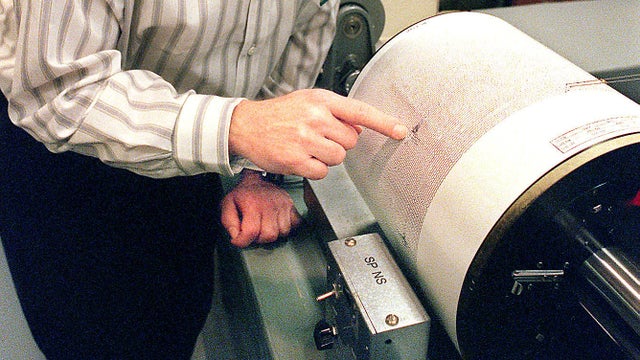
After Ontario shake, how likely are earthquakes in Southeast Michigan?
Michigan occupies a quiet corner of the North American craton, a geologically stable area that has remained relatively calm for millions of years.
Watch CBS News

Michigan occupies a quiet corner of the North American craton, a geologically stable area that has remained relatively calm for millions of years.
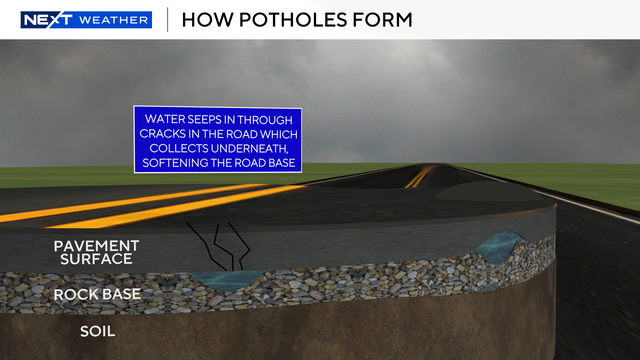
While many assume a "harsh" winter, or this bone-chilling, sustained cold, is the enemy of asphalt, the real culprit is temperature fluctuation.
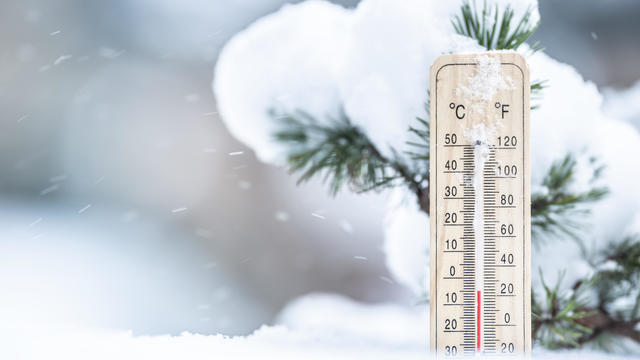
A review of the season's statistics reveals that our region is running well ahead of schedule for snowfall and notably behind on temperatures.

When the temperatures plummet, and the snow starts piling up, most of us have the same instinct: retreat indoors, crank up the heat, and get cozy.

Police at the University of Michigan Flint are crediting an anonymous tipster with saving a life Friday morning. Officers discovered a man collapsed during dangerously freezing conditions.
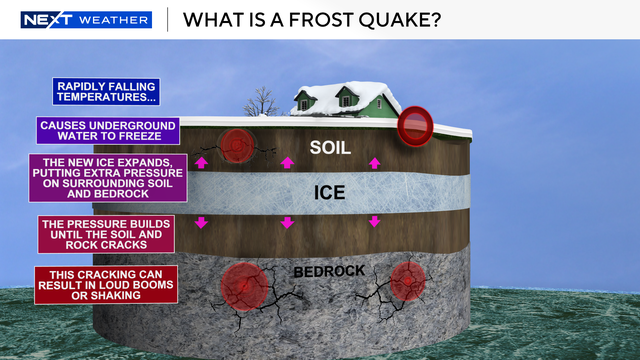
A frost quake, or a cryoseism, might sound scary, but it is a fascinating phenomenon.
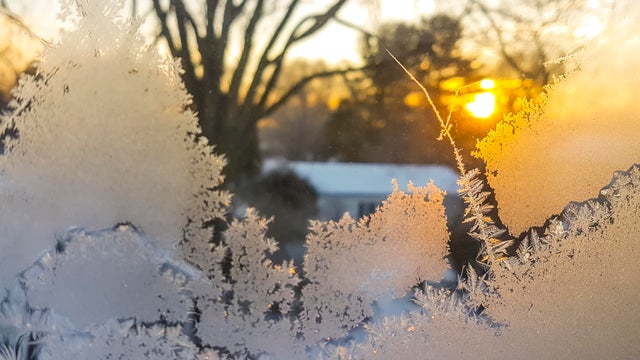
Our actual air temperature on Saturday morning is expected to be around minus 10 degrees to minus 12 degrees.

Every time arctic air drops south, and temperatures plummet well below zero, social media lights up with a scary (and slightly cinematic) rumor called "exploding trees."
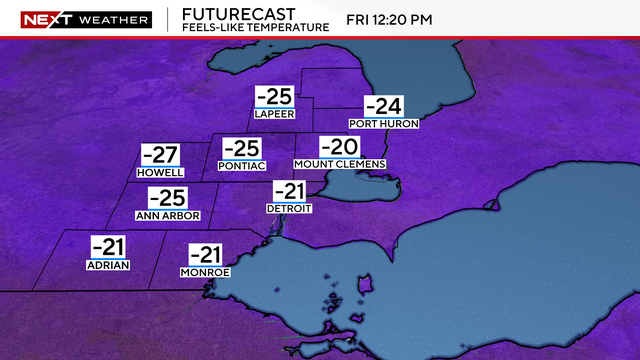
Dangerous cold air is likely to wrap up this week and kick off the weekend in Southeast Michigan.

A strong G4 geomagnetic storm is ongoing, which brings viewing possibilities to the area. The main downside is cloud cover.
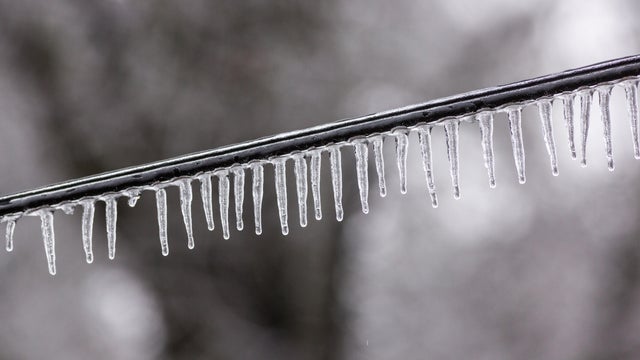
DTE Energy says it's working to restore electricity for thousands of people in Southeast Michigan after ice on power lines created outages on Friday.
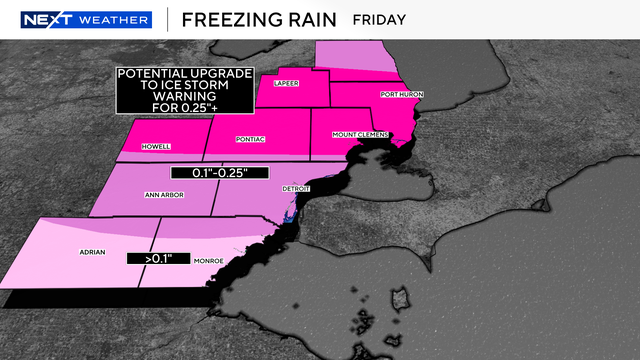
A winter weather advisory has been issued for all of Southeast Michigan on Dec. 26.
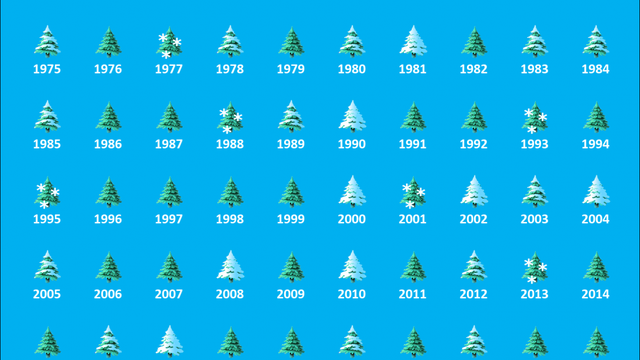
Christmas is a time when you would expect snow on the ground, given all the songs and poems, and the fact that it's December. But what is the climatology of Christmas actually like?

Our holiday week in Michigan has more warm days than not, and that does help and hinder our travel.
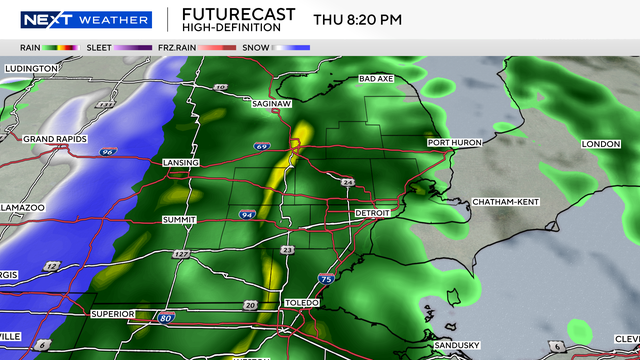
You may have heard talk about a flash freeze possible on Friday morning. But what does that mean?