Stanford University apologizes for photo swap
Stanford University apologized for what it called a "serious error in judgment," editing a photo of students to alter looks, race and gender. Jonathan Vigliotti reports.
Watch CBS News
Stanford University apologized for what it called a "serious error in judgment," editing a photo of students to alter looks, race and gender. Jonathan Vigliotti reports.
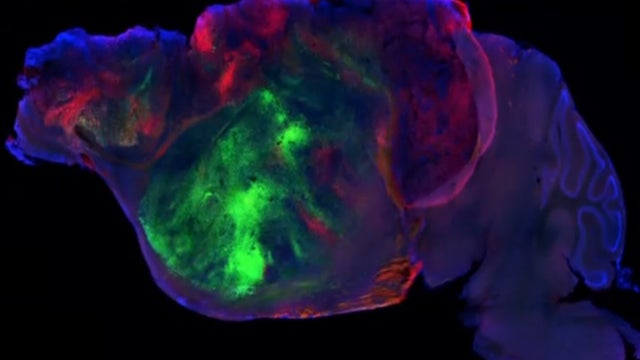
Neuroscientists at Stanford University successfully grew human brain tissue inside mice in the hopes of further enabling the development of treatments for brain disorders. Stanford Medicine professor of psychiatry and behavioral sciences Dr. Sergiu Pasca, who led the study, joins CBS News to break down the findings.

The judge delivered a victory for Stanford University's student newspaper, which said some international students were afraid to speak out because of the deportation threat.

The Pentagon on Friday released another batch of never-before-seen files on UFOs. Garry Nolan, professor in the Department of Pathology at Stanford University School of Medicine, joins to discuss his study on how witnessing a UFO impacts the brain.
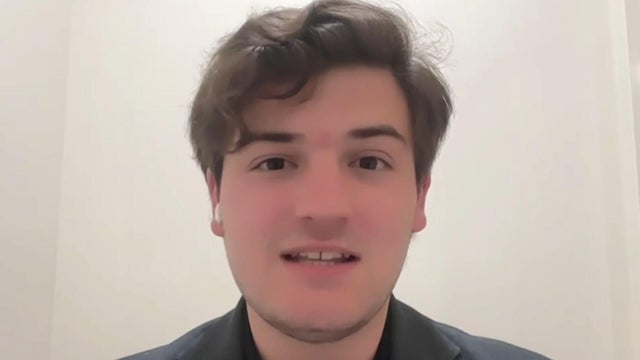
A recent opinion piece in The New York Times spotlighted the impact of artificial intelligence on the 2026 graduating class at one of the world's most prestigious universities. The author, Stanford student Theo Baker, joins to discuss.
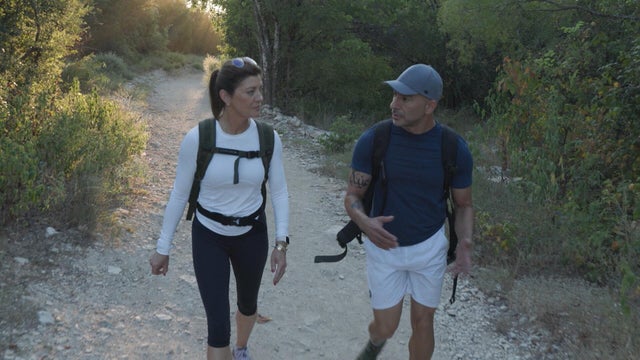
It's rare for 60 Minutes to do a story on a physician who sees fewer than 75 patients, but Stanford-trained Dr. Peter Attia has become both a pioneer and a star in the field of longevity medicine. His advice for improving the final decade of your life has earned him millions of followers and billionaire patients who pay hundreds of thousands of dollars for his medical advice. This Sunday on 60 Minutes, he shares his insights on extending not just lifespan, but quality of life, with Norah O'Donnell.

Most Americans will set their clocks back on Nov. 2 for daylight saving time, but a new study suggests the two annual time changes may actually be harmful to our health. Jamie Zeitzer, co-author of the study and co-director of the Stanford University Center for Sleep and Circadian Sciences, joins CBS News to unpack the findings.
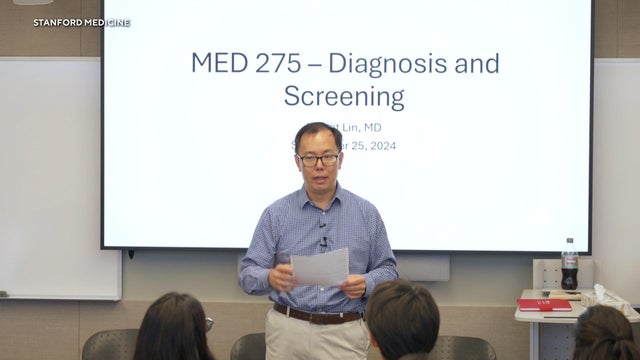
Dr. Bryant Lin, who has stage 4 lung cancer, created a Stanford class that follows his journey, offering students an unfiltered look at what it means to live through terminal illness.
Dr. Bryant Lin, a professor at Stanford University, was diagnosed with stage 4 lung cancer despite never having smoked. Instead of stepping back, he created a course based on his journey to give students a raw look into the emotional and physical toll of terminal illness. David Begnaud has more.
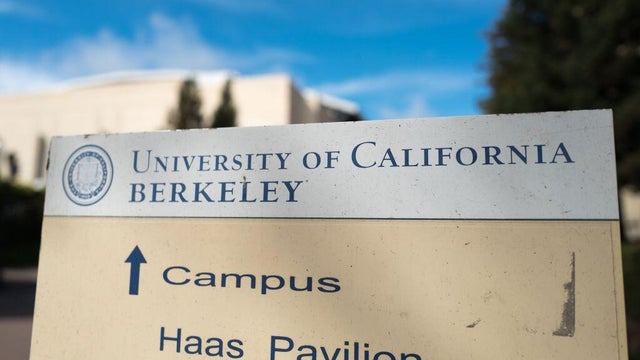
The latest action comes after the U.S. Department of Education said it was investigating 52 universities for alleged racial discrimination earlier this month.

As many focus on health in the new year, users across social media are sharing tips for sleep optimization, also known as "sleepmaxxing." Dr. Rafael Pelayo, clinical professor at Stanford University's sleep medicine division, joins CBS News to examine the pros and cons of the trend.

CBS News' Anthony Mason joins Paul Simon on a trip to the Stanford Initiative to Cure Hearing Loss, to explore how researchers are getting closer to finding answers about repairing and preventing hearing loss.
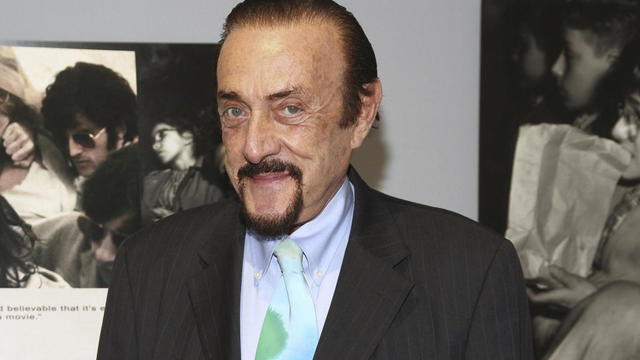
Stanford University says the psychologist behind the controversial "Stanford Prison Experiment" has died.

The Syracuse Orange host the Stanford Cardinal today. Find out how to watch tonight's Stanford vs. Syracuse game.

The TCU Horned Frogs face the Stanford Cardinal today for Week 1 of the NCAA college football season. Here's how to watch.
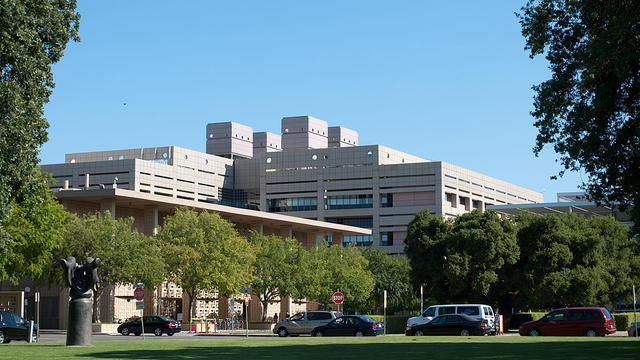
A judge has ordered Stanford University and Stanford Health Care to pay $10 million in damages in connection with an employee's racial harassment case that included allegations of a staffer dressing as a member of the Ku Klux Klan.
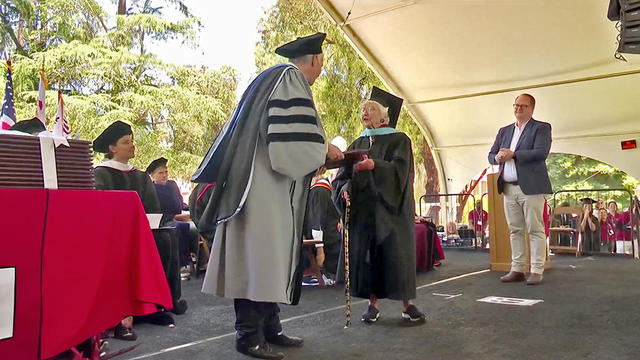
Eighty-three years after she left Stanford without a master's degree, Virginia Hislop, age 105, has it in hand at last.

Artificial intelligence has become so advanced it has now surpassed human performance in several basic tasks, according to a new report from Stanford University's Institute for Human-Centered Artificial Intelligence. Russell Wald, deputy director of the institute, joins CBS News to unpack more key findings from the study.
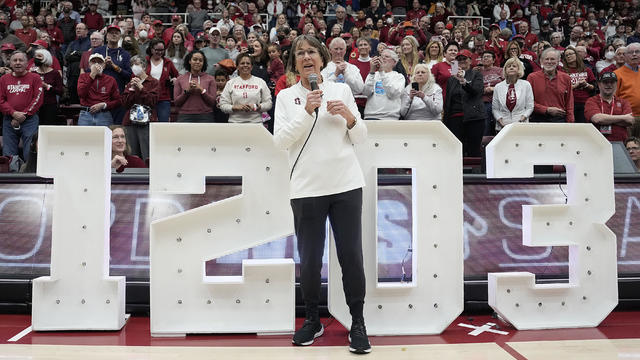
Stanford women's basketball head coach Tara VanDerveer, the winningest coach in NCAA history, announced her retirement Tuesday after 38 seasons with the team.

Hospitals must now receive informed patient consent for breast, pelvic, prostate and rectal exams performed by medical students -- particularly on anesthetized patients, the Department of Health and Human Services announced Monday. Michelle Mello, professor of law and health policy at Stanford University, joins CBS News to unpack the new policy.

Former Vice President Al Gore and other politicians attended a funeral service in Connecticut for former Sen. Joe Lieberman, who died Wednesday at 82. Gore remembered Lieberman, his former running in the 2000 presidential election, as a great friend who was "ready to look for ways to bridge divisions." CBS congressional correspondent Scott MacFarlane takes a look at Lieberman's life and legacy.
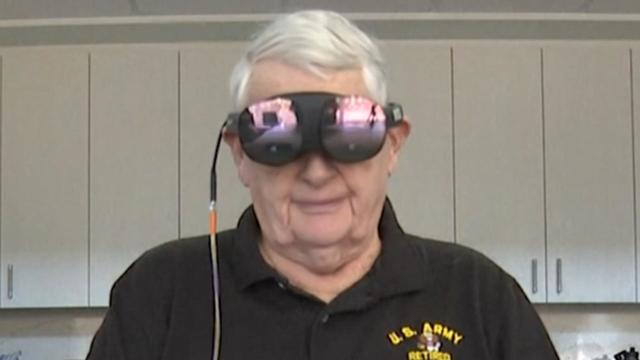
Virtual reality headsets may seem like devices for the youngest among us, but Stanford University researchers found they have benefits for older adults as well. Jeremy Bailenson, one of the study's authors, joins CBS News to break down the findings.
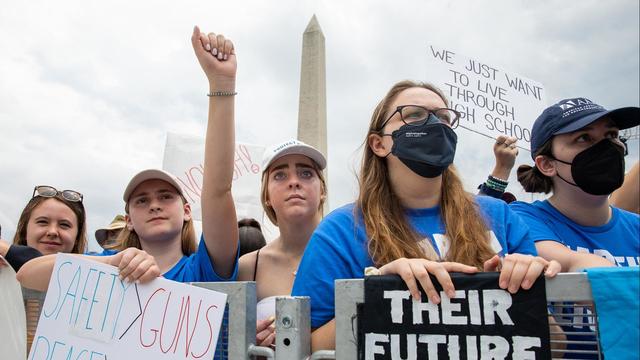
Gen Z women in the U.S. are now 30 percentage points more liberal than their male counterparts, according to a Financial Times analysis of Gallup data. Stanford University visiting fellow Dr. Alice Evans joins CBS News to discuss what's fueling the gender divergence.

Younger generations have expressed interest in pursuing a career as a "YouTuber" or social media influencer. New programs are now teaching kids the skill sets needed to become online content creators -- and they are increasingly popular. Angèle Christin, associate professor of communication at Stanford University, joins CBS News to discuss the emergence of young content creators.
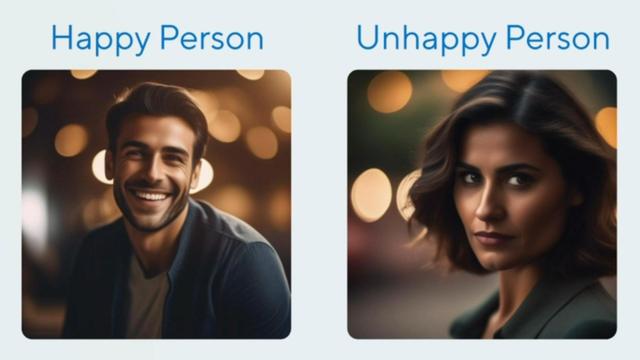
Artificial intelligence-powered image generators can return biased or stereotypical results, researchers say. Stanford University AI researchers Ria Kalluri and Myra Cheng join CBS News to examine why, and what can be done to fix it.