Sweden becomes an example of how not to handle COVID-19
The country never imposed a lockdown, now has a coronavirus mortality rate much higher than the U.S., and could face a devastating second wave.
Watch CBS News
The country never imposed a lockdown, now has a coronavirus mortality rate much higher than the U.S., and could face a devastating second wave.
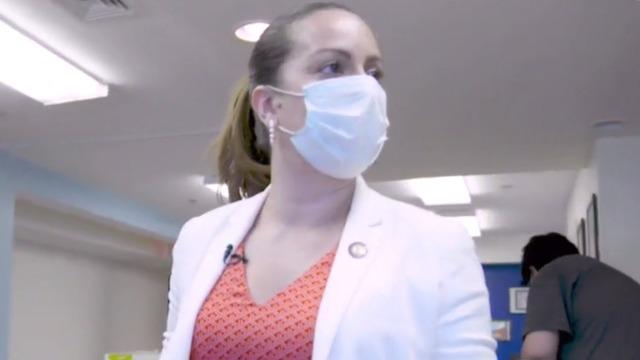
As coronavirus cases surge in the U.S., Latino communities are suffering with high rates of infections. CBS News contributor Maria Elena Salinas is anchoring a special report "Pandemia: Latinos in Crisis," and she joins "CBS This Morning" to explain why this community is vulnerable and shares the stories of the people on the front lines of the pandemic. In this preview, Ed O'Keefe speaks to New York Assemblywoman Catalina Cruz, a Colombian immigrant and the first "Dreamer" elected to the New York State Assembly.
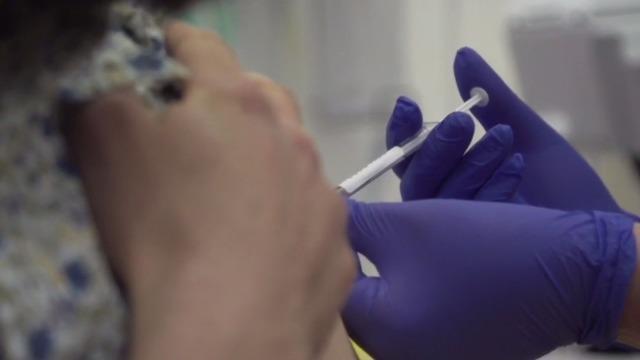
British and American intelligence officials said prominent hacking group APT29, responsible for hacking DNC servers in 2016, has targeted coronavirus vaccine-related work. CBS foreign correspondent Charlie D'Agata reports on the intelligence community's response and the rising security risks during the pandemic.

A new poll from Quinnipiac University found 62% of respondents think President Trump is hurting the country's coronavirus response. Liz Goodwin, deputy bureau Washington bureau chief for the Boston Globe spoke to CBSN's Tanya Rivero about how the President's "sunny vision" of coronavirus is coming to odds with reality.

Black Americans already face health disparities, but added pressure from the pandemic and social unrest is compounding stress for many. Dr. Olu Ajilore, an associate professor in the Department of Psychiatry at the University of Illinois at Chicago and a researcher for UIC's Center on Depression of Resilience, joins CBSN's Lana Zak to talk about what needs to be done to better support Black communities across the U.S.

Physicians say federal rules for distributing the COVID-19 drug are unclear, leaving some hospitals in the lurch.

When flights were canceled, Kleon Papadimitriou said he biked across 5 countries, for 48 days, to get to his family.

You may not be able to travel to Iceland, but your screams of frustration can.
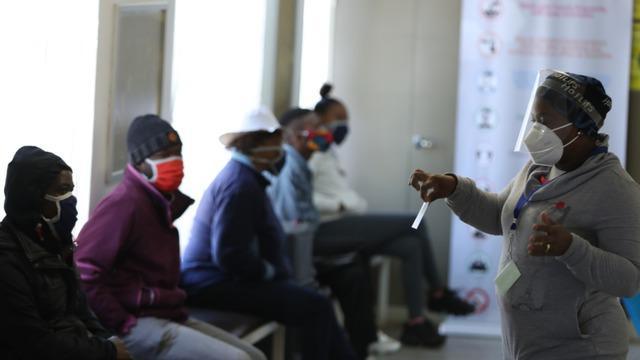
The coronavirus pandemic is ravaging South Africa as cases surge nationwide. There have been more than 300,000 confirmed infections and nearly 4,500 people have died. CBS News foreign correspondent Debora Patta joins CBSN from Johannesburg with a closer look.

Like so many artists and entrepreneurs, photographer Brian Bowen Smith's business dried up when coronavirus hit. That's when he decided to hit the road in his vintage truck to document a country under quarantine. Along the way, he photographed famous faces like Common, Reese Witherspoon and the blended family of Demi Moore and Bruce Willis, but also captured the spirit and soul of everyday Americans. Meg Oliver reports for the "CBS This Morning" series A More Perfect Union.
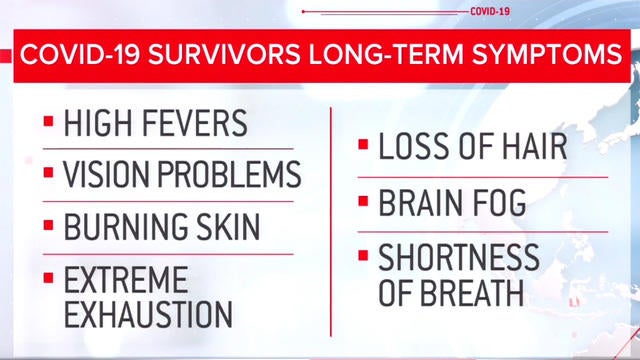
The World Health Organization estimates most mild cases of COVID-19 should resolve within two weeks, but thousands of people are reporting symptoms for months after they've tested negative. Many patients who have been discharged from the hospital also continue to struggle both physically and mentally. Dr. Tara Narula reports.

South Carolina, alongside Arizona, Florida and Texas, is one of the country's hardest hit states in new coronavirus cases. Reporting from Charleston, Mark Strassmann looks at how out-of-state tourists are still flocking to the state despite the surge in infections.

It's estimated that at least 20,000 fans attended NASCAR'S All-Star race at Bristol Motor Speedway in Tennessee. They needed masks to get in but were allowed to take them off once inside.

In an exclusive interview with CBS News senior investigative correspondent Catherine Herridge, President Trump insisted his response to the coronavirus pandemic is working, and he says he wants schools to reopen as scheduled. CBS News' Skyler Henry joined CBSN from the White House with more on that plus the president's visit to Georgia.
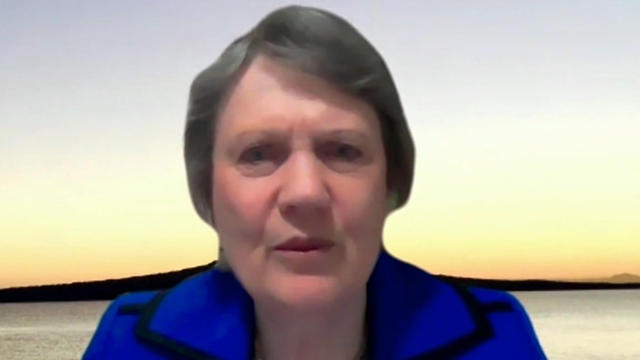
The World Health Organization set up an independent panel to review the organization’s response to the coronavirus pandemic. Former New Zealand Prime Minister Helen Clark will co-chair the panel's investigation. CBS News foreign affairs analyst Pamela Falk spoke with Clark about her plans.

In an exclusive interview with CBS News, President Trump defended his response to the coronavirus pandemic, insisting that despite long lines and long waits, testing is "working well." Mr. Trump also discussed the ongoing controversy surrounding the Confederate flag. Catherine Herridge spoke with the President at the White House.
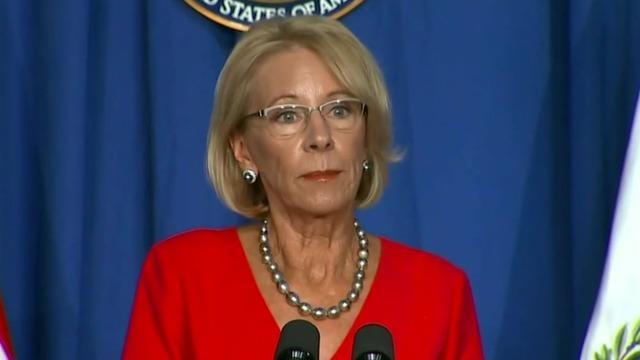
President Trump and Education Secretary Betsy DeVos have threatened to withhold federal funding from schools that don't fully reopen with in-person classes this fall. But Alexandra Hudson, a former special assistant to DeVos, says she does not have the power to do this. Hudson joined CBSN to discuss the controversy.
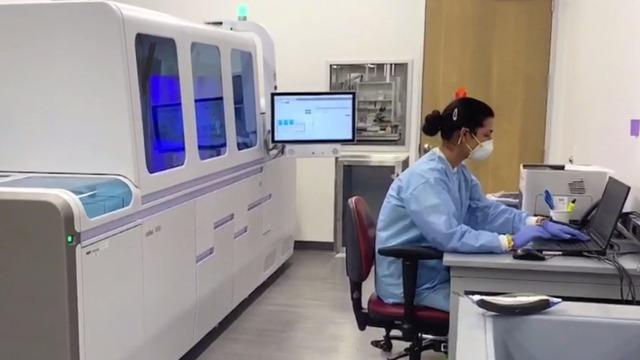
It takes currently, on average, seven days to get a COVID-19 test result from Sonora Quest Laboratories, Arizona's largest lab. But the company says it hopes to cut that time to just two days as testing demand continues to grow in the state. Mola Lenghi reports.
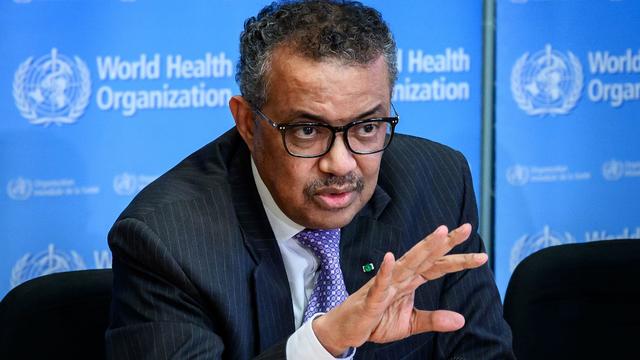
"This has been a bad experience, and we need to learn from it," former New Zealand leader says of a new, independent panel's mandate.

Voices getting louder after industry blog report that 100 workers at company's Fremont plant have tested positive for COVID-19 and more than 1,000 have been exposed.

Scientist Bill Nye is urging everyone to wear a mask in the fight to stop the coronavirus. He says it is "literally a matter of life and death." Nye joins "CBS This Morning" to give a live demonstration of why masks work.
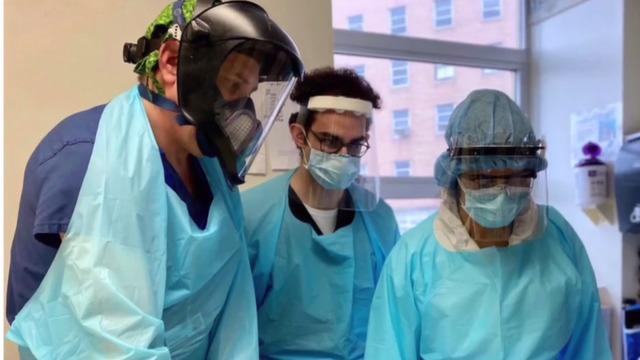
Front-line workers in ERs across the South and the West are seeing upticks in coronavirus cases in their hospitals and communities. They spoke with senior medical correspondent Dr. Tara Narula about their concerns watching the growing number of people getting sick.
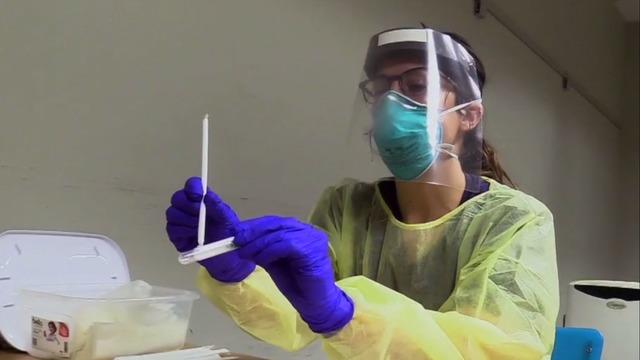
Testing wait times have hampered Arizona's battle against the COVID-19 pandemic. But a new, easier and faster method may allow the state to test enough people to mitigate and suppress the virus. Mola Lenghi reports.

Florida's governor is calling in 3,000 nurses to help hospitals and nursing homes manage rising coronavirus cases statewide. In Miami, one health expert says the city is now the epicenter of the pandemic. David Begnaud reports.
In a new study, researchers at the University of California, San Francisco found nearly 1 in 3 young adults may be especially vulnerable to the coronavirus. CBS News medical contributor Dr. David Agus explains how COVID-19 could impact young adults.