New focus on risks of microplastics
The Environmental Protection Agency is adding microplastics to its priority list of pollutants. Dr. Celine Gounder explains the timeline of enforcing limits and the risks of microplastics.
Watch CBS News
The Environmental Protection Agency is adding microplastics to its priority list of pollutants. Dr. Celine Gounder explains the timeline of enforcing limits and the risks of microplastics.
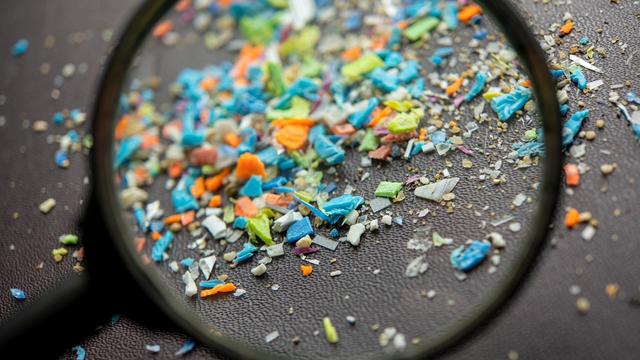
The Environmental Protection Agency also added microplastics to its contaminant candidate list for the first time.
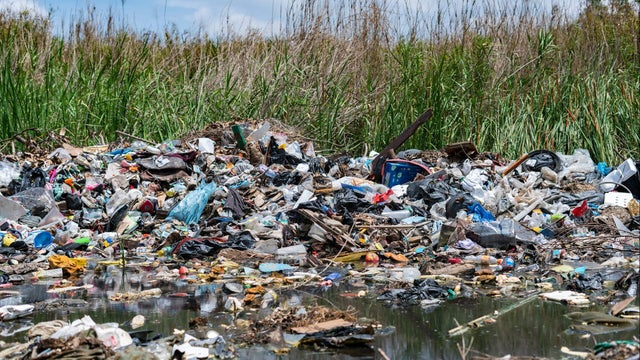
A new report published in the medical journal The Lancet finds that plastic pollution is costing the world at least $1.5 trillion a year in health-related bills. Dr. Philip Landrigan, one of the authors of the report, joins CBS News to explain the findings.
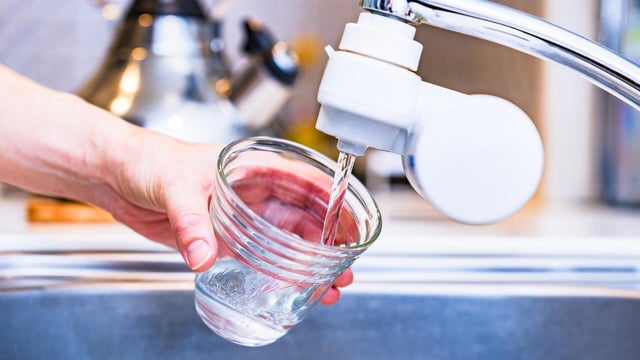
The Environmental Protection Agency says it plans to weaken restrictions on so-called "forever chemicals" in drinking water. Erik Olson, senior strategic director for health at the Natural Resources Defense Council, joins CBS News to discuss the dangers of PFAS.
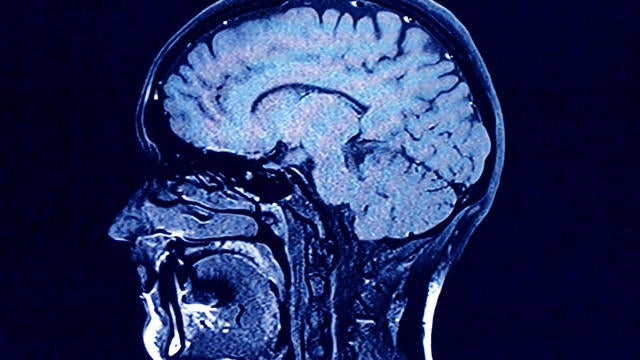
Human brains contain higher concentrations of microplastics than other organs, according to a new study, and the amount appears to be increasing over time.
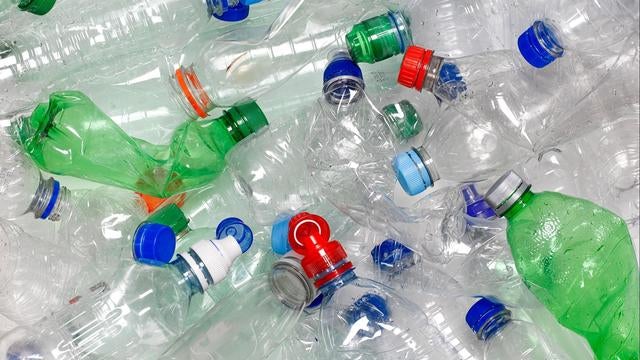
This week a group of plaintiffs in Missouri, Kansas, California and Florida filed a class-action lawsuit against dozens of companies and organizations, claiming they've falsely promoted how easy it is to recycle plastics. CBS News Los Angeles climatologist Marina Jurica has the details.
A large amount of human-produced plastic waste degrades into microplastics: small particles that linger in the environment and can be consumed by animals and people. Microplastics spread through water, air, and even the human bloodstream. Matthew Campen, director of the University of New Mexico's Center for Metals in Biology and Medicine, joins CBS News to explain the possible health risks from microplastic exposure.
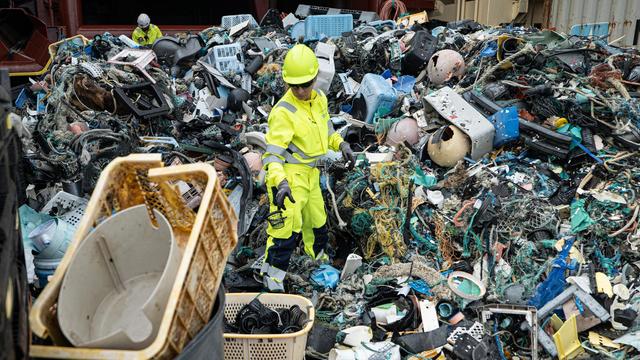
Removing the plastic now helps to stop it from degrading and shedding additional microplastics into the ocean, which can enter the food chain and eventually end up in the human body.
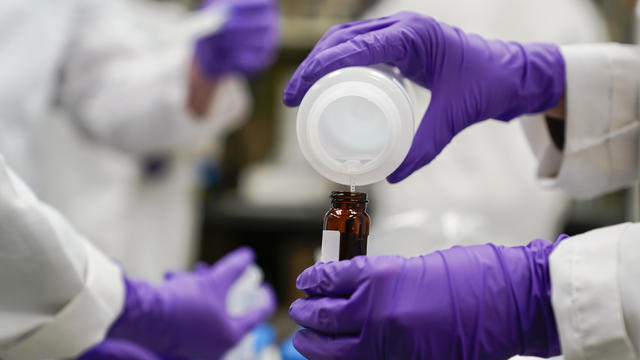
Study finds cancer-linked PFAS chemicals prevalent in drinking water sources across the globe, including many far over regulatory limits.
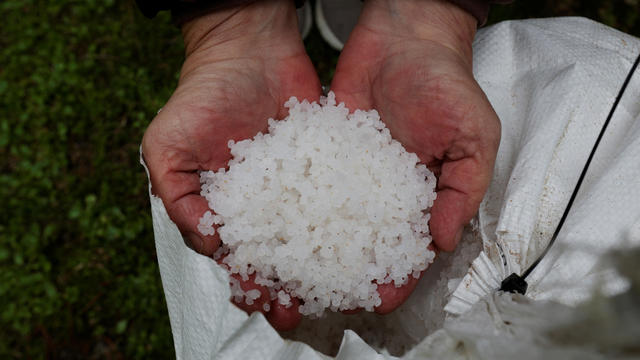
Dozens of 55-pound bags of the tiny plastic pellets known as nurdles, which are known to be a major source of microplastic pollution, have washed up in northwest Spain in recent weeks.
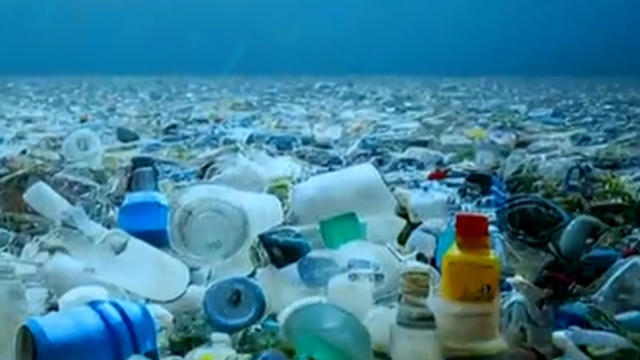
A recent study estimates there are now 170 trillion pieces of plastic in the ocean. A team of international scientists working on a research vessel off the coast of Panama are seeking to understand the impact of microplastics on the oceans and our health. Ben Tracy has details.
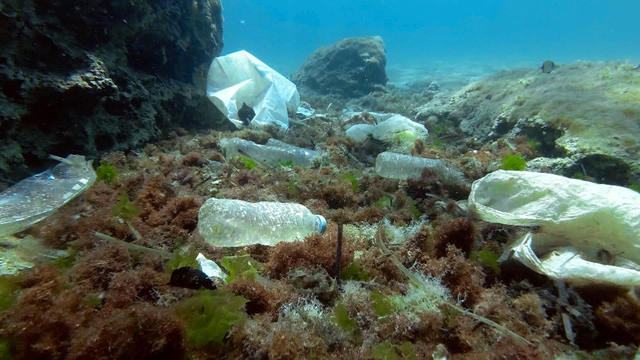
A whopping 170 trillion pieces of plastic litter our seas, impacting ocean health and entering the human food chain. Scientists recently probed the depths off the coast of Panama to learn more. CBS News senior national and environmental correspondent Ben Tracy reports.
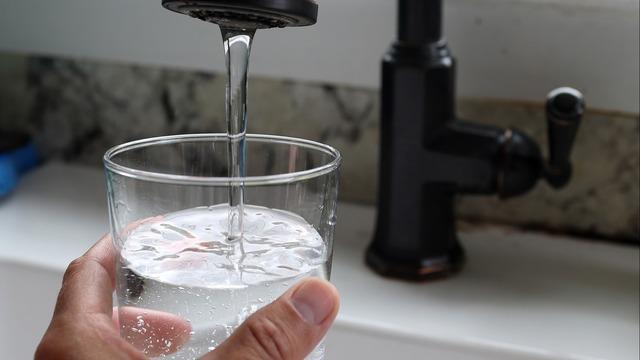
A new study found that nearly half of the nation's drinking water contains potentially harmful "forever chemicals," called PFAS. The substances have been linked to several serious health problems, including some cancers. Mark Strassmann reports on efforts to eliminate the chemicals, plus the study's lead author, Kelly Smalling, joins CBS News to break down the findings.
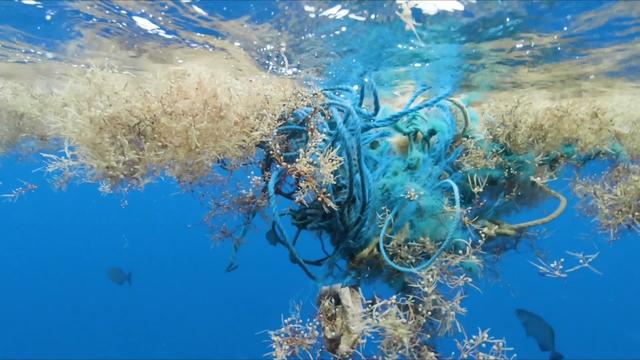
The organization behind the study said it highlights "the need for legally binding agreements" to hold companies to account "for the entire life of the things they make."

The U.K. government will announce its plan to ban some single-use plastic products, mostly items used for takeout food and drinks, this weekend, CBS News has confirmed.
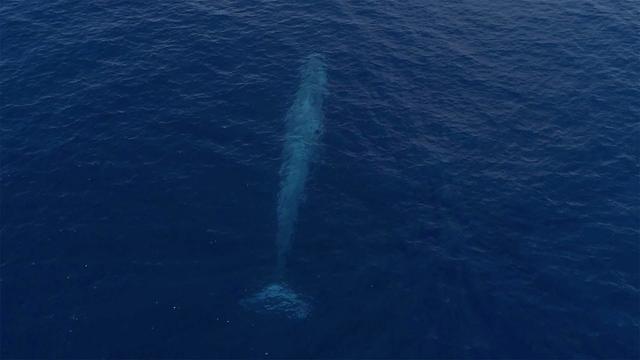
A new study found that blue whales off California's coast are consuming about 10,000,000 pieces of microplastics every day — an amount that could be potentially toxic to the whales and other animals that end up with the pollutants in their systems.