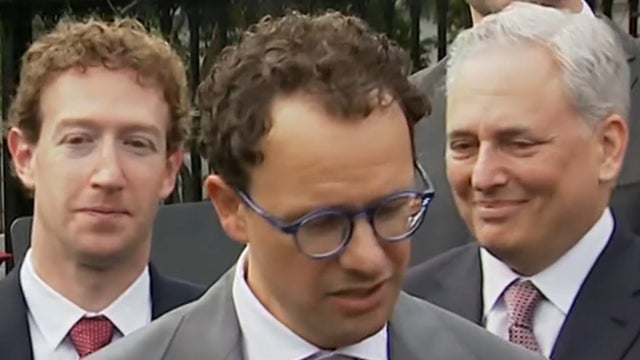
Zuckerberg, Amodei, others react to AI pact
Several tech executives say they signed a "morally binding" artificial intelligence safety agreement after lunch with President Trump at the White House. CBS News' Ed O'Keefe reports.
Watch CBS News
Several tech executives say they signed a "morally binding" artificial intelligence safety agreement after lunch with President Trump at the White House. CBS News' Ed O'Keefe reports.

Meta is announcing its latest artificial intelligence tools and smart glasses at its annual showcase on Wednesday. CNET AI reporter Katelyn Chedraoui joins CBS News to discuss.
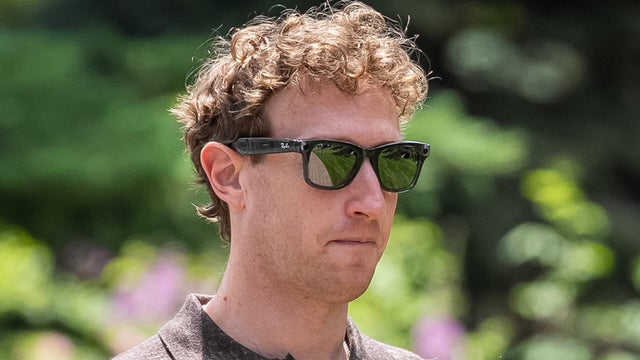
Meta's smart glasses have sparked privacy concerns with some users recording people without their knowledge or consent. Now, the company is expected to launch a new pair of spectacles addressing those worries. Mashable tech editor Tim Werth joins CBS News with more.
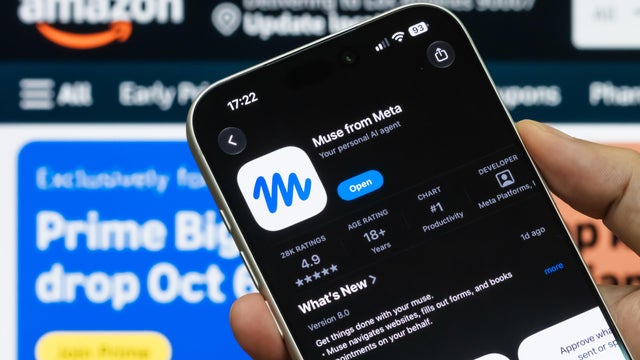
Meta's new AI tool now ranks at the top of the App Store. Some retail experts see a "natural evolution from search."
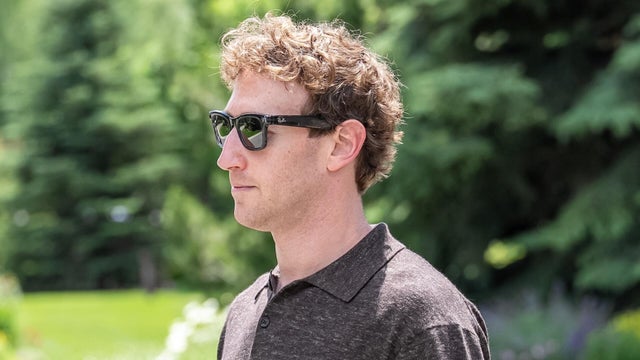
Opening arguments begin Tuesday in a landmark trial where four states are suing Meta for alleged mental health harm and addictive design. CBS News contributor Rebecca Roiphe has the latest.
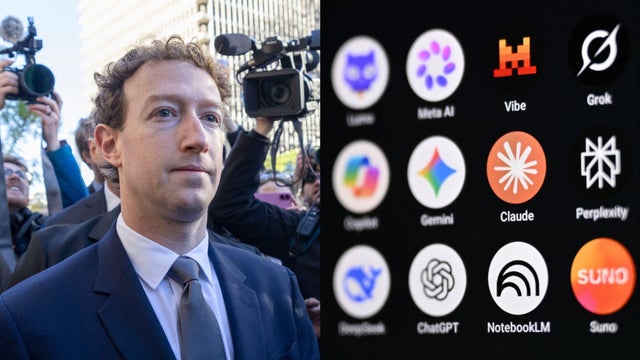
Facebook co-founder and Meta CEO Mark Zuckerberg argues that artificial intelligence should be open source to improve accessibility. CNET reporter Katelyn Chedraoui has more on what the philosophy of open source technology means in the AI era.
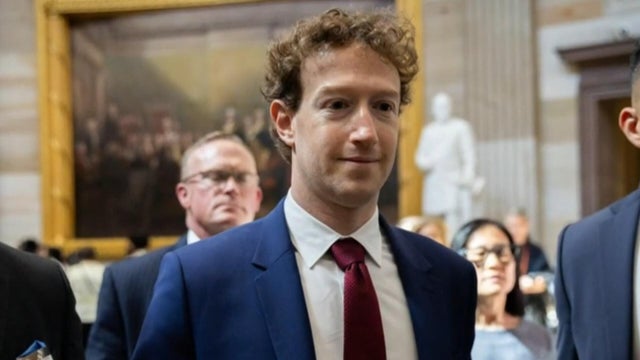
Despite concerns about AI, Meta CEO Mark Zuckerberg has an optimistic vision for its future, which he shared in a new essay. He also described what he thinks is the "most dangerous" AI scenario. Nick Thompson, CEO of The Atlantic, breaks down Zuckerberg's essay.
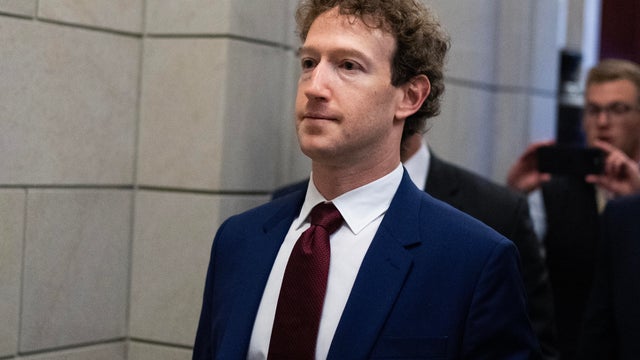
In a 6,500-word post, the Meta CEO argues that superintelligence should be shared "with as many people and businesses as possible."
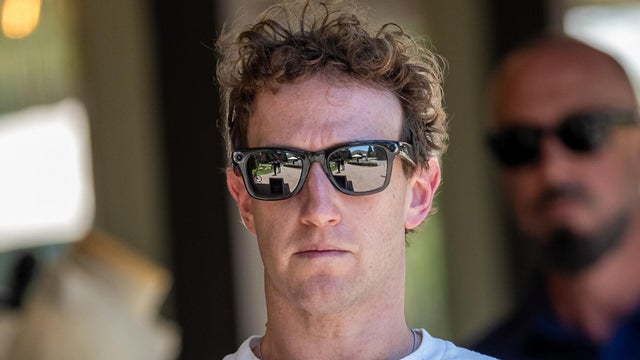
Meta CEO Mark Zuckerberg is making the case for putting superintelligent AI in the hands of everyone, not just a few companies or governments. Charles Rollet, tech correspondent for Business Insider, joins CBS News to discuss.
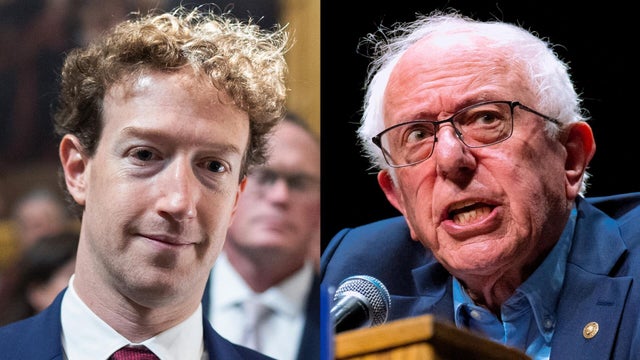
Sen. Bernie Sanders on Monday called for more regulation of artificial intelligence, saying companies are losing control of the technology. On the same day, Meta released a new AI tool. Axios tech and policy reporter Maria Curi joins to discuss.
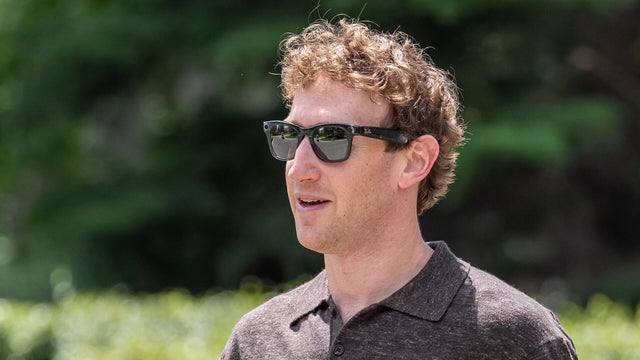
Meta is launching a version of its most powerful AI model that allows people to code from home. Ina Fried, chief technology correspondent for Axios, joins CBS News to discuss.
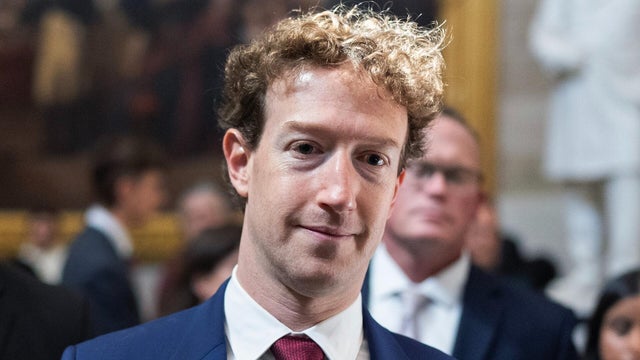
Mike Isaac, a tech reporter for The New York Times, joins CBS News 24/7 to discuss a story he helped break about Meta CEO Mark Zuckerberg directing the company to develop a prediction market app.
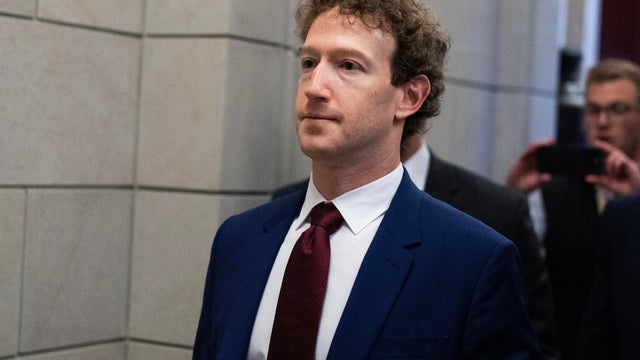
The lawsuit claims that Meta's Llama is generating summaries — and, in some cases, verbatim copies — of original works.

The verdict, which caps a weeks-long trial in Los Angeles, could set a legal precedent for similar allegations brought against social media companies.
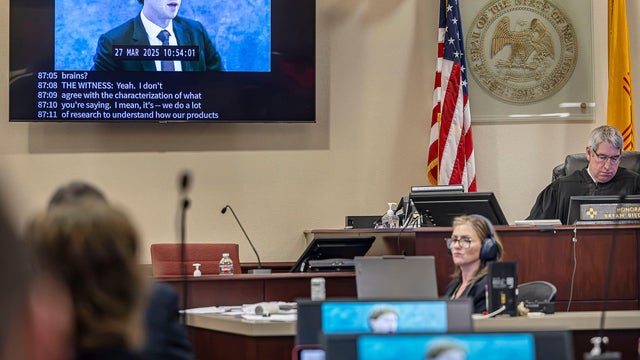
The landmark decision comes after a nearly seven-week trial. Jurors sided with state prosecutors who argued that Meta prioritized profits over safety.

Jury deliberations for a landmark social media addiction trial in California entered a fourth day Wednesday. CBS News' Elaine Quijano has the latest.

The plaintiff in a landmark trial on alleged social media addiction testified this week that she "wanted to be on it all the time." CBS News correspondent Carter Evans has the latest.
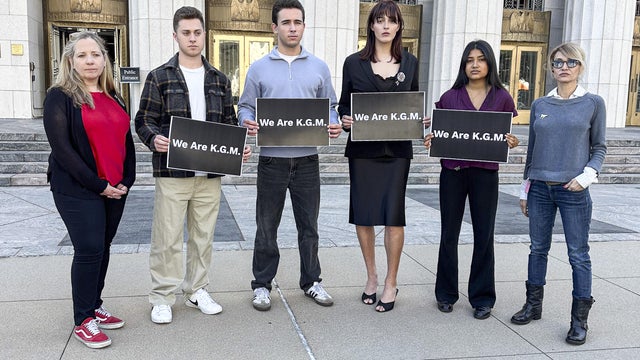
The 20-year-old plaintiff alleges that using YouTube and Instagram from a young age intensified her depression and led to suicidal thoughts.

Author and social psychologist Jonathan Haidt discusses the impact of the legal cases underway alleging social media platforms are designed to be addictive and can be harmful to minors. Haidt says he wants parents and kids to "reclaim childhood in the real world."
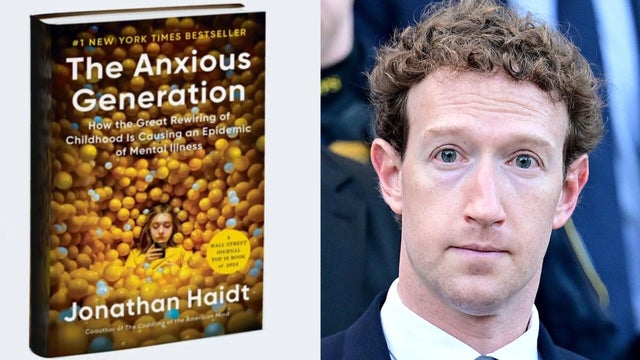
One of the catalysts for the social media addiction debate was a 2024 book called "The Anxious Generation" by social psychologist Jonathan Haidt. His new book tries to help parents and kids break free from screens. Haidt joins CBS News to discuss Mark Zuckerberg, the ongoing social media addiction trial and artificial intelligence.
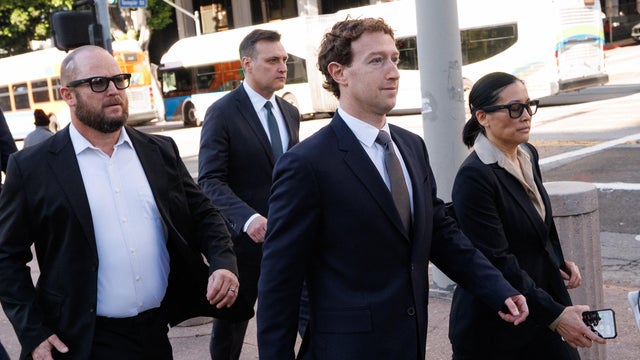
A Los Angeles judge ordered Meta officials to remove their AI glasses at a trial over the impact of social media on users.
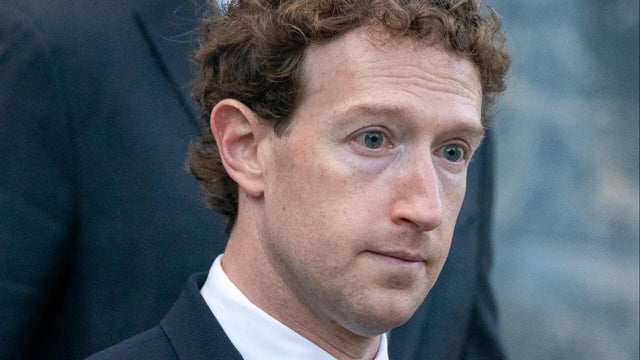
Meta CEO Mark Zuckerberg took the stand at the social media addiction trial examining whether children and teens were given access to an addictive and harmful product. CBS News' Carter Evans reports.
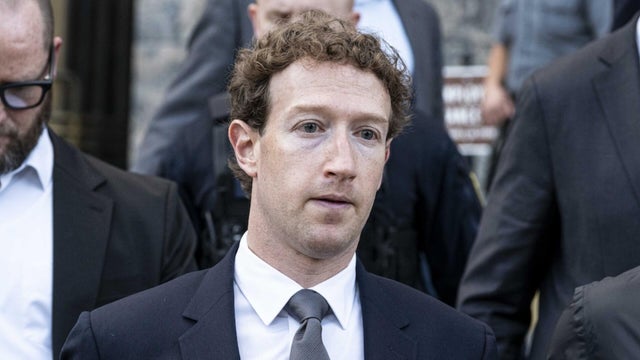
Meta CEO Mark Zuckerberg testified Wednesday in a civil case over social media addiction allegations that skyrocketing social media use shows how people value the sites and it's not a strategy to keep users addicted. Jo Ling Kent reports.
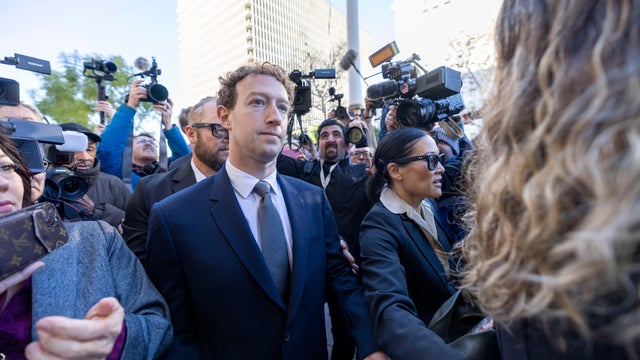
The Meta CEO defended his company's efforts to keep kids under 13 off of Instagram, but noted that there are "people who lie" about their ages.
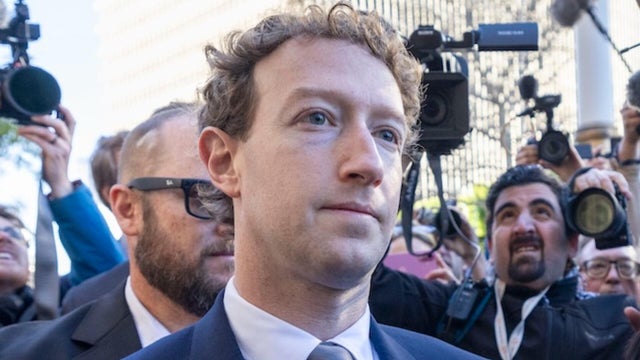
Mark Zuckerberg took the stand on Wednesday to fight off allegations that Instagram was intentionally designed to be addictive, especially to kids. Jo Ling Kent was in the courtroom and has more on the landmark trial.