Poll: Most say Iran conflict more difficult than Trump had expected
Most see conflict lasting months or years longer now; Republicans say U.S. should continue to press until it wins more concessions.
Watch CBS News
Most see conflict lasting months or years longer now; Republicans say U.S. should continue to press until it wins more concessions.

Senator John Kennedy said on "Face the Nation with Margaret Brennan" that he supports President Trump's goals in Iran and believes the U.S. should "stay the course" in the region, but said officials should share more information about the conflict with the American public. He also explained why he doesn't yet support the U.S.' civil nuclear power deal with Saudi Arabia, and he called for the passage of the SAVE America Act, the contentious elections-related bill championed by Mr. Trump.

CBS News executive director of elections and surveys Anthony Salvanto told "Face the Nation with Margaret Brennan" that a new poll shows many Americans feel the Iran war is not going well. Those feelings are related to the length of the war, communication about it, and its impact on the economy, Salvanto said.

Independent Sen. Bernie Sanders shared his thoughts on the upcoming midterm elections, including how he thinks progressive candidates may fare, on "Face the Nation with Margaret Brennan." He also called for a negotiated end to the war in Iran.

This week on "Face the Nation with Margaret Brennan," Sens. Bernie Sanders and John Kennedy discuss the war with Iran and the 2026 midterm elections. U.S. Ambassador to the United Nations Mike Waltz and former FDA Commissioner Scott Gottlieb also join, and CBS News director of elections and surveys Anthony Salvanto shares the latest CBS News poll results.

The escalating war with Iran is threatening even higher energy costs for Americans as many are already struggling with affordability. Olivia Gazis reports.
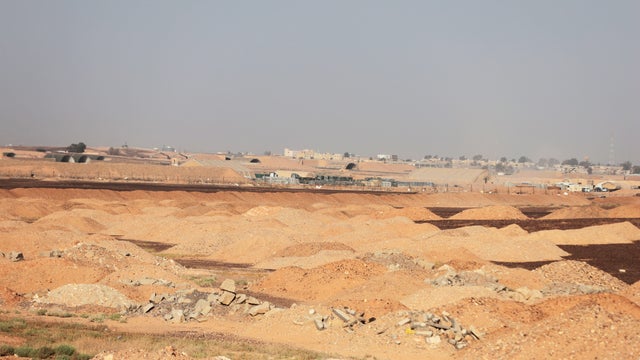
Ukrainian President Volodymyr Zelenskyy's accusations of Russia helping Iran target U.S. troops are not the first.

President Trump spoke to journalists at the White House Correspondents' Dinner, months after an armed security breach led to the event's rescheduling and downscaling. The president offered jokes, insults and compliments to members of the press during the dinner.

After 13 consecutive nights of bombing, the U.S. paused strikes on Iran Friday night. Charlie D'Agata has the latest.
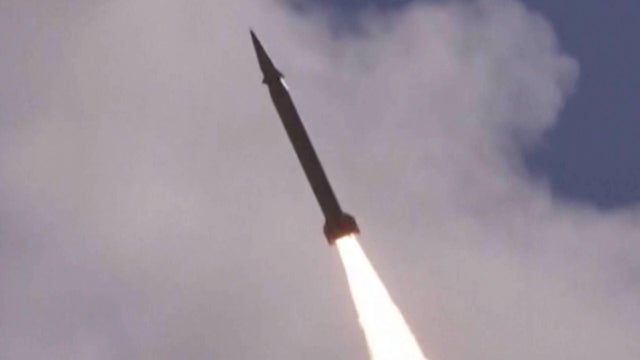
Since the Iran war began in February, Jordan has largely avoided the kind of onslaught Tehran has aimed at places like Kuwait, Bahrain and the United Arab Emirates. With recent attacks, and one that killed three U.S. soldiers, that's changed. CBS News senior national security correspondent Charlie D'Agata examines why.

Iran fired at U.S. military facilities in the Middle East on Friday as President Trump launched a 13th consecutive night of strikes against the country on Thursday. Samantha Vinograd has more.
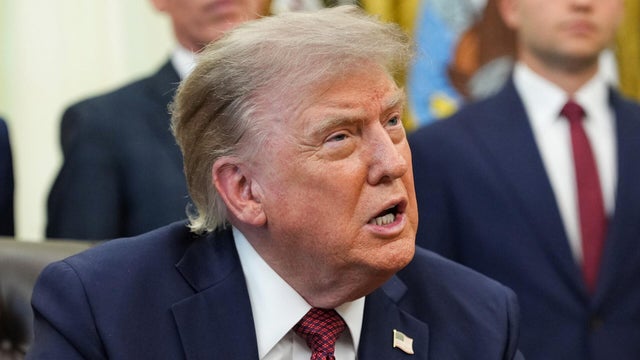
President Trump told reporters on Friday that although the U.S. is speaking with Iran after nearly two weeks of strikes, he doesn't think Tehran is yet prepared to reach an agreement. CBS News' Nikole Killion and Samantha Vinograd have the latest.

Members of the White House press corps are gathering again with colleagues and political leaders in Washington, D.C., on Friday night for the rescheduled White House Correspondents' Dinner after an attempted presidential assassin suddenly interrupted the original gala in April. CBS News' Nicole Sganga and Nikole Killion have the latest on security measures, President Trump's expected remarks and more.

Tight security in place for White House Correspondents' Dinner as Trump set to attend; new tariff threat strains relationship between U.S. and Canada.
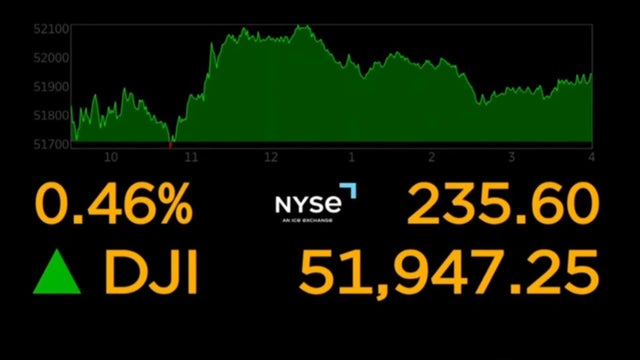
Stock markets closed mixed on Friday as the Iran war continues to upend energy prices. CBS News MoneyWatch correspondent Kelly O'Grady has more.
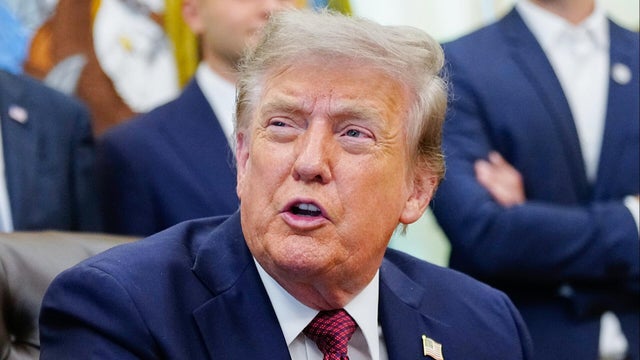
President Trump took questions from reporters the day after he seemed to upend a nuclear agreement with Saudi Arabia by adding a new condition: that the country join the Abraham Accords. CBS News White House reporter Olivia Rinaldi has the details.

President Trump said he is considering a "massive attack" on Iran as fighting ramps up. CBS News' Charlie D'Agata explains how a U.S. military attack on Iran could unfold.

The Senate failed to pass a resolution to limit President Trump's powers in the Iran war soon after the House passed a similar measure. CBS News' Taurean Small has more.

Some Trump administration officials are concerned the U.S. could deplete advanced weapons faster than they can be replaced as the Iran war continues. CBS News contributor Elliot Ackerman, a former CIA officer and Marine Corps veteran, weighs in.

President Trump says that the U.S.-Saudi nuclear deal is contingent on Saudi Arabia joining the Abraham Accords, which would require them to normalize diplomatic relations with Israel. CBS News' Michael George reports.
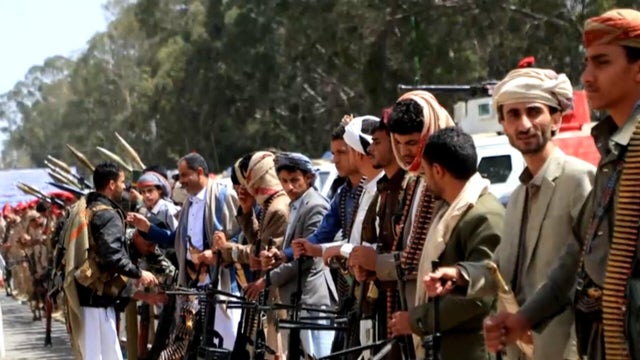
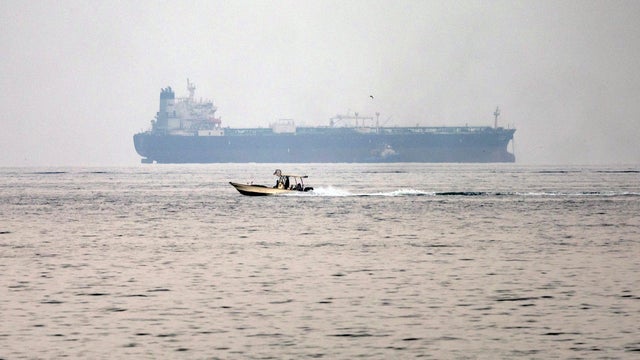
Trade routes are under escalating pressure as troubles continue in the Strait of Hormuz and Houthi rebels attack Saudi oil tankers in the Red Sea. CBS News' Courtney Kealy has more.

Some Trump administration officials are concerned about the rapid use of interceptor and precision-guided weapons in the Middle East, sources told CBS News. CBS News' Kathryn Watson has more.

As the U.S. builds up forces in the Middle East amid the ongoing war with Iran, there's concern among some officials that U.S. weapons may be getting depleted. It comes as President Trump has threatened new escalations and as the U.S. and Iran continue to trade strikes. Charlie D'Agata reports.
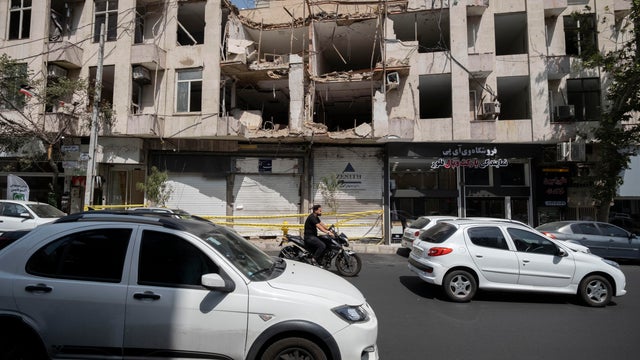
The U.S. moves more refueling planes to the Mideast and adds medics at a major military hospital as the war with Iran spreads to another key waterway.

The U.S. military is expanding its presence in the Middle East with the arrival of new equipment, as sources say concerns are growing within the Trump administration over rapid use of defensive interceptors and long-range missiles. Charlie D'Agata reports.