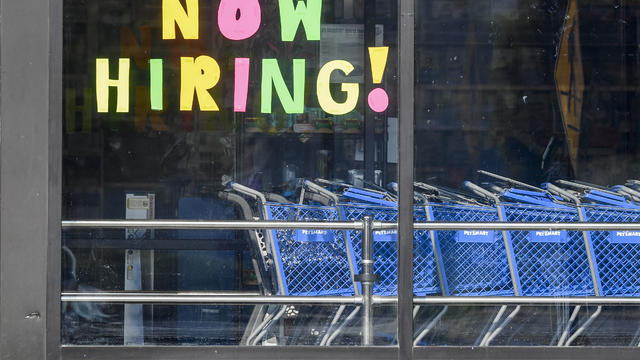
There are 11 million open jobs. Why are 9 million unemployed?
The disconnect between job openings and the ranks of the unemployed is something of a "big mystery," one economist says.
Watch CBS News
The disconnect between job openings and the ranks of the unemployed is something of a "big mystery," one economist says.

A manufacturing plant in Caledonia, Minnesota, that's partially owned by Major League Baseball is shutting down. The closure will move dozens of jobs out of the state, with most going to China. Kris Van Cleave has more.
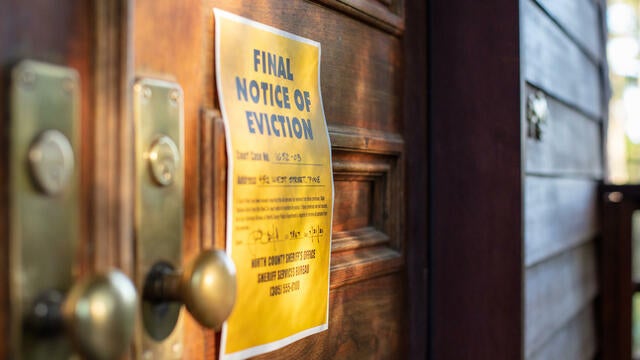
The U.S. could see a wave of evictions after the Supreme Court rejected the Biden administration's moratorium. Nikki Battiste reports.
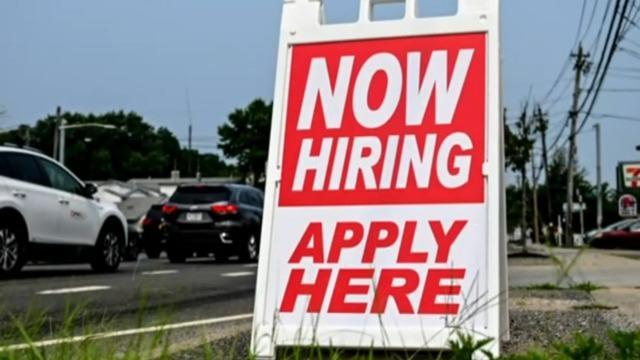
Federal unemployment benefits will end September 6, leaving more than 7.5 million Americans without the aid. CBS News reporter Sarah Ewall-Wice joins CBSN's "Red & Blue" host Elaine Quijano to discuss what this means for the economy and the millions of people still out of work.

A new report from the Atlantic Council details the devastating economic and societal toll of extreme heat in the U.S. The think tank estimates more than 59,000 people could die from heat every year by 2050 if climate trends go unchanged. CBS News climate and energy reporter Cara Korte joins CBSN's Lana Zak to discuss.
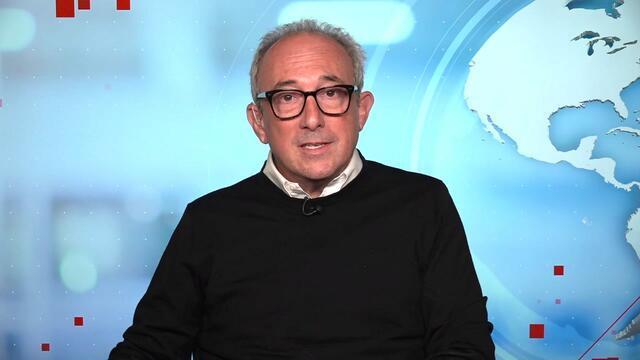
A global vaccine certification could restore international travel, but variants pose challenges. Dr. David Agus explains his colleagues' proposal to coordinate vaccine standards.

After women found their jobs hit particularly hard by the pandemic, many have turned to app-based delivery work to start earning paychecks again. Axios business reporter Erica Pandey joins CBSN AM to talk more about the trend.

Landlords who aren't receiving rent payments during the pandemic are feeling the squeeze. Mola Lenghi meets one landlord who is functionally homeless and can’t evict her tenants who are behind on rent.
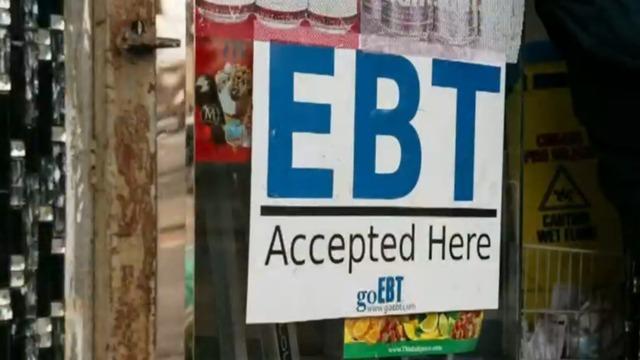
The Biden administration is overhauling food stamps by putting in place a permanent increase in grocery benefits, providing a 27% bump in aid that marks the largest-ever increase for the program. CBSN's Elaine Quijano reports.
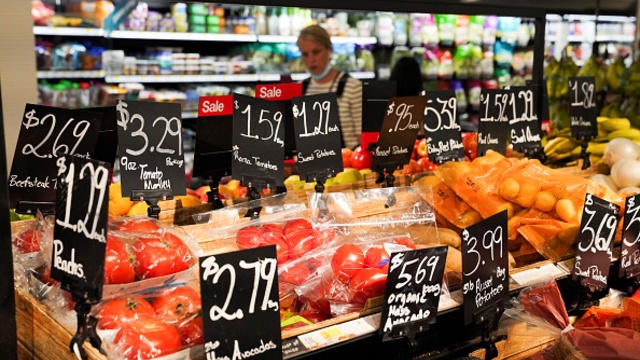
Consumer prices in the U.S. rose in July, according to the U.S. Labor Department. However, the increase was the slowest rise in six months. Liz Ann Sonders, chief investment strategist at Charles Schwab, joined CBSN's Michael George to discuss what this increase means for the health of the economy.
The Department of Labor reported that U.S. jobless claims dropped for the third week in a row. It signals the American economy is strengthening but economists are still concerned about the impact from the rising COVID-19 cases. Axios markets reporter Courtenay Brown joins CBSN's "Red & Blue" to discuss.
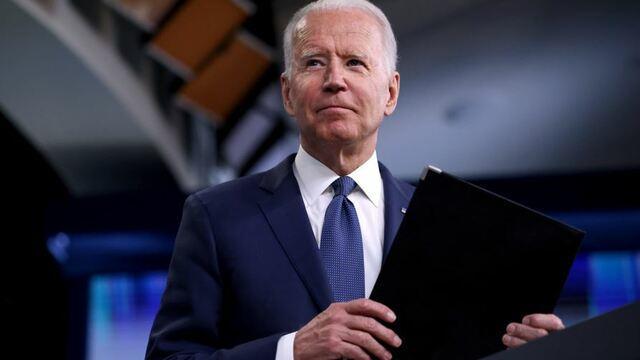
The Food and Drug Administration's expected decision to authorize a third coronavirus vaccine dose comes as the White House intensifies its push to vaccinate more Americans and a growing surge in COVID-19 cases. CBS News senior White House correspondent Weijia Jiang joins CBSN to discuss this and other headlines from the administration.
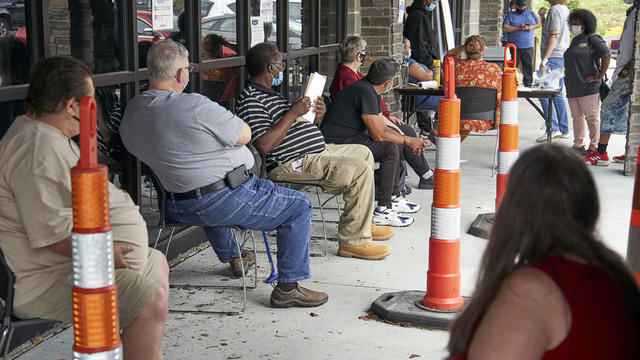
A family of six is scared they’ll be homeless after Iowa was one of several states to cut extended unemployment benefits. Last April, the husband and wife were fired from their jobs after following doctor's recommendation to quarantine due to an underlying condition. Mark Strassmann reports.
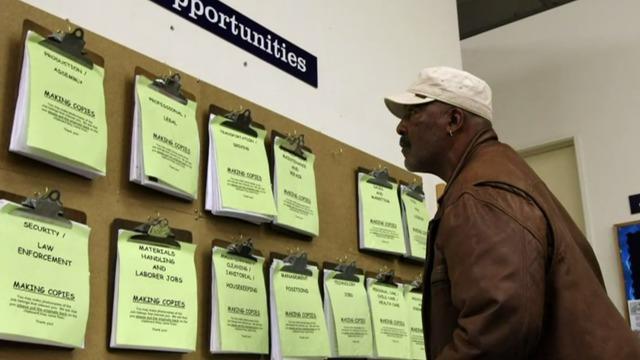
375,000 people filed first-time unemployment during the week ending August 7, a sign that the economy is strengthening. Mark Hamrick, senior economic analyst for BankRate, joins CBSN's Tanya Rivero to discuss what the numbers mean.
About 4.2 million gig workers receiving Pandemic Unemployment Assistance will lose their benefits after September 6, according to analysis from the Century Foundation. Gig workers are typically considered self-employed and don't usually qualify for traditional unemployment aid. CBS MoneyWatch reporter Aimee Picchi joined CBSN's Elaine Quijano to discuss.
The Senate is struggling to wrap up work on President Biden's bipartisan infrastructure bill after hitting roadblocks on proposed amendments. Meanwhile, the Labor Department reported the U.S. added 943,000 jobs in July. CBS News senior White House correspondent Weijia Jiang joined CBSN to discuss the news from Washington.
July's jobs report beat expectations with almost a million new jobs added last month. The unemployment rate fell to 5.4%. Michael Gapen, Barclays' chief U.S. economist, joined CBSN to discuss.
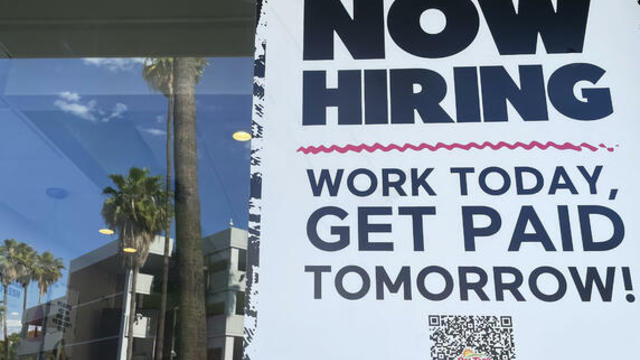
July's jobs report beat expectations. The U.S. added 943,000 jobs, and the unemployment rate fell to 5.4%. Diane Swonk, chief economist at Grant Thornton, spoke with Anne-Marie Green and Vladimir Duthiers on CBSN about what this means for the economy and about a survey that shows more Americans would take a pay cut in order to be able to work from home permanently.

The August 4, 2020 explosion at a Beirut port killed more than 200 people and destroyed swathes of the capital in one of the world's largest non-nuclear blasts. CBS correspondent Imtiaz Tyab follows up with victims who are still traumatized by the event itself and the lack of answers over a year in which the country fell into economic ruin.

Treasury Secretary Janet Yellen traveled to Atlanta on Wednesday to promote the Biden administration's economic agenda. It was Yellen's first official domestic trip since being appointed to Mr. Biden's Cabinet. Her visit came as a bipartisan infrastructure bill makes it way through the Senate. CBS News reporter Sarah Ewall-Wice joins CBSN's "Red & Blue" host Elaine Quijano with more.
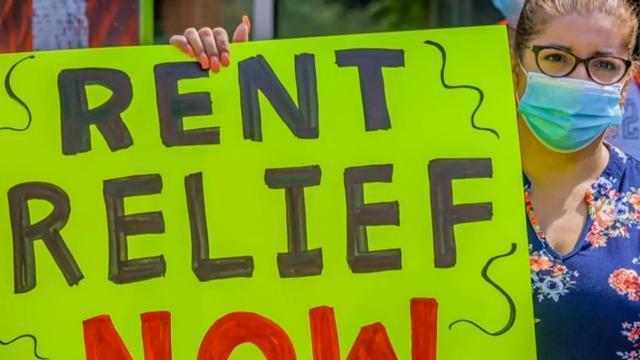
As the White House prepares to roll out another moratorium on evictions, billions of dollars of federal rental assistance funds remain unspent. Shamus Roller, executive director of the National Housing Law Project, joins CBSN's "Red & Blue" anchor Elaine Quijano to discuss some of the challenges that are delaying the dispersal of federal aid to Americans in need and how the government is trying to buy renters more time.
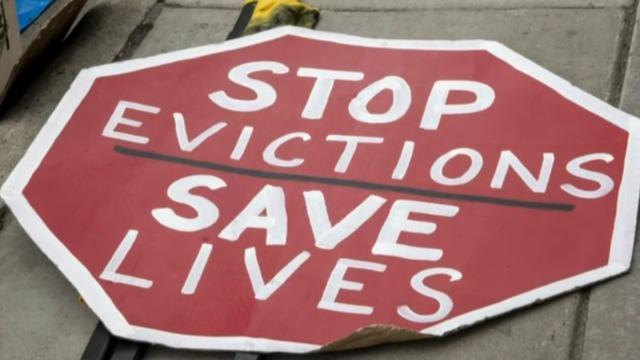
Millions of Americans are at risk of being evicted from their homes after the federal moratorium on evictions expired over the weekend. Diane Yentel, president of the National Low Income Housing Coalition, joins CBSN to discuss why nearly $47 billion in emergency aid has been slow to reach renters.
Missed the second half of the show? The latest on the Delta variant's effect on the economy, worldwide COVID vaccines, and Israel's booster shots.
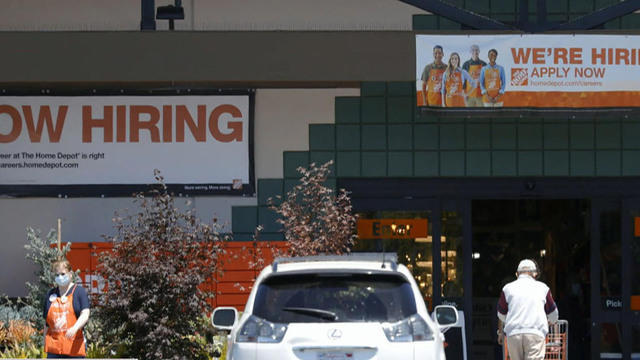
Twelve states cut unemployment aid about three months before federal benefits expire in September. It was part of an attempt to boost hiring, but a new report by Gusto says states that cut benefits early saw their employment headcount grow 11.6% on average compared to 11.2% in states that kept the benefits. CBS MoneyWatch reporter Aimee Picchi joined CBSN to discuss.

A toxic red tide has killed 1,000 tons of sea life and made it hard for humans to breathe along Florida's Gulf Coast, just as the economy recovers. Senior environmental correspondent Ben Tracy takes an up-close look at the devastation and how climate change may be contributing to the problem.