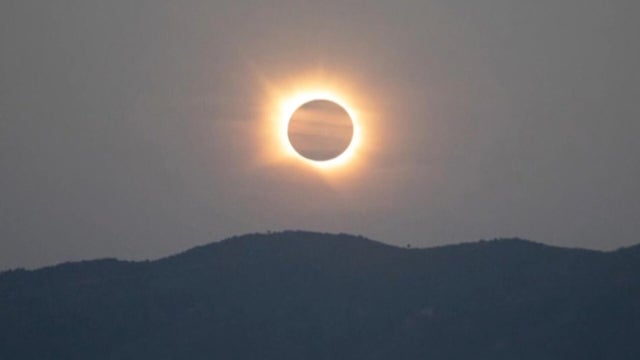
Solar eclipse brings total darkness in Europe
A total solar eclipse brought darkness to parts of Europe, the only time the phenomenon will be visible to humans in 2026. CBS News' Rob Marciano has more on the stunning moments.
Watch CBS News
A total solar eclipse brought darkness to parts of Europe, the only time the phenomenon will be visible to humans in 2026. CBS News' Rob Marciano has more on the stunning moments.
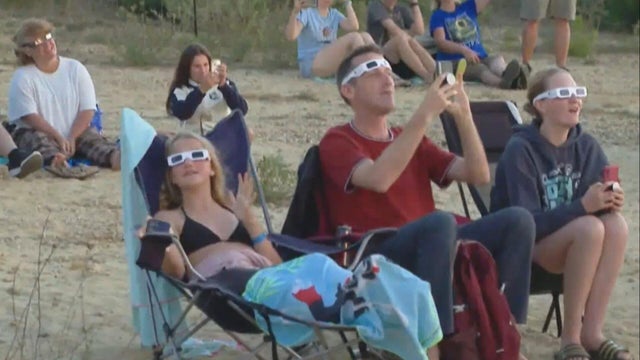
A total solar eclipse was visible in parts of Europe for the first time since 1912. Rob Marciano reports.
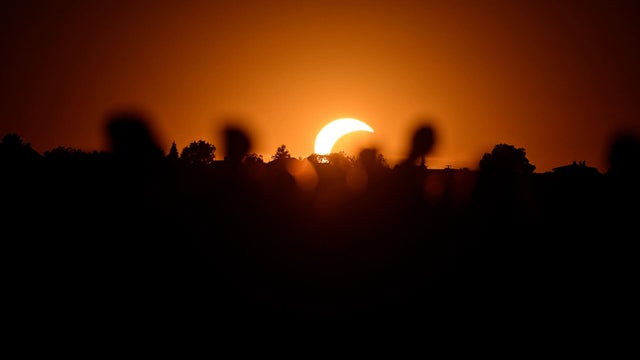
On August 12, 2026, a total solar eclipse awed onlookers throughout Europe, including in Spain and the United Kingdom.
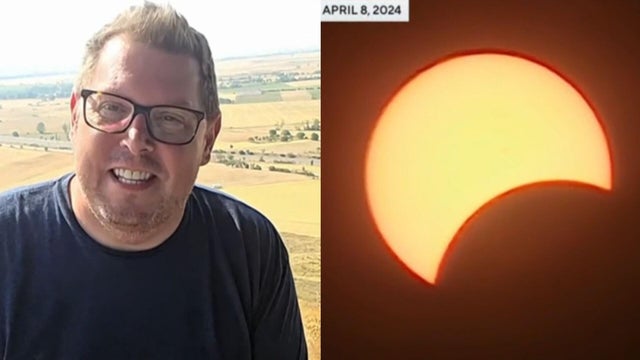
Western Iceland and northern Spain were on the path of totality for a peak eclipse experience on Wednesday. Chris Orion, an eclipse chaser, joins CBS News to discuss from Sasamón, Spain.
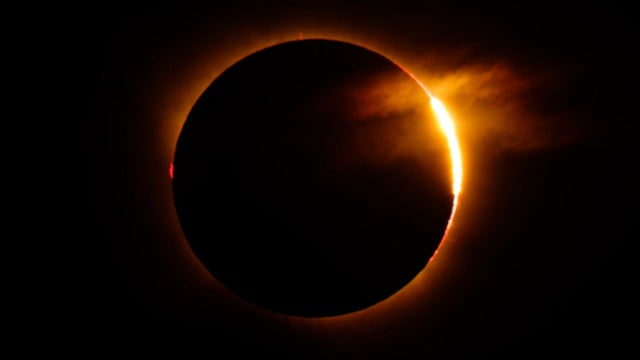
A total solar eclipse turned day into night across a slice of Europe and North America on Wednesday, and put millions in unique contact with the heavens above. Meteorologist Rob Marciano reports from Spain.
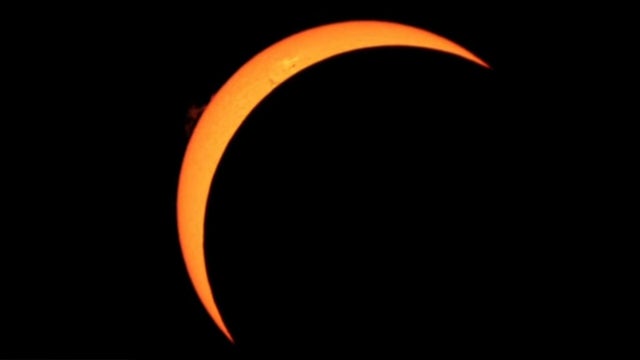
The moon passed in front of the sun, blocking its light for a total solar eclipse over parts of Europe on Wednesday. CBS News national weather correspondent Rob Marciano paints a picture from Mallorca, Spain, and Brian Gold, who witnessed the eclipse, joins with his thoughts.
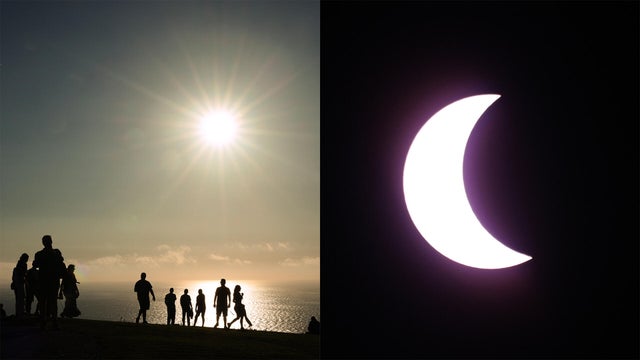
Europe on Wednesday experienced its first solar eclipse in nearly three decades. Lindsey Reiser anchored CBS News' special coverage.
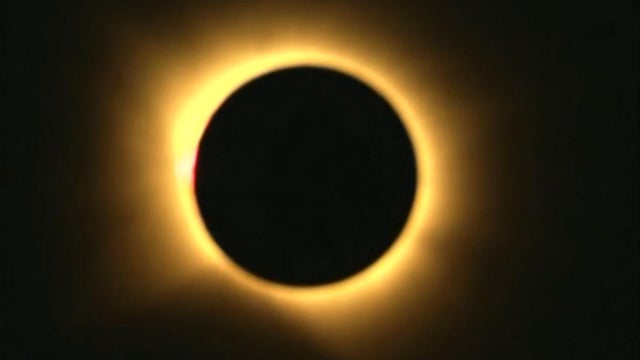
Europe on Wednesday saw its first total solar eclipse in 27 years. CBS News' Bill Harwood shares his thoughts on the event and Derrick Pitts, chief astronomer at the Franklin Institute in Philadelphia, joins to discuss.
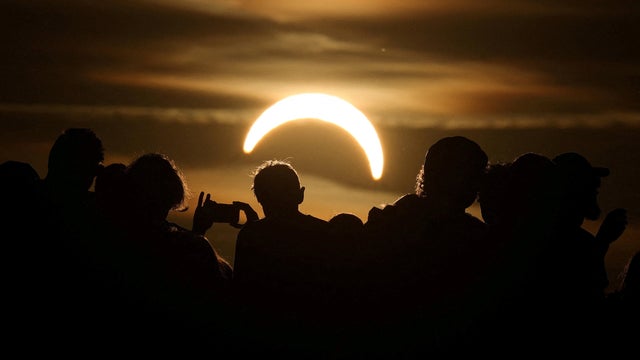
The only total solar eclipse of 2026 crossed the Northern Hemisphere Wednesday, with a path of totality across parts of Greenland, Iceland and northern Spain. See photos and video from the best viewing locations.
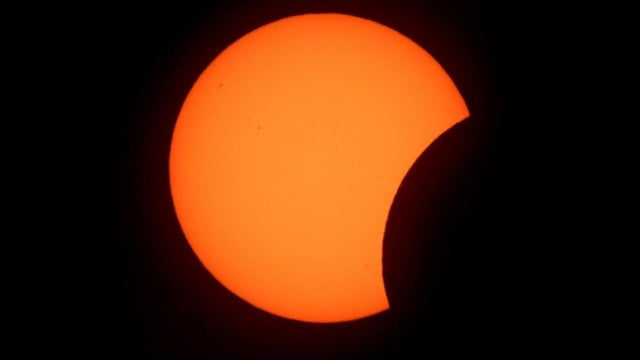
Europe saw its first total solar eclipse in 27 years on Wednesday. CBS News' Rob Marciano was in Mallorca, Spain, for the moment of totality and spoke with some of the people who saw it.
The Perseid meteor shower will peak during 2026's only total solar eclipse. Director of astronomy at Adler Planetarium, Dr. Geza Gyuk, explains why the eclipse is so special.
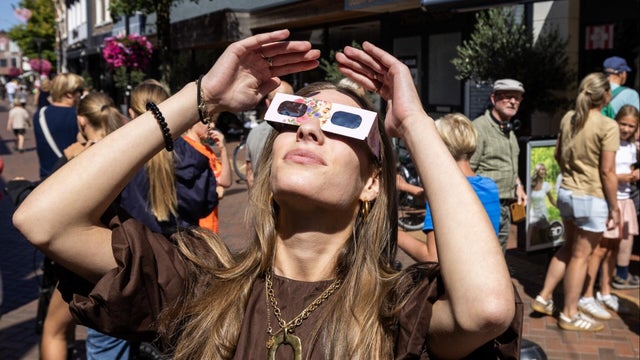
CBS News meteorologist Rob Marciano explains what to know about the only solar eclipse happening this year. Parts of Europe will experience totality, while some U.S. states will see a partial eclipse.
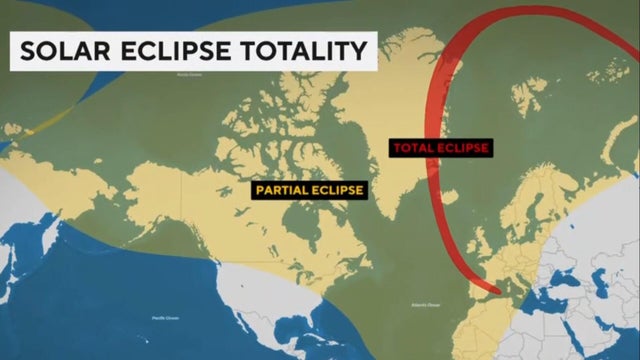
More than 20 states will get a glimpse of a partial eclipse on Wednesday when the moon slips in front of the sun. Scientists expect the best views in Alaska, but many Americans looking to catch the full show are traveling overseas to experience the total solar eclipse. University of San Francisco astronomy professor Andrew Fraknoi joins CBS News to discuss.
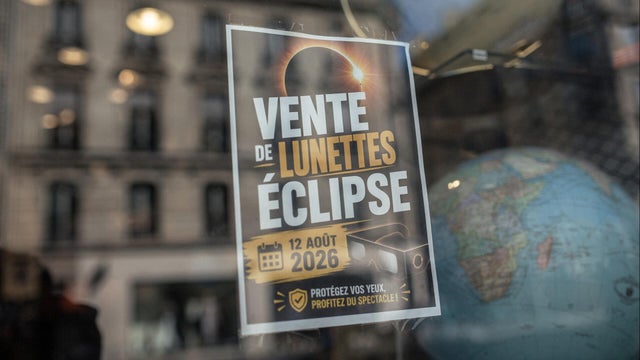
Derrick Pitts, chief astronomer at the Franklin Institute in Philadelphia, joins "The Daily Report" to break down what to expect from the solar eclipse on Wednesday.
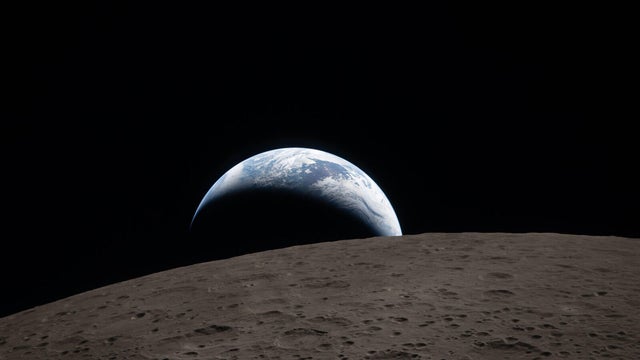
The astronauts aboard Artemis II are the first humans to see some parts of the far side of the moon with the naked eye.
The Artemis II crew observed a total solar eclipse on Monday night while making its way back to Earth. Former NASA astronaut Terry Hart joins CBS News with his reaction.
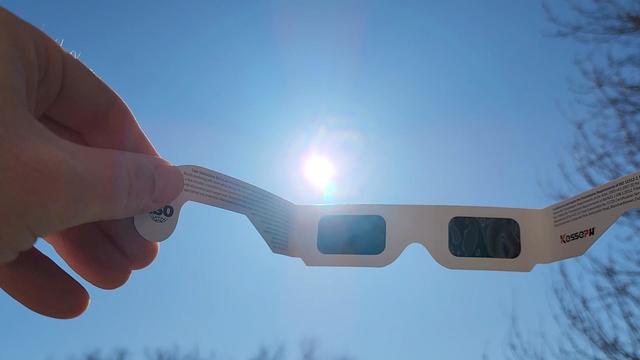
The next solar eclipses where parts of he continental U.S. will experience totality won't be until 2044 and 2045.

As Americans wait for the next chance to see a total solar eclipse from the U.S., here's a look back at the 2024 event.
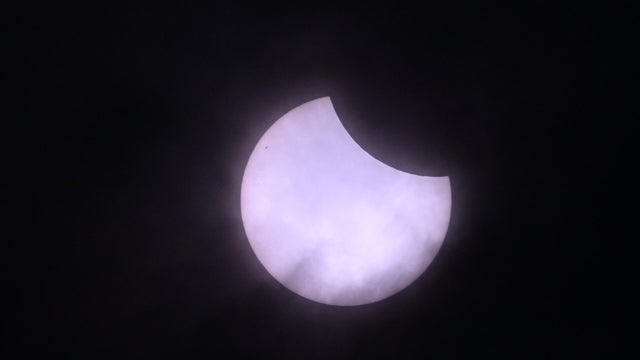
During the partial solar eclipse, the moon passed in front of the sun and cast a shadow on parts of the Northern Hemisphere.
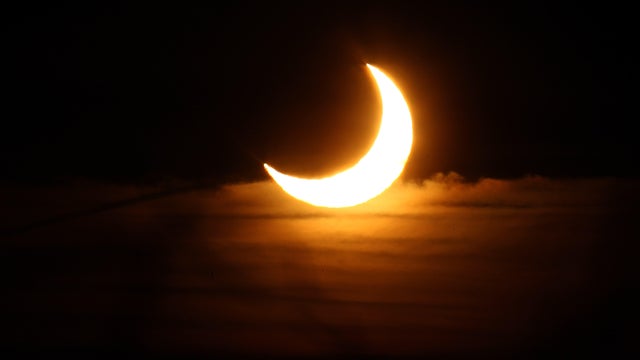
Astronomy fans figuring out where and what time to see the March 29, 2025, partial solar eclipse can check out a map from NASA.
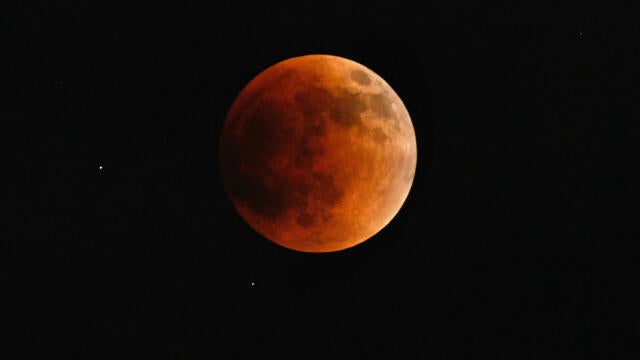
There was an opportunity Thursday night to catch the March 2025 "Blood Moon," a phenomenon that colors the full moon in shades of red, orange and yellow during a total lunar eclipse.
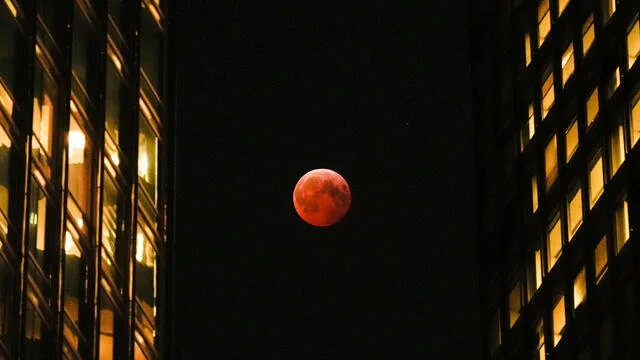
Pictures of the "Blood Worm Moon," a total lunar eclipse, show the full moon looking red in the night sky.
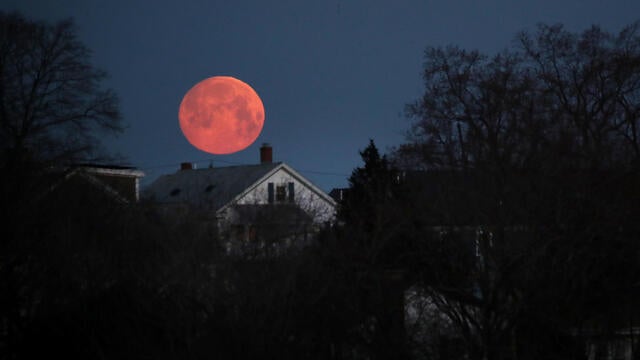
Viewers across North America will get to enjoy a full Blood Worm Moon during a total lunar eclipse on March 13 into March 14.

Images from the eclipse, the Olympics in Paris and the attempted assassination of President-elect Donald Trump in Butler, Pennsylvania, stand out among the most impactful captured moments of the year. Jeffrey Henson Scales, a photography editor at The New York Times, joins CBS News with his team's top picks of the year.

Skywatchers can mark the calendar with a busy lineup of celestial occurrences in 2025.