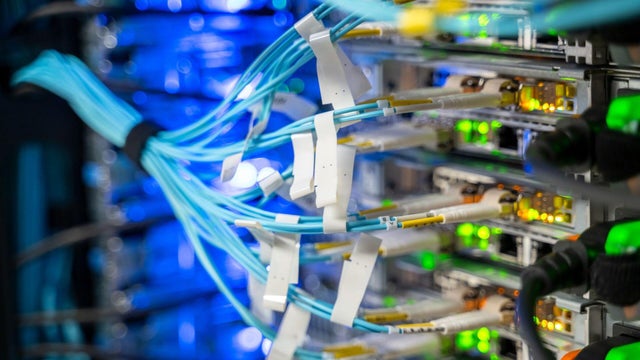
New info on CIA system hack
A recent cyberattack against the CIA did not disrupt any classified systems, an official tells CBS News. CBS News' Nicole Sganga has more.
Watch CBS News
A recent cyberattack against the CIA did not disrupt any classified systems, an official tells CBS News. CBS News' Nicole Sganga has more.

The CIA was one of two U.S. spy agencies that were hit with a cyberattack on Tuesday. It came as a broader wave of tech problems still rattles the country. Nicole Sganga has more details.
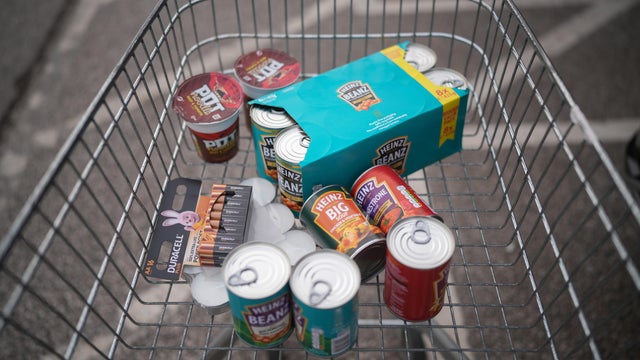
Amid tech glitches, cyberattacks and climate change, some European governments are urging people to prepare for days without access to basic necessities.

Secretary of State Marco Rubio addressed the string of tech-related outages that have hit many U.S. entities over the past week in a press conference on Tuesday, explaining that there is no evidence the events are related or that any of them were caused by a nefarious actor.

Less than a week after more than 20 European flights got fake bomb threats, hundreds of schools in Italy, the U.K. and Ireland were hit by similar hoaxes.
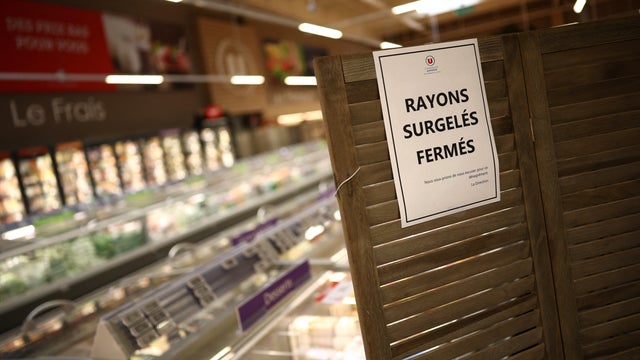
The Paris prosecutor's office says investigators have determined that a cyberattack on grocery store chains was "carried out to serve a foreign power — in this case, Iran."
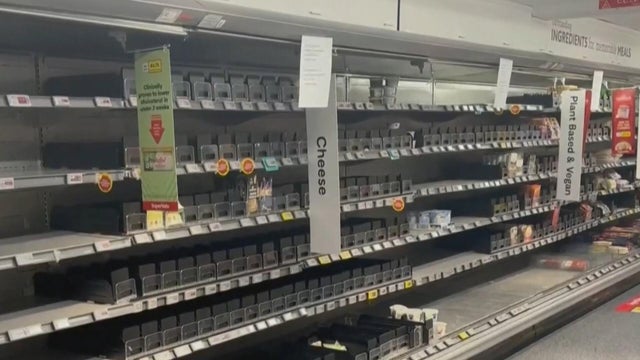
Authorities around the world are trying to find the source of a series of bomb threats and cyberattacks. Ramy Inocencio reports from Paris.

Italy's foreign minister said he was targeted because of his country's support for Ukraine.

Government agencies are warning that hackers could soon target refrigeration units across the agriculture and healthcare sectors in the U.S., CBS News' Charlie D'Agata reports.

The U.S. says it's aware of malicious actors targeting refrigerators and other industrial gear used to keep vital items cool. CBS News' Charlie D'Agata asked the U.S. Army about this urgent matter.

After a wave of attacks in Europe, U.S. officials are warning of "ongoing" cyber threats targeting refrigeration systems used in healthcare, agriculture and other industries.
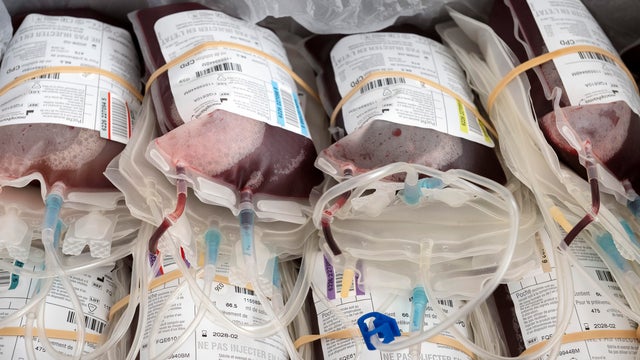
The cyberattack on several French blood banks comes after supermarkets across Europe reported their fridges and freezers were remotely taken over by hackers.

Large-scale hacks targeting grocery stores in Europe and France's blood banks are renewing concerns about the vulnerabilities of everyday "smart" devices.
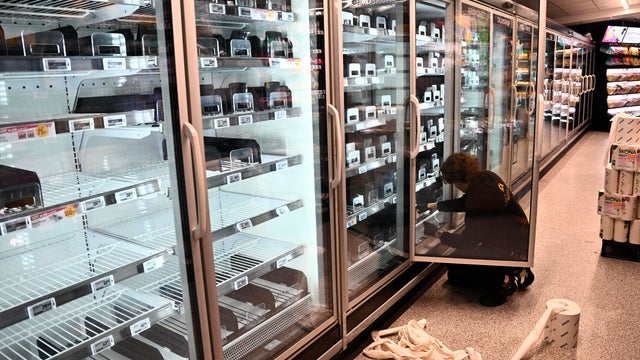
Grocery chains in European nations say temperatures in some stores' fridges and freezers soared over 100 degrees just weeks after a similar incident in France.
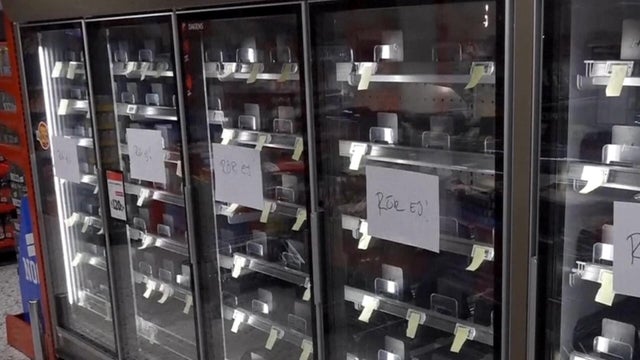
Grocery store chains across Europe are scrambling to re-stock shelves after a cyberattack left massive amounts of food spoiled. CBS news international reporter Inaya Folarin Iman has more.

Security experts are calling it the "largest bank robbery in human history." Getting all of the stolen crypto funds won't be easy.
The draft of an artificial intelligence safety bill that Anthropic quietly pitched to lawmakers would allow the federal government to block AI tools only if they kill or injure at least 50 people, or cause at least $1 billion in damages. Nate Soares, executive director of the Machine Intelligence Research Institute, joins with analysis.

Researchers at OpenAI have found a bug that puts up to 70% of the world's websites at risk. Robert McMillan, the reporter who broke the story for the Wall Street Journal, joins CBS News with the details.

Thanks to OpenAI, security researchers found a bug in a programming language used across the internet. It is estimated that around 70% of websites use PHP and are now vulnerable to attacks. Juan Andrés Guerrero-Saade, vice president of intelligence and security research at SentinelOne, joins "The Takeout" to break down the situation.

American Stephen Hubbard released by Russia after four years of wrongful detention; special envoy Steve Witkoff meets with Putin in Moscow.

More than 80% of ransomware victims claim cybercriminals used artificial intelligence to carry out attacks, according to a new report from cybersecurity firm Semperis. CBS News' Nicole Sganga reports.
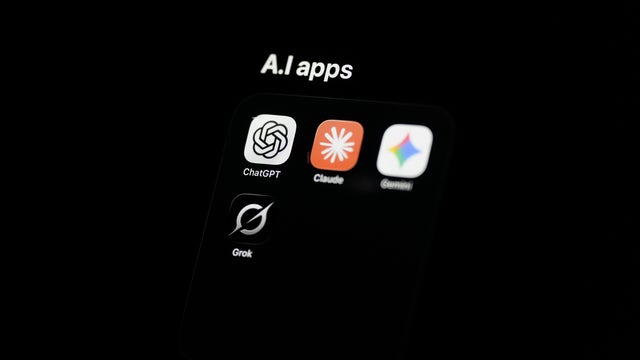
Amid escalating threats to businesses, former White House cyber chief warns autonomous attacks are already here.

Anthropic is warning that small artificial intelligence models could soon spread themselves from one internet-connected device to another, including smart TVs and cameras. Jonas Guan, an AI researcher at the University of Toronto, joins to discuss.

Anthropic is warning that your home devices could soon be infested by what they're calling artificial intelligence worms. Jordan Rae Kelly, senior managing director and head of cybersecurity at FTI Consulting, joins "The Takeout" to discuss.
The cyberattack caused refrigerators to shoot up in temperature in hundreds of stores, sparking fires and forcing spoiled food to be thrown away.