August CPI report could spark the Fed's first rate hike in over 3 years
Friday's August CPI report could set the stage for the Federal Reserve's first interest rate hike in more than three years.
Watch CBS News
Friday's August CPI report could set the stage for the Federal Reserve's first interest rate hike in more than three years.

When inflation rises faster than workers' wages, it feels like they're getting a pay cut. Companies, meanwhile, benefit.

Surging AI investment is pushing up the cost of smartphones and other gadgets, according to analysts. Here's why.

The CPI report was in line with economists' expectations, marking the second consecutive month with cooler price pressures.
Lower gasoline prices slowed inflation in June, though many household costs remained stubbornly high.
President Trump praised Walmart and said the lower prices are the result of "my Administration's request to celebrate our great Country's 250th birthday."
The Consumer Price Index rose last month at a 4.2% annual rate amid a spike in U.S. energy prices.
Inflation surged again in May due to high energy costs and supply constraints worsened by the Iran war. Madison Mills, a senior reporter at Axios, joins to discuss.
Household budgets are under increased pressure as new Consumer Price Index data shows inflation rose to 4.2%, the highest level since April 2023. The Federal Reserve will meet later in June to discuss interest rates. CBS News' Kelly O'Grady breaks it down.
Economists expect the Consumer Price Index this week to show U.S. inflation continuing to rise due to higher energy costs.
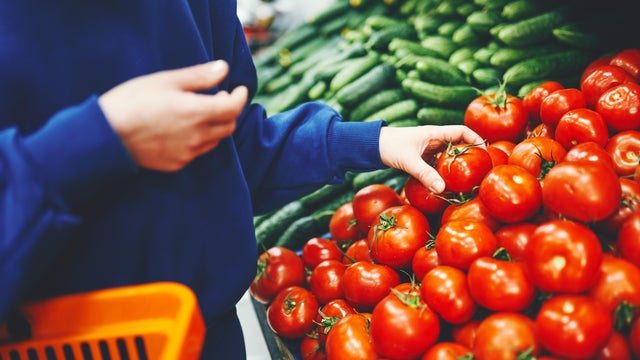
Experts point to several factors, from tariffs to weather, behind the rapid price increase in the humble tomato.
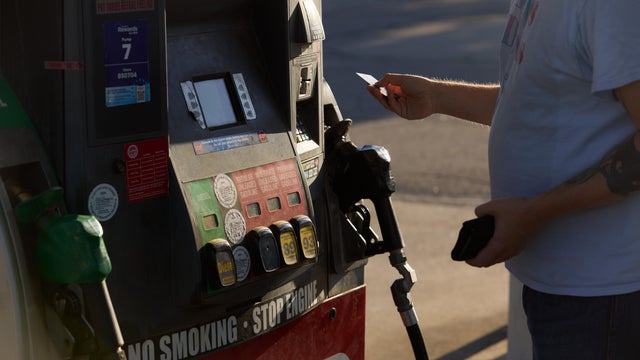
U.S. consumer prices rose in April, fueled by a spike in energy prices caused by the Iran war.
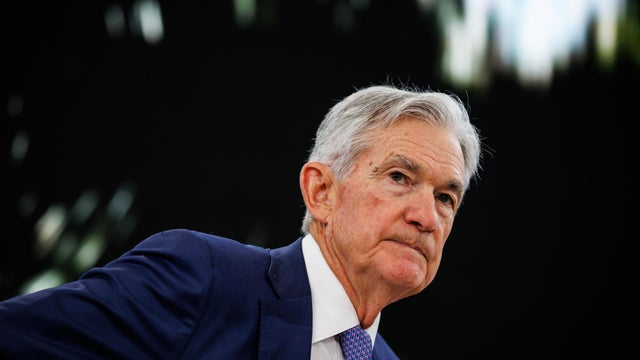
The Federal Reserve is contending with rising inflation amid the war and a lackluster job market, along with the departure of Fed Chair Jerome Powell.
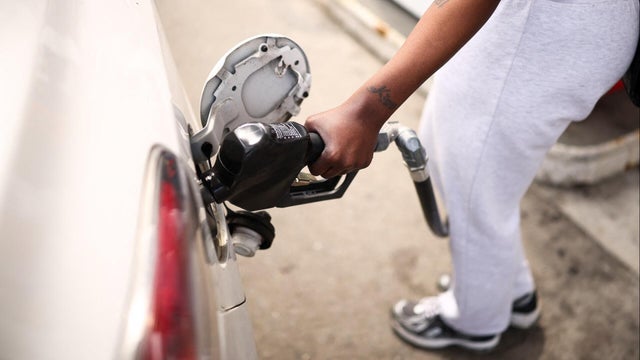
U.S. inflation surged in March, with the Consumer Price Index rising at a 3.3% annual rate due to the Iran war's impact on global energy costs.
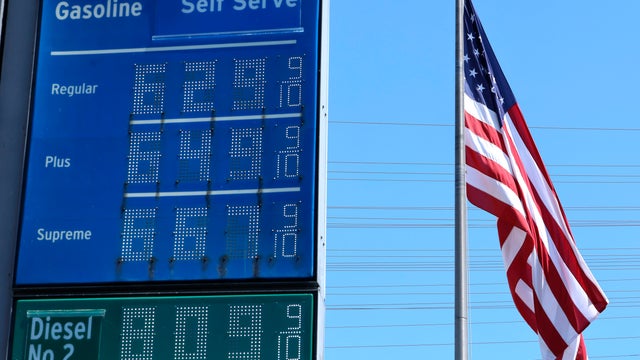
Inflation rose at an annual rate of 3.3% in March, driven by the sharpest monthly increase in gas prices since 1967.
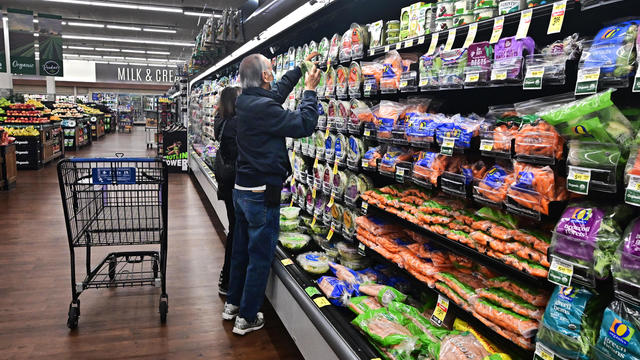
These charts track prices consumers pay for groceries and other goods now compared to five years ago.

Economic forecasts show that this week's March Consumer Price Index could show prices climbing at their fastest pace in nearly two years.
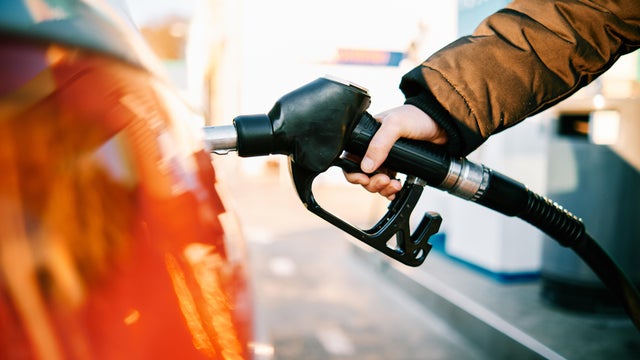
Every 1-cent increase in gasoline prices reduces consumer spending by $1.5 billion annually, one economist says.
The new Consumer Price Index released Wednesday shows inflation ticked up in February, but was in line with what experts expected. CBS News MoneyWatch correspondent Kelly O'Grady has more.

The inflation reading, the lowest since May 2025, shows grocery, gas and rent prices are cooling.
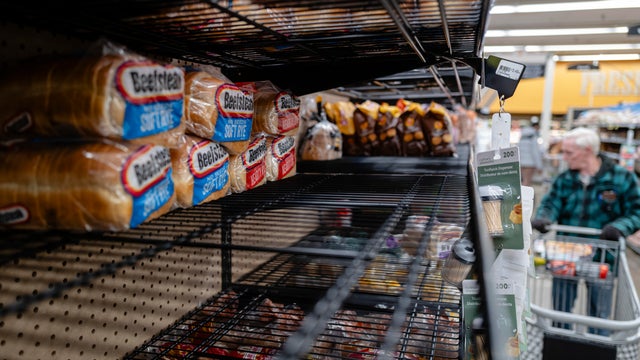
Inflation came in below economists' forecasts and slowed from December's 2.7% annual rate.
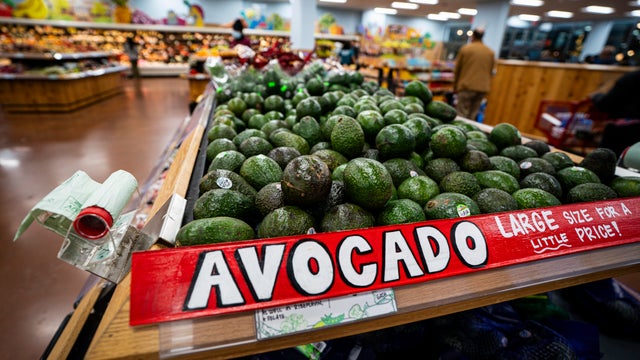
Although there are signs that inflation is starting to ease, consumers still face pressures from high food prices and other costs.
New Consumer Price Index data depicts there was no change in inflation rates from November through December of 2025. Sam Goldfarb, a markets reporter for The Wall Street Journal, has more.
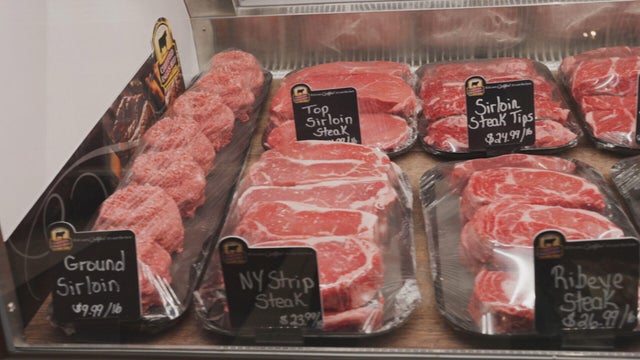
With higher prices for beef, customers are looking for alternatives.

As beef prices rise, small butcher shops are adapting to changing demand. Kelly O'Grady reports.