Sunday 9AM ET on CBS
11AM ET on the CBS News app
Sunday 9AM ET on CBS
11AM ET on the CBS News app
Watch CBS News
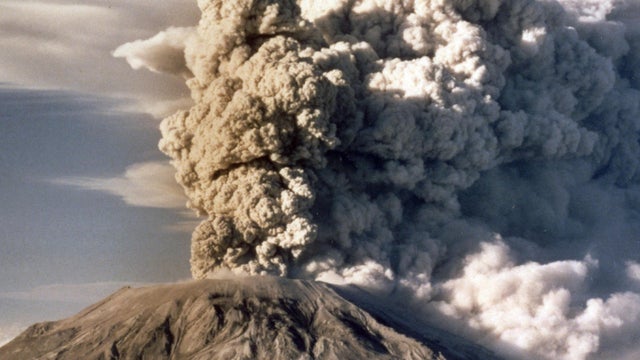
The Washington state blast was the largest volcanic event in U.S. history, killing 57 and triggering a debris avalanche that destroyed hundreds of square miles of forest
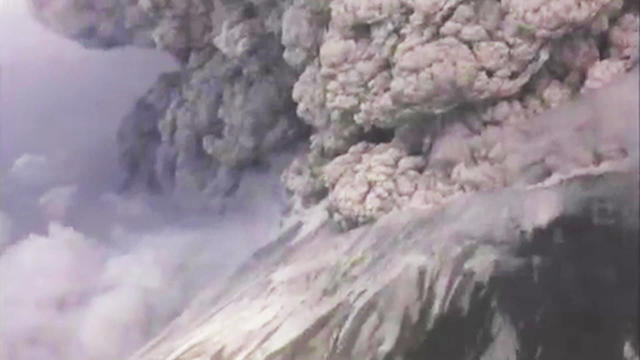
Forty years ago, on May 18, 1980, a volcano in Washington state erupted, killing 57 and triggering a debris avalanche that destroyed hundreds of square miles of forest. Correspondent Luke Burbank talks with Steve Olson, author of "Eruption: The Untold Story of Mount St. Helens," about the largest volcanic event in U.S. history.
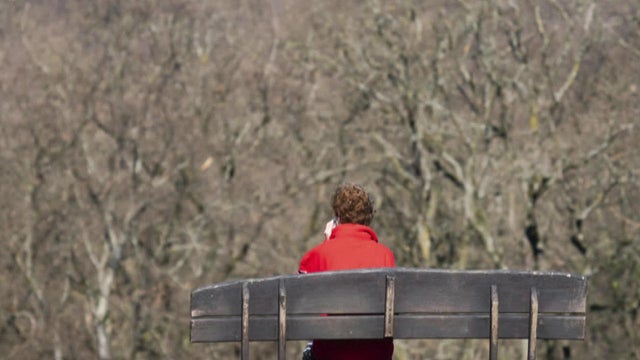
Humans are conditioned to thrive on social interactions, so how do we cope with self-isolation? With patience and creativity
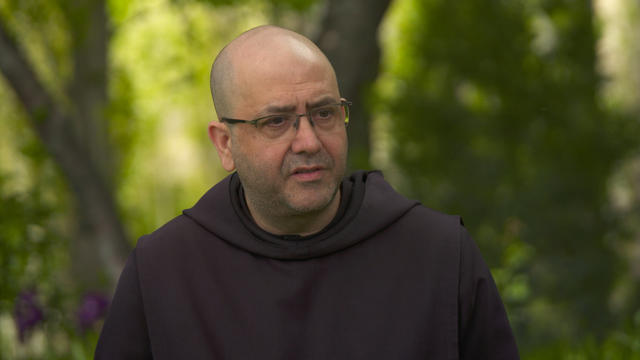
The forced isolation brought about by stay-at-home orders poses an unnatural state for human beings conditioned to thrive on social interactions, but our experience of being alone could just inspire a new way of living. Lee Cowan talks with professors of sociology and genomics, and with a Benedictine monk, about how to adapt to the stresses of this period of isolation, and explores how some people are coping via hobbies, such as sketching, baking or quilting.
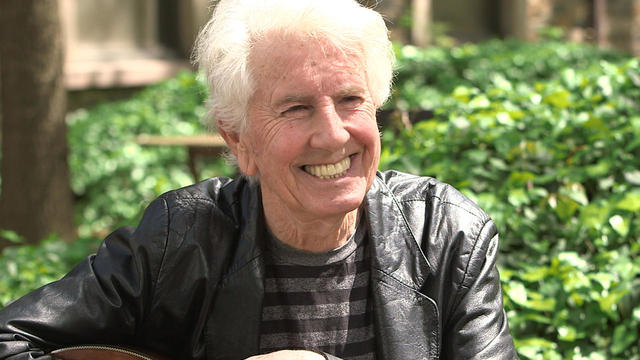
With his sold-out tour cancelled due to coronavirus, the singer-songwriter discusses socially isolating in New York City, and the best part of being 78 years old
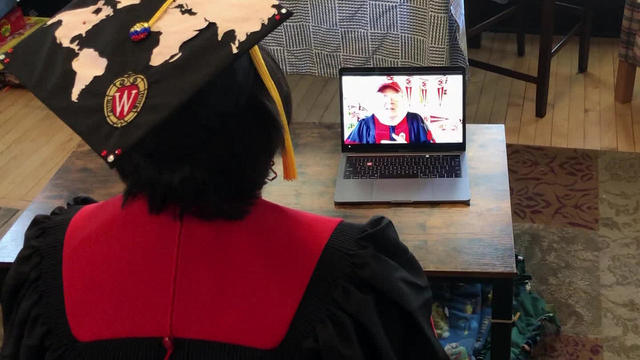
With time-honored rituals taken away from seniors and their families because of the pandemic, students respond to a defining societal event
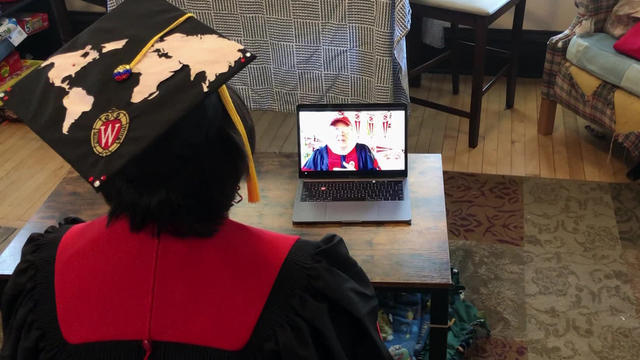
Rituals matter, and the time-honored rituals of a high school or college graduation have been taken away from seniors and their families because of the 2020 pandemic. Rita Braver talks with students and educators about how this generation is responding to a defining societal event.
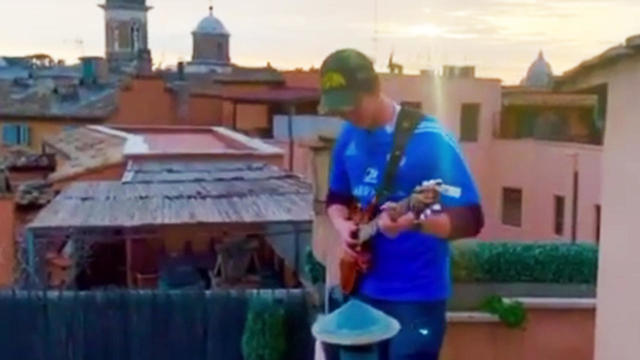
Quarantine has popularized a new venue for musicians and singers to bring communities together
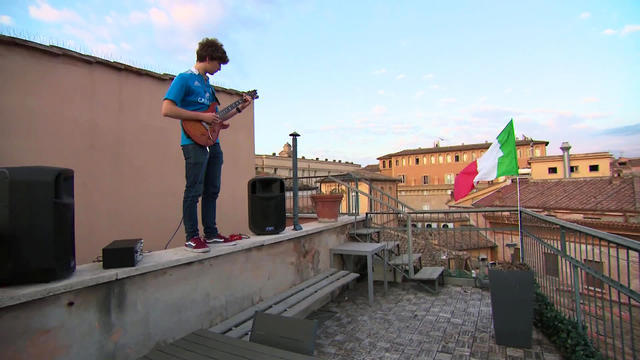
Quarantine has popularized a new venue for musicians and singers living under stay-at-home orders. Seth Doane reports how, in Italy for example, musical artists lacking a stage are making their balconies and terraces a platform for bringing communities together.
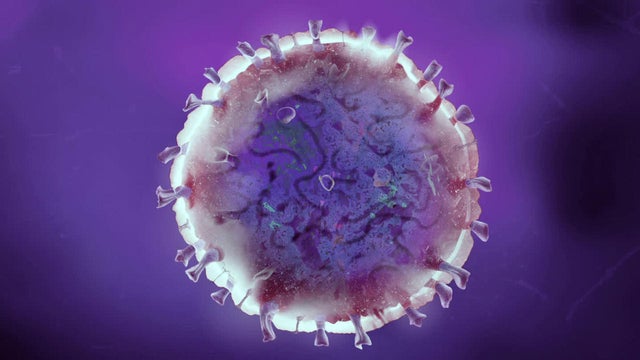
From bugs, tidal waves and violence to stockpiling toilet paper, reports of apocalyptic, frightening or just plain bizarre pandemic-driven nightmares are offering vivid subconscious reactions to these perilous times
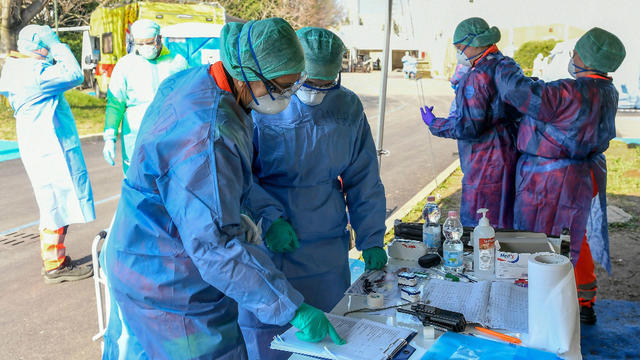
From tidal waves consuming New York City to toilet paper nightmares, reports of apocalyptic, frightening or just plain bizarre pandemic-driven dreams are everywhere. Correspondent Susan Spencer talks about anxiety-fueled dreams with Harvard psychologist Deirdre Barrett, who has collected thousands of pandemic dreams and nightmares as part of a study of our sleep-state responses to coronavirus; Mississippi State University professor Michael Nadorff; and poet Jackie Wang and artist Sandra Haynes, whose dreams have provided metaphorical stories of fear and triumph.
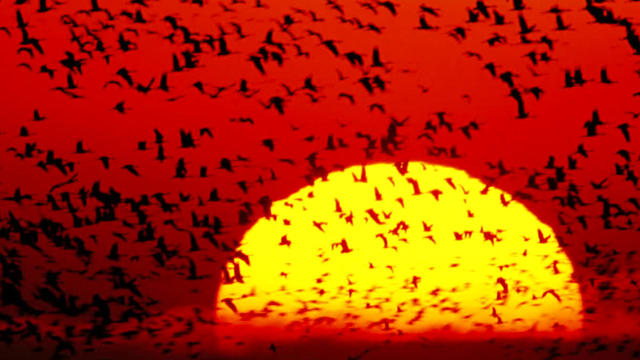
The National Geographic photographer says it took the shutdown from a terrible viral outbreak to give Mother Nature a break
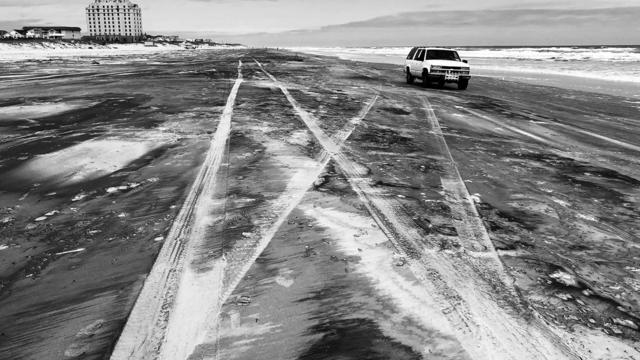
Photographer Lori Nichols captures the haunting desolation of empty New Jersey beach communities in inky black-and-white
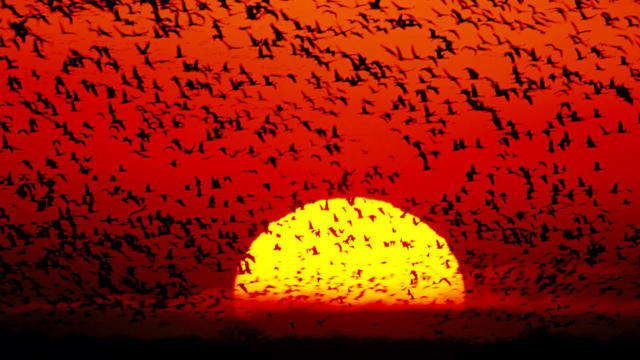
The National Geographic photographer notes that, in spite of the hardships created by coronavirus, life goes on in the natural world, with some of the pressures from mankind reduced – and also that people now have a chance to change their ways once the pandemic is over.
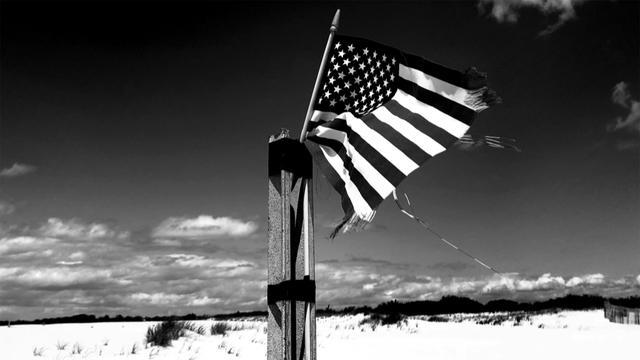
Summer on the beaches and boardwalks of New Jersey is a rite of passage for millions. But shortly before Memorial Day weekend, the beach communities sit quiet, due to coronavirus closures. "Sunday Morning" presents haunting black-and-white images by Lori Nichols, a staff photographer for NJ Advance Media.