Sunday 9AM ET on CBS
11AM ET on the CBS News app
Sunday 9AM ET on CBS
11AM ET on the CBS News app
Watch CBS News
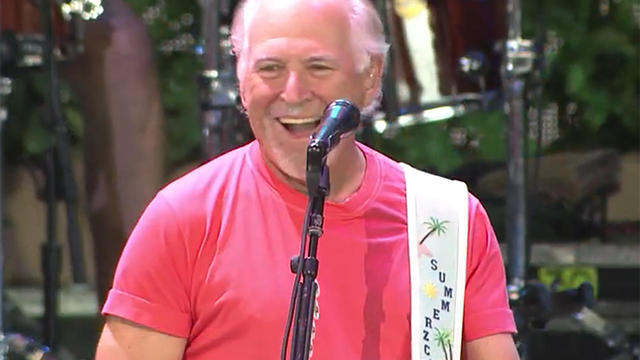
Bill Flanagan offers an appreciation of the "Margaritaville" singer-songwriter, a friend for whom everything was an adventure, and whose positive life force was directed towards giving his music fans a two-hour vacation.
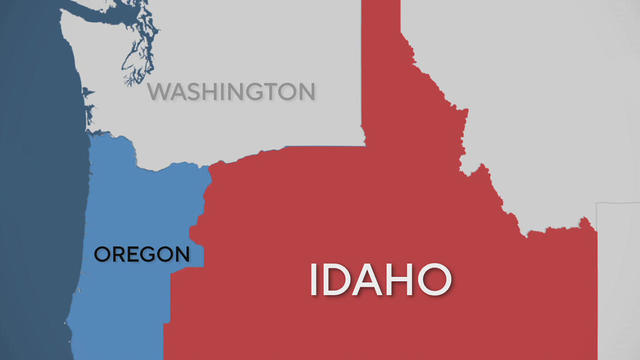
In a state dominated by progressive politics, some Oregonians east of the Cascade Mountains want to move the border so that their counties become part of Idaho, a more conservative state that more closely aligns with their values.
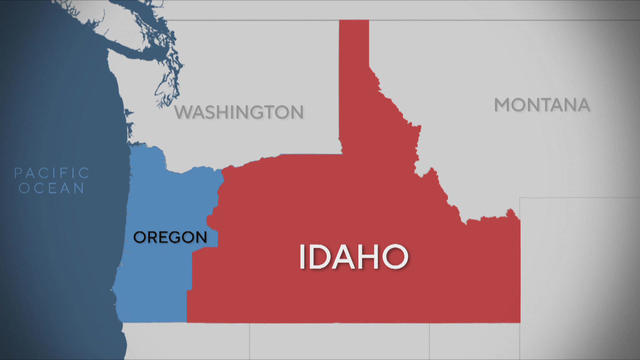
In a state dominated by progressive politics, some residents in rural Oregon east of the Cascade Mountains want to move the border so that their counties become part of Idaho, a more conservative state that more closely aligns with their values. Correspondent Lee Cowan returns to Oregon for an update on his story (originally broadcast Oct. 16, 2022), in which he talks with advocates of the Greater Idaho movement about why they believe the time is right for this "radical" idea.

We leave you this Sunday at the San Juan National Forest in Colorado. Videographer: Scot Miller.

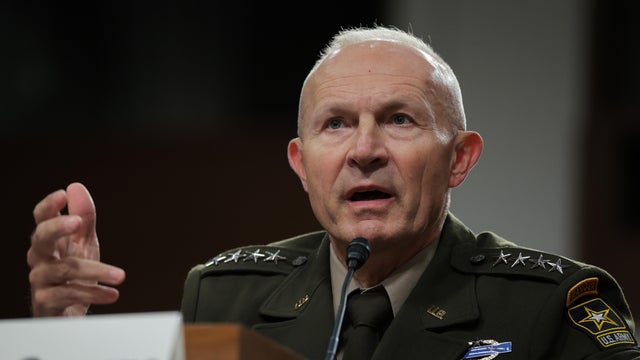
The retired four-star general says the political divisions tearing apart the very fabric of American society can be healed by bringing together young people for a common purpose.
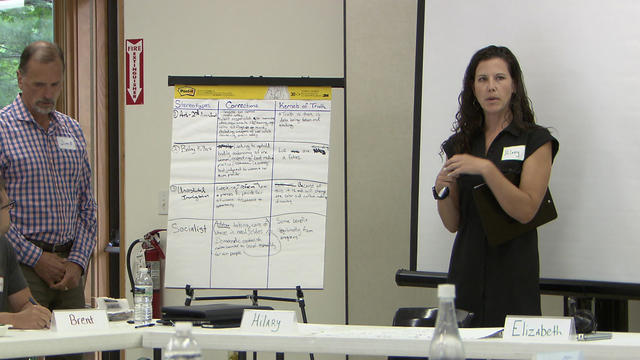
In an effort to help bridge the nation's political chasm, the non-profit Braver Angels uses a workshop approach analogous to a marriage counselor, to bring together red and blue. Correspondent Martha Teichner visits Traverse City in Michigan, a battleground state, where participants work to get over their fear of the other side, to find common ground – and even friendship. (Originally broadcast October 16, 2022.)
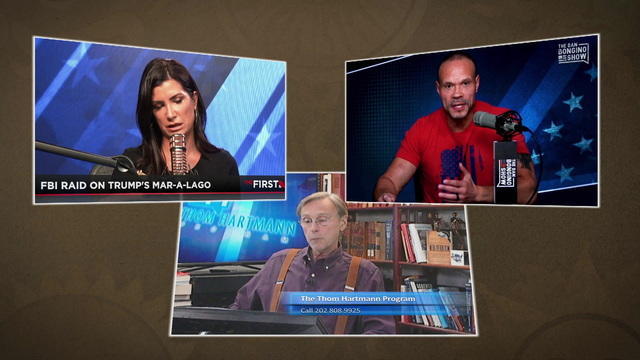
The repeal of the FCC's Fairness Doctrine in 1987 opened the floodgates for extreme partisanship on the airwaves, making commercial talk radio a landscape ripe for controversial opinions aimed at attracting listeners. Correspondent Jim Axelrod looks at how increasingly radical talk radio has unquestionably divided Americans and hardened our politics. (Originally broadcast October 16, 2022.)
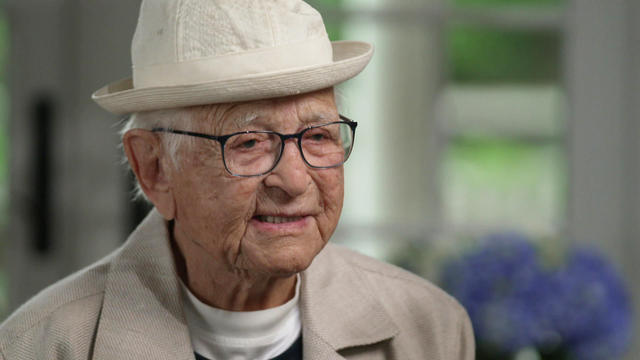
TV legend Norman Lear, whose credits include such hit series as "All in the Family" and "Maude," always managed to make audiences laugh about dangerous topics: Racism, sexism, bigotry, homophobia. And today, having recently turned 101, he's determined to find out if we'll still laugh together. He sits down with "Sunday Morning" senior contributor Ted Koppel to discuss his upcoming projects, including a possible remake of one of the most controversial sitcom episodes of all time. (Originally broadcast October 16, 2022.)

Online anonymity has made it easy, and depressingly common, to be nasty without fear of repercussions – a lack of restraint that psychologists call online disinhibition effect, or ODE. Correspondent David Pogue talks with experts who discuss why exchanges on the Internet can devolve into hateful, spiteful rages and name-calling that would never be socially acceptable when talking face-to-face. (Originally broadcast October 16, 2022.)
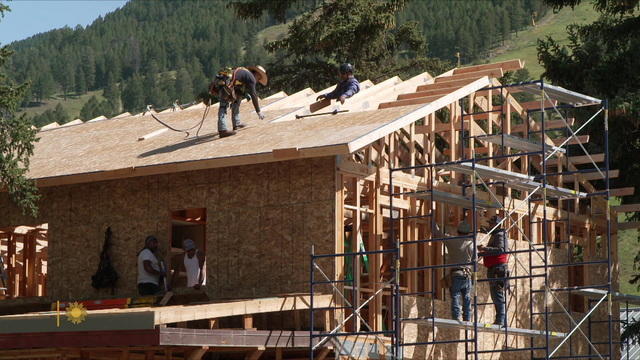
Teton County in Wyoming is home to the widest income divide in America, with a median house price of more than $5 million and an average income of $318,000. Correspondent Ben Tracy looks at how the wealthy, drawn to the state's picture-perfect settings, have been squeezing out the middle class – the very people needed to keep the community running. (An earlier version of this story originally aired October 16, 2022.)

Historian Jon Grinspan, a curator at the Smithsonian Institution, has studied how intense partisanship in the 19th century was driven by people feeling isolated, their lives unstable, feeding an aggressive, even violent political discourse. He talks with CBS News' John Dickerson about his book, "The Age of Acrimony: How Americans Fought to Fix Their Democracy, 1865-1915," and how our nation's ugly trends in politics have returned, from partisan news to the white supremacists' march in Charlottesville and the January 6 insurrection. (Originally broadcast October 16, 2022.)

Not everyone is interested in a white collar job or college degree (or in racking up student loan debt). "Sunday Morning" senior contributor Ted Koppel meets plumbers, apprentices and mechanics about their chosen professions, who talk about their blue collar work and how it's perceived by others. (Originally broadcast October 16, 2022.)
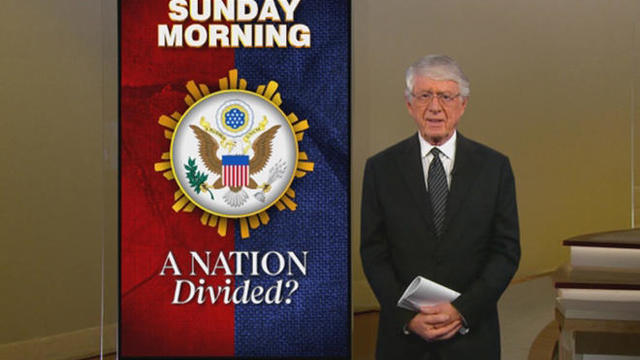
In this rebroadcast of the Emmy Award-nominated special edition hosted by Ted Koppel, we look at America – the things that are keeping us apart, and the many ways we can still come together.
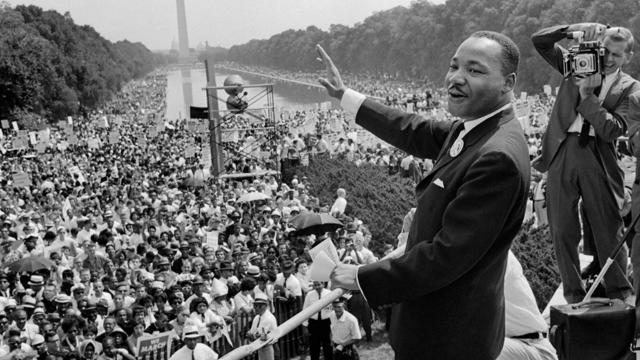
On August 28, 1963, Martin Luther King Jr. delivered his epic "I Have a Dream" speech. New York Times columnist Charles M. Blow reflects on the power of the speech, and on King's evolving views about addressing racism in America.

During this summer of record-breaking heat, no other bodily function is so essential yet so misunderstood. What exactly does excreting water through our skin do for us?