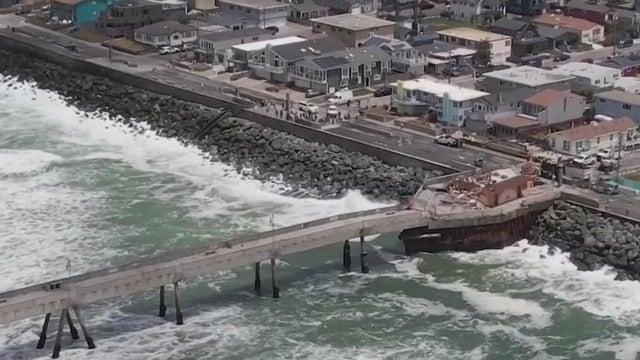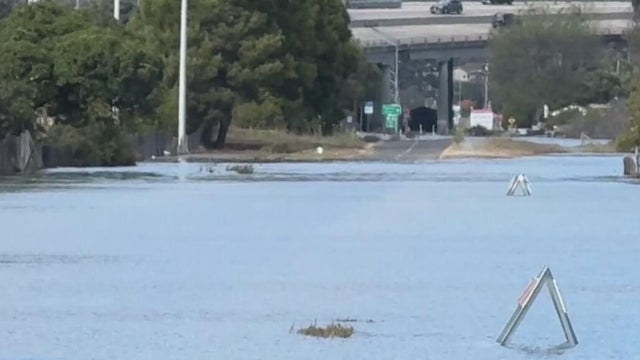
Cliff erosion along Pacifica coast keeping residents concerned
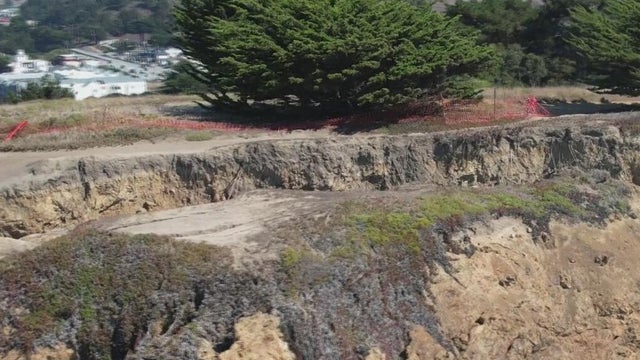
There are growing concerns that El Niño-powered waves will cause significant erosion to Pacifica's coastline. Kevin Ko reports.
Watch CBS News
There are growing concerns that El Niño-powered waves will cause significant erosion to Pacifica's coastline. Kevin Ko reports.
With the Bay Area facing the possibility of a destructive Super El Niño this winter, lessons from a previous El Niño may help residents prepare for what might be coming.
Anne Makovec reports.
Researchers project nearly half a million more heat-related deaths from June 2026 to February 2027 compared with a typical year, as a result of El Niño.
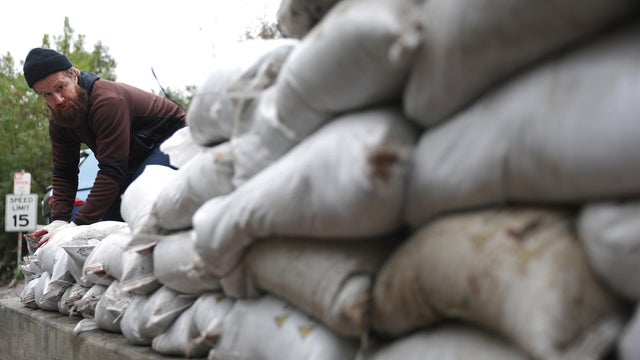
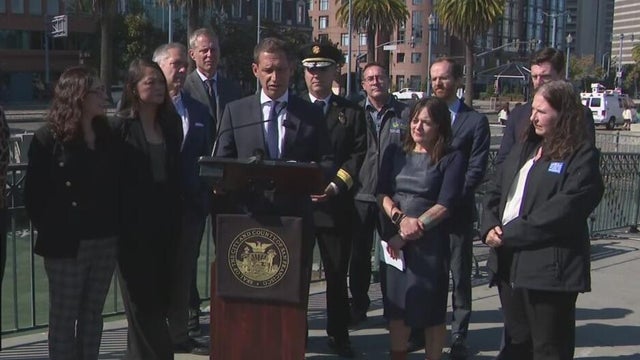
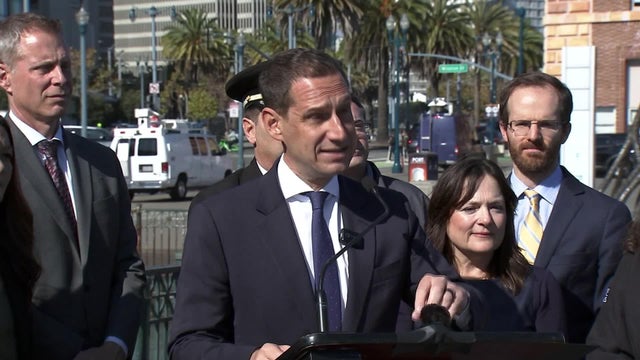
The order speeds up flood preparations and directs agencies to stage equipment and supplies before winter storms arrive.
When scientists talk about El Niño, it's in terms of probabilities.
Will a strong El Niño lead to record rainfall in California this upcoming winter? Zoe Mintz explores the probabilities.
The swell moving up the coast is a planetary-scale process, meaning it's thousands of miles wide, known as a Kelvin wave, and is a direct impact of El Niño.
There is growing evidence that climate change is already making El Niño stronger, new research is showing. Anne Makovec reports
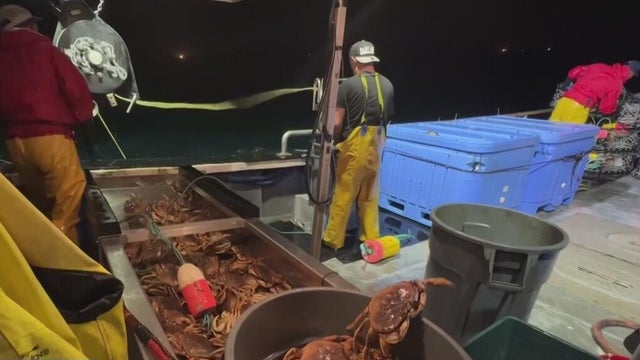
The effects of warmer ocean water due to El Niño are being seen daily by local fishermen, and the consequences are being closely monitored.
Fishermen and scientists are closely monitoring changes in ocean conditions and marine life as El Niño develops. Kenny Choi reports.
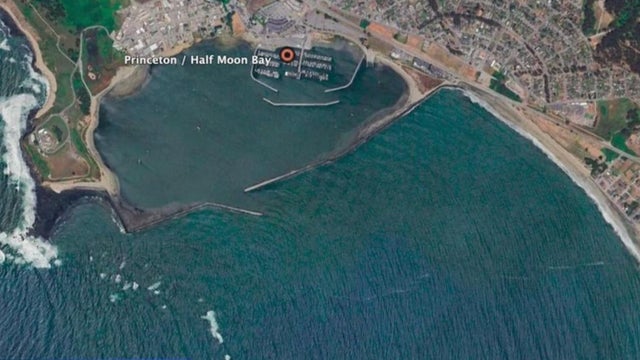
Paciifica's city manager discusses the challenges of being a coastal city during a time of climate change and worsening beach erosion. Ryan Yamamoto reports.
A beach replenishment project in Half Moon Bay is bringing sand, beachgoers and changing surf conditions back to a stretch of coastline that has been battered by decades of erosion.
Amid concerns of coastal erosion from a Super El Niño this winter, a project to restore a disappearing beach in Half Moon Bay is bringing sand and beachgoers back. Kenny Choi reports on why the project is not a permanent solution.
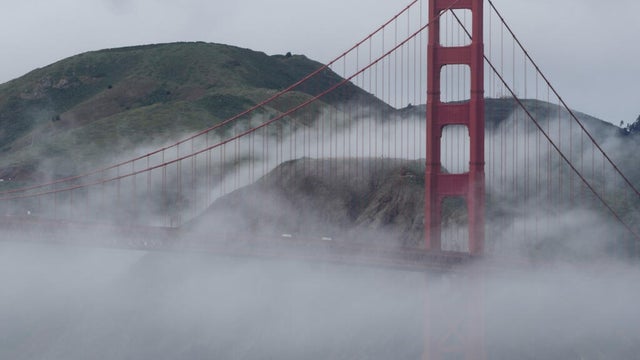
It's the cool water from the California Current and upwelling that usually allows the dense coastal fog to form. The ocean water is cooler than the air above it, and lowers the air temperature down to the dew point, which creates fog.
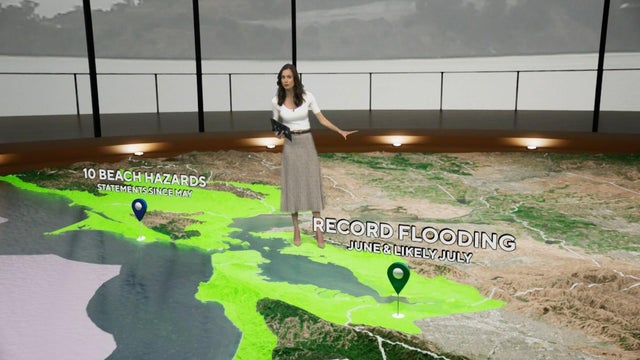
Since the start of May, there have been 10 beach hazard statements issued in the Bay Area, the most on record for this time of year, along with record high tides for summertime.
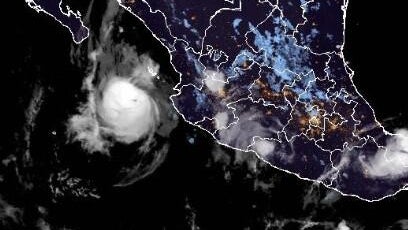
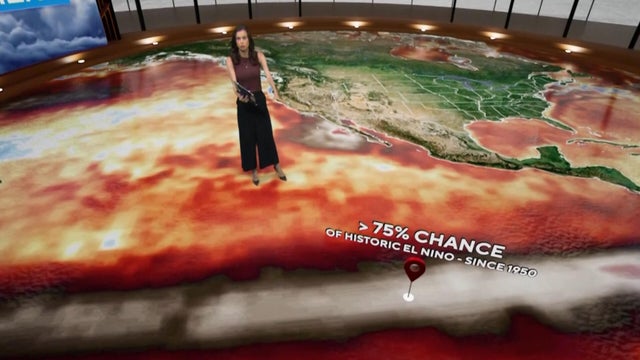
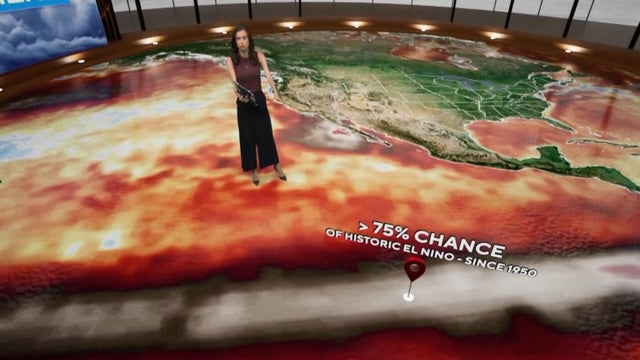
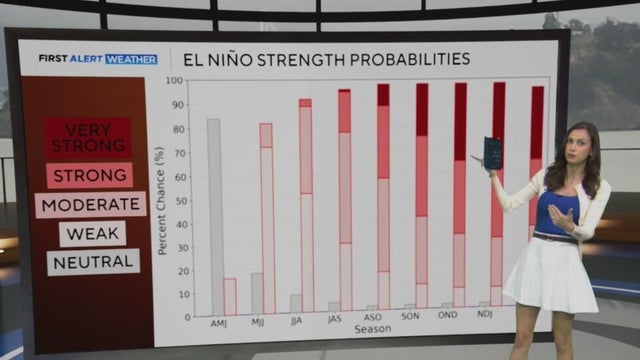
El Niño conditions are 82% likely to return as soon as next month, with a 96% chance of it lasting through at least February, and there are increasing chances that the El Niño event will be moderate to very strong, but what does that mean?
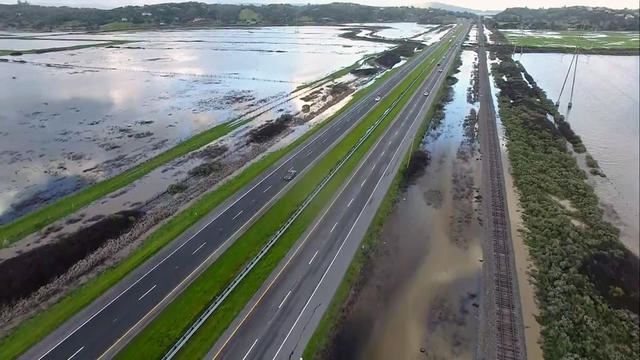
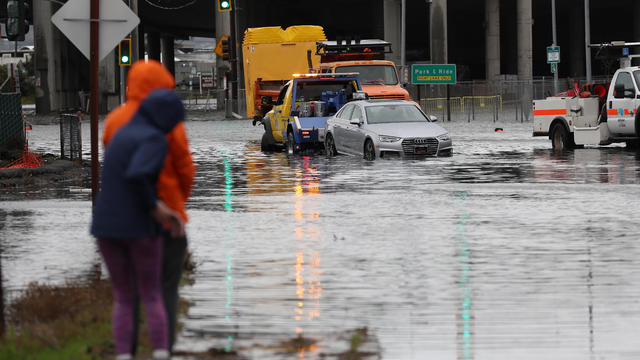
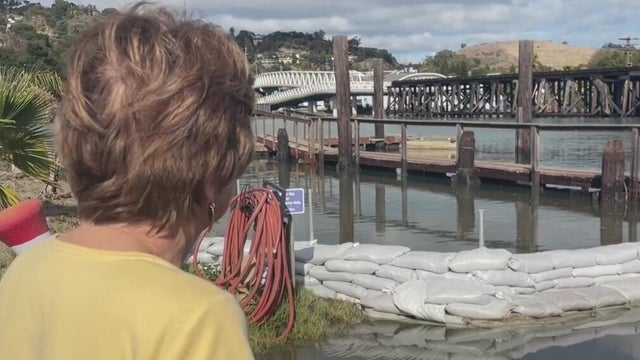
The upcoming El Niño could trigger frequent and widespread flooding in coastal areas around the United States, even when storms aren't actively taking place, scientists warn.
What is more concerning this summer is the fact that there's an abnormally warm blob of water sitting off the West Coast. Normally, it's the cooler ocean air that keeps temperatures comfortable and fire danger at a minimum across the Bay.
The weather phenomenon known as El Niño could form later this year, potentially pushing global temperatures to record heights, researchers say.
Last summer, hundreds of millions of people were faced with triple-digit temperatures across the U.S. This year, it could happen again.
Paul Heggen looks at what models are indicating an El Niño winter will bring to the Bay Area as far as increased precipitation (11-30-2023)
A new global study launched by NASA aims to improve our understanding of the world's oceans, lakes and rivers and their role in the science of climate change.
Engineers know that water always finds its way home to the sea, but learning how to live in its path is one of the actions the state recommends as it kicked off Flood Preparedness Week.
The National Oceanic and Atmospheric Administration (NOAA) is predicting above average ocean temperatures this winter due to strong El Niño conditions, meaning there is a potential for stronger winter storms in the Bay Area as well.