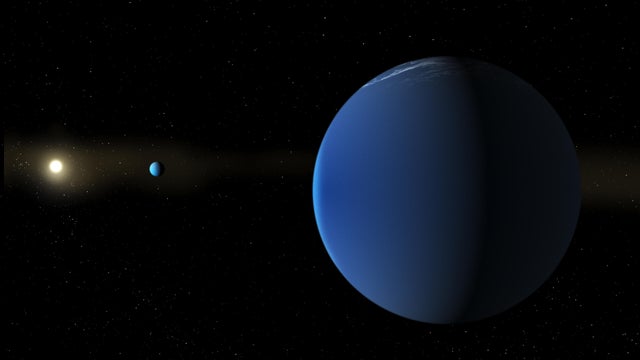
Astronomers find 2 gigantic planets lighter than cotton candy
The featherweight pair — orbiting a star 1,110 light-years away — are the biggest exoplanets found to have less density than cotton candy.
Watch CBS News
The featherweight pair — orbiting a star 1,110 light-years away — are the biggest exoplanets found to have less density than cotton candy.
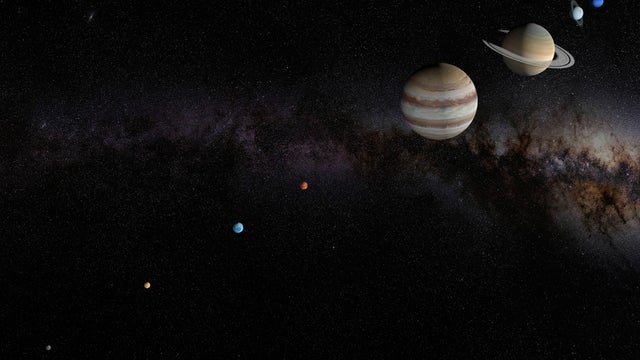
A rare celestial event will be taking place in the sky above California on Saturday night, as six planets are expected to be visible in what is being called a "planetary parade."
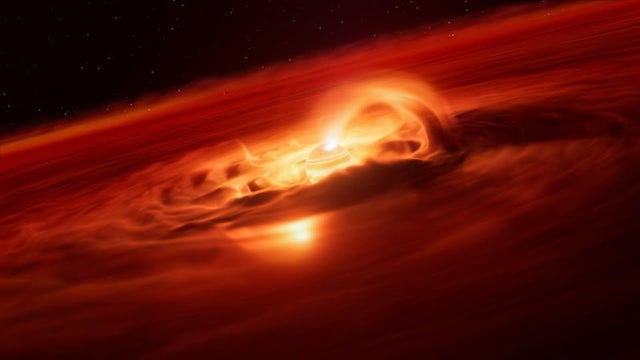
ESO's Very Large Telescope has observed a rogue planet and revealed that it is eating up gas and dust from its surroundings at a rate of 6 billion tons a second.

A British-U.S. team of researchers detected signs of two chemicals in the planet's atmosphere long considered to be "biosignatures" indicating extraterrestrial life.
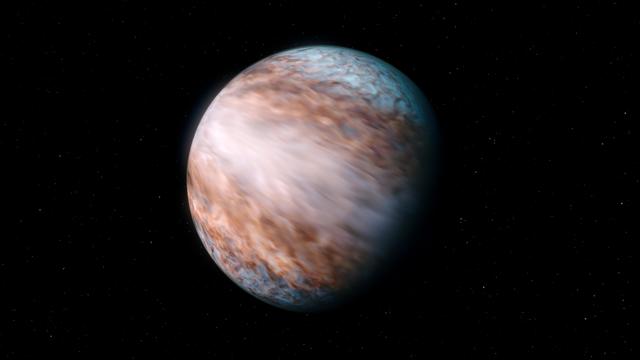
Researchers said this was the fastest wind ever measured in a jetstream that goes around a planet.
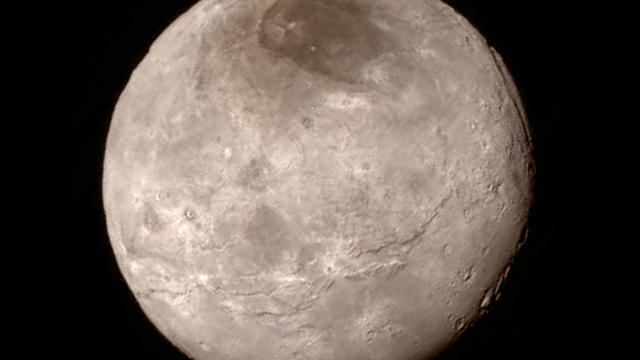
Researchers used observations from the Webb Telescope to identify carbon dioxide and hydrogen peroxide on the surface of Charon, Pluto's largest moon.
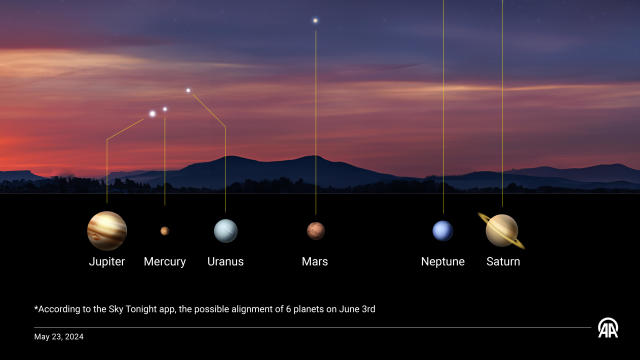
The orbits of six planets will bring them to the same side of the sun to create a "planetary parade" in early June.
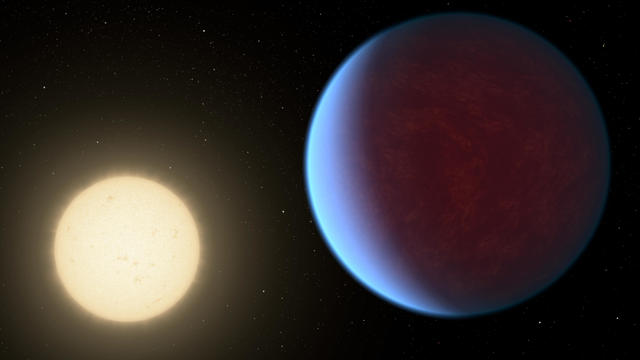
The so-called super Earth — known as 55 Cancri e — is among the few rocky planets outside our solar system with a significant atmosphere.
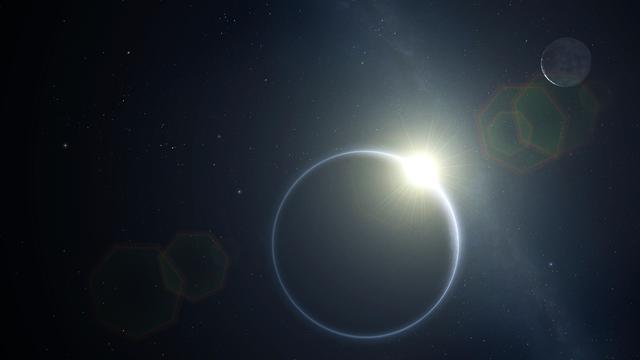
"We in Arizona haven't forgotten about you, Pluto," the state representative who introduced the bill said.
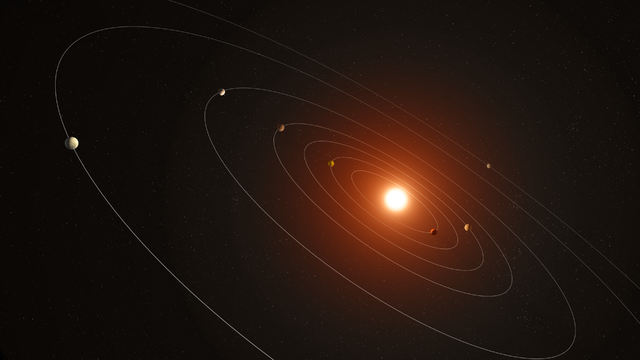
NASA described the planets as "scorching" and "bathed" in heat emitted by a distant host star.
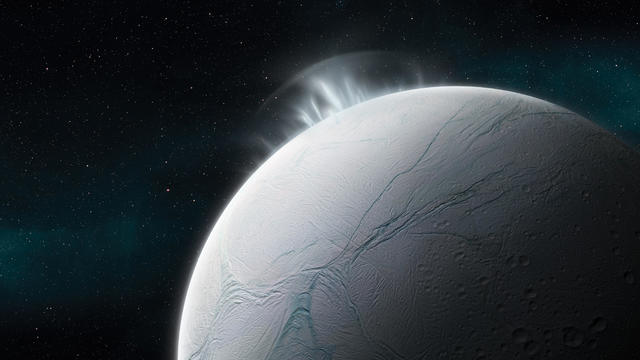
The new discovery makes Enceladus' ocean the only one outside of Earth known to contain all six elements needed for life.
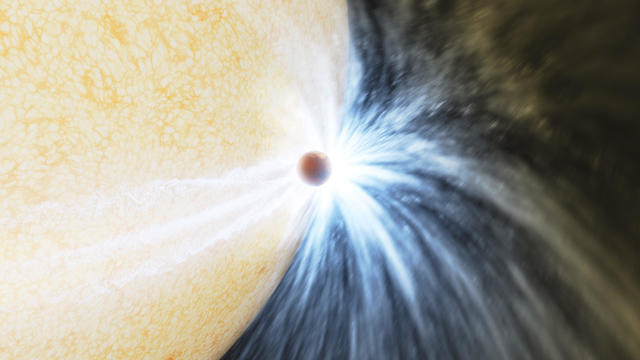
It's a gloomy preview of what will happen to Earth when our sun morphs into a red giant and gobbles the four inner planets.
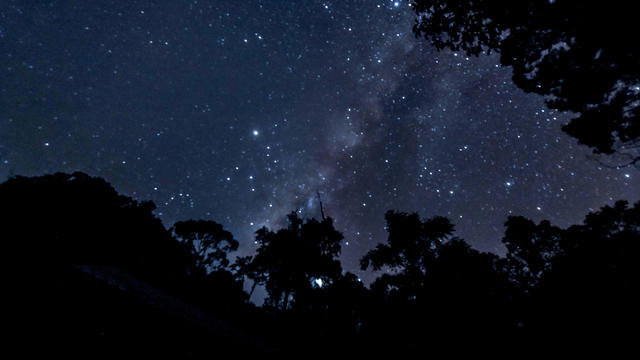
Jupiter, Mercury, Venus, Uranus and Mars will align on Tuesday night.
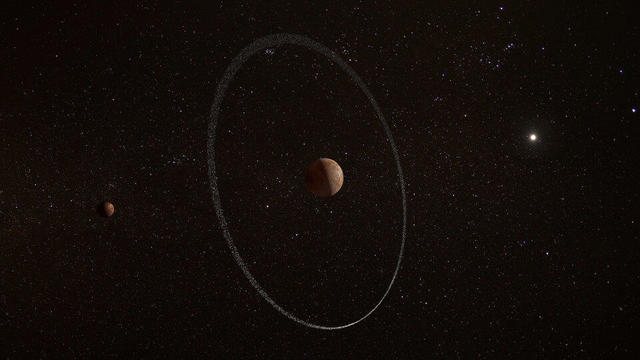
Quaoar is part of a collection of about 3,000 dwarf planets known as trans-Neptunian objects, which are beyond the orbit of the planet Neptune.
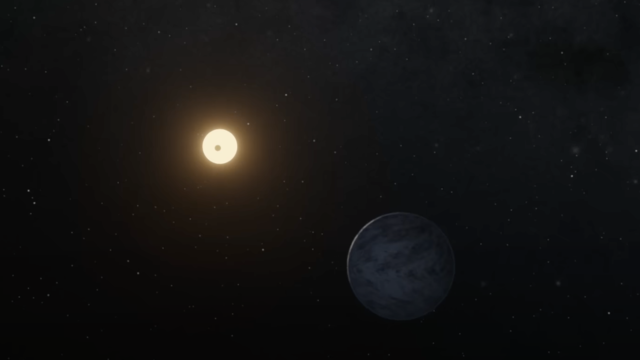
A habitable zone is an area just the right distance from a star so water can exist on a planet's surface and the conditions are neither too hot nor too cold for life.
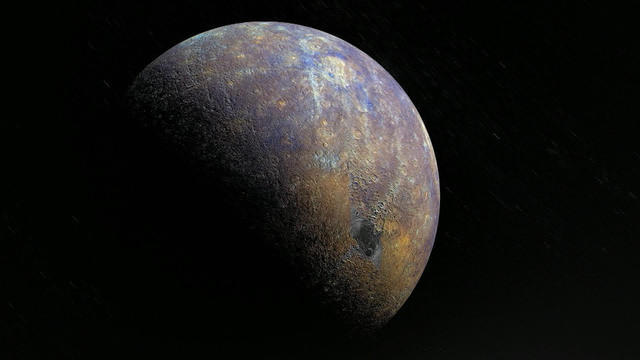
Mercury retrograde happens several times a year.

What do Barkley and Whiskers have to do with our warming planet? It's the products we buy for them that need a closer look.
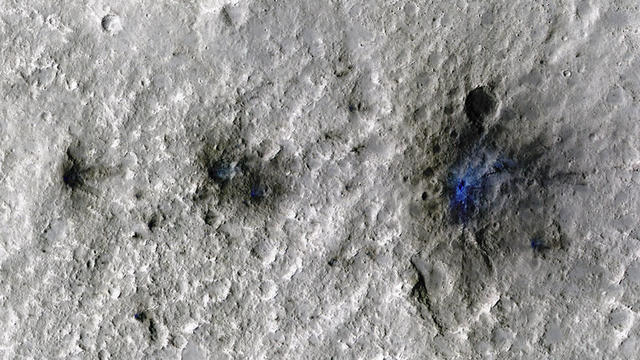
It turns out it's more of a "bloop" than a "boom."
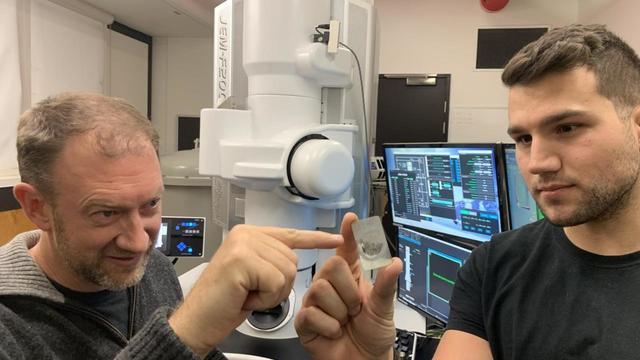
Scientists found that a 4.5 billion-year-old collision between an asteroid and dwarf planet is the likely source of the rare gem.
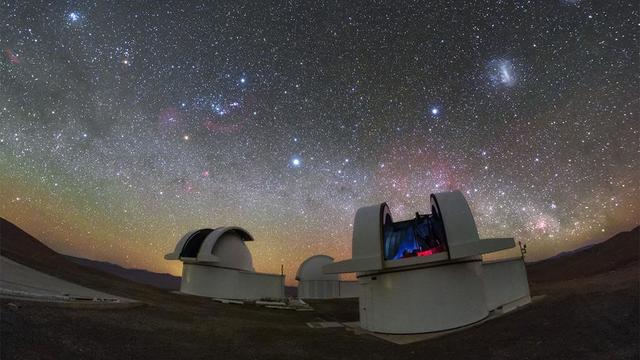
The "smallest and coolest stars in our solar neighborhood" could provide remarkable new information about the ability of a nearby exoplanet to sustain life.