Midterm elections could zap the data center buildout, experts say
Democratic victories in several gubernatorial races are likely to slow data center development across the U.S., according to tech analysts.
Watch CBS News
Democratic victories in several gubernatorial races are likely to slow data center development across the U.S., according to tech analysts.
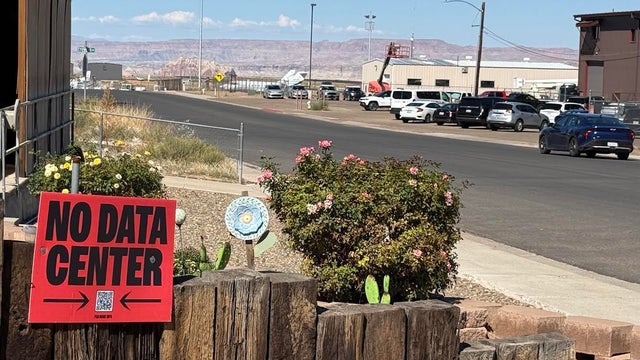
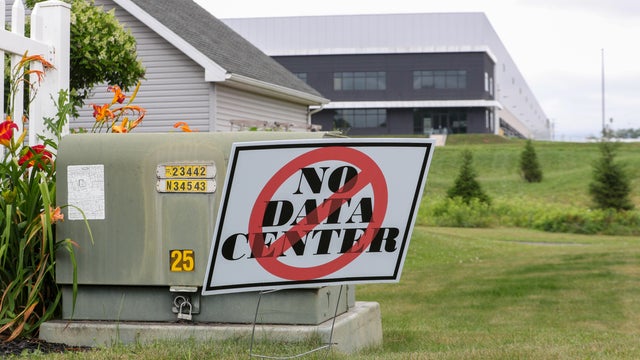
Opposition to the rapid emergence of data centers in states such as Ohio and Arizona has ginned up activism and unified voters. A range of public health issues have played into the resistance.
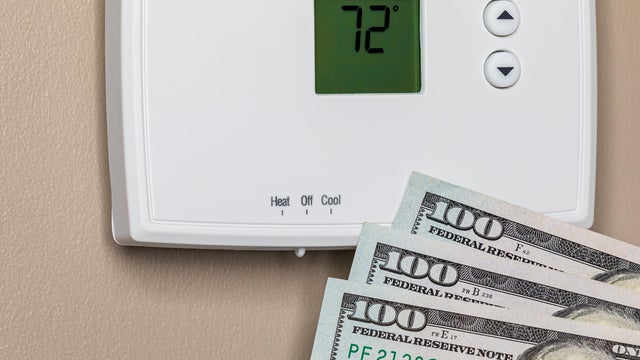
Americans living on a fixed income are particularly vulnerable when electricity costs surge, a Consumer Reports expert says.

A plant in Southaven, Mississippi, that powers Elon Musk's SpaceXAI data centers in the area has sparked backlash from residents concerned about noise and air pollution.
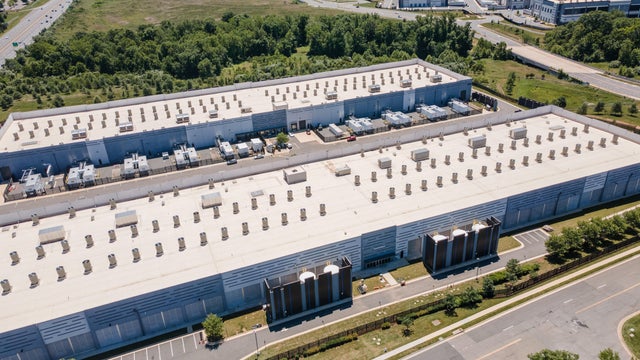
Amazon said it will invest $1 billion over five years to support job education, energy affordability and other priorities in communities where its data centers are located.
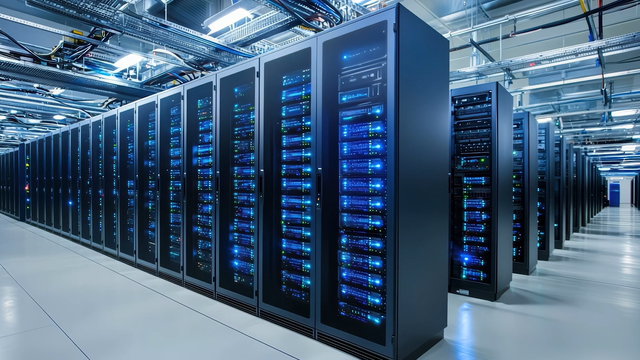
California placed new restrictions on data centers, giving local communities more control over the electricity, land and water usage by the facilities.

The Patterson City Council unanimously voted Tuesday night to extend a temporary moratorium on new data center projects, giving the city nearly another year to develop rules governing the facilities and their potential impacts on the community.

As California races to build the infrastructure needed to power artificial intelligence, communities across the state are increasingly weighing whether they want data centers in their own backyards.
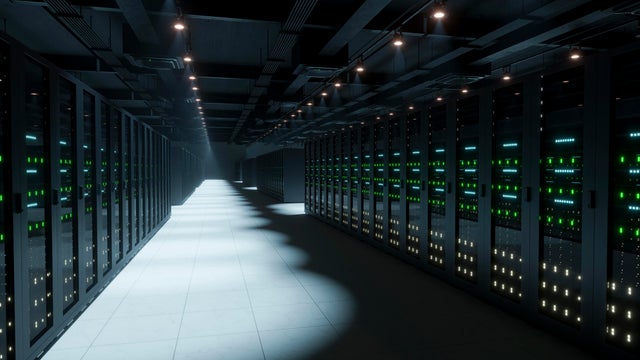
The heaviest demand on America's water supply isn't data centers or AI. It's from everyday uses such as growing food, watering lawns and flushing toilets.

Most Americans expect data centers to negatively impact the environment, local resources, although some see economic benefits
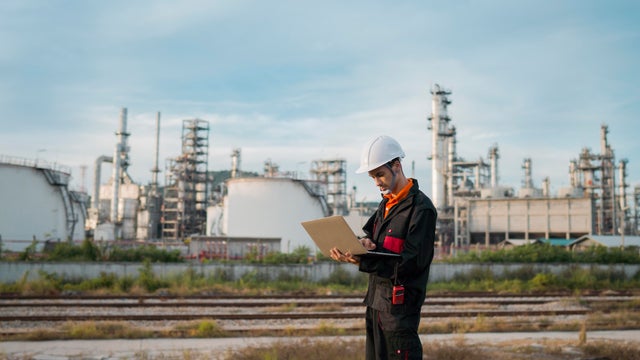
Meta pledged to invest $115 million to train electricians, plumbers and other workers needed to operate data centers.
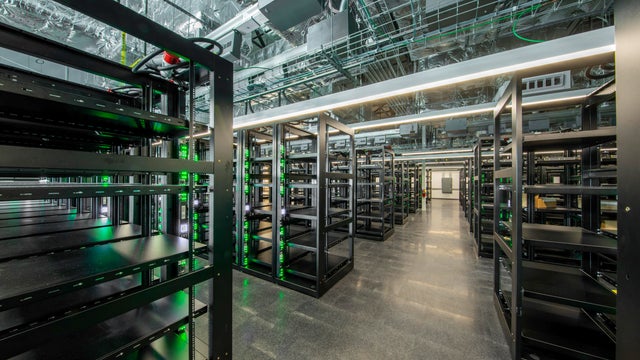
The rush to build thousands of U.S. data centers is driving demand for some workers, though economists project fewer permanent jobs.