The changing role of the vice president
In the wake of President Trump's COVID-19 diagnosis, "60 Minutes" correspondent John Dickerson reflects on how the power and profiles of vice presidents have grown in recent decades
Watch CBS News
In the wake of President Trump's COVID-19 diagnosis, "60 Minutes" correspondent John Dickerson reflects on how the power and profiles of vice presidents have grown in recent decades

Unexpected events occurring late in presidential campaigns have the potential to define or alter the course of an election – and in 2020, they've gotten an early, whiplash-inducing start

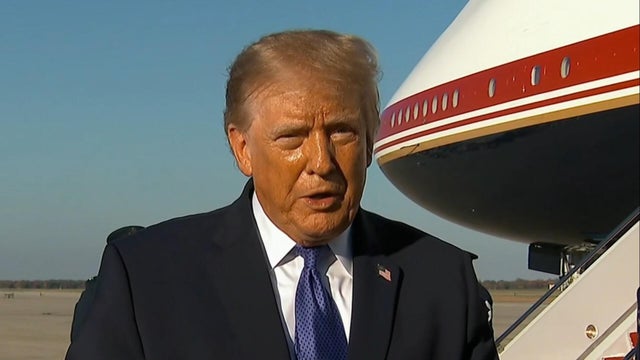
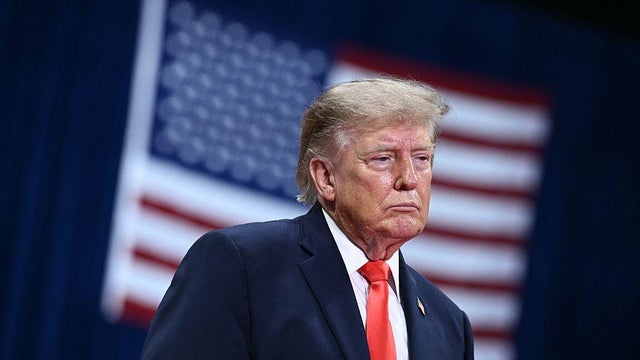
President Trump, who was admitted to Walter Reed Medical Center on Friday for COVID-19 treatment, said in a four-minute long Twitter video on Saturday night that he is feeling "much better."

The president went from mild symptoms to hospitalization within 24 hours.

Both Mike Lee and Thom Tillis are on the Senate Judiciary Committee, and both were at the September 26 event at the White House to nominate Amy Coney Barrett to the Supreme Court.

"To be clear, Facebook is removing death threats or content targeted directly at the president that wishes him death, including comments on his posts or his page - in addition to content tagging him," a Facebook spokesperson tweeted.

Trump's physician said he was diagnosed 72 hours ago, which would have put his first positive test on Wednesday.

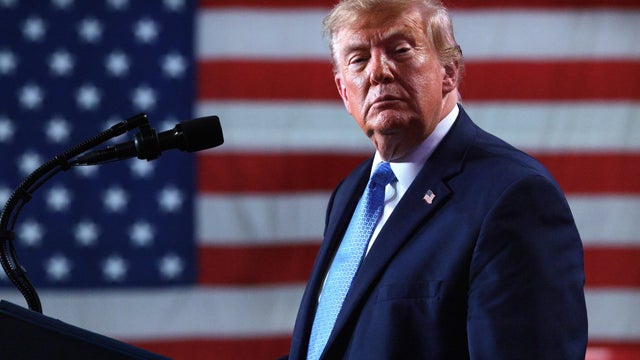
"This morning, the president is doing very well," Dr. Sean Conley told reporters.

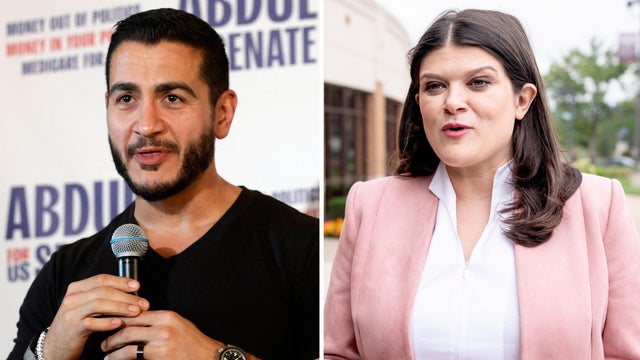
The Democratic challenger in North Carolina's Senate contest said he will not drop out of the race.
Trump and first lady Melania Trump have both tested positive for COVID-19.

He plans to spend the next few days there after showing "mild symptoms" of COVID-19.

The White House press secretary said the decision was made "out of an abundance of caution."

Weakening payroll gains and tepid consumer spending are just some of the signs that growth is slowing.
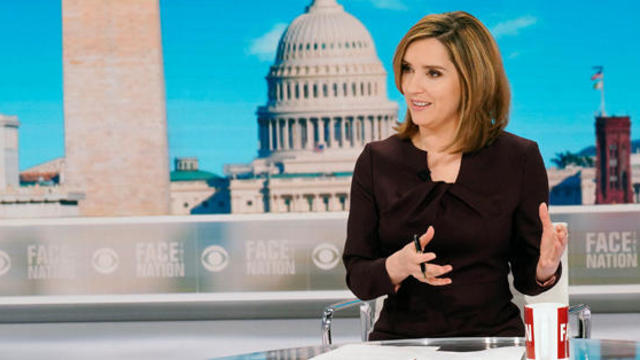
House Speaker Nancy Pelosi and FDA Commissioner Scott Gottlieb appear on Sunday's "Face the Nation"

The House passed a $2.2 trillion coronavirus aid bill on Thursday but it is unlikely to pass in the Senate.