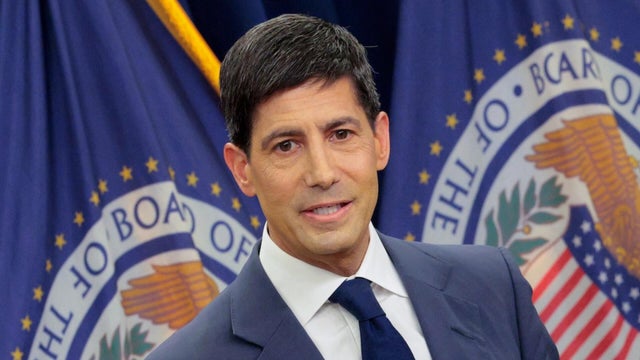
Federal Reserve raises interest rates for the first time since 2023
The Fed increased its benchmark rate by 0.25 percentage points to battle resurgent inflation driven by soaring energy prices.
Watch CBS News
The Fed increased its benchmark rate by 0.25 percentage points to battle resurgent inflation driven by soaring energy prices.
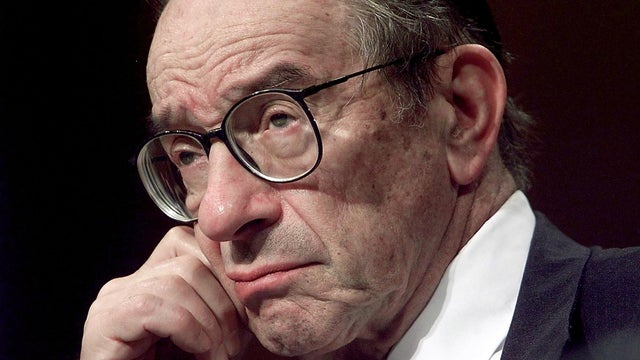
Alan Greenspan's lengthy reign at the Federal Reserve coincided with a period of stability from the mid-1980s until 2007.
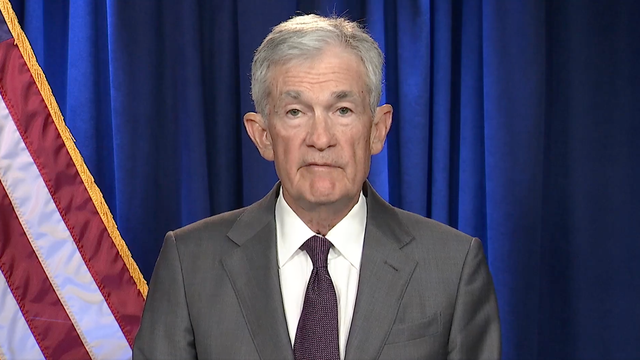
The subpoenas threatened a criminal indictment related to Jerome Powell's testimony before the Senate Banking Committee in June 2025, according to the Fed chair.
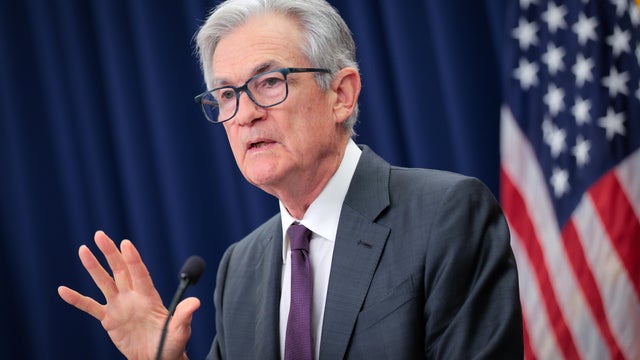
The Federal Reserve is grappling with economic issues including higher inflation and a slowing labor market.
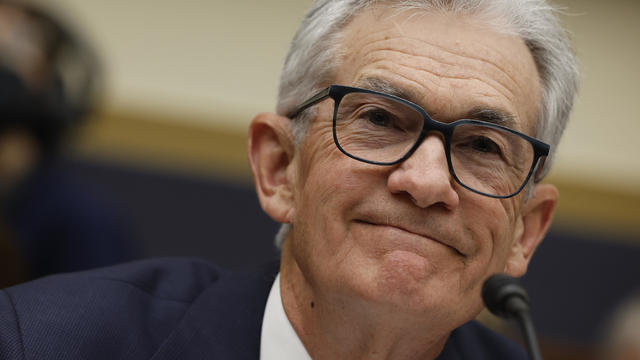
The Federal Reserve said it is cutting rates by 0.25 percentage points, its second rate cut of the year.
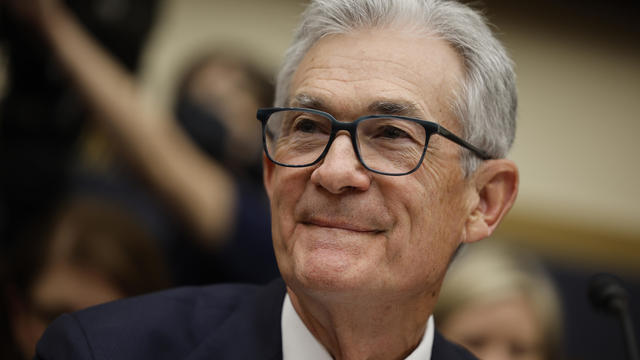
The Federal Reserve announced its second interest rate cut of 2024, but Trump's economic priorities could impact future policy.
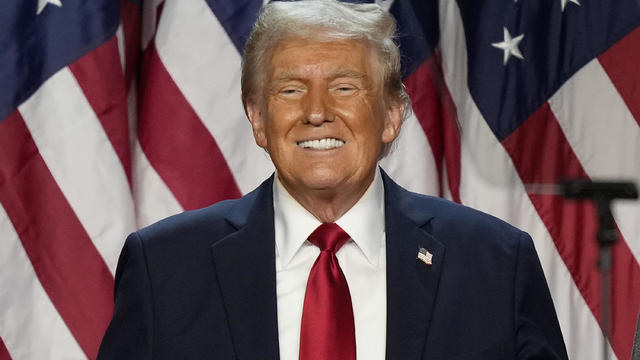
Donald Trump's victory in the 2024 presidential election is likely to have a major impact on the economy. Here's what to know.
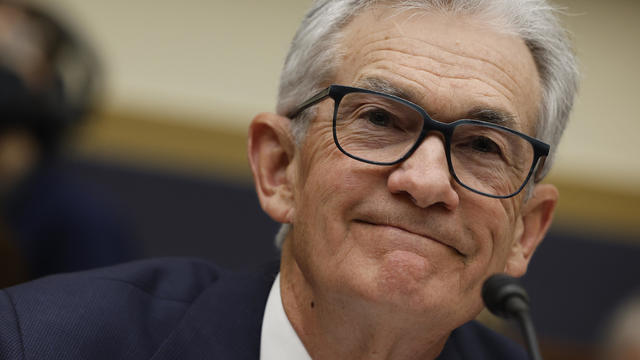
The Federal Reserve just lowered its benchmark rate by 0.50 percentage points. Here's how the move could impact your finances.
The Fed's decision will lower borrowing costs from a 23-year high as the central bank pivots to shoring up economic growth.
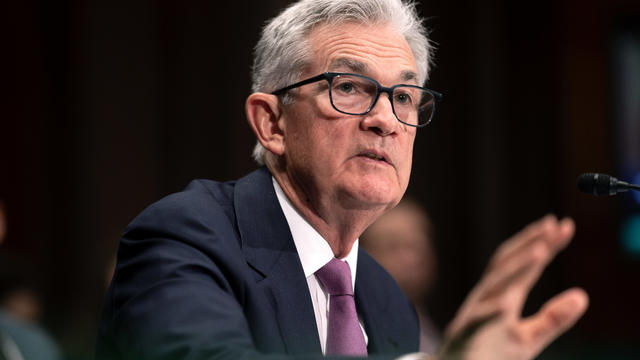
The Fed is leaving its benchmark interest rate unchanged, noting a lack of progress in curbing inflation.

In its last rate decision of 2023, the central bank said it is holding its benchmark rate steady amid cooling inflation.
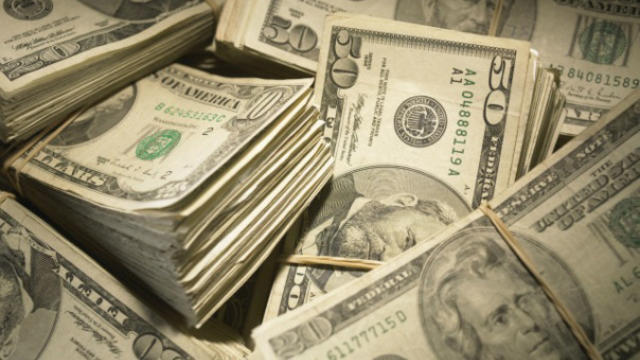
As Americans collected government aid and saved, new numbers show household wealth surged during the pandemic.
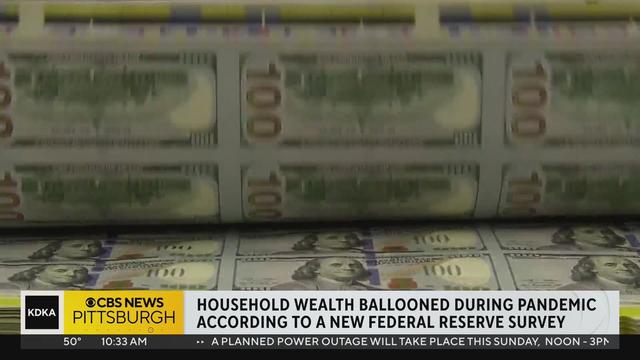
As Americans collected government aid and saved, new numbers show household wealth surged during the pandemic.
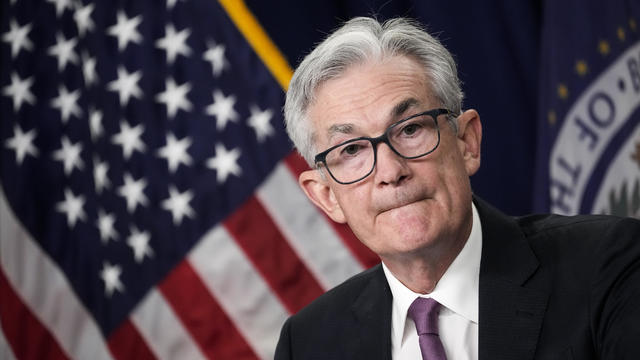
After 10 straight interest-rate hikes, borrowers face sharply higher costs for credit cards, mortgages and other loans.
Central bank officials will announce on Wednesday if they are hiking the federal funds rate for a 10th consecutive time.
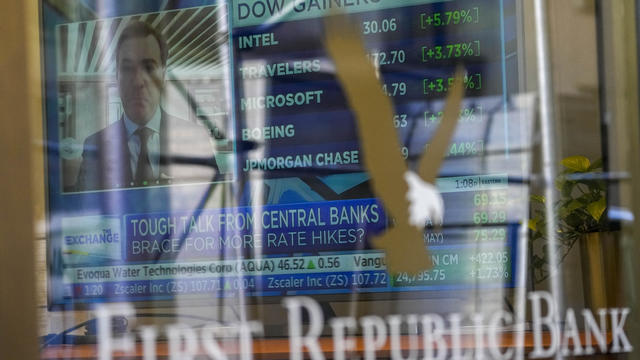
The regional lender, whose collapse is the second-biggest bank failure in U.S. history, is the third bank to be seized by regulators since March.
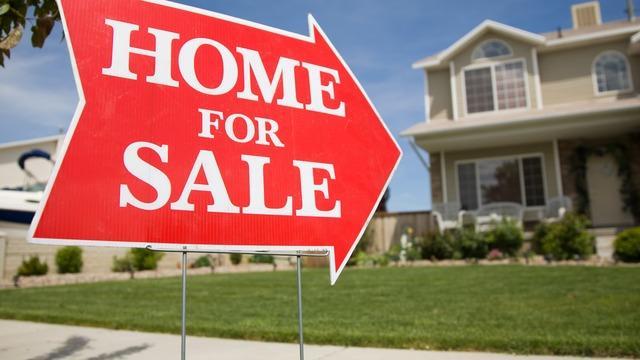
House prices just ended a 10-year streak, marking the first monthly year-over-year price drop since 2012.
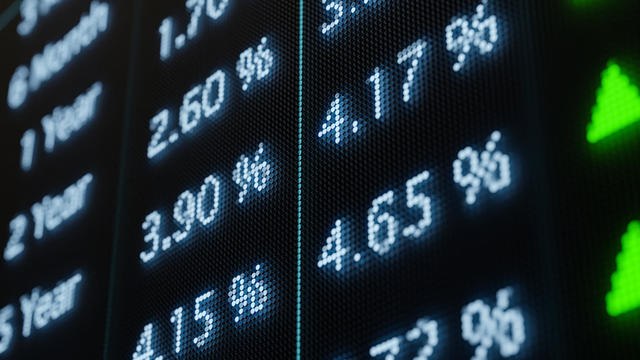
A new economic report could pressure the Federal Reserve to raise interest rates again.
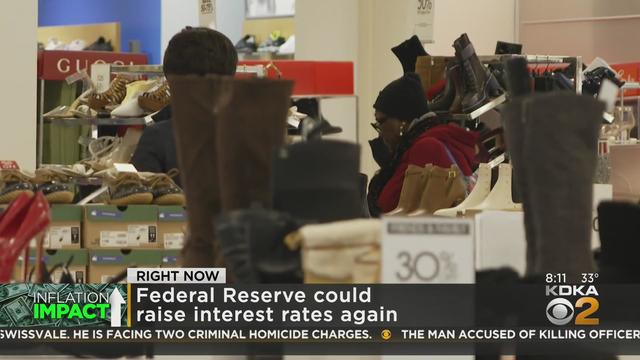
The U.S. Census Bureau said retail sales surged 3% in January. That surpasses the 1.8% economists had estimated, and it follows a slight decline in December.
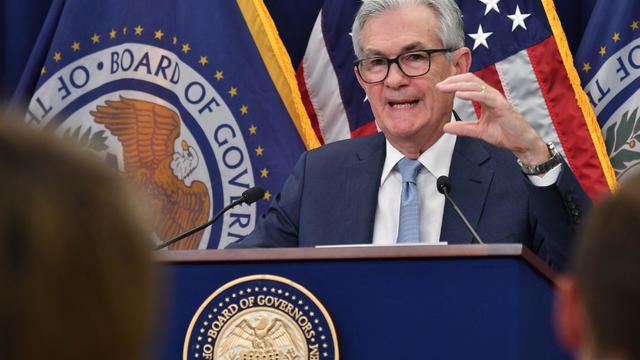
While the central bank is slowing its rate increases, Jerome Powell told investors not to expect lower rates this year.
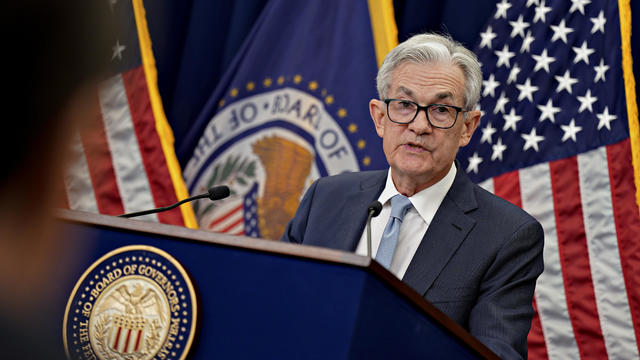
Rates are at their highest level in 15 years as policymakers try to tamp down inflation without torpedoing the economy.
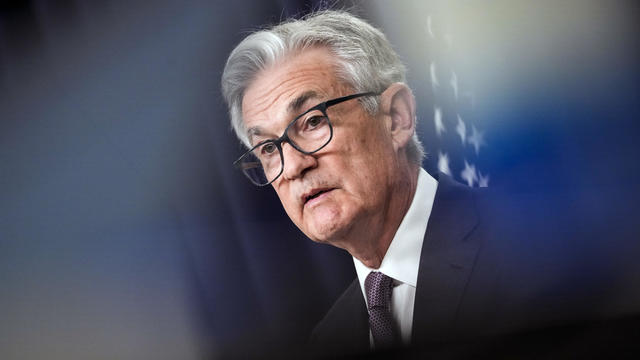
Latest jump is the fourth supersized rate hike this year, as the central bank tries to subdue stubbornly high inflation.
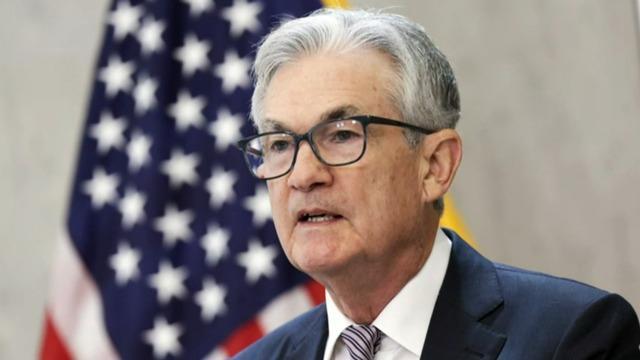
The Federal Reserve, as expected, announced it is raising interest rates by three-quarters of a percentage point to help tamp down inflation. CBS News' Tanya Rivero and Christina Ruffini get analysis of the economic and political impact from Ted Rossman, senior industry analyst at Bankrate.com; CBS News political correspondent Caitlin Huey-Burns; and Michelle Singletary, Washington Post personal finance columnist.
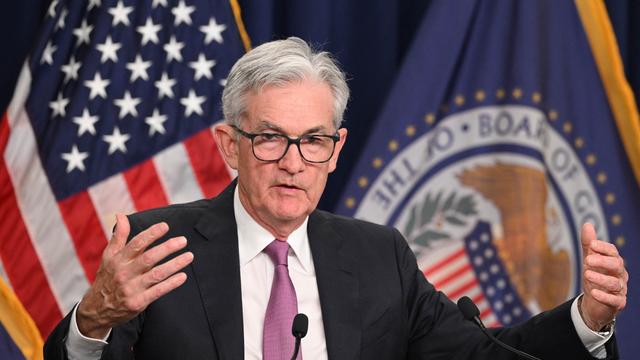
The rise in the federal funds rate, which is what banks charge each other for overnight loans, comes as several significant pieces of economic data are released this week.
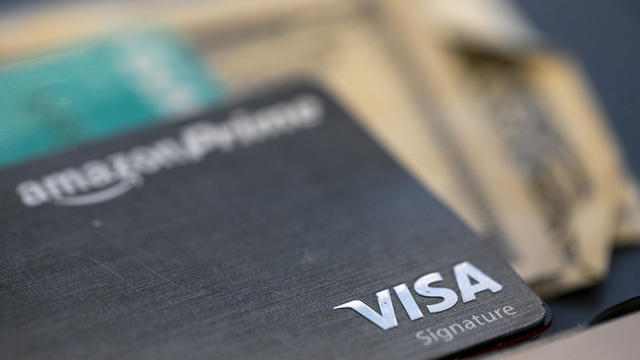
The Federal Reserve boosted interest rates again in a move to slow the inflation rate.