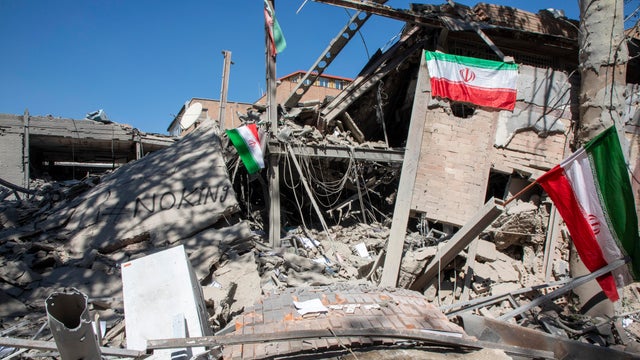
U.S. and Iran reach ceasefire deal, launching 2-week diplomatic push
President Trump announced that the U.S. and Iran had agreed to a two-week ceasefire that was contingent on the reopening of the Strait of Hormuz.
Watch CBS News
President Trump announced that the U.S. and Iran had agreed to a two-week ceasefire that was contingent on the reopening of the Strait of Hormuz.
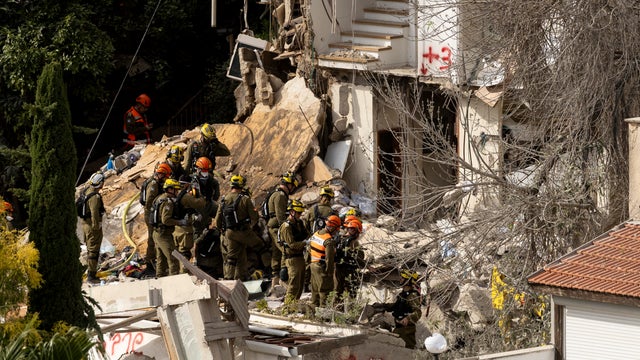
President Trump's deadline for Iran to reach a deal to end the war or face punishing strikes on its bridges and power plants is less than 24 hours away.
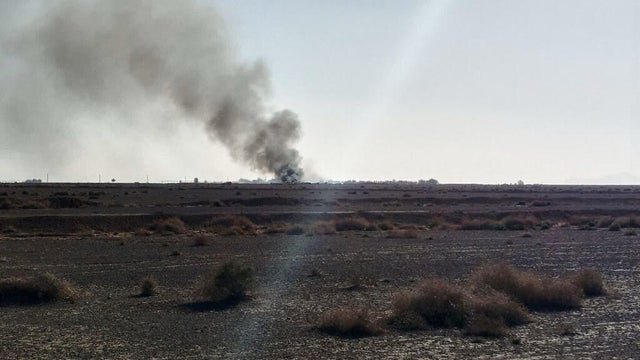
President Trump hailed the rescue of a U.S. airman who was missing almost two days inside Iran — and threatened to hit power plants if Iran doesn't reopen the Strait of Hormuz.
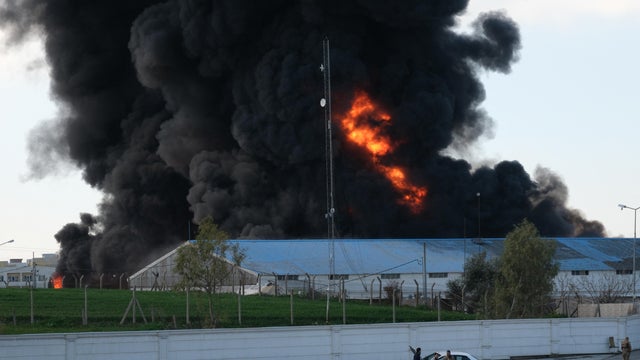
President Trump warned the U.S. "hasn't even started destroying what's left in Iran," and previewed that strikes on bridges and power plants could be next.
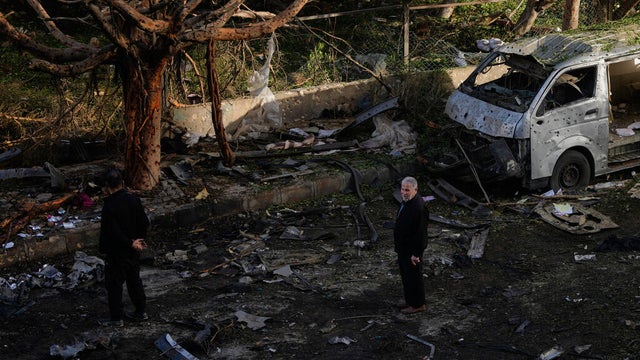
Trump says he expects the U.S. war with Iran to end within several weeks despite unrelenting attacks from both sides and Iran's iron grip on the Strait of Hormuz.
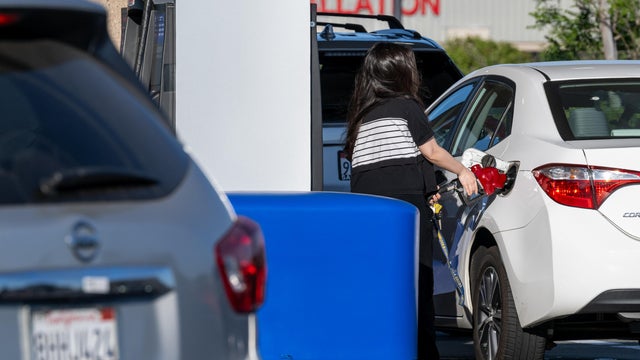
The average price of gas across the U.S. last reached $4 after Russia's invasion of Ukraine sent crude oil prices surging.
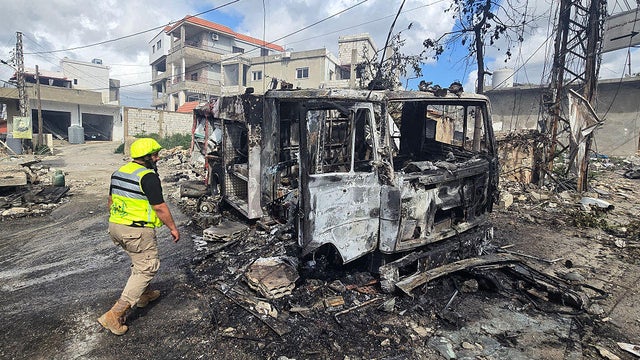
Energy markets remain volatile as President Trump threatens Iran with an invasion to seize its oil while also suggesting a deal could soon end the war.
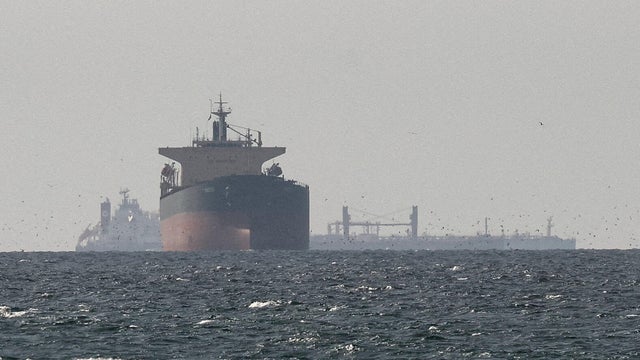
The president threatened to "obliterate" Iranian power plants if Iran didn't reopen the Strait of Hormuz by late Monday night Eastern Daylight Time.
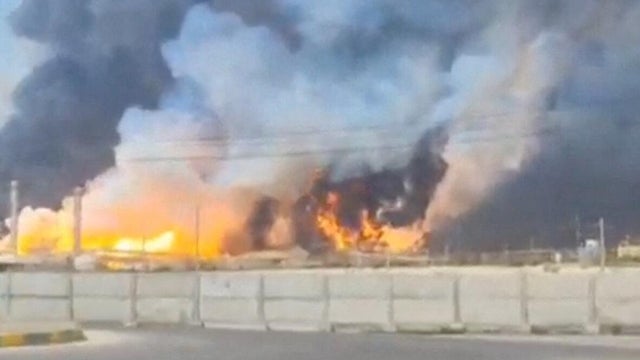
As Iran retaliates for an Israeli strike on the South Pars gas field, one analyst warns the war is "now hitting the plumbing of the global energy system."
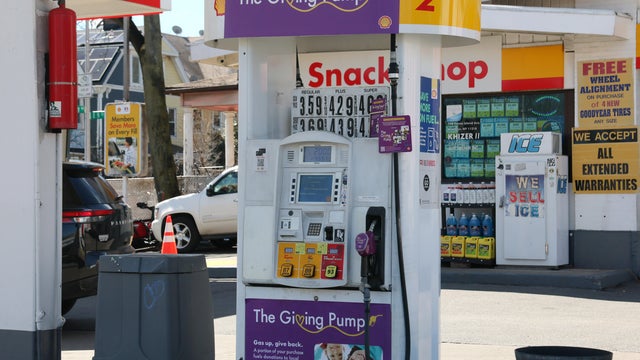
A barrel of Brent crude topped $111, while the U.S. benchmark also rose as the Iran war intensifies.
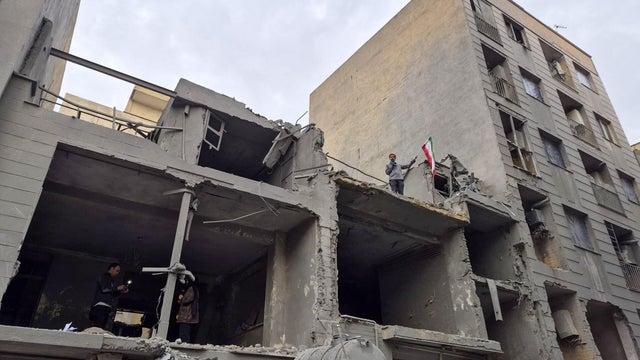
Israel says it killed Iran's top security official Ali Larijani, as America's European allies reject President Trump's demands for help in the Strait of Hormuz.
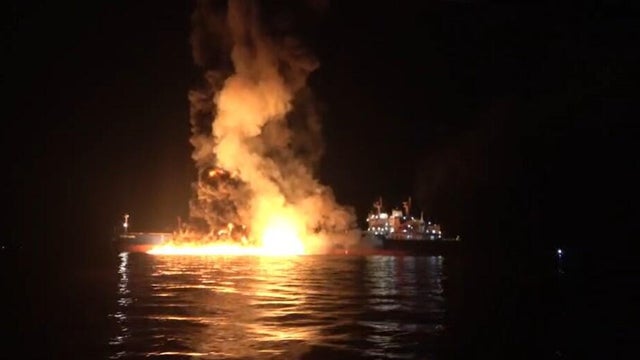
Iran's relentless attacks on Gulf states and infrastructure appear to be overshadowing interventions by the U.S. and its allies aimed at easing energy prices.
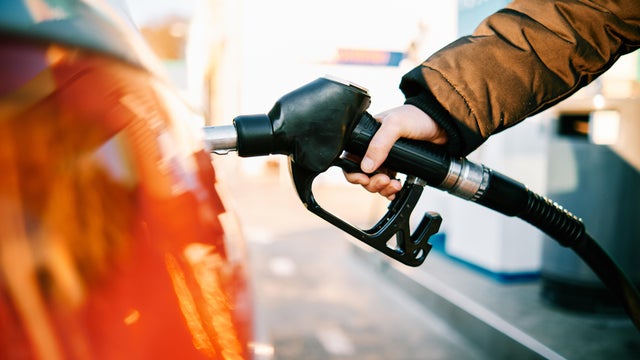
U.S. motorists could soon see higher prices at the pump as oil prices surge following the attacks in Iran.
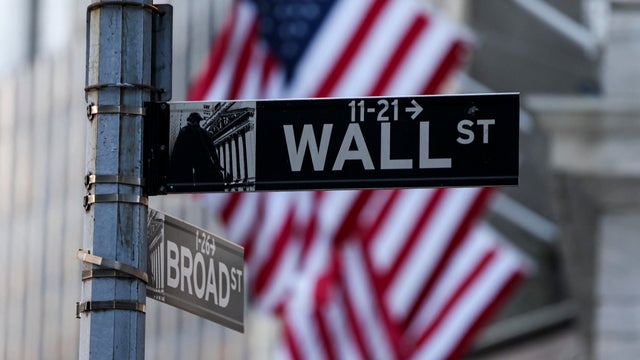
Stocks recovered on Monday after tumbling earlier in the day over concerns that the U.S.-Israel attacks on Iran could drive up energy costs.
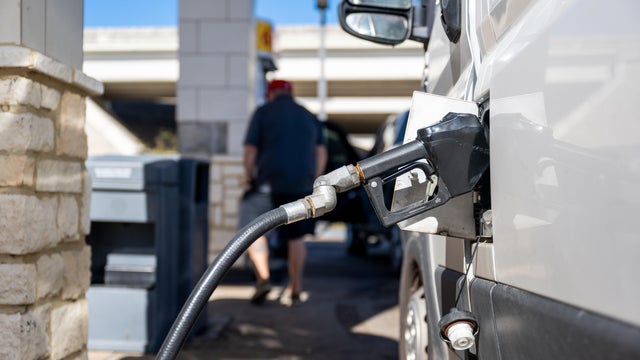
U.S. drivers are likely to see lower prices at the pump this year amid lower global oil prices and strong crude production.
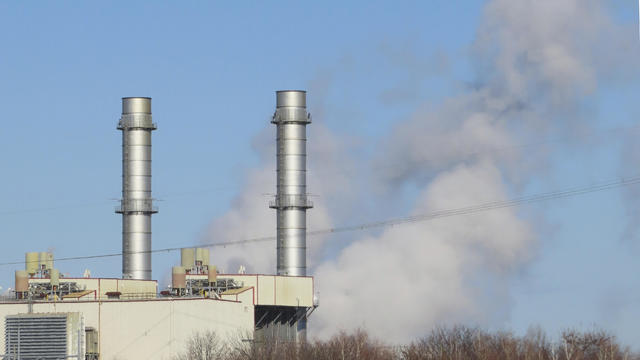
New Jersey voters may get the chance in November to weigh in on whether new power plants that burn fossil fuels should be banned.
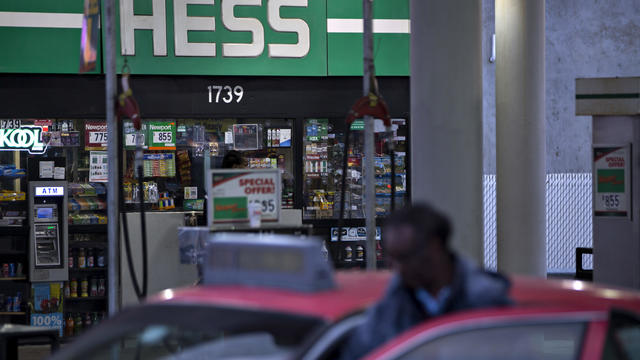
Chevron's purchase of Hess for $53 billion is the second energy industry megadeal this month amid a surge in oil prices.
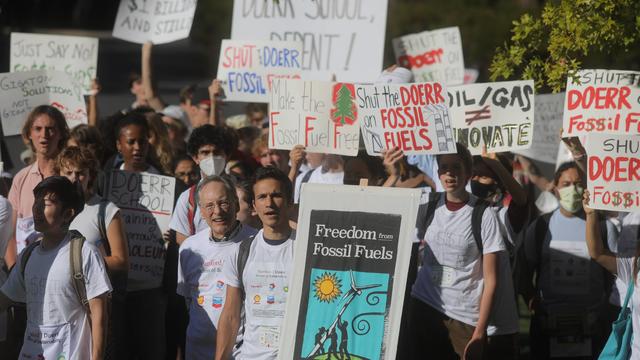
Climate change initiatives by universities sometimes mask their financial ties to Big Oil. Students are demanding change.
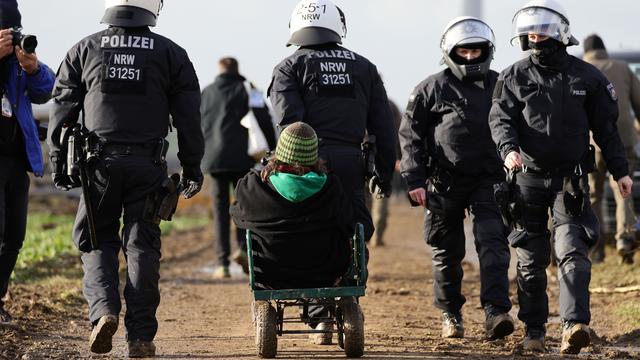
Despite initial clashes and Molotov cocktails being hurled, police say the operation to force hundreds of demonstrators out of Luetzerath is going to plan.