Robotic technology helping to find, treat lung cancer
Stephanie Stahl reports.
Watch CBS News
Stephanie Stahl reports.
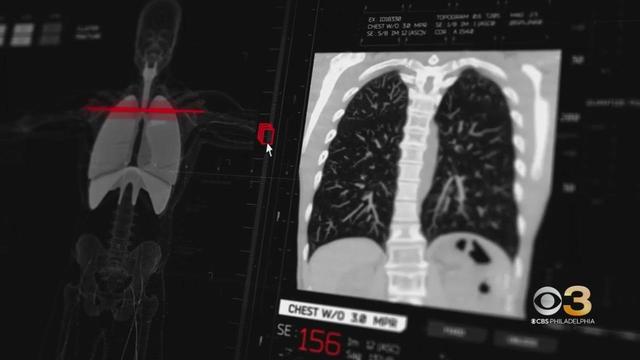
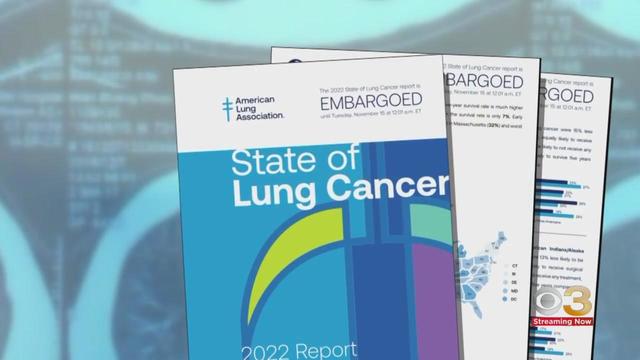
Lung cancer survival rates are improving, according to the American Lung Association's annual report that was released Tuesday. The five-year survival rate is now 25%.

The fight against cancer is a personal one for the president.
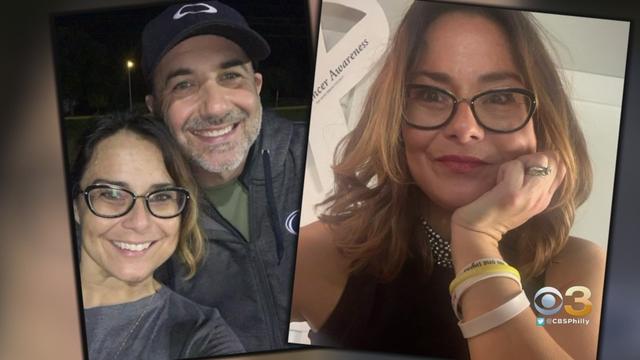
More people are surviving lung cancer, but disparities persist for communities of color, according to a new report from the American Lung Association.
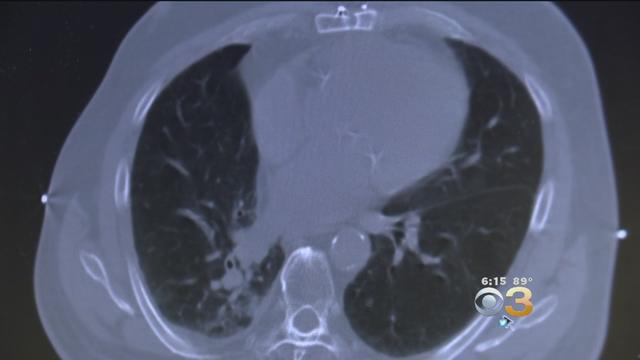
Yet lung cancer remains the leading cause of cancer death nationwide -- and your chances of surviving lung cancer can vary drastically depending on where you live.
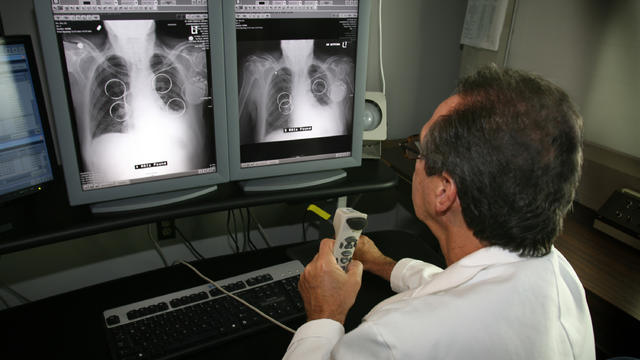
Early screening for lung cancer can drastically improve your chances of survival, according to Brooke Leibfreid, Cancer Center Nurse Navigator at St. Mary Medical Center in Langhorne. She says too often, lung cancer is diagnosed after symptoms occur, which in many cases indicates the disease has spread to other parts of the body. At that point, the survival rate is low, just 20 percent. But with early screening, before you have symptoms, she says the disease can be found before it has spread, which leads to many more treatment options that give patients a shot at a long-term cure and as a result a patient's survival rate skyrockets to 88 percent.
For patients who've smoked a long time, the scans are covered by insurance, the American Lung Association says.

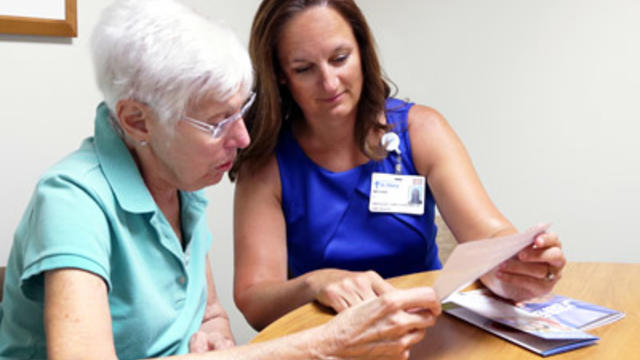
Survival rates for lung cancer are normally quite low, because the disease is often found late after the cancer has spread. If it can be found early before symptoms appear, the chances of survival skyrocket, according to Brooke Leibfreid, Lung Cancer Care Coordinator at St. Mary Medical Center in Langhorne. She says annually screening those at risk for lung cancer will save lives.
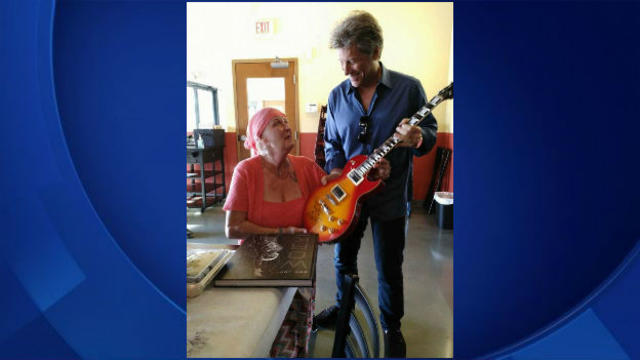
Video shows Cesario yell out "oh my God!" after seeing Bon Jovi.
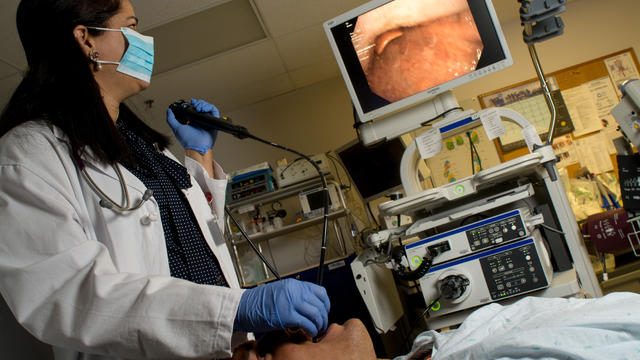
The new numbers from the CDC show the number of cancer deaths will rise most among black women.

The last thing many people want to do on a Saturday morning is to climb 50 flights of stairs. But that's exactly what hundreds of people woke up early to do this morning in Center City Philadelphia. And it was all for a good cause.
There are certain tips that can help if you have been diagnosed with chronic obstructive piulmonary disease. The first is to quit smoking.

Dr. James B. McClurken, MD of Doylestown Hospital's Heart Institute, spoke with us about lung cancer, since this month is Lung Cancer Awareness Month.

According to new research from the International Agency for Research on Cancer, outdoor air pollution has now been categorized as carcinogenic to humans.
According to a new study, although progress has been made in improving the health of Americans, our country still lags behind advances in other wealthy nations.
The health department says smoking kills more people than murders, aids, car accidents, diabetes and illegal drugs combined.

In 2010, fewer than half of girls aged 13-17 had received even just one dose of the vaccine against hpv, while only 32% had received the recommended 3 doses. This, as the death rate from hpv-associated cancers is growing.

Registration is at 9am. The walk starts at 10am, at Jack Curtis Stadium in Pennsauken.

The Philadelphia Department of Public Health posted a Smoking exhibit in the lobby of the Criminal Justice Center on Thursday in honor of World No Tobacco Day.
According to a new study, smoking fewer than five cigarettes a day, commonly known as light smoking, triples the risk of dying of heart disease or lung cancer in men. In women the increased risk of lung cancer was five times greater.
Lung cancer is the number one cause of cancer deaths in this country and now researchers at Fox Chase Cancer Center have discovered a link between the female hormone estrogen and the disease.

Former Penn State coach Joe Paterno is back in the hospital. His family says he was admitted Friday for observation due to minor complications from cancer treatments.

A quick and easy way to find early stage lung cancer. It could save thousands of live. 3 On Your Side Health Reporter Stephanie Stahl says researchers here in Philadelphia are getting close to making that dream a reality.