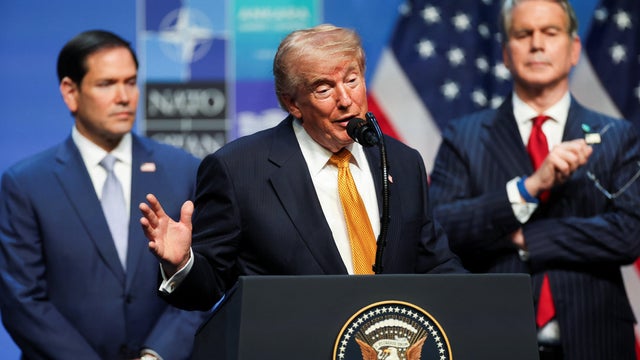
U.S., Iran trade more strikes after Trump says ceasefire is "over"
The U.S. began a second night of strikes Wednesday and Iran responded in kind after President Trump declared earlier in the day that the ceasefire was "over."
Watch CBS News
The U.S. began a second night of strikes Wednesday and Iran responded in kind after President Trump declared earlier in the day that the ceasefire was "over."
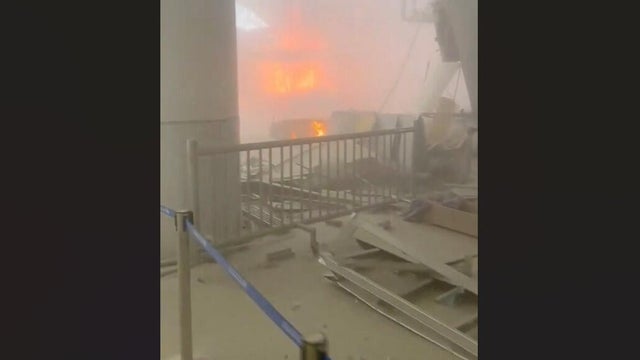
Israel and Lebanon agreed Wednesday to renew their fragile ceasefire and create a number of "pilot" security zones inside Lebanon where Hezbollah would be banned.
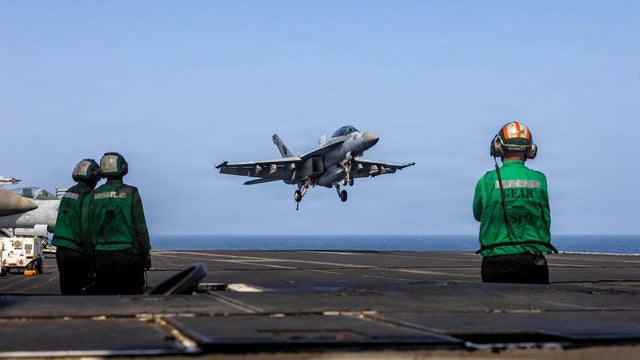
The vice president says the U.S. and Iran are "very close" to a deal, but are "not there yet." Meanwhile, the U.S. struck Iran, which retaliated against a U.S. base.
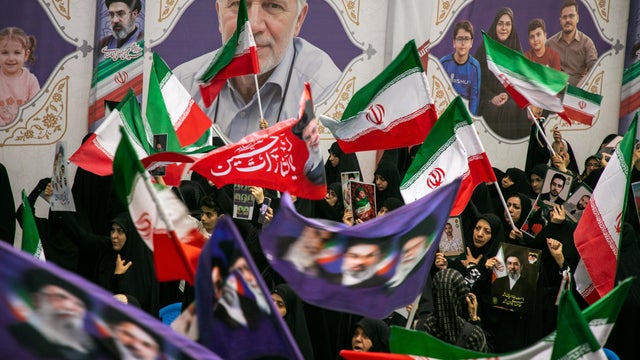
As Iran accuses the U.S. of a "grave violation" of the fragile ceasefire, Rubio says a deal is still possible despite the latest clash.
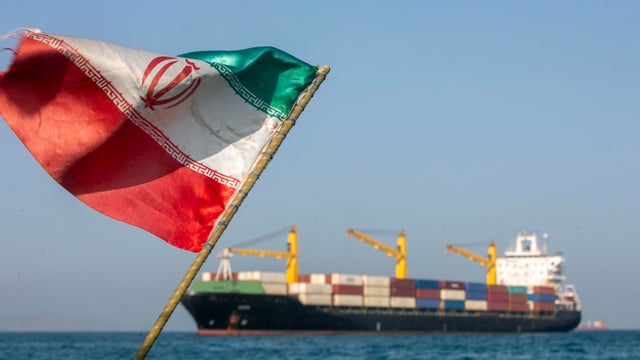
There is broad commitment on the principles of a deal, a senior Trump administration official said, and the administration feels positive about where things stand.
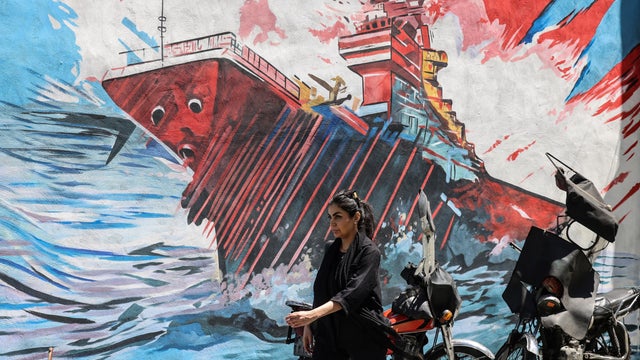
Iran warns any new U.S. attacks will bring a "bad result," as President Trump acknowledges the ceasefire is faltering and violence flares in Lebanon.
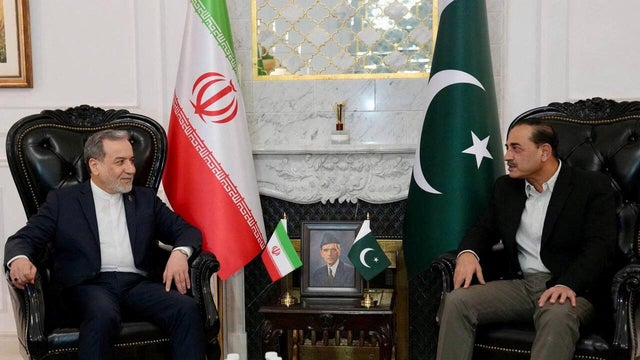
Iranian Foreign Minister Abbas Araghchi returned to Islamabad on Sunday, where he participated in talks focused on ending the war with the U.S., Iranian state media reported.

Iran renews attacks in the Strait of Hormuz after Trump says he's extending a ceasefire indefinitely, as thousands more U.S. forces head for the region.
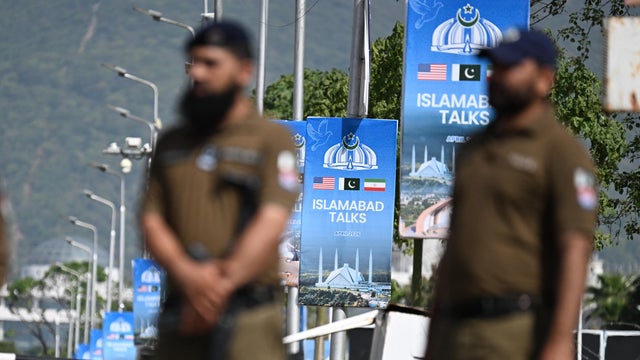
With a two-week ceasefire set to expire and Iran balking at the resumption of peace talks, President Trump said he would be extending the deadline to allow for Iran to "come up with a unified proposal."
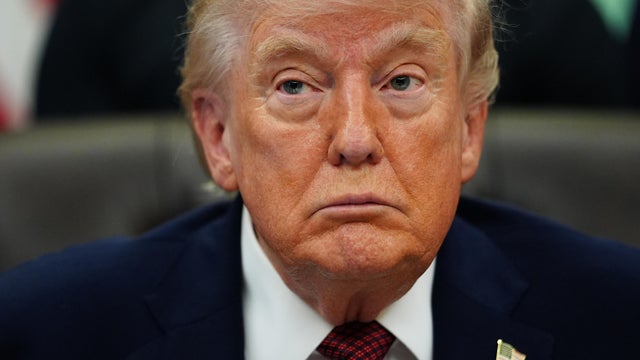
President Trump says he sent a U.S. delegation to Pakistan for another round of peace talks with Iran Monday but Tehran says it doesn't plan to participate.
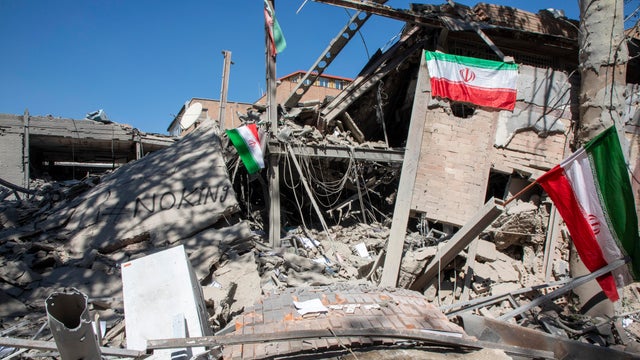
President Trump announced that the U.S. and Iran had agreed to a two-week ceasefire that was contingent on the reopening of the Strait of Hormuz.
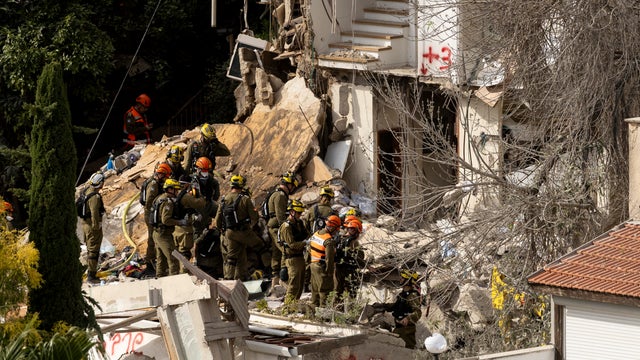
President Trump's deadline for Iran to reach a deal to end the war or face punishing strikes on its bridges and power plants is less than 24 hours away.
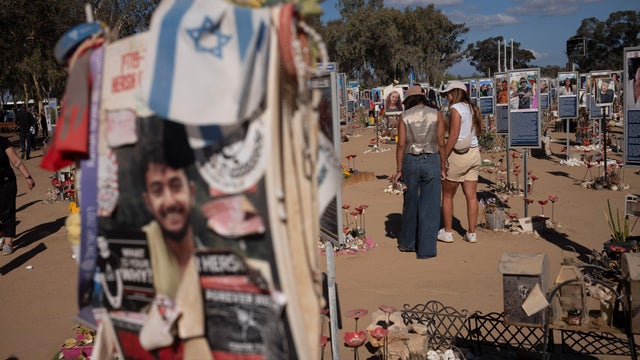
As Israelis come together to mourn those killed two years ago by Hamas, the sounds of the ongoing war in Gaza reverberate over a solemn memorial.

Israel drops all war-time restrictions, freeing people to return to their lives under a ceasefire with Iran, but uncertainty over the impact of 12 days of war leaves room for anxiety.
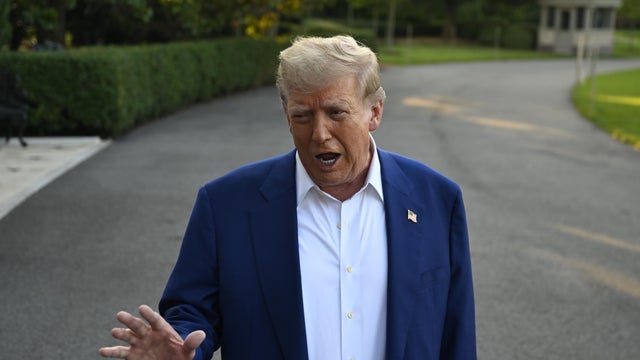
President Trump accused Israel and Iran of violating a ceasefire, but then said it was "in effect" after a phone call with Israel's leader.

The body of Israeli hostage Shiri Bibas was said to have been returned earlier this week, but Israeli forces said it was the body of an unidentified Gazan woman.
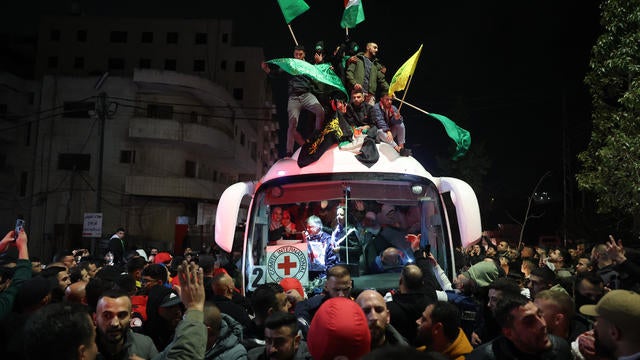
The first three Israeli hostages were released after the ceasefire officially began. Hours later, Israel released 90 Palestinian prisoners and detainees.

Israeli Prime Minister Benjamin Netanyahu had warned that Israel would keep fighting if there were any perceived violations of the deal.
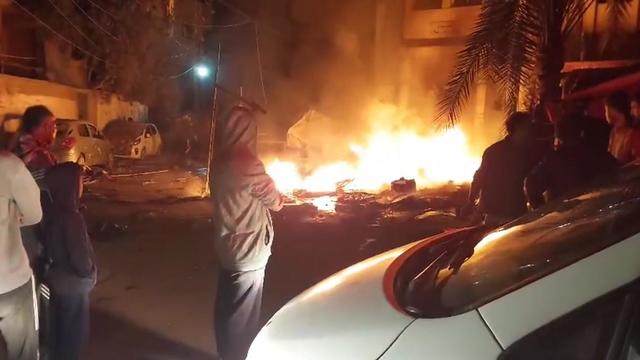
Israeli Prime Minister Benjamin Netanyahu's office announced that Israel's negotiating team had finalized a deal on the release of hostages held in Gaza.
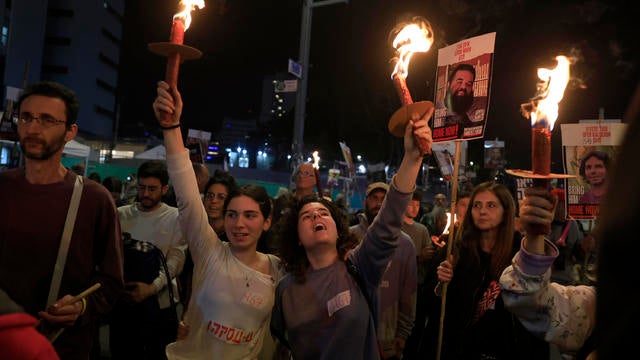
After intense negotiations, Israel and Hamas have reached a deal that would see a ceasefire and the exchange of hostages in Gaza for Palestinian prisoners.
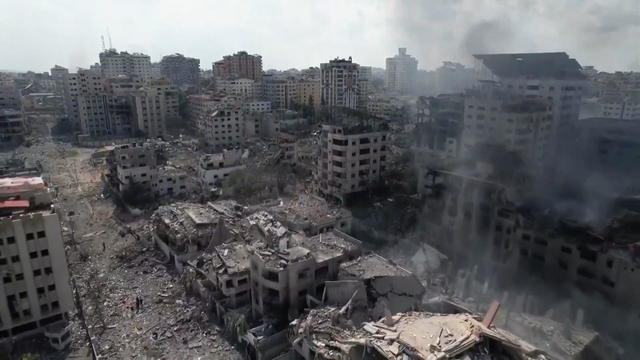
People on both sides said they know everything can't be solved overnight, but they continue to pray for peace in Israel and Gaza.
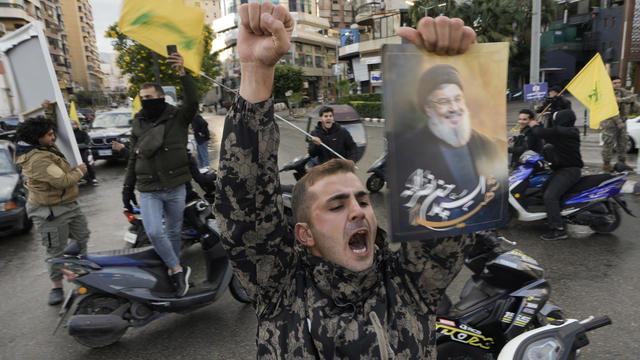
A ceasefire in Lebanon between Israel and the Iran-backed militant group Hezbollah appeared to be holding several hours after it began.
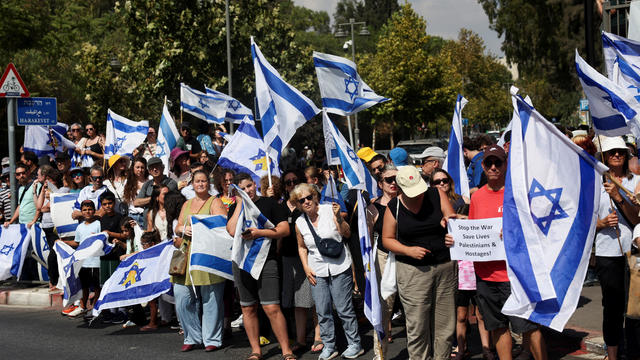
Israel's biggest union goes on strike as Benjamin Netanyahu faces a surge of anger and demands to nail down a cease-fire with Hamas.
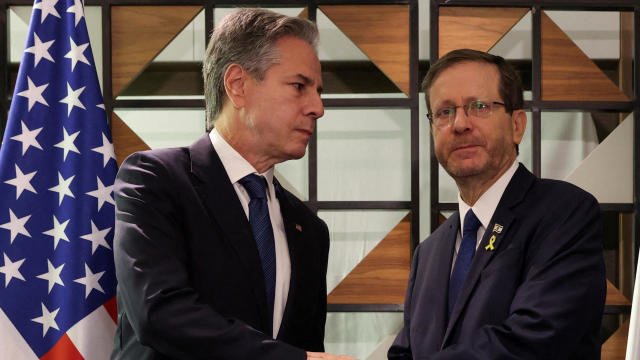
Antony Blinken returns to Israel at a "decisive moment" amid negotiations to secure a cease-fire with Hamas and avert a wider war.
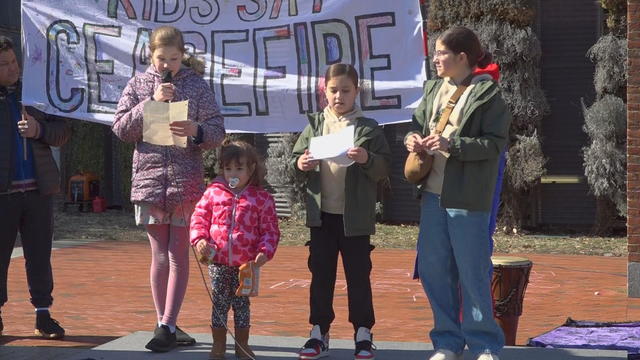
Parents and their kids gathered near the National Constitution Center in Old City to call for a cease-fire in Gaza on Monday.