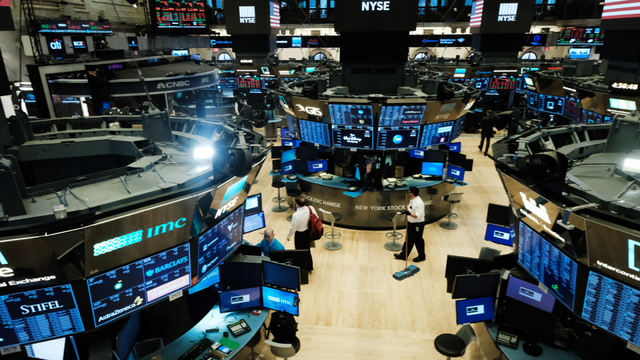
New York Stock Exchange To Reopen This Month With New Safety Measures
The exchanges has been limited to all-electronic trading since March 23.
Watch CBS News
The exchanges has been limited to all-electronic trading since March 23.

The stock market reacted positively to the recent record unemployment numbers, which suggests a strong economic comeback, but be wary.
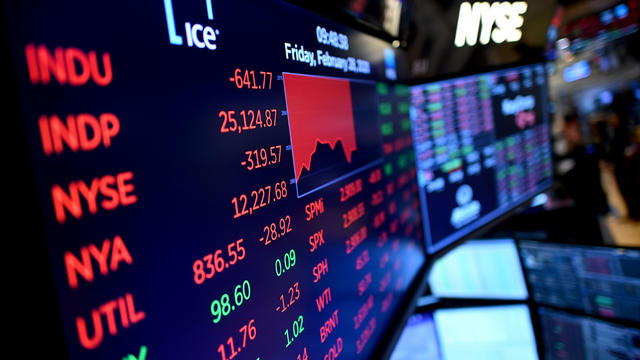
Stocks surged Tuesday as investors weighed the Federal Reserve's vow to support key financial markets and prospects for a nearly $2 trillion relief bill in Congress to help soften the economic impact of the coronavirus.
U.S. stocks plunged so quickly today that trading was halted amid growing economic uncertainty over the coronavirus.
Fears of the virus are making stocks extremely volatile for the seventh day. At one point, the Dow was down nearly 1,000 points.
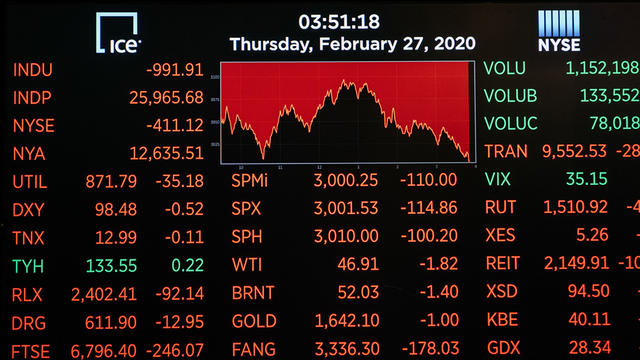
Global markets are now down for the sixth straight day, and experts say many investors are realizing the economic impact could be much worse than first thought.
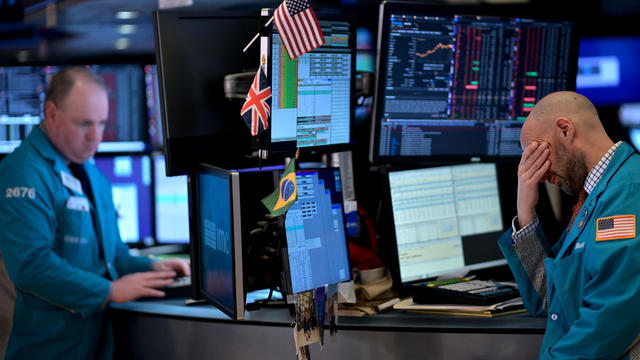
Investors are hoping to see some signs of recovery today after the Dow fell more than 1,000 points Monday, wiping out all its gains for the year.
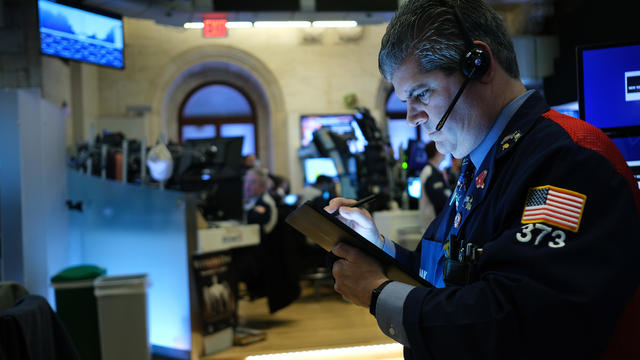
U.S. markets saw a steep selloff on Monday as the coronavirus disease spreads well beyond China, raising fears about its economic impact on several continents.

The company's rise has boosted the fortunes of its founder and CEO, Jeff Bezos: His 16 percent stake in Amazon is now worth about $160 billion.

Insiders at Tesla confirm CEO Elon Musk does, in fact, want to take the company private again.
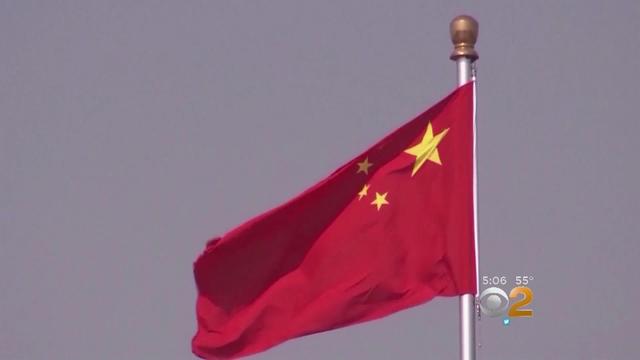
President Donald Trump tweeted Wednesday, "we are not in a trade war with China."
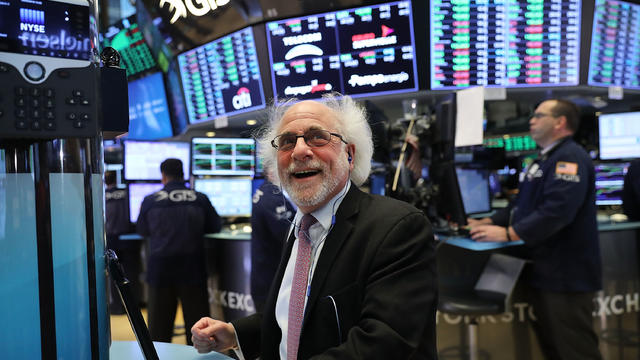
On Friday morning, the Bureau of Labor Statistics reported the U.S. economy added 313,000 jobs in February. That far exceeded the 200,000 many analysts predicted. It's also the biggest gain since July 2016.
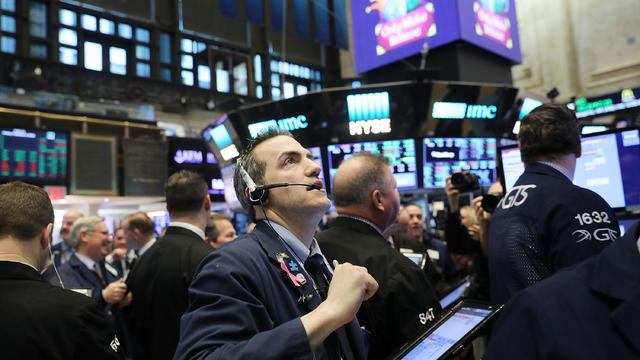
It was another yo-yo day with stocks going through wild gyrations. A surge in the last few minutes had the Dow Jones Industrial Average finishing a brutal few days with a positive push.
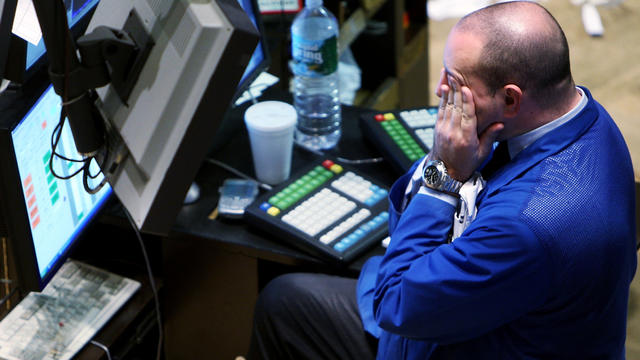
The Dow was down just over 30 points, the S&P lost 31, and the NASDAQ shed 64 points.
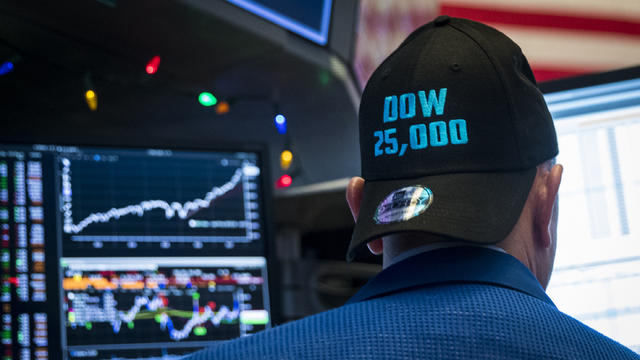
Financial journalist and founder of nonpoliticalnews.com Vera Gibbons stopped by to talk about the current bull market.
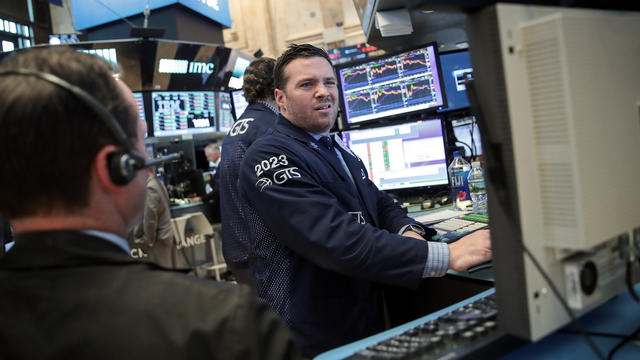
Stocks have their worst day since September as traders worry Washington turmoil will stymie Trump's pro-business agenda.
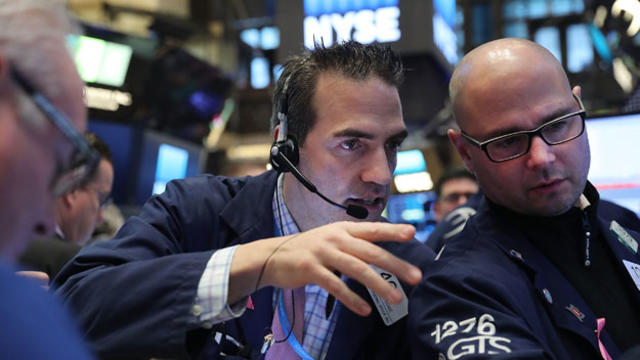
It's been a bull market since the presidential election, but Monday marked the eighth straight day the Dow Jones Industrial Average was down.
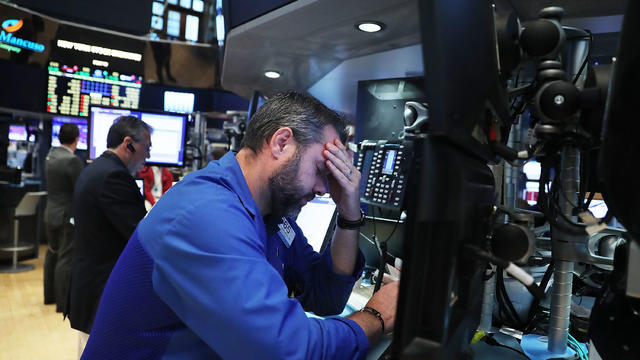
Wall Street declined for a ninth straight day Friday. That is the longest consecutive daily slide since 1980.
International stock markets plunged, oil prices tumbled and the pound fell to a 31-year low Friday as the vote shocked investors and dragged the region, the world's largest economic bloc, into a new era of uncertainty.
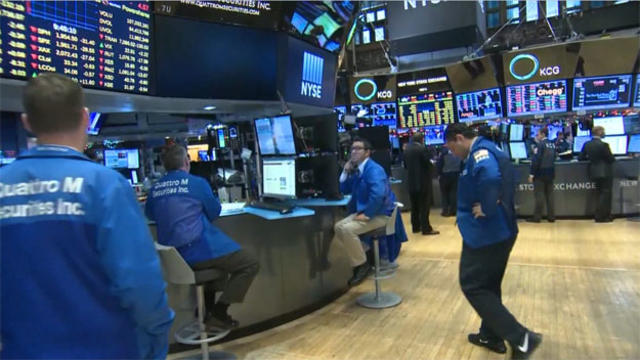
The Dow was down 2.39 percent upon closing Friday afternoon, ending the worst two-week start to a year in history for U.S. stocks.
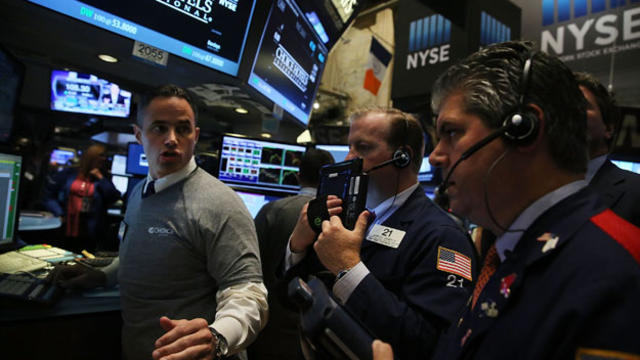
The Dow Jones industrial average fell 204.78, or 1.3 percent, to 15,666.44.

The Dow Jones industrial average fell 45 points, or 0.3 percent, to 17,685 as of 11:45 a.m. Eastern time.
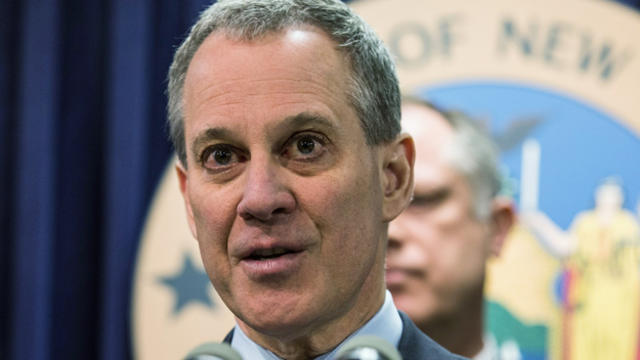
New York Attorney General Eric Schneiderman says Marketwired has agreed to stop selling to high-frequency traders direct feeds of the information it distributes for clients.
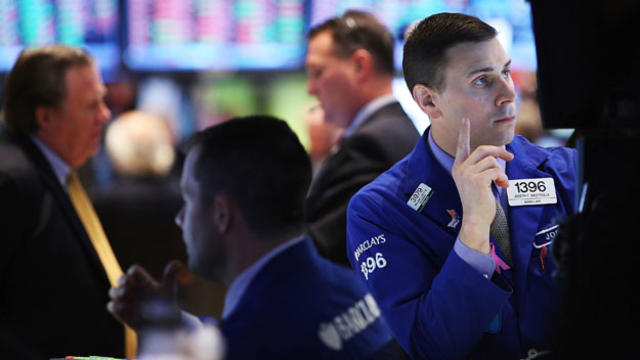
The Standard & Poor's 500 index closed out its best year since 1997 on Tuesday as traders wrapped up a record-setting year.
Facebook Inc.'s slip left it trading just above $34 as the markets closed Monday.