Striking N.Y. prison guards offered new deal as union objects
New York's wildcat prison guard strike is in its 19th day Friday.
Thursday night, state officials had an offer for striking workers, along with a blunt warning.
In a video message, Department of Corrections and Community Supervision Commissioner Daniel Martuscello reminded employees that the state and the union, through arbitration, came to a binding agreement to end the strike more than a week ago, and that officers had been required to return to work by Tuesday.
"Unfortunately, our employees rejected that award and did not return to work, making that agreement null and void," Martuscello said. "Recognizing that I needed to hear from my workforce directly, I traveled the state and took phone calls from correction officers and correction sergeants across this state, hearing directly from them what would be necessary in order for them to return to the workforce."
Martuscello said that led to a verbal agreement between DOCCS, the NYSCOPBA union and the Office of Employee Relations.
Martuscello then accused the union president of "failing his members" by refusing to sign the new agreement.
"I heard my workforce loud and clear, and I will not fail to deliver on what I promise," Martuscello said.
"We want you back. We need you back."
Martuscello said the new agreement:
- Establishes a committee focusing on safety and examining the effects of the HALT Act on staff and prisoners
- 12-hour shifts would continue until staffing returns to normal at each facility, at which point eight-hour shifts would resume
- 2.5x overtime for 30 days from the day officers return to work
- No formal notices of discipline to any employee who returns to work Friday
- Reinstatement of health insurance for those employees whose health insurance had been terminated as a result of the strike
"Correction officers must return and remain at work, meaning they still have time off but they must remain in work status and not rejoin any illegal strike" Friday for the agreement to take effect, Martuscello said. "If they do, all of the contents of this agreement... will apply to those employees."
"I want to be exceedingly clear. This deal is for those who return [Friday], and only for those who have previously returned, who remained on the job or for those who return [Friday]," said Jackie Bray, commissioner of the state Division of Homeland Security and Emergency Services. "Any corrections officer or any sergeant who does not return [Friday], the terms will not apply, and this deal will not be offered again. Specifically, we will not negotiate concerning the dismissal of contempt charges again. It is being offered for those who return [Friday]. We will not again offer employees who have been terminated or resigned the ability to return and the ability to return without discipline."
Bray said the state "will take action against those who continue to return to work illegally," including pursuing contempt charges and termination against those who don't return to work.
"We want you back. We need you back. You need to come back to work [Friday]," Bray said.
Bray said state officials turned over some 1,000 names of striking workers to state Attorney General Letitia James' office for potential contempt charges.
The union, however, said it wouldn't sign the new agreement.
"NYSCOPBA was not appropriately engaged in the development of the currently circulating agreement," the union said in a statement. "This agreement was not negotiated with NYSCOPBA — the legally recognized entity through which all negotiations must be conducted."
"This reflects the will of the people that are directly on the line," Martuscello said.
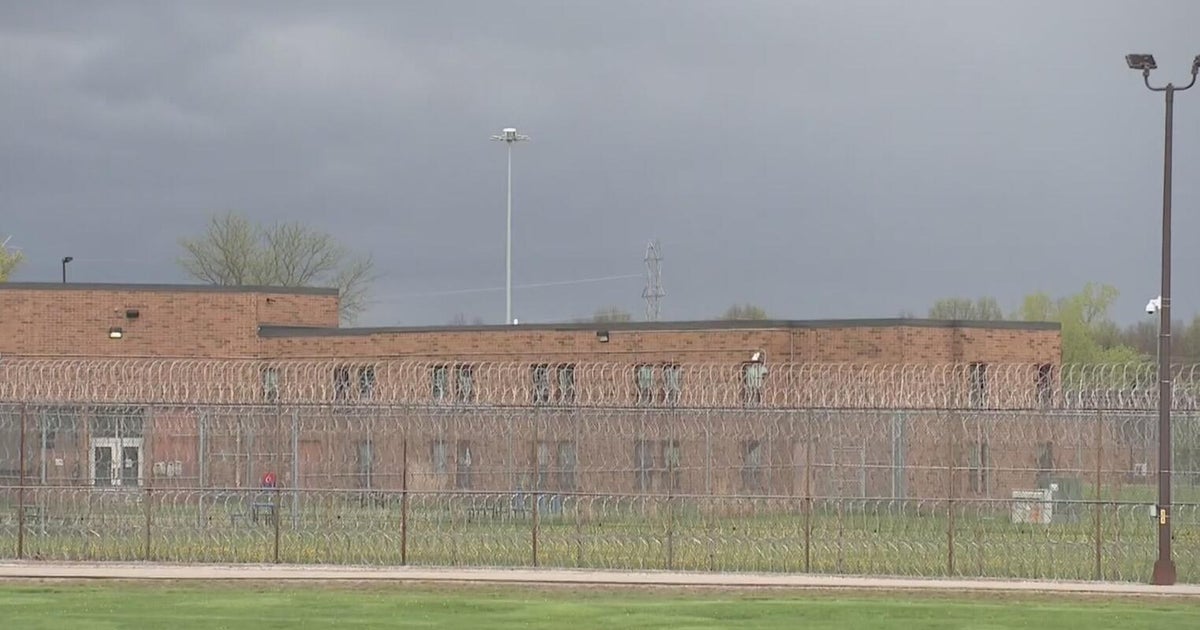
Thousands of National Guard members have been deployed to prisons as a result of the strike, which has ended at most downstate prisons but is continuing in upstate and Western New York.
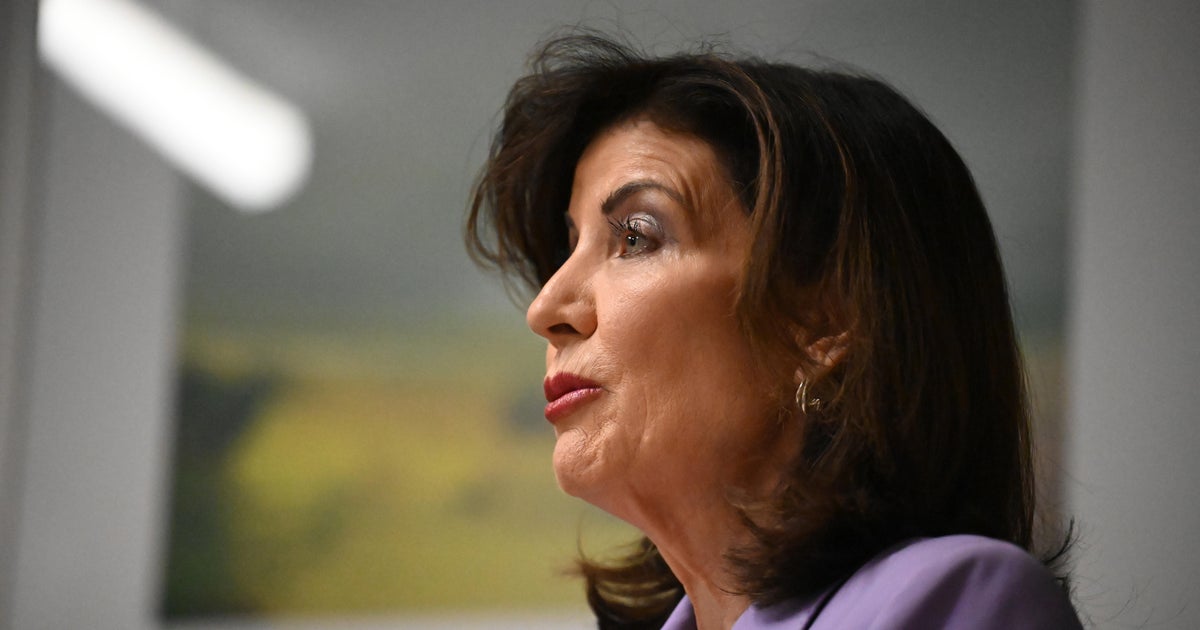
Earlier this week, New York Gov. Kathy Hochul said she's "very sympathetic" to the concerns of the striking workers, but "there is no justification to break the law in the state of New York and they need to get back to work because they have created a dangerous situation for the other corrections officers who lived up to their duty and their oaths and the law."