Locally acquired chikungunya virus case confirmed in New York, health officials say. Here's what we know.
The New York Department of Health has confirmed the first locally acquired case of chikungunya in the state.
The case was confirmed in Nassau County. It's the first locally acquired case reported in the U.S. since 2019, and the first-ever locally acquired case in New York. Three other cases of chikungunya were confirmed in New York this year, but all of them were linked to international travel to destinations with active chikungunya infections.
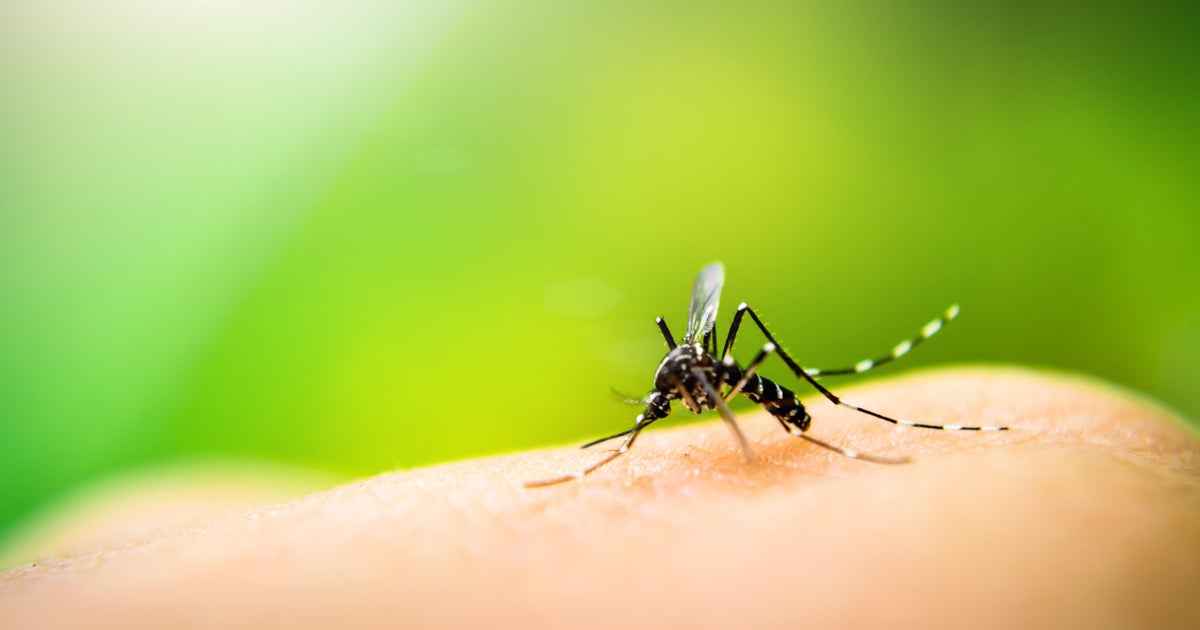
Chikungunya virus is a mosquito-borne illness linked to tropical regions. Officials believe this case was transmitted by a bite from an infected mosquito. The disease can't spread from one person to another.
The patient said she contracted the illness at the end of August but had not left the area she lives in prior to becoming ill.
"Our Wadsworth Center has confirmed this test result, which is the first known case of locally acquired Chikungunya in New York State. Given the much colder nighttime temperatures, the current risk in New York is very low," Health Commissioner Dr. James McDonald said. "We urge everyone to take simple precautions to protect themselves and their families from mosquito bites."
Symptoms include fever and joint pain, headache, muscle pain, joint swelling or rash.
The illness is rarely fatal and most patients recover within a week.
What is chikungunya virus?
According to the World Health Organization, chikungunya is transmitted to humans from infected mosquitoes. Most cases are reported in parts of South America, Asia and Africa, though there have also been cases in Europe and North America.
The disease, which primarily impacts babies and elderly people with coexisting health problems, can cause fever and severe, prolonged joint pain. Other symptoms include joint swelling, muscle pain, headache, nausea, fatigue and rash.
Chikungunya is rarely fatal and has no specific treatment beyond supportive care, officials said.
Click here for more information about the chikungunya virus from the New York state Department of Health.