Increasing elder fraud a "huge concern," FBI and NYC officials say

The FBI says older Americans lost $4.8 billion through fraud in 2024, with reports of theft through fraud jumping 43% in just one year.
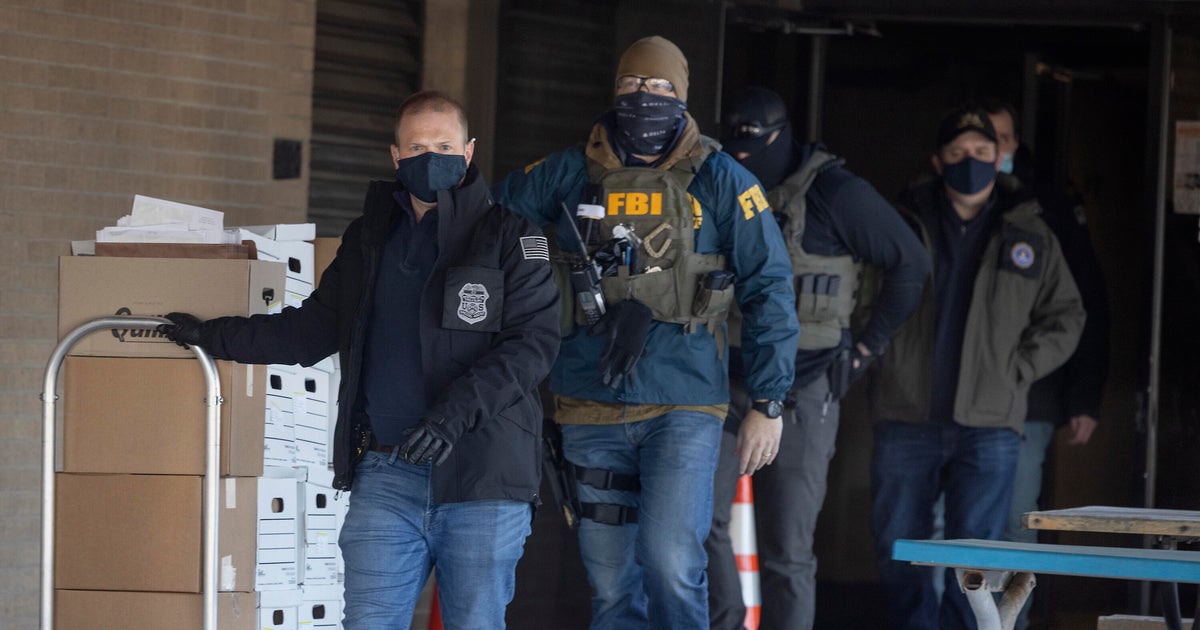
"Elder fraud is a huge concern for us," Michael Ratta, special agent in charge of the FBI's New York criminal division.
Couple lost $500,000 to alleged con artist
Carlos Velazquez, 78, a retired attorney, and his wife Irene, 75, a theater performer, are struggling to pay for today with money that was supposed to fund tomorrow.
"The rug was pulled right out from underneath us, and our whole life changed," Irene said.
The two say they were scammed out of their entire life savings. They say about $500,000 was stolen in September.
"I feel horrible. I feel so stupid. I'm not supposed to be doing stuff like this," Carlos said.
"It's so devastating ... I was sleeping so late because I don't want to get up," Irene said.
It started with a job offer via text message for what they thought was a legit software company offering an opportunity to work from home. They said they were told they needed to make an investment which would generate a big return. Carlos said the alleged con artists convinced him to go to the bank four different times, making wire transfers to Indonesia and Pakistan.
Since then, they've been scraping by, with barely any money left to pay the mortgage on the home where they've lived for more than 30 years.
"December and January, I sold a lot of my jewelry, most of my jewelry, and I sold most of my clothes," Irene said.
A family safe word can help combat elder scams
The FBI says its Internet Crime Complaint Center received nearly 150,000 complaints from people age 60 and over in 2024, with $4.8 billion in losses. Victims lose an average of $83,000.
Ratta warns of schemes targeting grandparents.
"They prey not just on, maybe, a diminished mental acuity. They'll prey on your feelings," Ratta said. "A call might come in to a grandparent saying that their grandchild has been kidnapped and if you don't wire money, a thousand dollars lets say, or another amount, they will be harmed."
Ratta says that, in many cases, AI is being used to generate the calls, messages and voices.
The FBI is fighting back with two initiatives. The first is "Take a Beat," which increases fraud awareness, and Operation Level Up, which focuses on victims.
Ratta recommends creating a family safe word, just in case.
"If you were to get them on the phone, they gave you the password, that would let you know indeed that's your child or grandchild," Ratta said.
"I have to warn other seniors not to be fooled"
Unfortunately, once the money is gone, it's not recoverable, authorities said. There are, however, elderly crime victim compensation grants and programs to help with everything from meals to financial and emotional support.
"We'll connect that older person to the Crime Victims Compensation Board. We'll complete the application for them, we'll walk them through the process and in addition to that, we'll refer them to other agencies to compensate for some of the financial loss," NYC Department of the Aging Commissioner Lorraine Cortes-Vazquez said.
Carlos and Irene are also living with aging health issues in their Manhattan home.
"I can't work anymore. What am I going to do?" Carlos said.
They hope others can learn from them.
"I have to warn other senior citizens not to be fooled, not to respond to these people on their cell phone," Irene said.
They have a few choice words for the faceless cyber scammers.
"They are really heartless," Irene said.
Resources for victims
- National Elder Fraud Hotline 1-833-FRAUD-11 (833-372-8311)
- U.S. Department of Justice (DOJ) Elder Justice Initiative: https://www.elderjustice.gov/
- U.S. Administration on Aging, Eldercare Locator: 1 (800) 677-1116 or click https://eldercare.acl.gov
- Financial Industry Regulatory Authority (FINRA) Securities Helpline for Senior: 1 (844) 574-3577 or click https://www.finra.org/investors/need-help/helpline-seniors
- Senate Subcommittee on Aging Fraud Hotline 1 (855) 303-9470 or click https://www.aging.senate.gov/fraud-hotline
- AARP Fraud Watch Network Helpline 1 (877) 908-3360 or click https://www.aarp.org/money/scams-fraud/helpline