Atlantic Avenue rezoning in Brooklyn draws criticism from residents seeking affordability

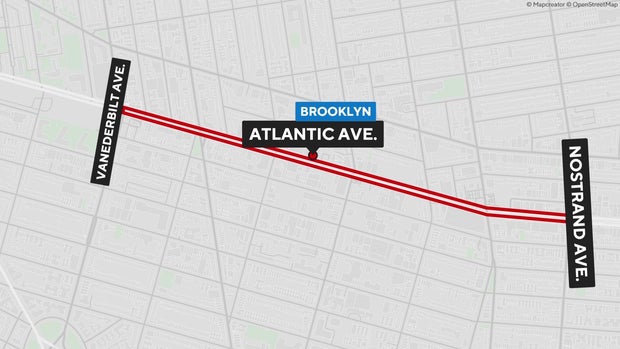
A historic rezoning of Atlantic Avenue in Brooklyn is expected to reshape the corridor with thousands of new apartments in the coming years, but some residents and tenant advocates say the plan prioritizes luxury development over deeply affordable housing.
The Atlantic Avenue Mixed Use Plan, approved by the New York City Council in the spring, is projected to add roughly 4,600 housing units along a stretch of the avenue, parts of which have not been comprehensively rezoned since the 1960s. About 40% of those units will be classified as affordable.
"Our community is being displaced because of this housing"
Tenant activist and Prospect Heights resident Mimi Mitchell said the plan does not address the most pressing housing needs in the neighborhood.
"Working and middle-class folks in this community are having a really hard time not only staying, but also finding places to live," Mitchell said.
She argued that the type of housing being built will worsen displacement pressures once developments start popping up.
"Luxury housing, which is mostly what is being built here, it is not serving the needs of our community. And our community is being displaced because of this housing," Mitchell said.
The rezoning covers an area the city has described as a mix of vacant lots, self-storage facilities and auto-related businesses, including an industrial district that previously allowed only low-rise buildings.
Community advocates had pushed for what is known as "Option 3," a framework that would have required fewer affordable units (20%) overall but set them aside for lower-income households, those making 40% area median income (AMI). Instead, the council approved "Option 1," which requires 25% of units in new buildings to be affordable to households across a broader range of incomes, set at 60% AMI.
Crown Heights resident Jamell Henderson said the decision could reshape the neighborhood's demographic makeup.
"There's going to be a lot of high-income residents that are going to drive out homeowners and even residents that are living in rent-stabilized units because those landlords are going to try to compete," Henderson said.
"It's important to me that we include housing for everyone"
Councilmember Crystal Hudson, whose district includes much of the rezoning area, defended the outcome and said the process was driven by community input.
"It's important to me that we include housing for everyone, people with good jobs and good wages, people who are coming out of homelessness, older adults who are on a fixed income and everyone in between, and that's exactly what this rezoning will do," Hudson said.
Parts of the rezoned footprint also fall within the district of Councilmember Chi Ossé, who likewise voted in favor of Option 1. In a statement, Ossé wrote, in part, "Limiting affordability to a lower threshold would shut out many long-time residents who are not wealthy but also do not qualify for the lowest AMI thresholds."
Mitchell said opponents of the plan are now considering filing a text amendment to the law in hopes of incorporating elements of Option 3. Any amendment would require coordination with the Department of City Planning and approval by the City Council.
Hudson said she applauds what she calls a long-term, community-led decision.
"I'm happy with where the plan landed, but I've always done things rooted in community. And so if that's what the community wants to do, and the choice is to delay progress for this project as is, and open the doors for that, then we'll see," she said.
Have a story idea or tip in Brooklyn? Email Hannah by CLICKING HERE.