
"Fireball meteor" lights up skies across Minnesota, Wisconsin
Some people were treated to an astral spectacle late Wednesday night, as a "fireball meteor" flashed across the night sky in parts of Minnesota and Wisconsin.
Watch CBS News
Some people were treated to an astral spectacle late Wednesday night, as a "fireball meteor" flashed across the night sky in parts of Minnesota and Wisconsin.

Some people were treated to an astral spectacle late Wednesday night, as what appeared to be a meteor flashed across the night sky in parts of Minnesota and Wisconsin

You'll be able to catch it through Saturday, Nov. 1 in Minneapolis.

The September Harvest Moon will see a partial lunar eclipse, peaking the night of Tuesday, Sept. 17.

The Perseid meteor shower peaked in the night skies of Sunday into Monday, giving astronomy fans one of the best shows of 2024 as they looked to the skies.

People across the eastern U.S. and in parts of Canada saw a dazzling light show on Wednesday night, as a fireball entered the atmosphere and burned up.
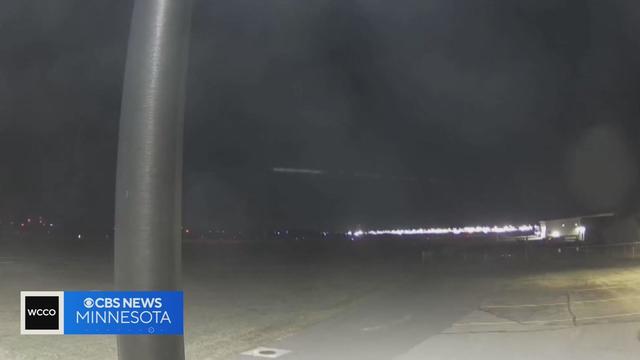
People in Bemidji are asking themselves a bit of an unusual question: did a meteor land in Minnesota?

People in Bemidji are asking themselves a bit of an unusual question: did a meteor land in Minnesota Monday evening?

The sheriff's office says they got tons of calls from across the area regarding the occurrence.
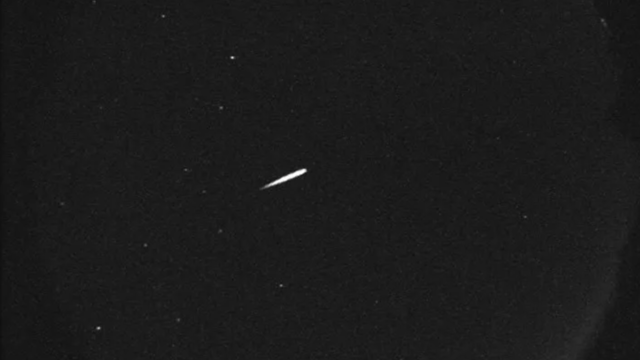
The Orionids are known for their brightness and speed, traveling at about 41 miles per second.

Suzy Kop, a resident of the home, told CBS Philadelphia that the object landed in her father's bedroom.

"Depending upon the type of meteorite this is, specimens could easily be worth their weight in gold," said an official at the Maine Mineral and Gem Museum.

The 1-meter asteroid was discovered just hours before it hit Earth's atmosphere and almost 10 years to the day that an asteroid about 20 times bigger hit Chelyabinsk, Russia.

NASA successfully crashed its DART spacecraft into an asteroid in hopes of altering the space rock's trajectory. Scientists hope to be able to use a similar strategy to protect Earth from future incoming asteroids. CBS News' John Dickerson speaks with Derrick Pitts, chief astronomer at Philadelphia's Franklin Institute, about the historic implications of this unprecedented test.