Spring has only started to spring, but ticks are already out in Minnesota

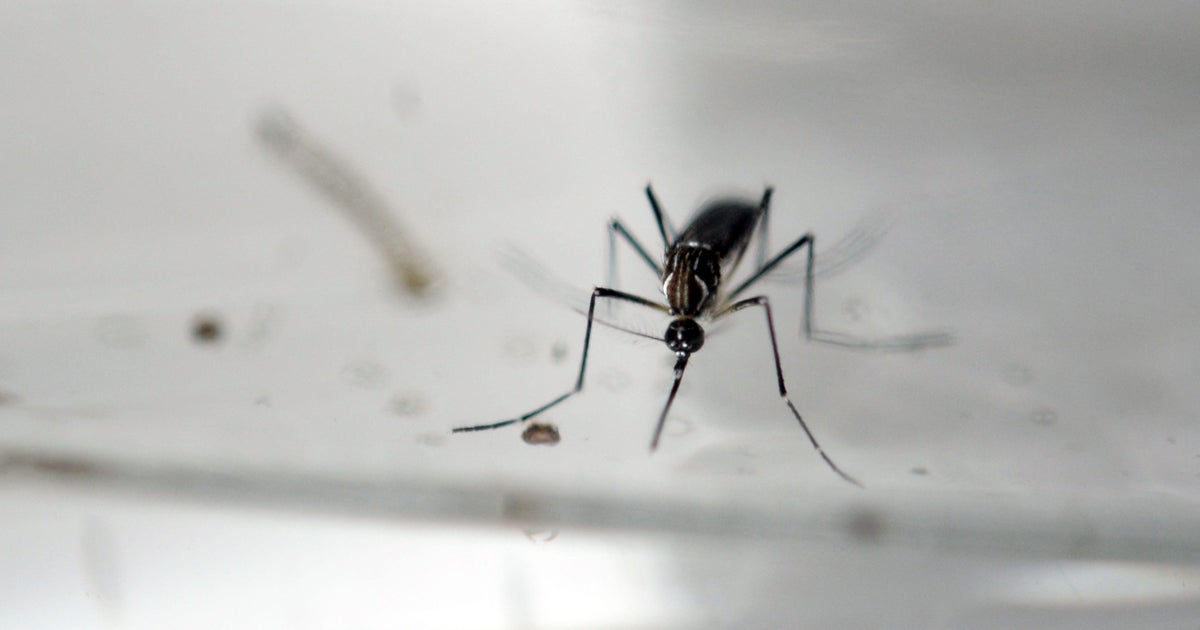
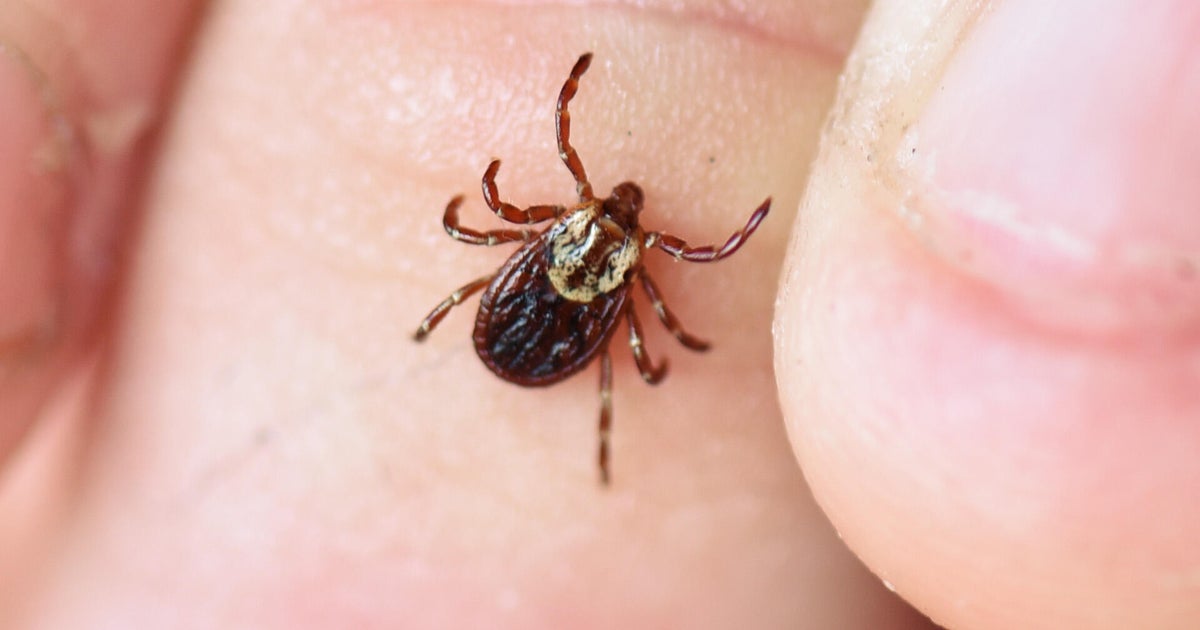
While early predictions have warned of a potential surge in mosquito numbers this summer, some are sounding the alarm on a different bloodsucker – ticks are back in business in parts of Minnesota.
"Ticks are always out first," Alex Carlson, with Metropolitan Mosquito Control District, said. "Ticks are out as soon as it's warm enough. And then they'll stay out long after the other bugs are gone."
Carlson and his team at MMCD are jumping back into their busy season – monitoring black flies, ticks and mosquitoes in Minnesota.
"The big thing we're predicting this year is a Fourth of July surge," Carlson said, "because of the species that's actually dependent on last year's rain."
Carlson is talking about mosquitoes, and this summer predictions show a fourfold spike. But when it comes to ticks, Carlson says things are looking pretty average.
"Ticks are something we just do surveillance for. There's not an environmentally sensitive way to do widespread tick control," Carlson said.
Dr. Benjamin Clarke, a biomedical sciences professor for the University of Minnesota Medical School, Duluth Campus, says that's no reason to put down the repellent.
"It's a living hypodermic needle and all it's caring about is the next blood meal," Clarke said. "So whether it's a deer, a dog, lizard or bird, or us, they're going to bite and feed."
There are at least nine different tickborne diseases, according to the Minnesota Department of Health.
"The tick needs to be attached for a good 20 to 24 hours before it can successfully transfer the bacteria," Clarke said.
But some tickborne illnesses like the Powassan virus, which is popping up in some southern parts of the state, can be instantaneous. The risk of human infection is greatest in late spring and summer. That's why experts like Clarke say prevention is easier than treatment.
Clarke recommended keeping and wearing a tick repellent, wear appropriate clothing to prevent the bug from skin access, and check your skin when you return home.
Ticks typically live in grassy, brushy or wooded areas and, sometimes, even on animals. The CDC says activities like walking your dog outside, camping, gardening or hunting could bring you in close contact with the bug.
Clarke says if you find a tick on your body, remove the bug and its head entirely with a pair of tweezers, or something similar. If you feel flu like symptoms after being bite, see a doctor immediately. It might help to bring the tick, too.
"I think our enjoyment of the outdoors overrides that potential danger because there are measures you can take," Clarke said.
The Minnesota Department of Health has a map of high-risk areas for tickborne diseases online. Click here to see the map.