What are Minnesota Republicans' and Democrats' priorities for the 2026 legislative session?
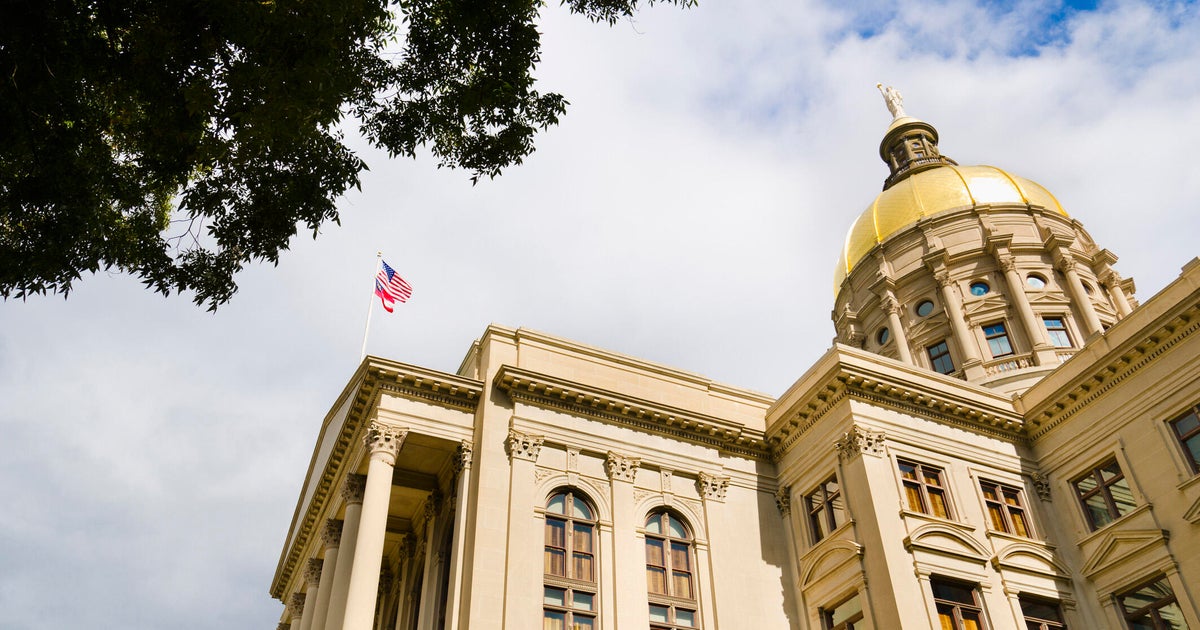
The Minnesota Legislature convenes for the 2026 session on Tuesday, returning to a divided government that will force compromise in order for any legislation to clear the finish line.
The House remains tied equally between Republicans and Democrats and the DFL maintains its one-seat majority. Session comes against the backdrop of a national spotlight on Minnesota because of the surge of immigration enforcement agents in the state, which led to violent clashes and the killing of two U.S. citizens — an operation that is now nearing its end.
And it's the first meeting of the Legislature since the shooting attacks on their colleagues last summer that killed former House Speaker Melissa Hortman and her husband Mark, and wounded Sen. John Hoffman and his wife Yvette. An otherwise celebratory first day— when some committees get right to work— will instead focus solely on honoring Hortman and her legacy in the Capitol.
New security screenings for weapons will be positioned at all entrances, marking the first time the State Capitol has implemented such measures.
Leaders in both parties across both chambers said in interviews with WCCO that they are committed to working to advance their priorities while acknowledging the political makeup of the building will require bipartisan solutions to the state's biggest challenges.
What are the DFL's top legislative priorities?
After a two-year trifecta where Democrats had total control of the Capitol — both chambers and the governor's office — they were riding high after passing a wave of progressive priorities.
Among their accomplishments in 2023 and 2024 were expanded background checks for gun purchases and a so-called "red flag" law designed to temporarily suspend a person's access to firearms if deemed a harm to themselves or others. Notably, they did not approve an assault weapons ban.
But that is a top priority this year, despite the political hurdles, in wake of the Annunciation Catholic Church shooting last August that killed two children during school mass and injured more than two dozen others.
"This is not a controversial issue once you get outside of a three-block radius of the Capitol," said DFL House Leader Zack Stephenson. "Every poll that has been taken shows that an assault weapons ban, getting weapons of war off the streets, is overwhelmingly popular among regular Minnesotans."
Any bill needs bipartisan support to get to the floor for a final vote, but he suggested there are "more tools in the toolbox" to force votes another way.
In the Senate, where it's unclear if all Democrats in their narrow majority support such a measure, DFL Majority Leader Erin Murphy said the proposal will come to the floor as part of a package focused on gun violence prevention.
"I don't see how we get out of the session without taking that vote. I think the community expects it. I think my colleagues who represent that area in the state expect it, and I think we should take the vote," Murphy said.
Both Stephenson and Murphy said the ICE surge in the state — even if it's ending — and its impacts cannot be ignored. Among some of Democrats' ideas: prohibiting ICE agents from wearing masks and using marked cars, and providing economic relief for small businesses that have suffered as a result of the surge.
There are also proposals expected that would provide relief for small businesses and rental assistance for people who were too scared to leave their homes.
"When you watch these videos of people being violently thrown to the ground by masked police agents, throwing people in the back of unmarked cars — it's not Minnesotan. It's not American," Stephenson said. "If we don't fight for that, what are we doing here?"
Stephenson also said fighting fraud is a priority and he wants the Legislature to consider overhauling how programs are administered, which right now is largely through private companies that bill the state for the services they provide. Both leaders also said affordability is a top issue.
The current two-year budget is already enacted with a potential future deficit in mind, but Democrats fear federal funding cuts from the Trump administration could force more tough financial decisions.
"We also need to make sure that we are mindful of the budget and the incredible unpredictability of this federal government and this White House, who continue to suggest that they're going to take money from the state's budget if they don't get what they want," Murphy said.
What are Republicans' top legislative priorities?
Republican lawmakers, who have been sharply critical of Gov. Tim Walz's administration's handling of fraud in public programs, think they've had the upper hand on the issue. Finding solutions, both House Speaker Lisa Demuth and GOP Minority Leader Mark Johnson say, are key priorities for their caucuses.
Demuth told WCCO she thinks it's time to take a closer look at some of the programs the state is paying for and evaluate if they should be taxpayer-funded in the first place.
"Not saying anything specific at this point, but we really have to fine-tune and look, you know, when Housing Stabilization Services, when there were dollars given to that, and the bulk of that was fraud, so the governor ended that program. You have to question whether or not that was the government's responsibility or the state's responsibility," Demuth said. "We're headed toward a deficit. That means that we are not raising taxes on Minnesotans anymore. Minnesotans are overtaxed as it is. We have to really look at finding ways to have cost savings within the government."
Republicans will again push for a new Office of Inspector General to independently investigate fraud. The plan received bipartisan support in the Senate, but it didn't clear the House. She thinks both parties can work together to fix the problem.
"Fraud is not Democrat or Republican. As demonstrated by our Senate colleagues, too, that's clearly on the top of mind for everyone," she said.
As Democrats vow accountability measures for federal immigration agents, like banning their use of face coverings, Demuth wouldn't commit to supporting any of those bills, which would require GOP support.
She thinks winding down Operation Metro Surge, which border czar Tom Homan on Thursday announced would soon happen, will "take that legislative pressure off a little bit."
Johnson questioned if Minnesota would even have the authority to regulate certain conduct or equipment used by federal agents, citing the Supremacy Clause of the U.S. Constitution.
"We're looking at an education system that's falling behind nationally. We're looking at a climate right now that taxes are rising, cost of living is rising. We're looking at all the fraud going on. These are the things that we have a lot of agency and we should be taking it really into account and doing this session," Johnson said. "But yet, the Democrats are looking at these areas that, quite frankly, we don't have a lot of ability to change the federal law here in the state."
While Johnson does not wield much power in the DFL-controlled chamber, he believes they can work with Democrats on bipartisan solutions on fraud, affordability and education.
He also thinks there is room for a bonding bill funding infrastructure projects that requires GOP votes to pass.
"Republicans are going to be very focused on what we can do to improve the lives of everyday Minnesotans," he said.
Demuth said another top priority for Republicans is tax conformity, or aligning the state's tax code with federal tax law updates. Some states automatically do this, but Minnesota does not.
There were a number of federal changes in the so-called "One Big Beautiful Bill" that passed Congress last summer.
"The federal no tax on tips, no tax on overtime, even into the education space that federal tax credit for education choice, we would have to opt into all of those things," Demuth said.
That could tee up a partisan fight, but Demuth hopes the provisions, because they focus on affordability, would attract Democrats' support.
The speaker also would not commit to having a vote on the House floor on any gun-related measures, as Democrats would like to see. She said Republicans are focused on other safety measures and mental health support.
House Republicans will also revive a bill discussed last session that would provide grants to schools for security upgrades.