Lake Minnetonka Klondike Dog Derby ending permanently due to "increasingly warm winter conditions," organizers say
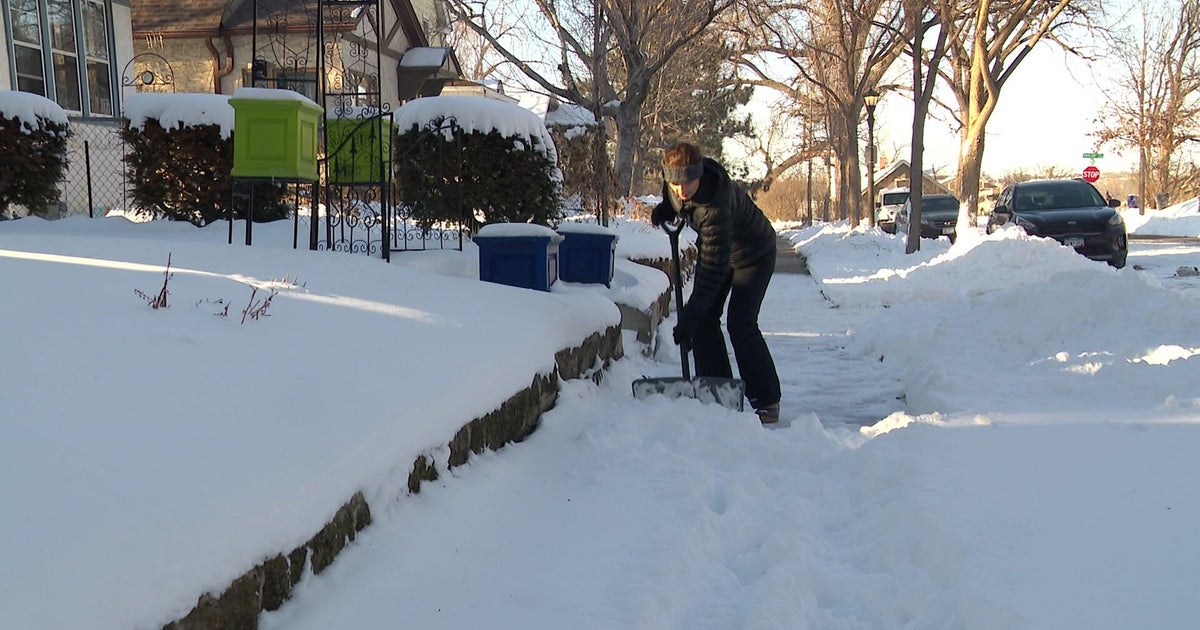
After three straight years of cancellations, the Lake Minnetonka Klondike Dog Derby will call it quits for good due to "increasingly warm winter conditions," organizers said.
The dogsled race, which started in downtown Excelsior, Minnesota, and ran 40 miles on Lake Minnetonka, was axed in 2024, 2025 and this year, with organizers citing unsafe conditions each time. It typically took place in early February.
"After three consecutive years without being able to run the race for safety reasons—and only three successful races in the past seven years—we have concluded that it is no longer sustainable for our 100 percent volunteer‑run organization to continue," the organization's board of directors wrote in a letter. "The race requires two weather conditions that have become increasingly unreliable: solid lake ice and adequate snow cover. In recent years, achieving both has been, at best, a fifty‑fifty chance, leaving us with an unsafe course on which to run a sled dog race."
The first derby was held in 2020. The 2021 race was canceled due to COVID, then two successful races were held before the recent run of unfavorable weather.
Organizers said the event, which also included food and festivities, drew 30,000 people annually. The race "quickly earned a reputation in the mushing world as 'world-class,'" they said.
A farewell event is in the works.
According to the Minnesota Department of Natural Resources, Minnesota warmed by 3 degrees Fahrenheit between 1895 and 2020, and "the most dramatic changes have come in the past several decades."
"Although climate conditions will vary from year to year, these increases are expected to continue through the 21st century," the DNR said.
According to climate scientists, 2025 was Earth's hottest year on record. It marked the first time the three-year temperature average surpassed the threshold set in the 2015 Paris Agreement of keeping warming to no more than 2.7 degrees Fahrenheit since preindustrial times. Experts said staying below that limit could save lives and prevent catastrophic environmental destruction globally.