Early voting for the Minnesota primary starts Friday. Here's what you need to know.
While the 2026 Minnesota primary is still over a month away, voters can start casting their ballots on Friday.
Minnesota is an open primary state, meaning voters do not have to declare a party to participate. However, voters must stick to candidates from one party on their ballot in partisan races.
Ways to vote
The primary is Aug. 11, but voters can submit their ballots early by mail or in person.
By law, Minnesota voters can start voting absentee 46 days before an election. You can request an absentee ballot be mailed to you, which you can then fill out and place back into an envelope for it to be verified by a ballot board and counted later. Completed absentee ballots can be mailed back or submitted in person.
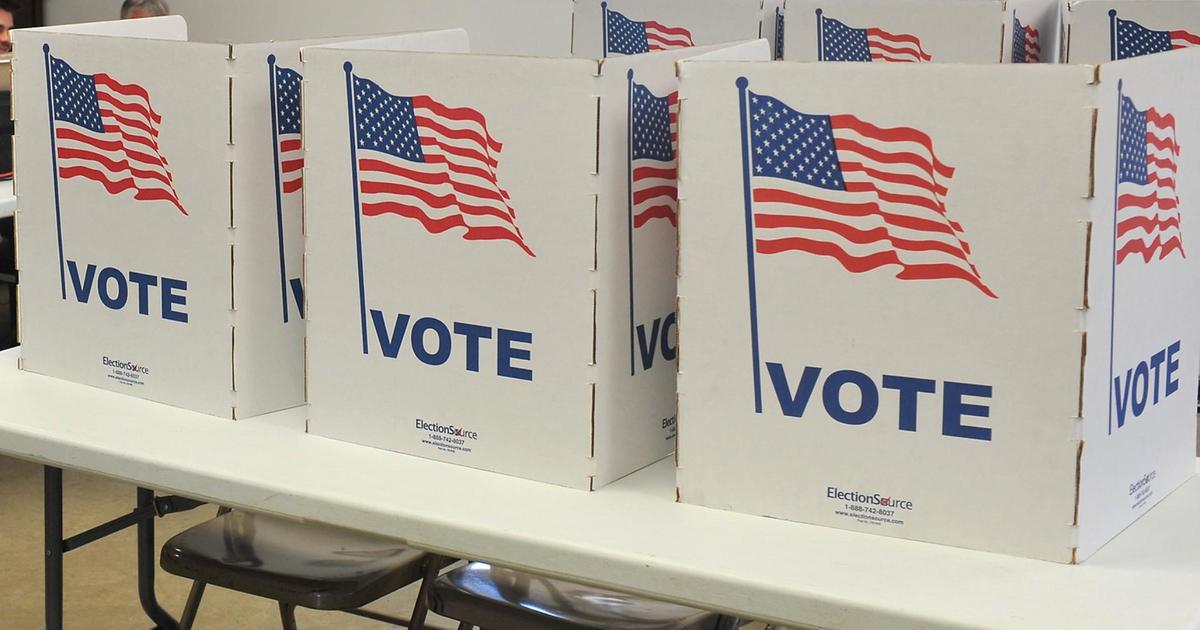
Another option is in-person absentee voting, which also begins 46 days before the primary. Instead of getting an absentee ballot mailed, you can go to an absentee voting location, where you will fill out an application, receive a ballot and vote there before returning it to an election official. The completed ballot will go into an envelope and a ballot board will review it later.
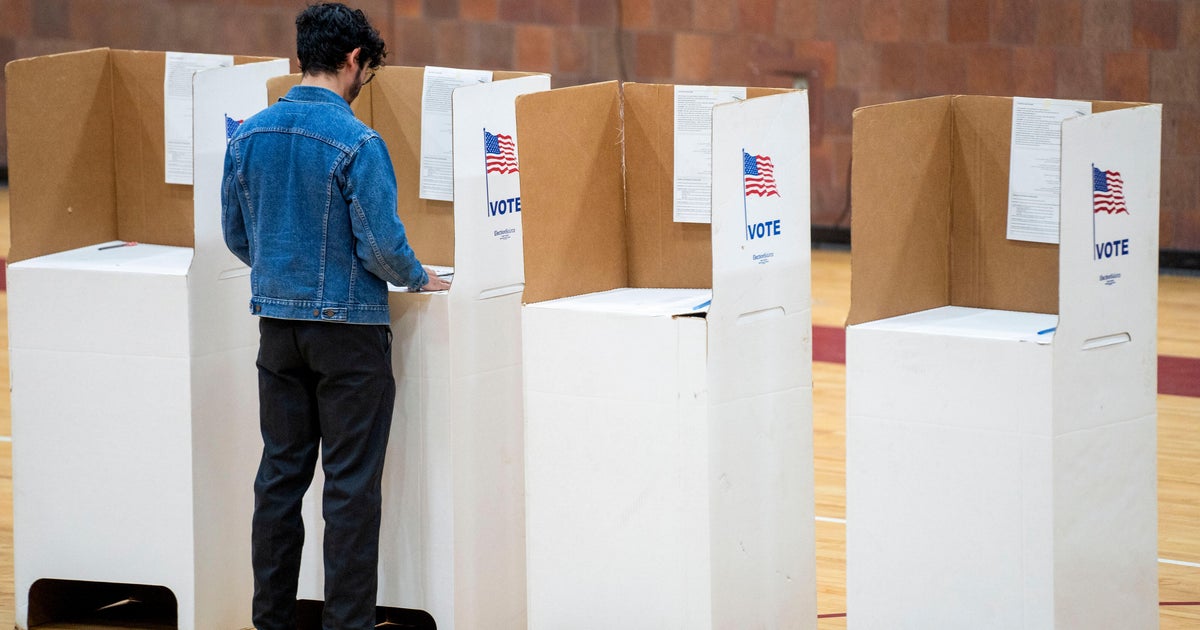
Early voting will be available for the first time in 2026. Starting 18 days before the election, early voting is similar to voting at a polling place on Election Day. You will receive a ballot and vote at the polling place before inserting it into a ballot tabulator. For the primary election, early voting will begin July 24.
The last day to vote early in person will be Aug. 10.
What's on the ballot?
The primary election will determine candidates for each political party in the November general election and will feature candidates for both partisan and nonpartisan races.
Seven candidates are vying to be the Republican nominee for governor. The top three candidates are Kendall Qualls, Lisa Demuth and Mike Lindell. Qualls won the party convention endorsement last month.
The DFL also has seven candidates, with Amy Klobuchar as a heavy favorite.
One of Minnesota's two U.S. Senate seats is up for election as Sen. Tina Smith retires. The top two candidates for the DFL are Peggy Flanagan and Rep. Angie Craig; Adam Schwarze, Royce White and Michele Tafoya are considered top candidates on the Republican side.
The entire Minnesota Legislature is up for election in November, with primaries for 16 state Senate races and 20 state House races. Several candidates for local offices and the U.S. House will appear on ballots, in addition to candidates for secretary of state, state auditor and attorney general.
The race for Minnesota's 2nd Congressional District is expected to be one of the more competitive races. Six DFL hopefuls are competing to face Republican Sen. Eric Pratt in November.
You can see a list of the candidates and ballot questions you'll be voting on in both the primary and general elections on the Minnesota Secretary of State's website. There, you can also find a list of in-person absentee voting locations.