Report finds "Alligator Alcatraz" cost nearly 3 times standard rate
A federal watchdog found Florida opened the Everglades detention center without federal authorization, driving per-detainee costs to nearly three times the standard rate.
Watch CBS News
A federal watchdog found Florida opened the Everglades detention center without federal authorization, driving per-detainee costs to nearly three times the standard rate.
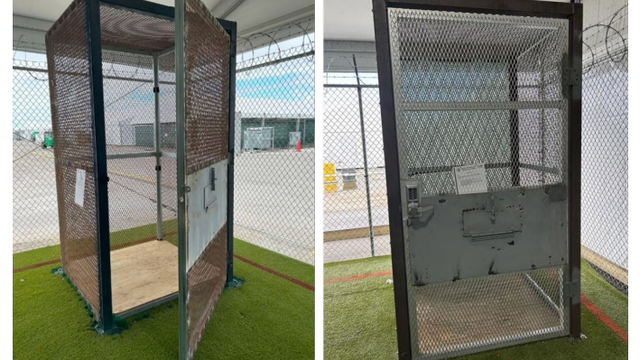
DHS's internal watchdog is sharply criticizing conditions in a Florida immigration detention center dubbed "Alligator Alcatraz," finding detainees at the now-closed facility were held in "cramped conditions."
Republicans voted yes, Democrats no, as the panel approved funds for contracts already fulfilled and a worst-case $1.5B deficit looms.

Gov. Ron DeSantis said he wished Guthrie luck, but politics and emergency management don't mix and he accepted his resignation.
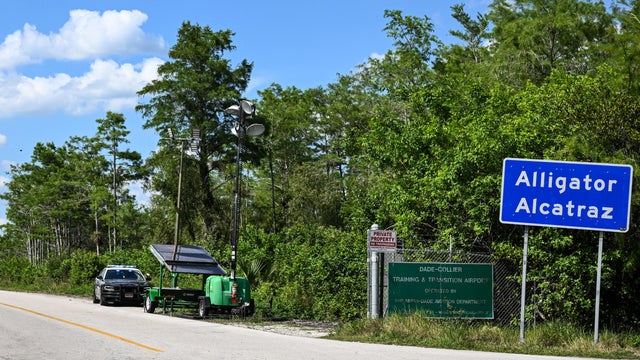
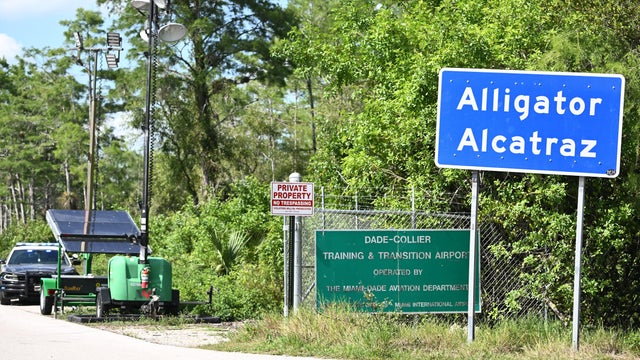
The lawsuit argued the Florida Division of Emergency Management violated the federal Clean Air Act by failing to get air quality permits for the facility.
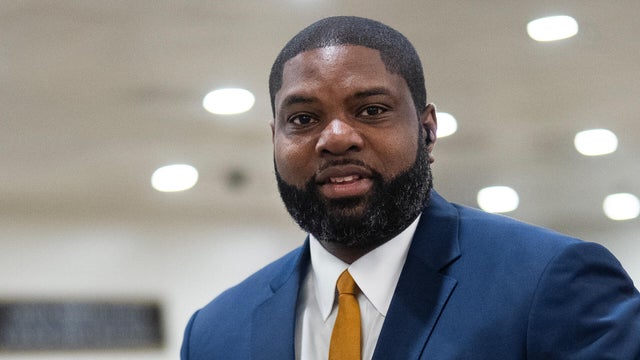
The likely Republican candidate for governor, Congressman Byron Donalds, said he would vote for it, but as he told CBS Miami's Jim DeFede, if it does fail, they will tackle the issue again next year.
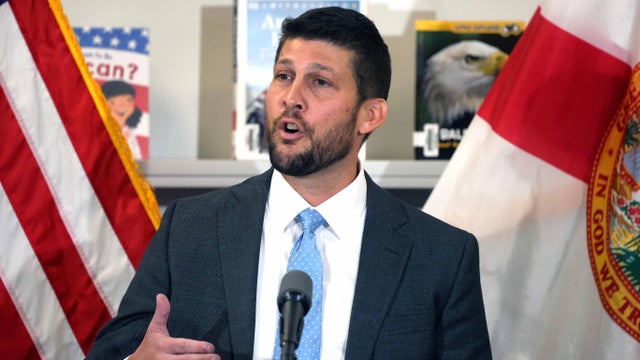
Florida Attorney General James Uthmeier has avoided talking about both topics with opponents calling him "the most corrupt attorney general Florida has had."
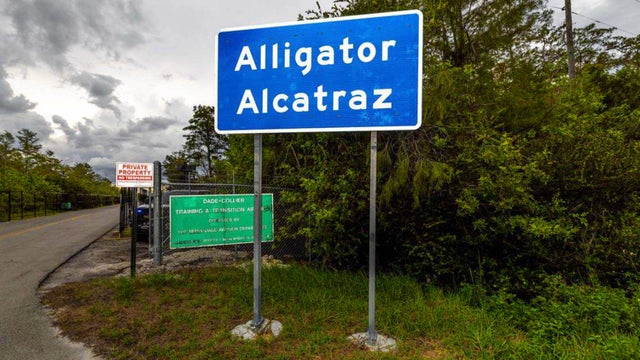
On Thursday, Governor Ron DeSantis announced the closing of Alligator Alcatraz, the highly controversial immigration detention center that was the subject of numerous lawsuits as well as allegations of abuse.
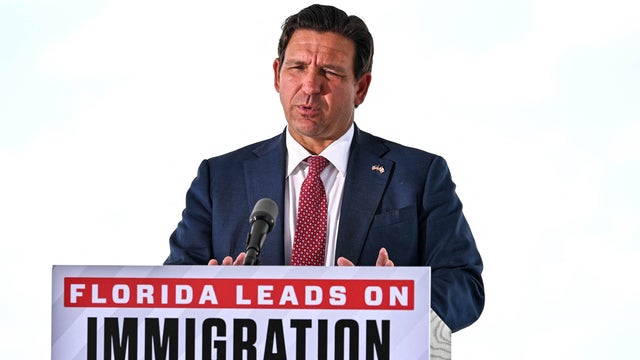
Conditions at "Alligator Alcatraz" were criticized by lawyers, families and human rights groups who claimed detainees were mistreated.
The controversial Alligator Alcatraz detention center in the Florida Everglades could close soon, even as state officials continue to send mixed signals about its future.
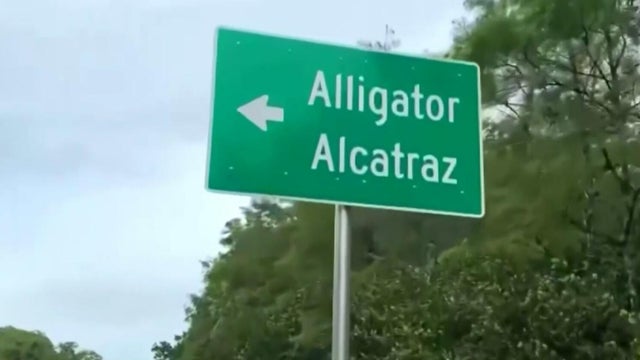
Closing Florida's "Alligator Alcatraz" has been the subject of speculation for the past two months.
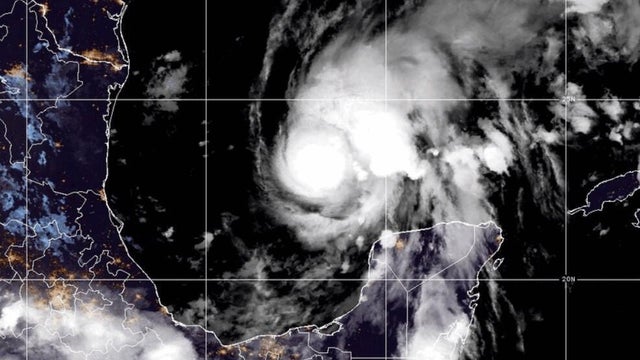
ICE has moved detainees out of a controversial soft-sided detention center in the Florida Everglades known as "Alligator Alcatraz," a spokesperson said, citing safety concerns around hurricane season.

Florida Rep. Maxwell Frost traveled to the detention center in the Florida Everglades on Tuesday
As the state awaits federal reimbursement for the project, one environmental organization suing to close the facility claims the state sought far more federal money than previously disclosed.
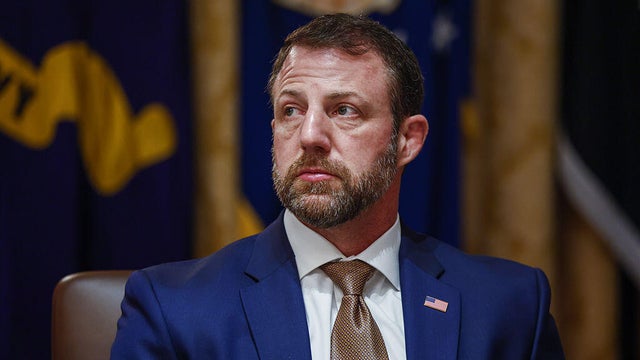
DHS Secretary Markwayne Mullin said the department has no plan to shut down Alligator Alcatraz, following reports that companies hired by Florida to operate the detention center were told it would close.
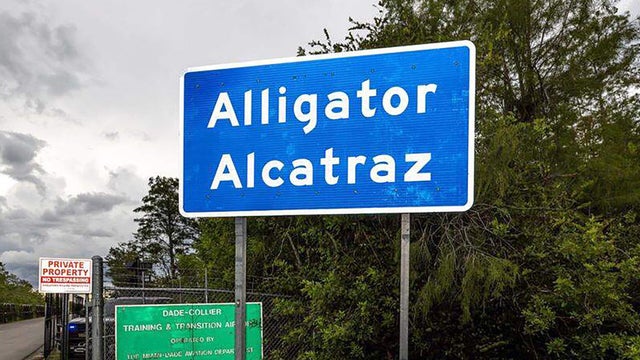
The closure comes amid escalating operating costs for the facility, which are now estimated to total nearly $1 billion.
New state records show the Florida Division of Emergency Management has now spent nearly $460 million from emergency preparedness funds on immigration enforcement-related costs over the past year.
State of Florida and federal officials are discussing the closure of the controversial "Alligator Alcatraz" immigration detention center, according to the New York Times.
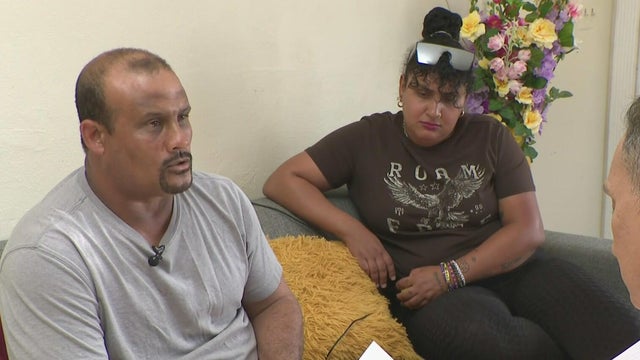
An immigration attorney said this case reflects the limits facing immigrants with serious criminal convictions.
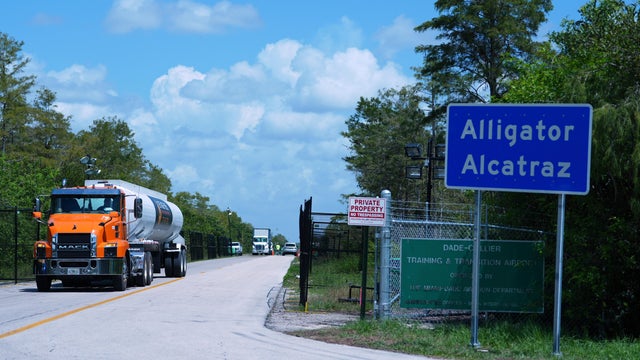
Friends of the Everglades, one of the groups leading the legal challenge, argues the facility is harming the Everglades ecosystem and insists the fight is far from over.
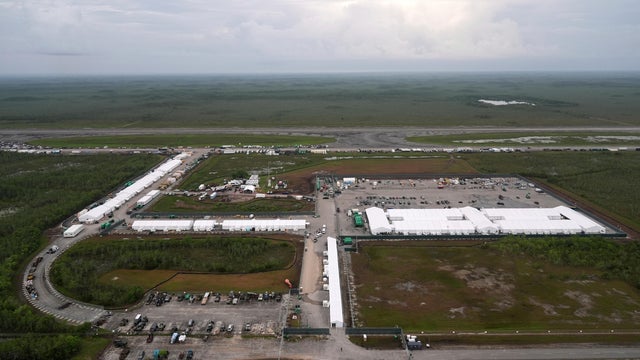
An appeals court has decided that an immigration detention center in the Florida Everglades known as "Alligator Alcatraz" will remain open.

Maikel Rojas, 45, was detained by U.S. Immigration and Customs Enforcement in October last year after showing up for a routine, court-mandated annual check-in at the Miramar immigration office.
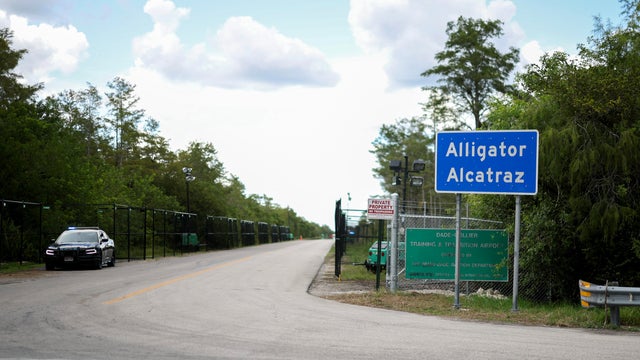
The visit is drawing renewed attention to allegations about the conditions inside the detention center, often referred to by critics as "Alligator Alcatraz".
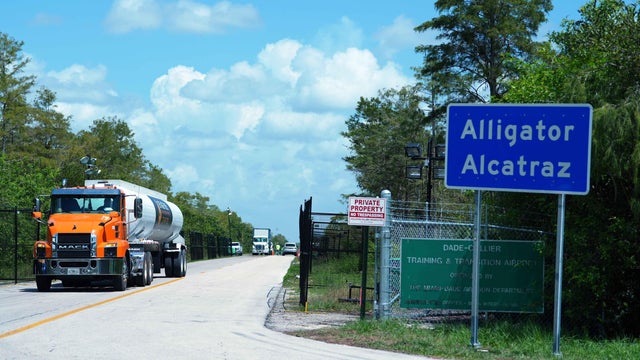
Environmental groups asked a federal appellate court panel to lift a temporary halt on closing "Alligator Alcatraz"

Some members of the State Immigration Enforcement Council said immigrants who aren't criminals should be able to stay in the country, under certain conditions.