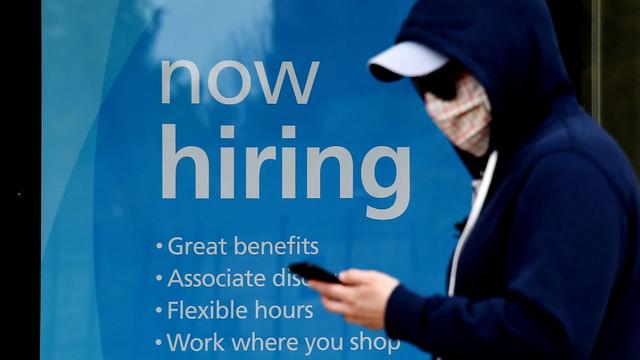
Florida Jobless Rate Drops To 7.4 Percent
With the state gaining back more than half of the jobs lost since the start of the coronavirus pandemic, Florida's unemployment rate dropped to 7.4 percent in August.
Watch CBS News
With the state gaining back more than half of the jobs lost since the start of the coronavirus pandemic, Florida's unemployment rate dropped to 7.4 percent in August.
Here are the latest numbers and information you need to know at-a-glance as of 12:00 p.m. on September 18, 2020.

Quick actions saved the life of a Port St. Lucie man who was attacked by a large alligator while he was out walking his dog.
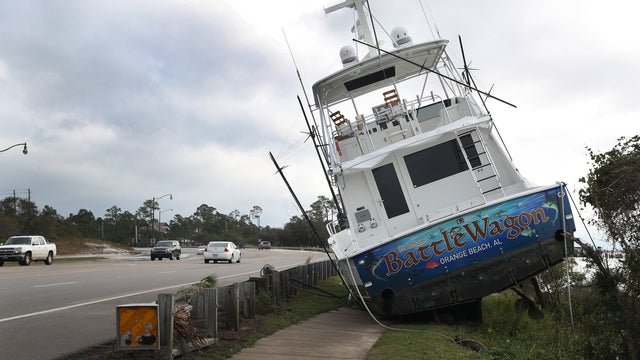
Pounding surf, surging floodwaters, and driving rain are wreaking havoc from eastern Alabama to central Georgia.
Nearly 60,000 poor, disabled and elderly residents are on a waiting list for placement in Florida's Medicaid managed long-term care program. But the number of people on the list will be drastically reduced in the coming months.
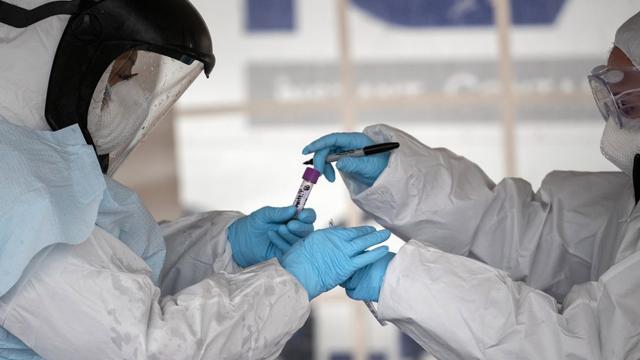
State versus federal? Which data set nursing homes should rely on as a benchmark for coronavirus testing has been a pressing question for Florida facilities the past several weeks as they begin using rapid testing kits provided by the federal government.
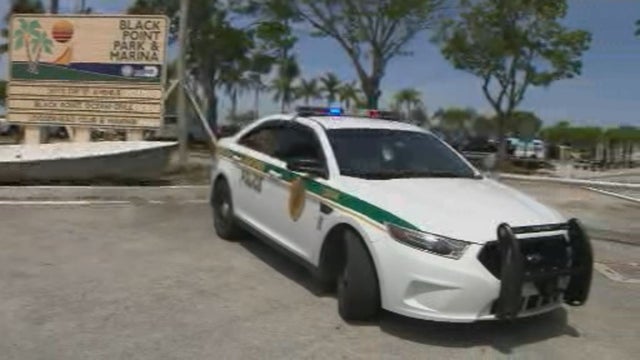
Miami-Dade Mayor Carlos Gimenez has walked back on his order for the Miami-Dade Police Department to enforce evictions.
Florida continues to see a steady decline in first-time unemployment claims, even as several large hospitality and entertainment companies have extended and imposed large-scale layoffs because of the coronavirus pandemic.
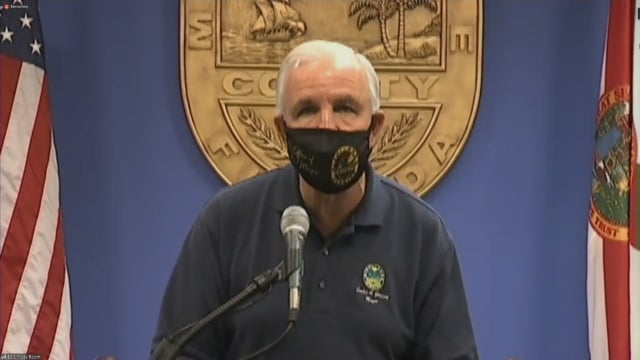
On Thursday, Miami-Dade County Mayor Carlos Gimenez signed amendments to emergency orders allowing for the opening of several types of entertainment venues and also permitting certain specified sports scrimmages. The mayor's amendments will go into effect as of Friday at 12:01 p.m., county officials said. Here are the amendments to the emergency orders signed by Mayor Gimenez: Amendment No. 1 to Emergency Order 28-20 allows the opening of movie theaters, concert houses, convention spaces, auditoriums, playhouses, bowling alleys, arcades, and indoor amusement facilities at 50 percent capacity. All venues must strictly follow rules set in the New Normal Guidebook. This amendment allows for indoor consumption of food and beverages within movie theaters, concert houses, convention spaces, auditoriums, playhouses, bowling alleys, arcades, casinos, and indoor amusement facilities, but only in designated areas. This amendment also allows for live performances, provided performers are no less than 10 feet from patrons at all times and such patrons observe such performances from tables or stationary seats. Amendment No. 1 to Emergency Order 29-20 allows for limited competitive play, including scrimmages. However, organized inter-team sports and league games will not be permitted, except in the case of tennis, racquetball and baseball, if masks are worn at all times. This amendment also requires facial coverings to be worn at all times for other activities on athletic fields. The office of the mayor announced that the administration will be meeting next week with owners of bars and adult entertainment establishments, along with the County's medical experts, to determine the rules to safely open these facilities in the future.

One of the must have items for some people during hurricane season is a portable generator for when the power goes out.
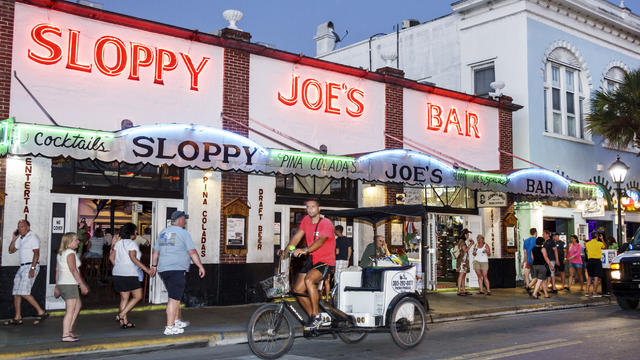
One of Key West's most iconic bars is once again welcoming customers after being closed for six months due to the pandemic.
A group of anti-maskers who went into a Fort Lauderdale Target store blaring the Twisted Sister's hit song "We're Not Gonna Take It," while ripping off their masks, heard from the band's singer Dee Snider.
Here are the latest numbers and information you need to know at-a-glance as of 1:00 p.m. on September 17, 2020
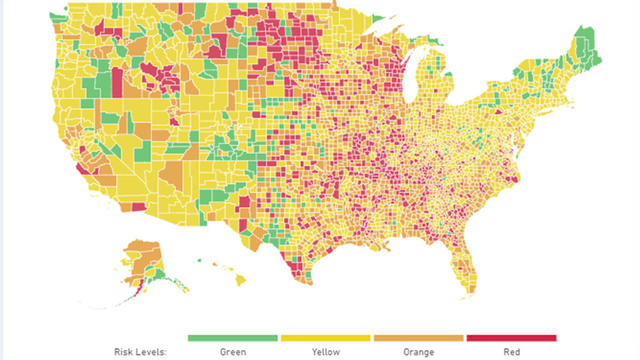
With Halloween happening in about a month and a half, many parents are wondering if it will be safe to let the kids go trick or treating due to the pandemic.
Florida is nearing 16,000 COVID-19 cases among prison inmates and 3,000 cases among corrections workers.