Historian retraces Underground Railroad to mark America's 250-year journey
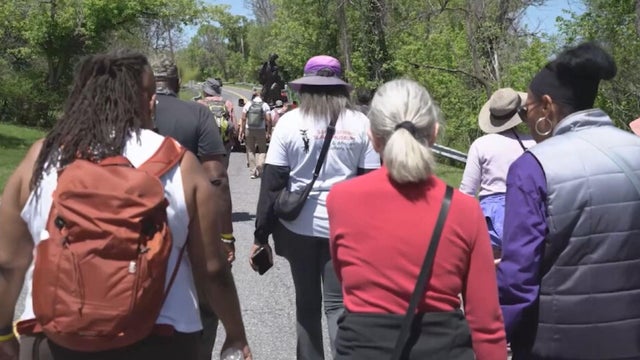
Anthony Cohen has spent his life bringing attention to the Underground Railroad, secret routes once used by enslaved people seeking freedom.
Watch CBS News
Anthony Cohen has spent his life bringing attention to the Underground Railroad, secret routes once used by enslaved people seeking freedom.
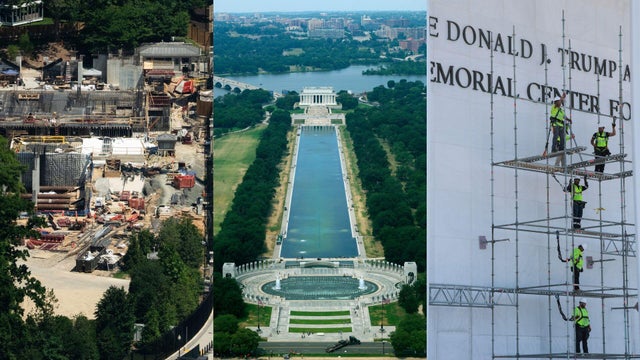
President Trump's construction projects include restoring the Lincoln Memorial Reflecting Pool, building a 90,000-square-foot White House ballroom and a 250-foot triumphal arch.
In his new book, "Been There, Done That," historian Greg Jackson shines a light on dark times in U.S. history, such as insurrections, political partisanship and disregard for the Constitution. Jackson joins "The Takeout" with more.
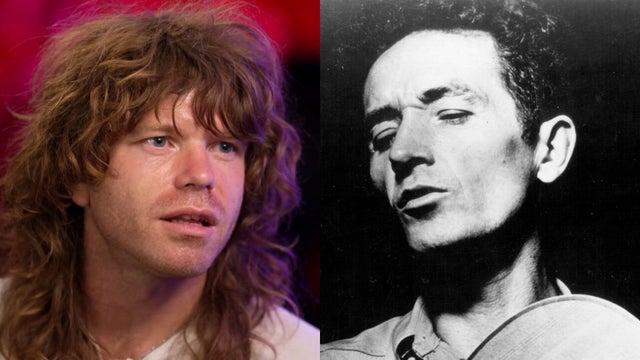
In the series "USA to Z," which celebrates 250 years of American history and culture, Anthony Mason talks to singer-songwriter Jesse Welles about Woody Guthrie's legacy and the meaning behind the popular song "This Land is Your Land."
America's Block Party will celebrate the nation's 250th birthday this Fourth of July with a benefit concert in Los Angeles and events in local communities around the country.
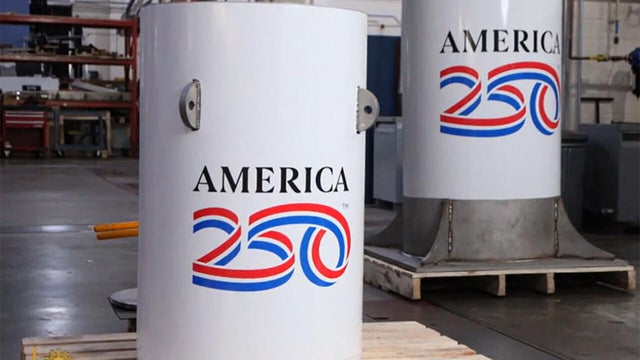
To mark America's 250th, a time capsule will be buried in Philadelphia on July 4, not to be opened until America's quincentennial. What objects made the cut to be preserved for another 250 years?
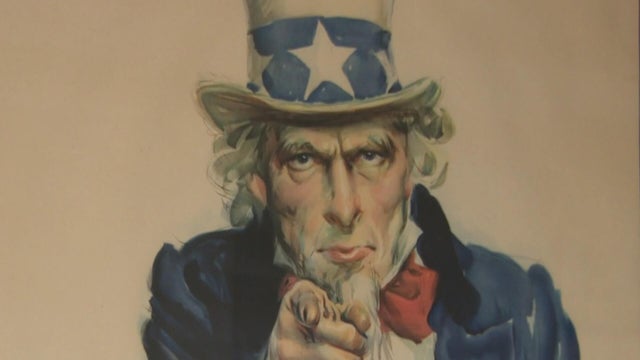
In the series "USA to Z," "CBS Mornings" breaks down the history of Uncle Sam and who inspired the national icon.
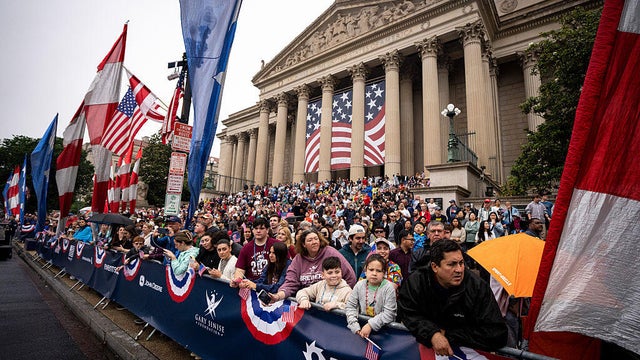
A musical concert series has become a point of political contention, with performers dropping out of the series.
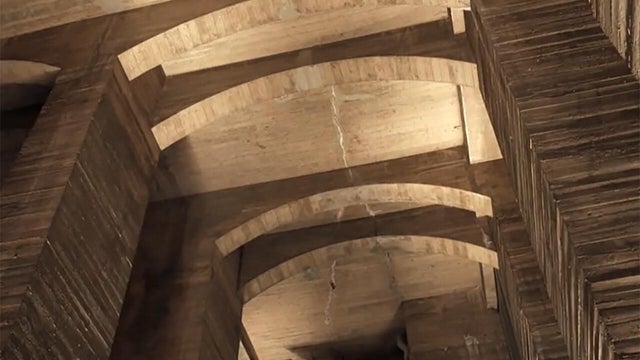
Beneath the Lincoln Memorial is one of Washington's best-kept secrets: the Undercroft, a soaring 50,000-square-foot foundation built to keep the landmark from sinking into D.C.'s swampy ground. Now home to a museum, the public is being invited to visit underground.
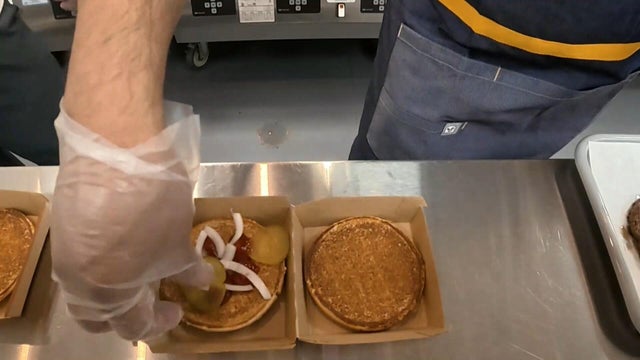
In the series "USA to Z," "CBS Mornings" goes behind the scenes for a taste of history and shows how fast food has become part of American culture.
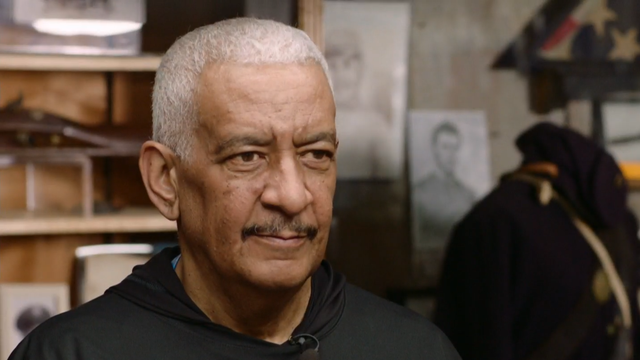
David Butcher's family settled in Tablertown, Ohio in 1830. He spoke with "CBS Saturday Morning" about his goal to preserve local civil rights legacy with the Tablertown People of Color Museum.
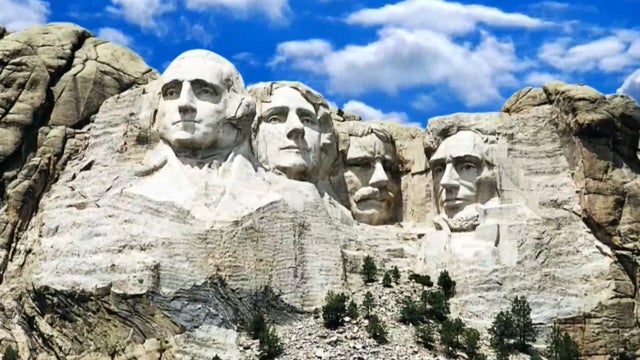
In the series "USA to Z," "CBS Mornings" looks at the history and controversial legacy of Mount Rushmore, which depicts four U.S. presidents. Vladimir Duthiers reports.
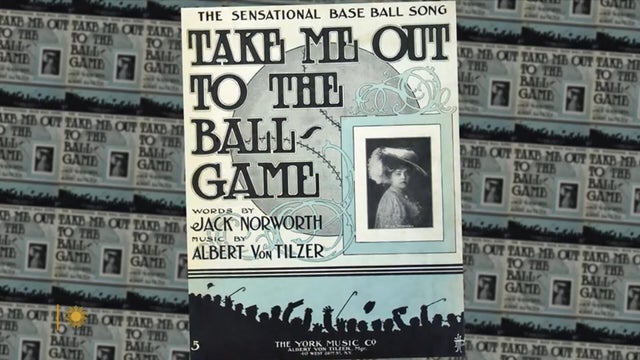
If our national pastime has a national anthem, it is "Take Me Out to the Ball Game," penned in 1908 as a celebration of the sport. Correspondent Lee Cowan looks at the history of Jack Norworth and Albert Von Tilzer's song, which expresses the thrills, fun and romance of baseball.
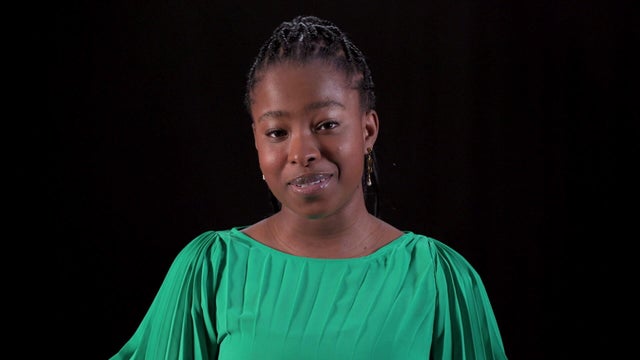
American poet Amanda Gorman says it's "more than just remembering our history. It's how we heal it. It's how we recover. It's how we hold ourselves accountable to being the best that we can be."
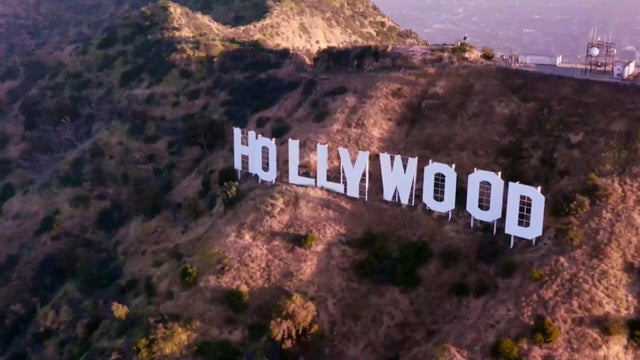
Hollywood is known for its iconic sign, Walk of Fame and studio lots bringing movies to life – but in 2026 the future of the entertainment industry is changing. Jo Ling Kent reports.
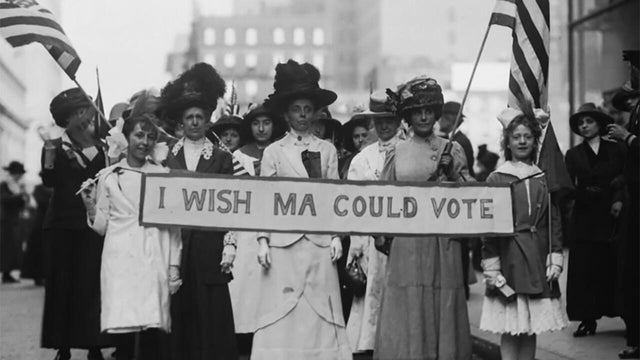
The CBS News journalist's new book tells the often-overlooked stories of women who helped shape our nation, from the single female whose name appears on the Declaration of Independence, to the first Black woman to argue a case before the Supreme Court.
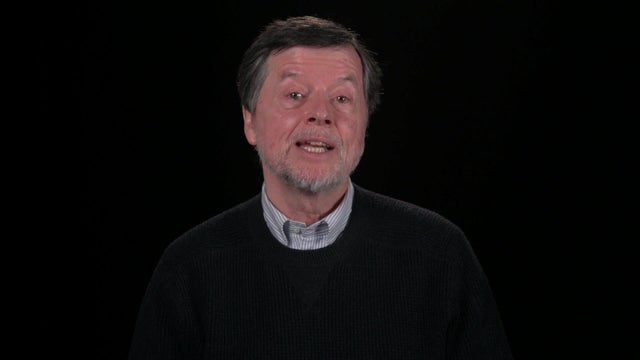
Filmmaker Ken Burns, who's helped viewers understand American history, shared what he thinks would surprise the nation's founders 250 years after the Declaration of Independence.
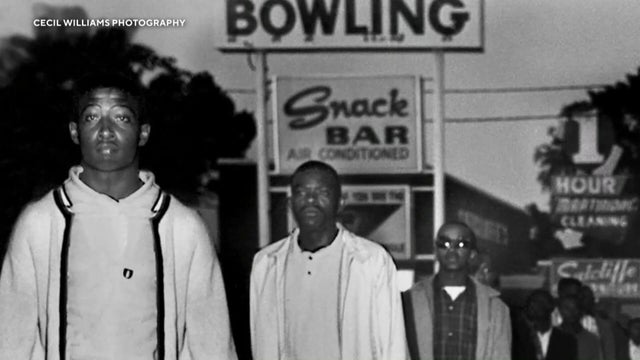
The owner of a bowling alley in a small South Carolina city refused to integrate in the 1960s. It spurred peaceful protests until tensions erupted into what's now known as the "Orangeburg Massacre."

President Trump announced that an IndyCar race, the Freedom 250 Grand Prix, will be held through the streets of Washington, D.C., as part of America's 250th birthday celebrations.
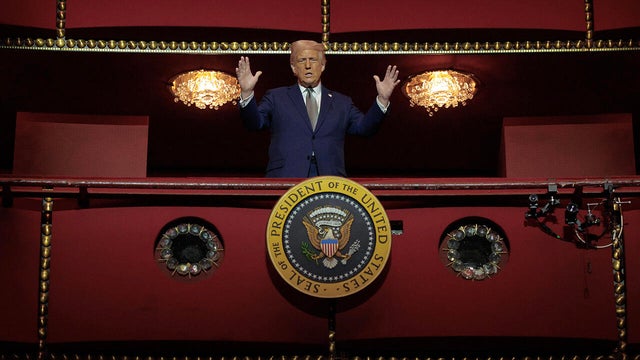
In this landmark year for American democracy, historian Lindsay Chervinsky, Washington Post columnist George F. Will, and Atlantic staff writer Vivian Salama talk about what the second year of Trump's presidency may mean for America's future.
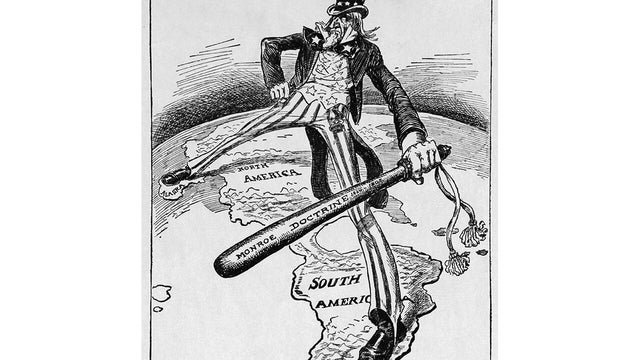
In 1823, President James Monroe called for European powers to stay out of the Americas – a stance that for generations led to U.S. military interventions across the Western Hemisphere, including President Trump's incursion into Venezuela.
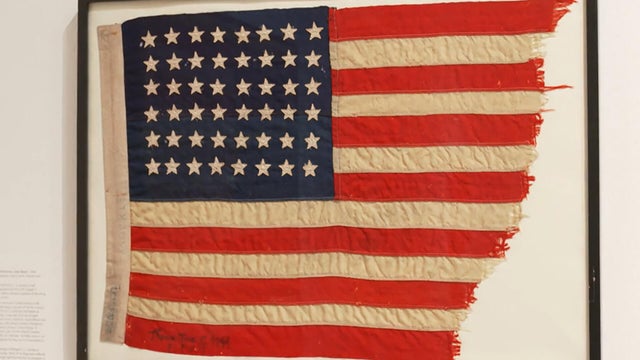
For decades, John Monsky's passion has been collecting American flags – from those that accompanied soldiers during the Civil War and on the beaches of France on D-Day, to ones that landed on the Moon. He tells Mo Rocca that the flags in his collection have been both witnesses to and participants in history.
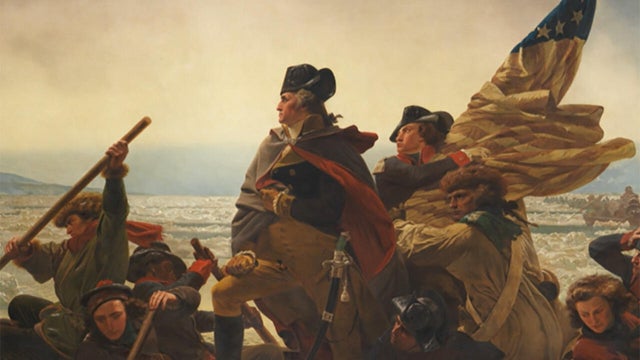
The documentary filmmaker, long a chronicler of the American experience, talks about his latest film for PBS, "The American Revolution," and why the end of the Revolutionary War did not mean the end of our nation's revolution.
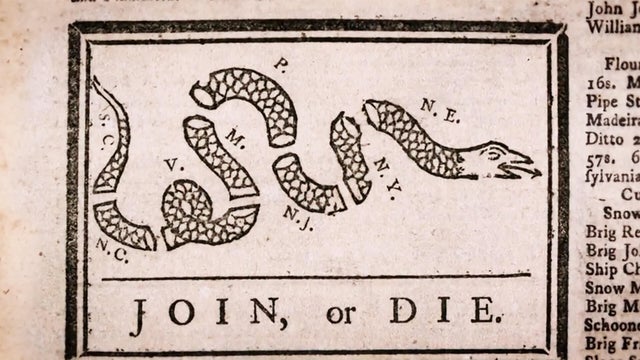
Documentary filmmaker Ken Burns has long been a chronicler of the American experience. He talks with John Dickerson about his latest film for PBS, "The American Revolution"; the importance of studying history; and why the end of the Revolutionary War did not mean the end of our nation's revolution.
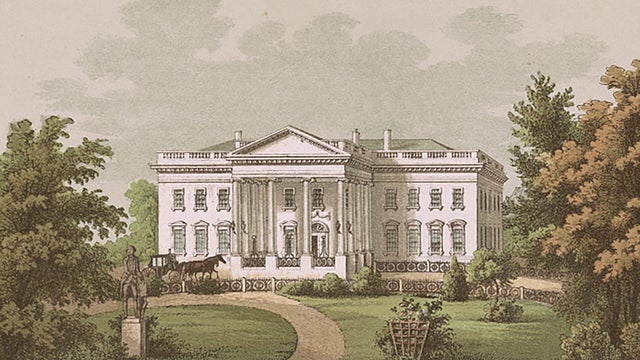
Since our second president, John Adams, inhabited the White House, it has been burned by British troops, reconstructed, expanded, and gut-renovated. Mo Rocca looks at the history of a cherished American landmark, which this past week was partly demolished by the White House's current occupant, President Trump, who is building a huge, privately-funded ballroom.