U.S. carrier in Iran war set to leave in days as official reveals conflict's cost
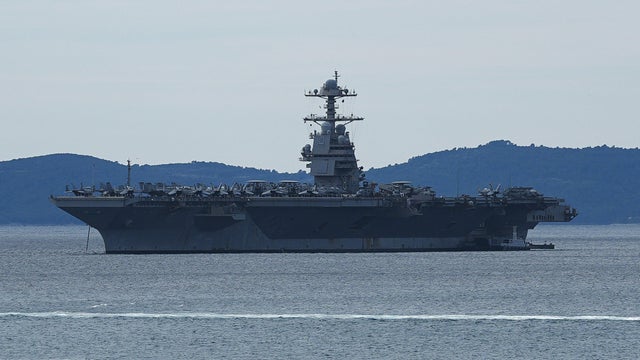
The USS Gerald R. Ford aircraft carrier is expected to leave the Middle East in the coming days, a U.S. official confirmed to CBS News.
Watch CBS News
The USS Gerald R. Ford aircraft carrier is expected to leave the Middle East in the coming days, a U.S. official confirmed to CBS News.
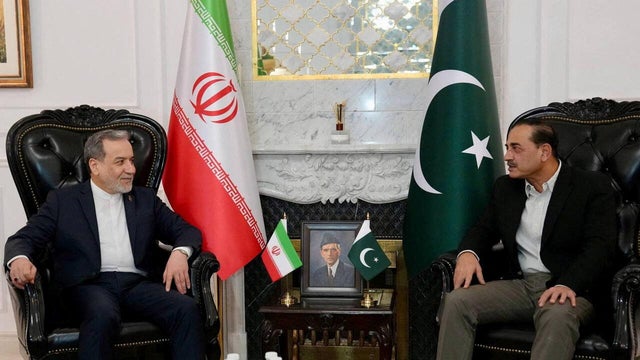
Iranian Foreign Minister Abbas Araghchi returned to Islamabad on Sunday, where he participated in talks focused on ending the war with the U.S., Iranian state media reported.
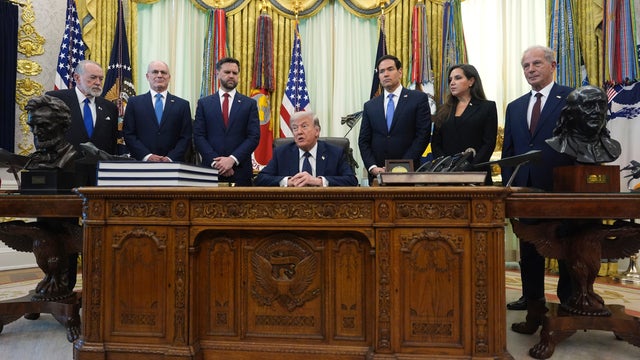
Following a second round of peace talks in Washington, President Trump announced that the Israel-Lebanon ceasefire had been extended by three weeks.
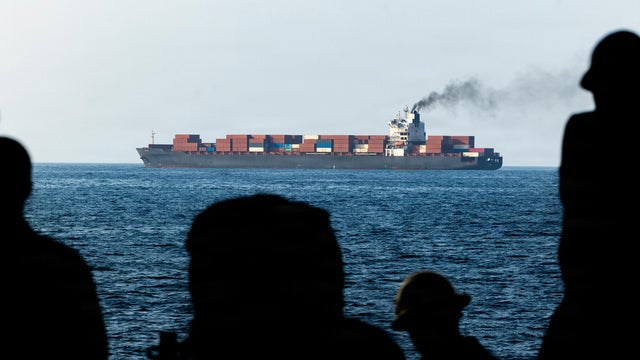
Iran renews attacks in the Strait of Hormuz after Trump says he's extending a ceasefire indefinitely, as thousands more U.S. forces head for the region.
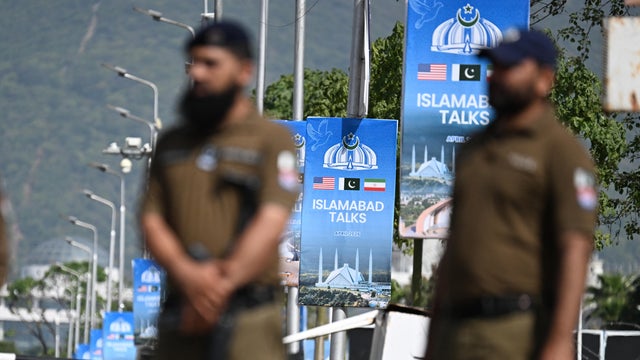
With a two-week ceasefire set to expire and Iran balking at the resumption of peace talks, President Trump said he would be extending the deadline to allow for Iran to "come up with a unified proposal."
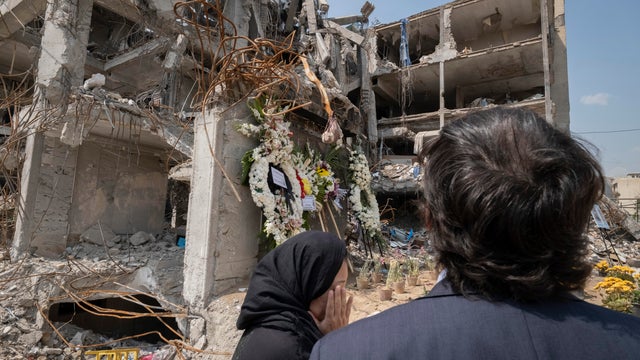
Iran balked at President Trump's demands for a peace deal amid a standoff over the Strait of Hormuz, as fear the war could reignite hits oil and energy markets.

The Arab American Civil Rights League says this class-action lawsuit is not just a legal action; it's about accountability and justice.
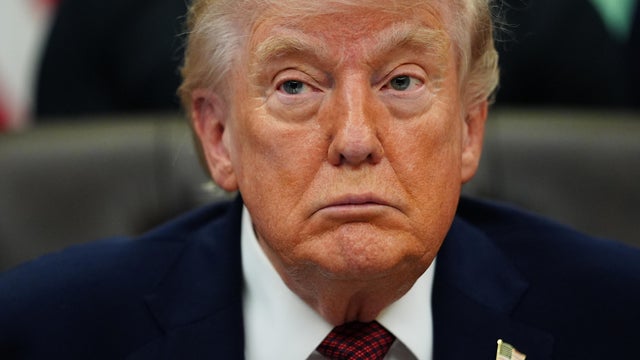
President Trump says he sent a U.S. delegation to Pakistan for another round of peace talks with Iran Monday but Tehran says it doesn't plan to participate.

The Strait of Hormuz remains effectively closed to commercial shipping due to Iran's looming threats and a U.S. blockade of the country's ports. Jarred Hill reports.
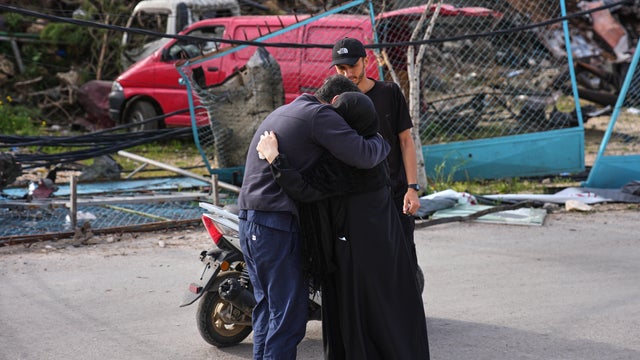
The leaders of Lebanon and Israel agreed to start a 10-day truce at 5 p.m. Eastern Time Thursday.
Only about a dozen ships passed through the Strait of Hormuz in the first two days of the ceasefire, far below normal traffic levels before the war, data shows.

Dearborn, Michigan, is home to the largest concentration of Lebanese Americans in the country, and many have been living through constant fear because of Israel's war in Lebanon.

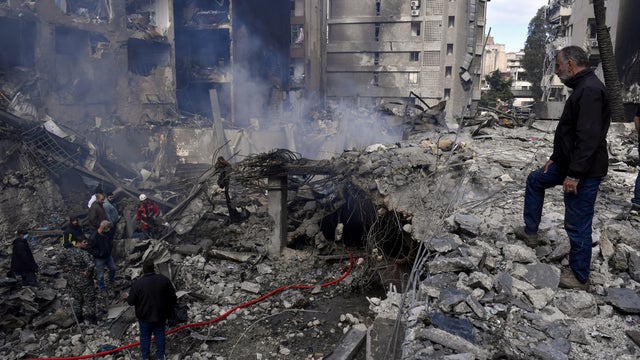
Iran is accusing Israel of violating the conditional ceasefire announced by President Trump by continuing its war with Hezbollah in Lebanon. CBS News has a recap of the latest headlines from the Middle East.
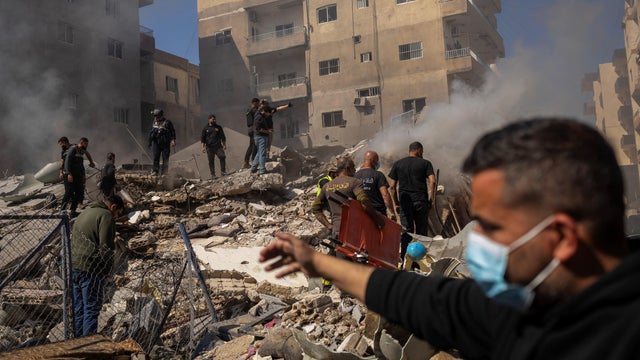
Iran says Israel is violating the ceasefire deal President Trump announced, and Tehran appears to still have control over shipping in the Strait of Hormuz.

Abdul El-Sayed's decision to campaign with Hasan Piker has drawn scrutiny from across the political spectrum given comments the popular streamer has made on the Israel-Hamas war.
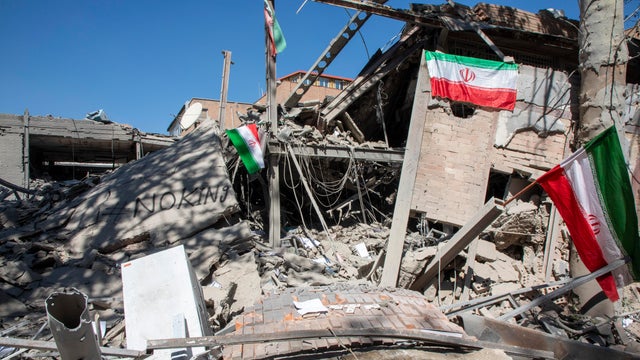
President Trump announced that the U.S. and Iran had agreed to a two-week ceasefire that was contingent on the reopening of the Strait of Hormuz.
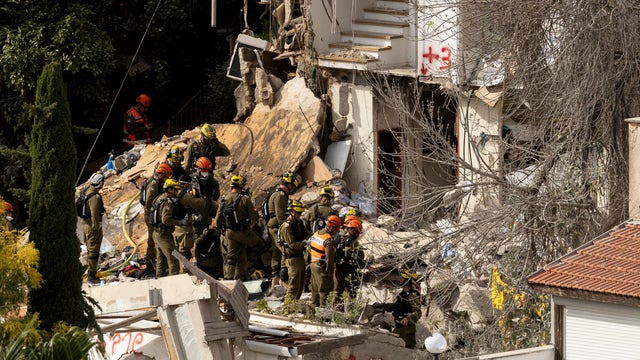
President Trump's deadline for Iran to reach a deal to end the war or face punishing strikes on its bridges and power plants is less than 24 hours away.
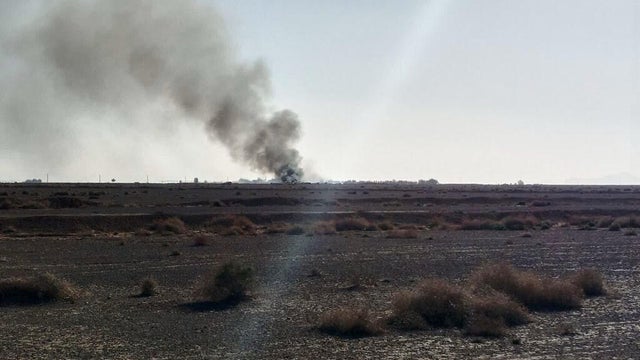
President Trump hailed the rescue of a U.S. airman who was missing almost two days inside Iran — and threatened to hit power plants if Iran doesn't reopen the Strait of Hormuz.
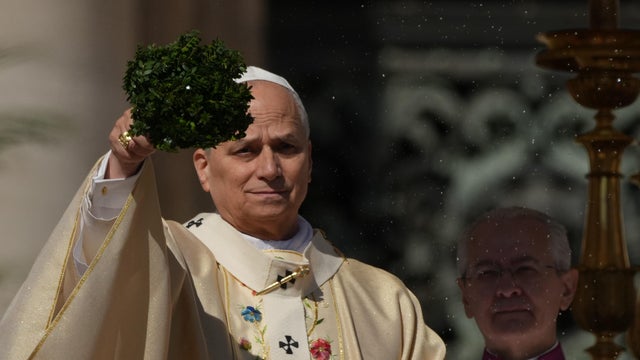
Pope Leo XIV celebrated his first Easter Mass as pontiff, urging hope against the violence of war.

A federal judge allowed First Amendment retaliation claims to proceed against two University of Michigan officials after student workers were terminated and banned from rehire following their participation in 2023-24 protests.

White House Press Secretary Karoline Leavitt said on social media Tuesday night that President Trump will share an "update on Iran" in a prime-time address Wednesday. The speech comes as another U.S. aircraft carrier heads to the Middle East. CBS News Correspondent Jessi Mitchell reports.
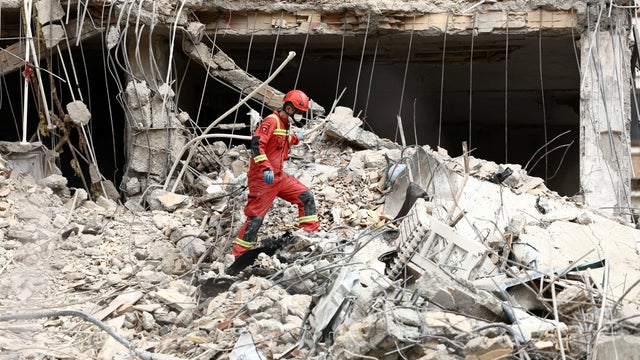
As Iran threatens to mine the entire Persian Gulf, President Trump said his deadline for the Strait of Hormuz to reopen is postponed amid negotiations with Tehran.
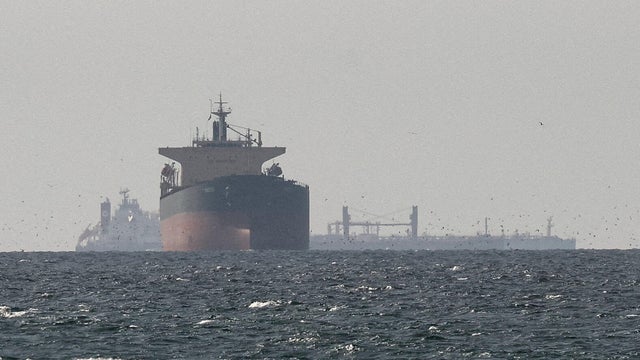
The president threatened to "obliterate" Iranian power plants if Iran didn't reopen the Strait of Hormuz by late Monday night Eastern Daylight Time.
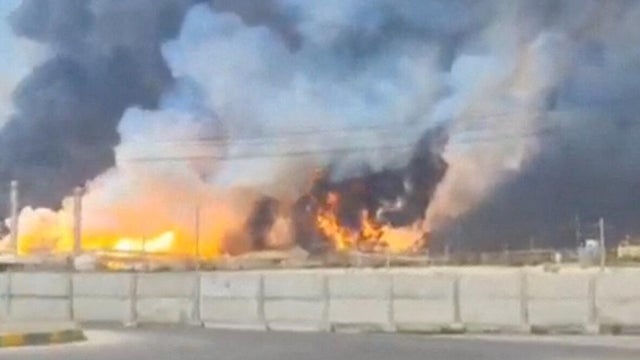
As Iran retaliates for an Israeli strike on the South Pars gas field, one analyst warns the war is "now hitting the plumbing of the global energy system."

Director of National Intelligence Tulsi Gabbard told the Senate Intelligence Committee that the Iranian regime "appears to be intact but largely degraded" by ongoing U.S. and Israeli strikes, laying out the intelligence community's assessment of the war at a hearing on Wednesday.