Metro Detroit leader speaks on Temple Israel attack
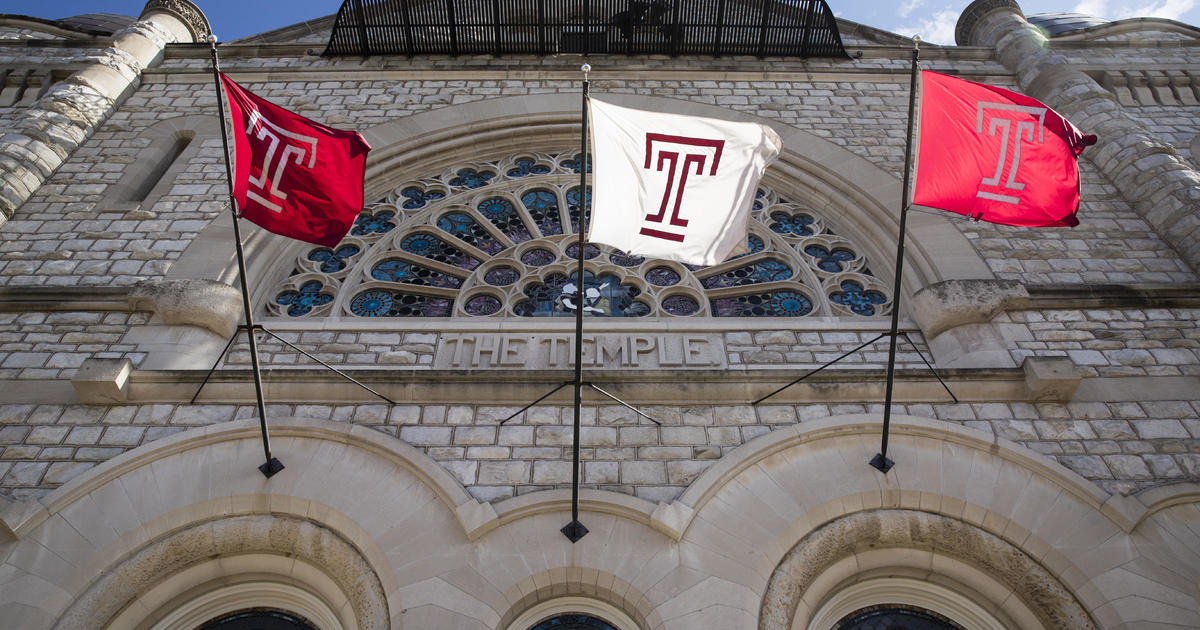
As the West Bloomfield community begins to heal from the attack at Temple Israel on Thursday, new details about the man authorities believe is responsible are beginning to emerge.
"The nature of this offense and its broader global political implications have understandably caused concern, fear and many questions within our community," said Dearborn Heights Police Chief Michael Guzowski.
The Department of Homeland Security told CBS News that 41-year-old Lebanese-born Ayman Mohamad Ghazali, from Dearborn Heights, came to the U.S. legally in 2011, after getting sponsored by his then-wife. Entering the country on an IR-1 immigrant visa, he applied for naturalization in October 2015 and became a citizen a year later.
On Friday, the FBI confirmed that the suspect died from a self-inflicted gunshot wound to the head. Previously, police had said they believed he was killed by security.
"I don't know him personally, but what I heard about him, he's been a good man, gentleman, hardworking man. There were no issues or concerns about him," said Imad Hamad, executive director of the American Human Rights Council.
Sources within the local Lebanese American community, including one person who's known Ghazali for more than a decade, say Ghazali previously worked at a restaurant in the Dearborn Heights area, was widely liked, and had deep ties with the community for nearly 16 years.
The sources say Ghazali's family members, including his brothers and two of their children, were killed after an airstrike in Lebanon during the ongoing war with Iran. The sources say Ghazali called his ex-wife about an hour before the attack in West Bloomfield, and she immediately called authorities.
One of his brothers' wives was severely injured, the sources say.
"To handle this challenge as violence is something that cannot be justified, cannot be condoned under any circumstances, under all circumstances, regardless of how tough and traumatic the situation can be," said Hamad.
Sources say Ghazali called his ex-wife about an hour before the attack, and she immediately contacted authorities.
"That grief is real, and it's heartbreaking. But let me be clear, that is not an excuse. These actions do not reflect our values as a city. No, this is not who we are. There is never an excuse for violence, especially violence directed at a sacred space," said Dearborn Heights Mayor Mo Baydoun.
In response to the attack, additional round-the-clock police patrols have been sent to all places of worship in the metro area.
With the Islamic community in the midst of the holy month of Ramadan, Hamad says they are offering support to their Jewish neighbors as they heal.
"We see that an attack on a community of faith, regardless of the faith; it's an attack against all of us," said Hamad.