Watch CBS News
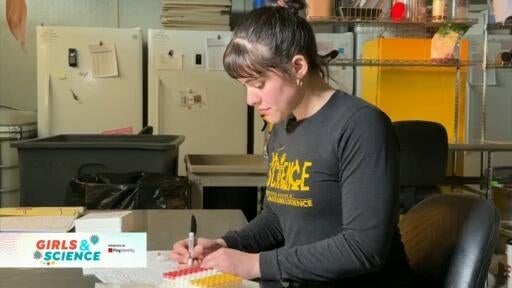
Andrea works in the Zoology Preparation Lab at the Denver Museum of Nature & Science.
One community in Douglas County is preparing to break ground on a new fire station.
Anticipating a challenging summer wildfire season, forecasters with Colorado's Division of Fire Prevention and Control are preparing to rely heavily on a pair of state-owned aircraft -- both to detect fires early and to assist in fighting them once they ignite.
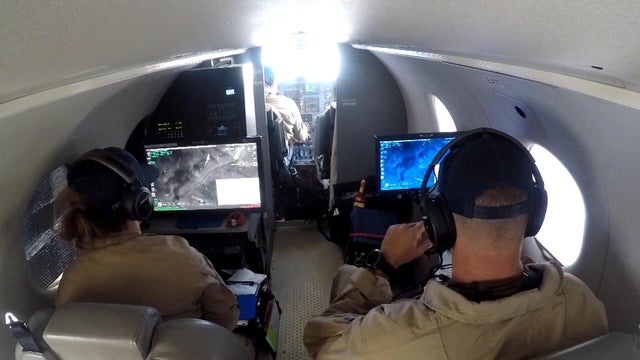
Anticipating a challenging summer wildfire season, forecasters with Colorado's Division of Fire Prevention and Control are preparing to rely heavily on a pair of state-owned aircraft-both to detect fires early and to assist in fighting them once they ignite.
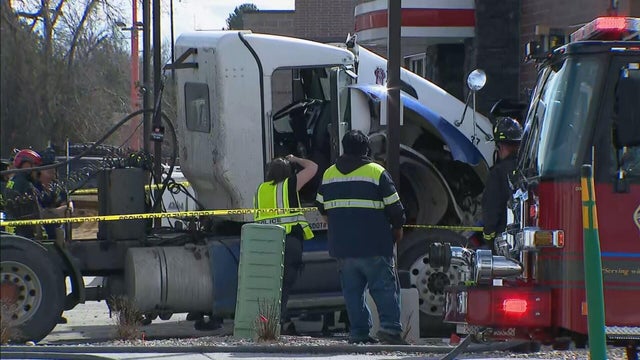
CBS Colorado is investigating a trucking company involved in a crash at a gas station in the southern part of the Denver metro area last month.
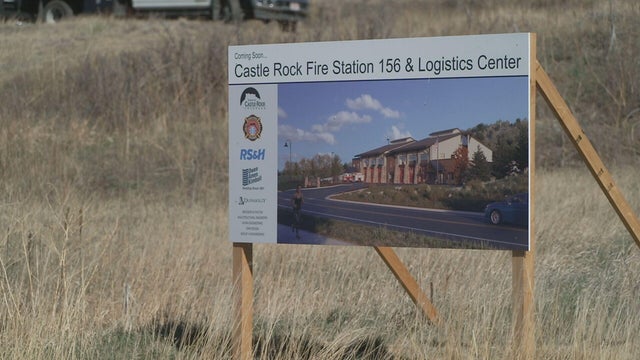
One community in Douglas County is preparing to break ground on a new fire station.
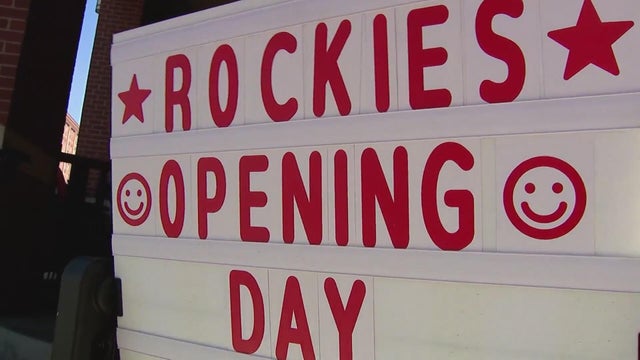
Sidewalks were packed, and streets were buzzing Friday, as thousands of fans flooded downtown Rockies Opening Day.

Sidewalks were packed, and streets were buzzing Friday, as thousands of fans flooded downtown Rockies Opening Day.
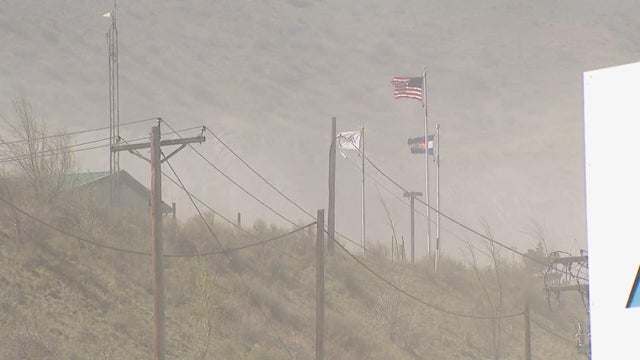
The list of March's weather woes was long in 2026.
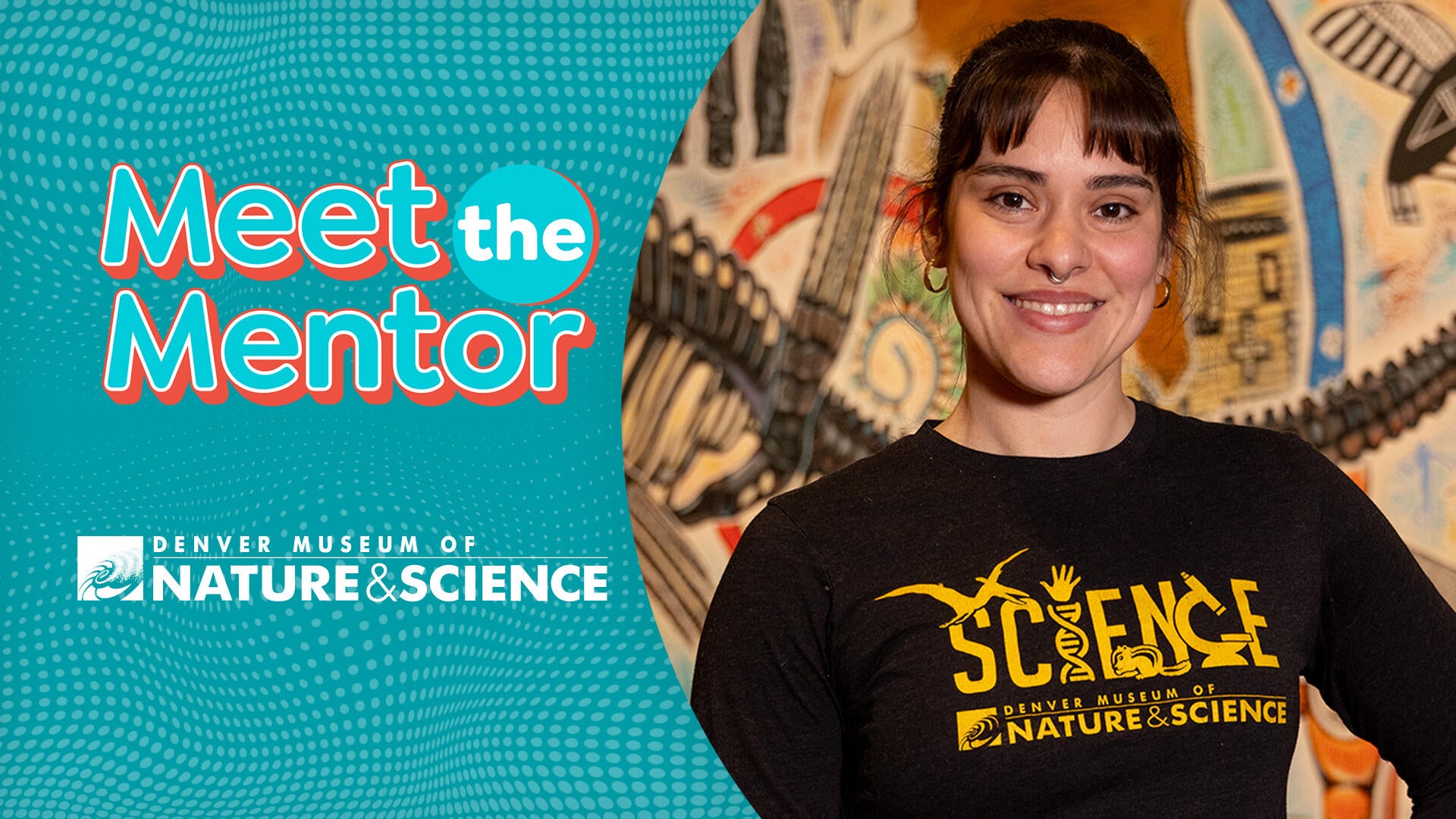
Name: Andrea (Andie) Carrillo
Title: Zoology Preparator
Education:
High School Diploma; Bachelor of Science in Wildlife, Fish, and Conservation Biology, Emphasis in Wildlife Health from University of California Davis
Company Description:
Denver Museum of Nature & Science. Non-profit natural history museum in Denver.
Tell us more about your job.
I work in the Zoology Preparation Lab at the Denver Museum of Nature & Science. My job is dissecting animals to preserve parts and data for researchers that are interested in learning more about wild mammals, birds, amphibians, and reptiles. Most of my day is spent dissecting, writing down specimen data, or getting parts of specimens through the process of preservation. I also take care of the flesh-eating beetle colony at the Museum and make sure they are happy and healthy while they help us clean skeletons.
Why is STEM important within your industry?
All of the letters in STEM are huge components of natural history museums. When guests come to the museum they see exhibits, research talks, and programs but they rarely see the work that goes into making these experiences a reality. Everyone at DMNS from IT, to exhibits, programs, to researchers, use STEM to make the Museum run smoothly.
My role at DMNS focuses on the Science part of STEM. Researchers need data to make scientific discoveries. The lab provides some of the necessary data and samples for generations of scientists.
Was there a specific moment when you decided you wanted to pursue STEM as a career?
I don't think there was a specific moment. I was first interested in science at around 6. I remember playing with insects in the big field at school instead of playing with my peers. I've always loved all animals and that fascination followed me into adulthood.
What do you like best about your job?
I like working hands-on with the animals. Working directly with animals gives me a greater appreciation for them.
What are the most important skills needed in your job?
I think patience is very important for my job. The tasks in the lab can get repetitive so having the patience to not rush a procedure is very important. Another useful skill is being able to adjust when things don't go according to plan. Not all the animals we work on will follow predictable procedures. Sometimes we need to get creative during the preservation process if the animal has broken bones or is more rotten than we initially thought.
Have there been times in your career when you've faced difficult challenges? How were you able to overcome them?
There have been plenty of challenges throughout my career. Overall, I've learned that being able to sit in how I'm feeling when faced with a challenge has been a great benefit. Taking stock about how I'm feeling and why has greatly improved by ability to face obstacles. After quietly reflecting and letting the emotions pass, I'm usually able to focus on solving the issues better than if I jump in right away. Having a good support system of people I can talk to has also been incredible. Without my friend's and family's emotional support, I would not be able to face many of the challenges that I've faced in my career
Are there any hobbies, sports, or other interests of yours that have helped you excel in your career? I've always enjoyed crafting. I especially enjoy really meticulous tasks like embroidery, crochet, and jewelry making. Having that attention to detail before ever dissecting an animal was a great asset. Additionally, I also like staying active by spending time outside and lifting weights. Staying strong helps on days when we're moving heavy animals around the lab.
What advice would you give to girls of all ages who are interested in STEM?
I'd say that you should follow your interests wherever that goes. You might not end up in STEM, but knowing what you enjoy and what you don't is a great place to start. You don't have to know exactly you want to do right away and sampling a bit of all kinds of STEM can point you towards a career or hobby you'll love.
Any additional thoughts on why it's important to get more girls involved in STEM?
I think we need girls and femmes in STEM so we can have better femme representation in STEM data. All aspects of STEM have seen girls excluded from datasets, decision making, and algorithms. Without girls in positions to bring up biases, girls and femmes will continue to be excluded from datasets. Lack of representation can have negative impacts on girl's health, safety, and lead to inaccurate science.

Anticipating a challenging summer wildfire season, forecasters with Colorado's Division of Fire Prevention and Control are preparing to rely heavily on a pair of state-owned aircraft-both to detect fires early and to assist in fighting them once they ignite.
CBS Colorado is investigating a trucking company involved in a crash at a gas station in the southern part of the Denver metro area last month.
One community in Douglas County is preparing to break ground on a new fire station.
Sidewalks were packed, and streets were buzzing Friday, as thousands of fans flooded downtown Rockies Opening Day.
The list of March's weather woes was long in 2026.
One community in Douglas County is preparing to break ground on a new fire station.
Anticipating a challenging summer wildfire season, forecasters with Colorado's Division of Fire Prevention and Control are preparing to rely heavily on a pair of state-owned aircraft -- both to detect fires early and to assist in fighting them once they ignite.
Sidewalks were packed, and streets were buzzing Friday, as thousands of fans flooded downtown Rockies Opening Day.
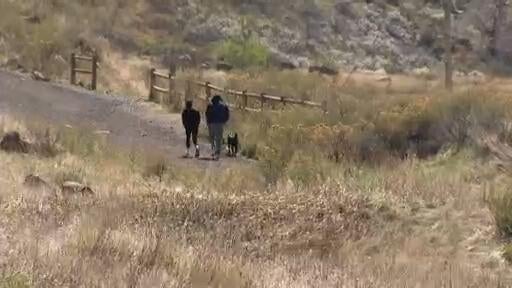
The list of March's weather woes was long in 2026.
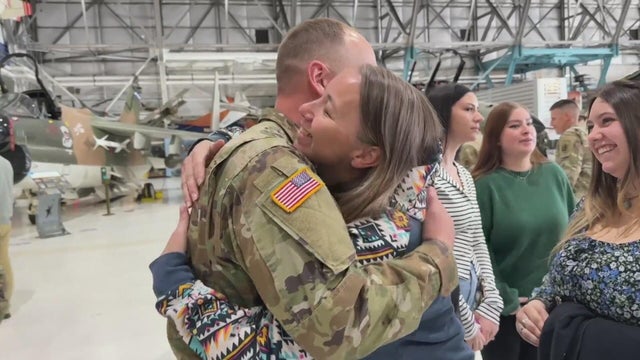
More than 200 soldiers with the Colorado Army National Guard's 1st Battalion, 157th Infantry Regiment are preparing to deploy to the Middle East, marking a significant mission that will take them away from their families for nearly a year.
Sidewalks were packed, and streets were buzzing Friday, as thousands of fans flooded downtown Rockies Opening Day.
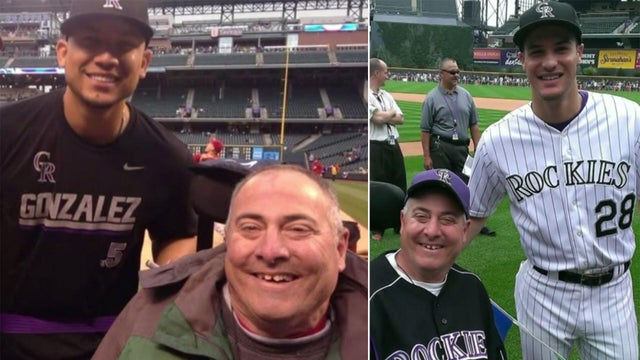
Despite needing help with his motor skills and movement, it hasn't stopped Randy Milliken from loving his favorite team.
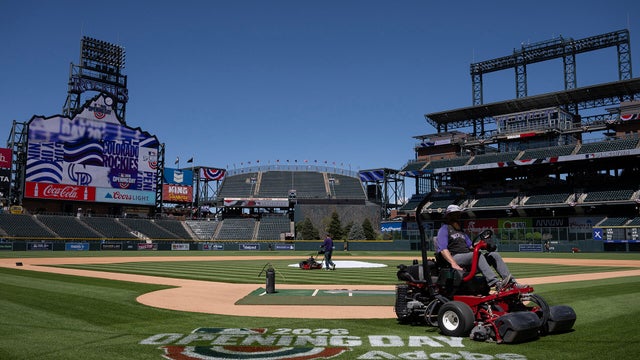
With only a few hours left until the big game -- the Colorado Rockies home opener at Coors Field in Denver -- CBS Colorado was keeping an eye on Ticketmaster for baseball fans who are looking to still purchase a ticket.

Fans heading to Coors Field in Denver this season can expect more than baseball.
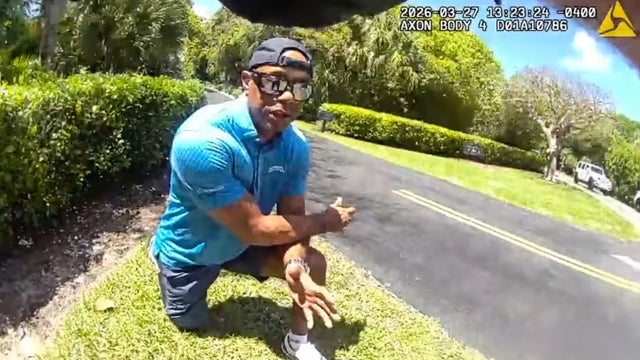
Body camera video has been released of Tiger Woods' arrest, after a car crash in Florida. He has been charged with driving under the influence.

Officials from 23 states and the District of Columbia filed a lawsuit seeking to block President Trump's executive order that aims to restrict mail voting.

Alan Hayward James, 51, pleaded guilty to conspiracy to commit wire fraud, bribery, and conspiracy to rig bids.

Supreme Court Justice Samuel Alito was treated for dehydration after falling ill at an event in Philadelphia on March 20, the court's public information office said.
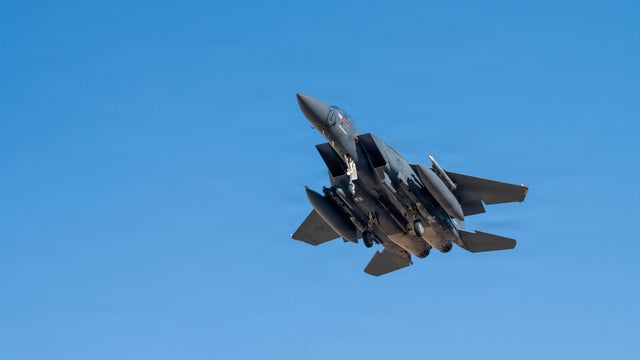
The search for the second crew member, a weapons system officer, is continuing, two U.S. officials said.
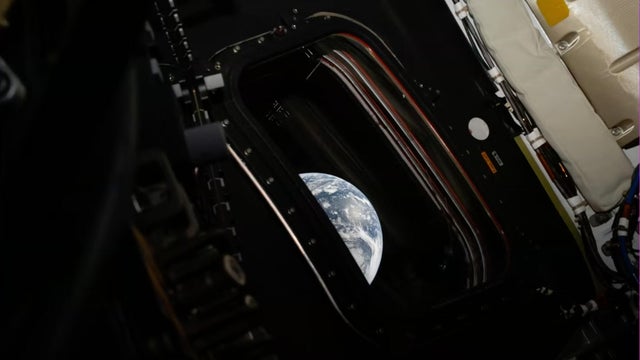
The photo shows the entire planet, as well as the Northern and Southern lights.
Officials from 23 states and the District of Columbia filed a lawsuit seeking to block President Trump's executive order that aims to restrict mail voting.
Supreme Court Justice Samuel Alito was treated for dehydration after falling ill at an event in Philadelphia on March 20, the court's public information office said.
The search for the second crew member, a weapons system officer, is continuing, two U.S. officials said.
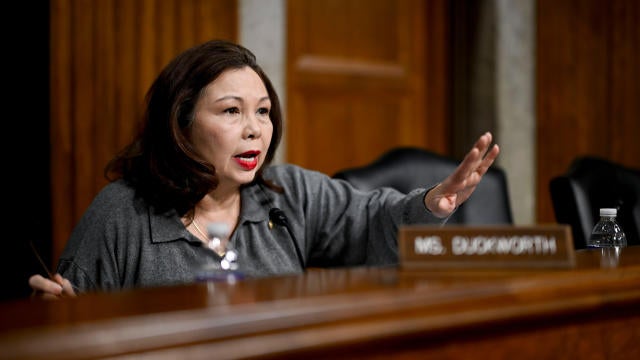
A key senator is demanding the TSA reverse its decision to let travelers keep their shoes on while passing through airport screening, a controversial policy at the center of a classified security warning.
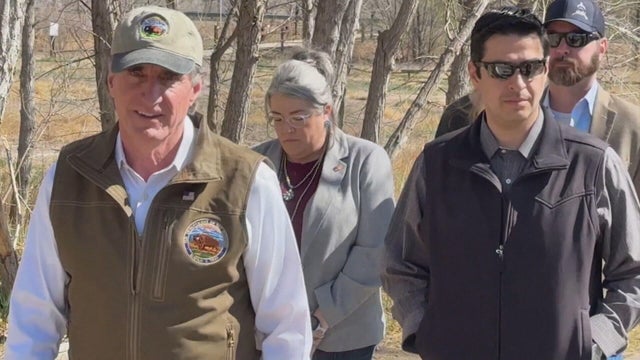
The Secretary of the Interior was in Northern Colorado to learn about our water supply, wildfire preparedness, and how he might help.
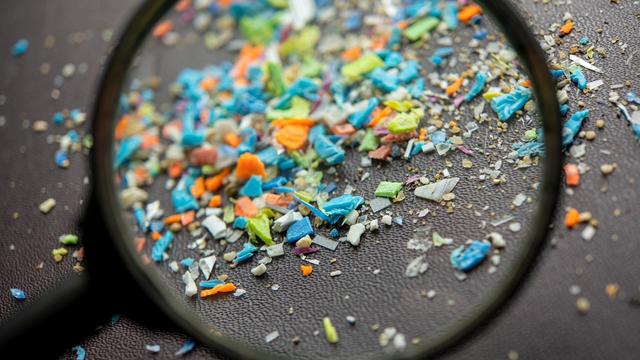
The Environmental Protection Agency also added microplastics to its contaminant candidate list for the first time.
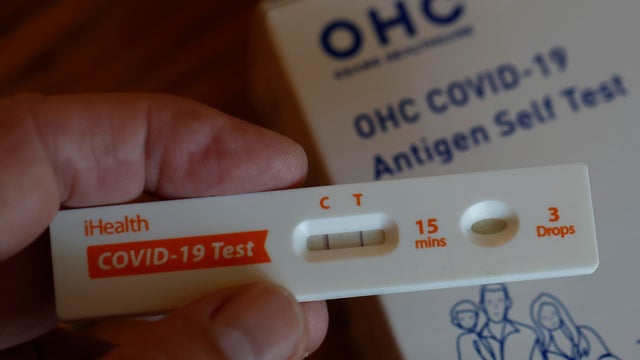
The COVID-19 variant BA.3.2, nicknamed "Cicada," has been detected in at least 23 countries and half the states in the U.S.
About half a million people in Colorado are living with a brain injury and many of them don't know it.

The One Big Beautiful Bill Act will add red tape and restrictions for those seeking Medicaid and SNAP benefits. And the costs to update computer systems that determine eligibility for those programs will be steep.
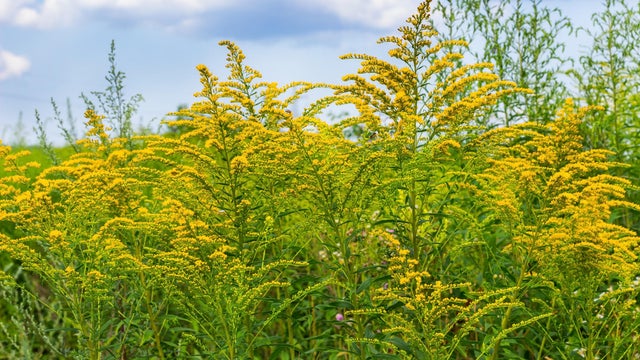
A record warm winter, combined with dry conditions across Colorado, has created the perfect conditions for allergy season to start early.

The Colorado Auto Show is the place to dream big, and then look, touch, and sit behind the wheel of some of the coolest cars ever made.
The eye drops — sold under multiple brands — have been recalled over concerns about sterility, according to the FDA.
Hiring was much stronger than expected in March, with employers adding roughly three times the number of jobs economists predicted.
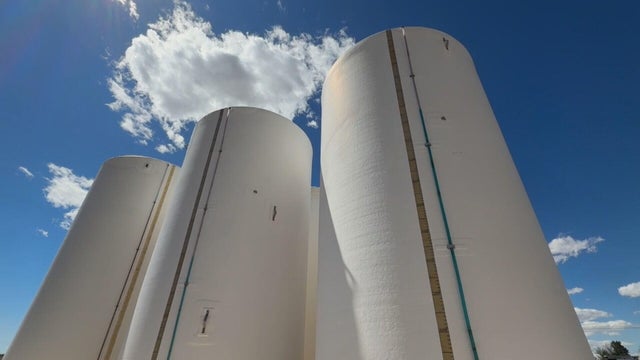
Rising fertilizer prices cost farmers more in a year hit hard by dry conditions, and with the potential for some farmers to get reductions in their irrigation water allotments.
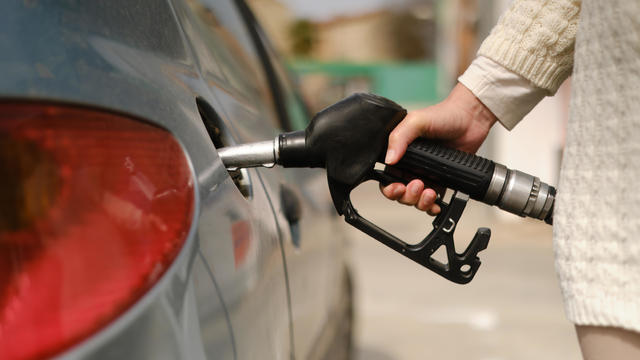
With gasoline topping $4 a gallon, it now costs almost $145 to fill up a Ford F-150 pickup truck, a new analysis finds.
Anticipating a challenging summer wildfire season, forecasters with Colorado's Division of Fire Prevention and Control are preparing to rely heavily on a pair of state-owned aircraft-both to detect fires early and to assist in fighting them once they ignite.
CBS Colorado is investigating a trucking company involved in a crash at a gas station in the southern part of the Denver metro area last month.
A Denver jury has found activist Regan Benson, a frequent critic of police, guilty of "doxing" a Denver police commander during a livestream last September, in what appears to be the first conviction under Colorado's anti-doxing law.
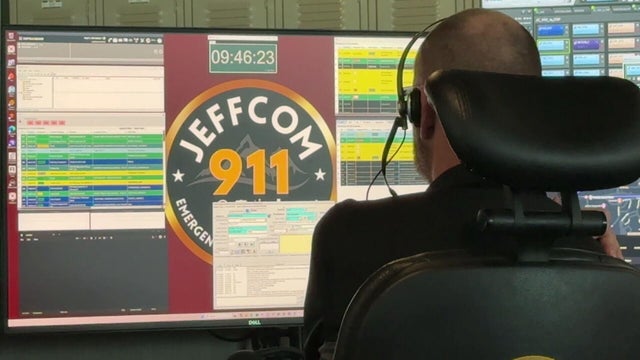
Fire chiefs in two departments northwest of Denver, Westminster and Arvada, say gaps in emergency dispatch technology between neighboring departments can slow response times and, in some cases, limit how quickly help arrives.
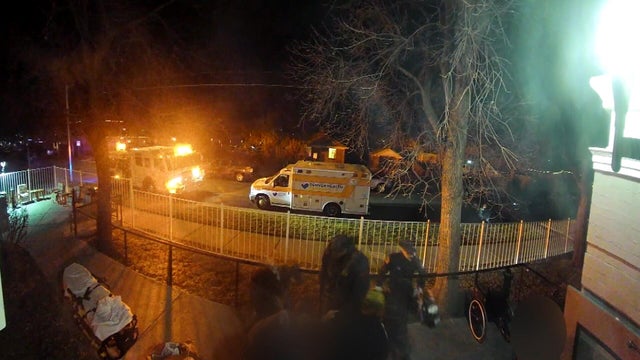
A state investigation has found that a Denver assisted living facility took 13 minutes to locate a resident who collapsed and begin CPR -- failures regulators say placed all 125 residents in "immediate jeopardy."