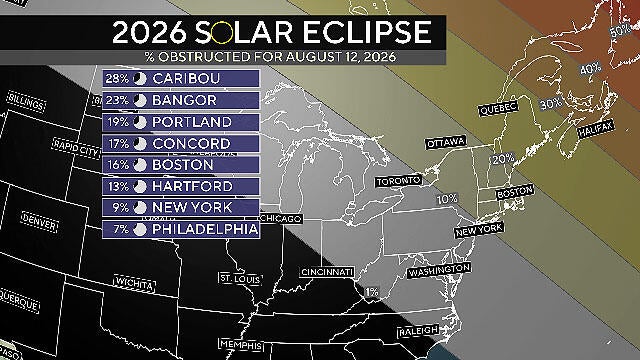
Solar eclipse, Perseid meteor shower to be visible in Massachusetts
A partial solar eclipse and the Perseid meteor shower will be visible over Massachusetts today.
Watch CBS News
A partial solar eclipse and the Perseid meteor shower will be visible over Massachusetts today.
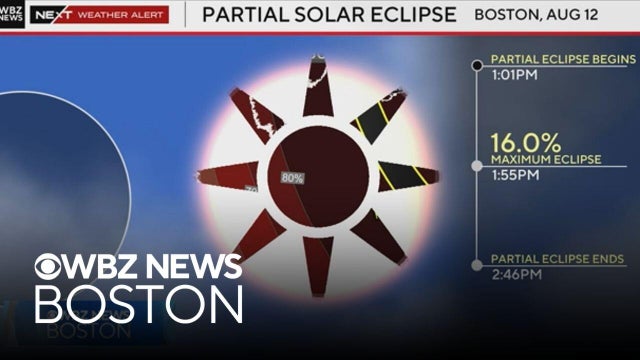
Meteorologists Sarah Wroblewski and Terry Eliasen discuss the solar eclipse and meteor shower that will be visible in Massachusetts today.
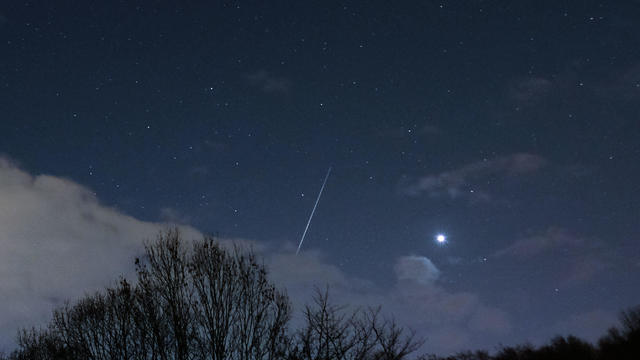
The Geminid meteor shower will be peaking Friday and Saturday night in Boston and will be visible in the sky.
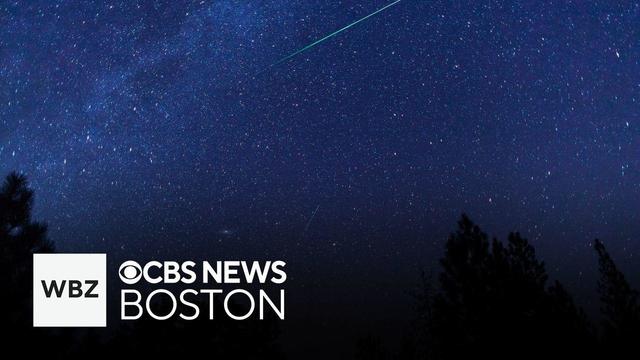
Leftovers from the Lyrid meteor shower, and a long flyby of the International Space Station could be visible to Massachusetts stargazers Monday night.
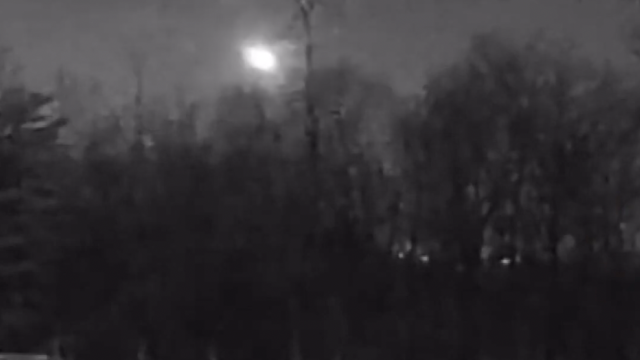
People across the eastern U.S. and in parts of Canada saw a dazzling light show on Wednesday night, as a fireball entered the atmosphere and burned up.
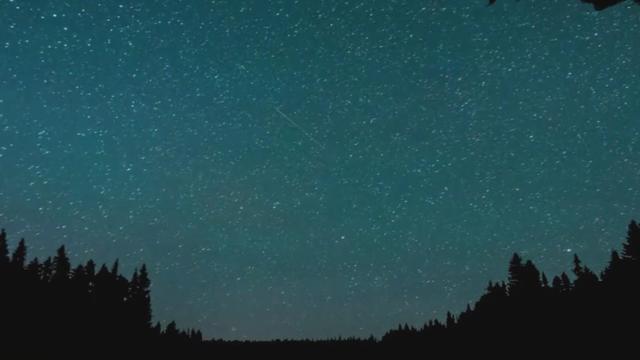
Two meteor showers are expected to peak Sunday and Monday evenings, with about 20 meteors per hour.
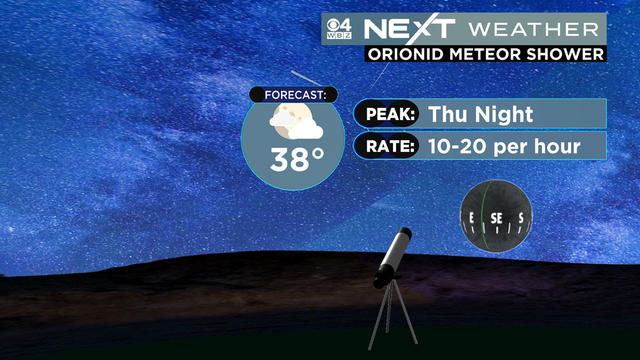
At their best, the Orionids typically produce between 10-20 meteors per hour.
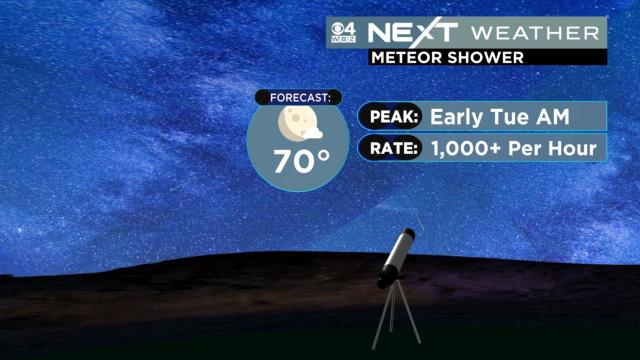
Though it is far from a certainty, a "once in a lifetime" meteor storm is possible Monday night.
WBZ-TV's Jacob Wycoff has the details on what could happen if the meteor shower comes to fruition.
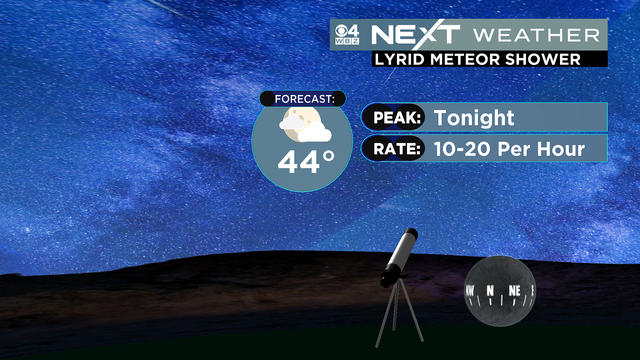
On Thursday night we have a legit shot at seeing some shooting stars!
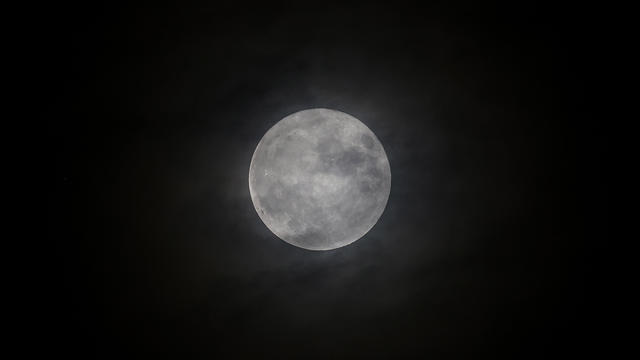
October's full moon, the hunter's moon, and the Orionid meteor shower are on this week's celestial forecast,
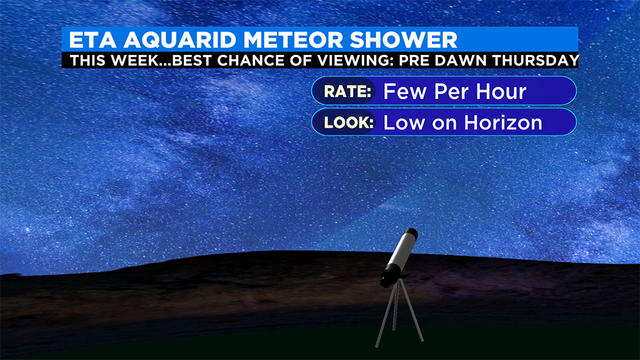
There is some good news and bad news with regards to your opportunity to see some "shooting stars" this week.
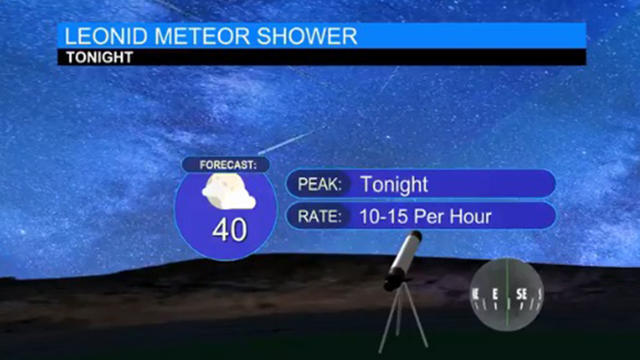
Current predictions are for about 10-15 meteors per hour this year.
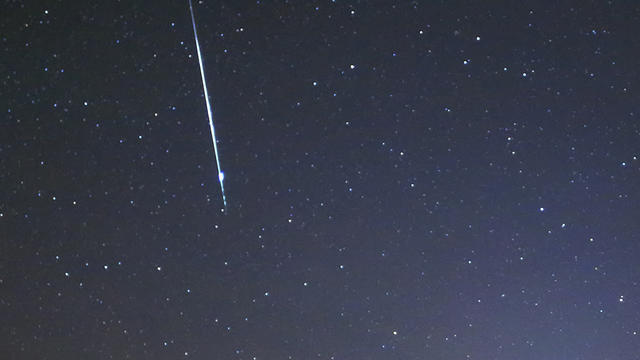
Stargazers can expect to see about five fireballs per hour during those peak nights.
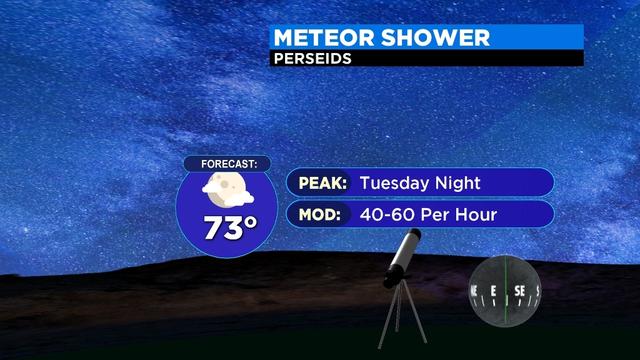
One of the best meteor showers of the year is happening Tuesday night.
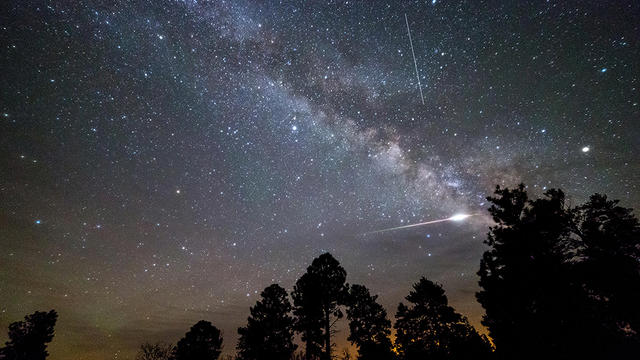
May is the best spring month to view meteor activity for those in the northern hemisphere.
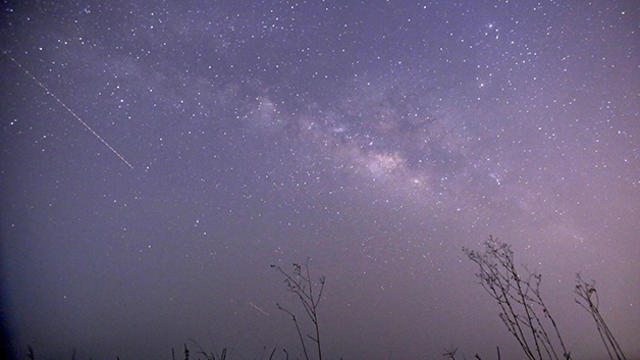
The first meteor shower of spring, known as the Lyrid meteor shower, will present a night skywatching show beginning on Sunday evening and peaking on Wednesday night.
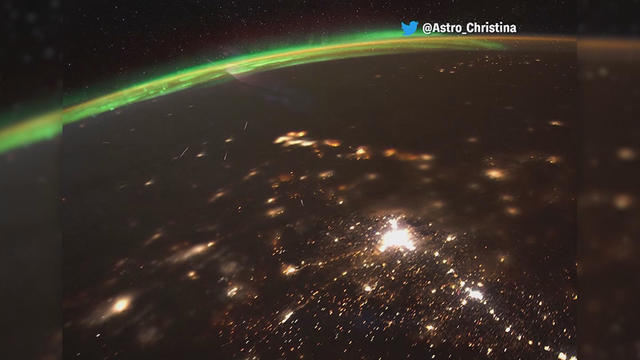
NASA astronaut Christina Koch posted a dazzling image of the Quadrantid meteor shower.
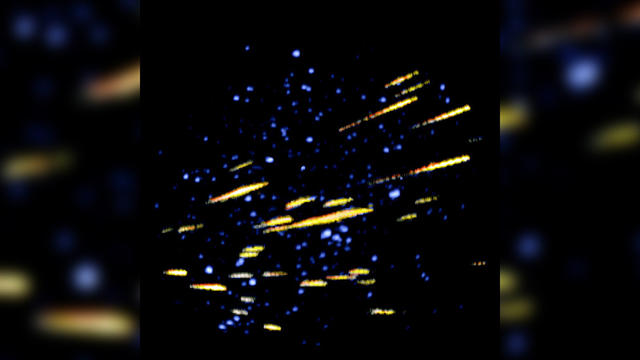
The rare dazzling display in the night sky could include up to 400 meteors.
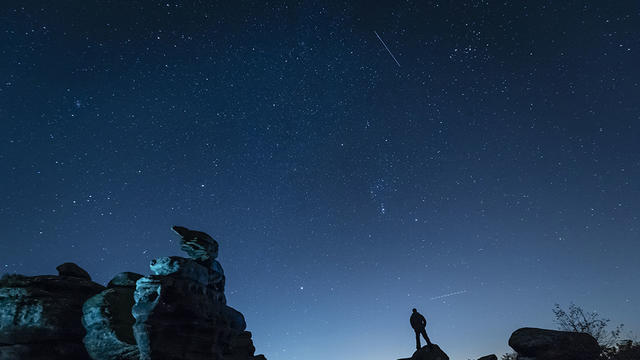
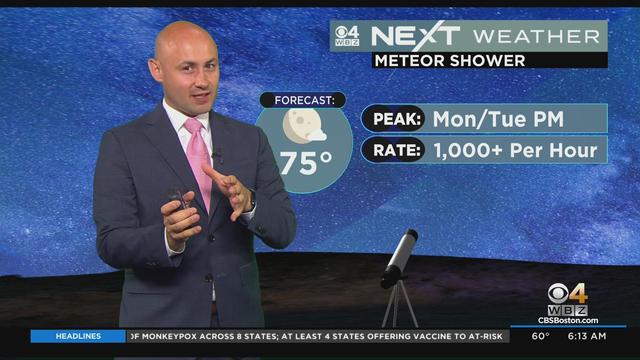
The Orionid meteor shower will peak on Monday and Tuesday, sprinkling remnants of Halley's Comet in Earth's atmosphere to create a dazzling display.
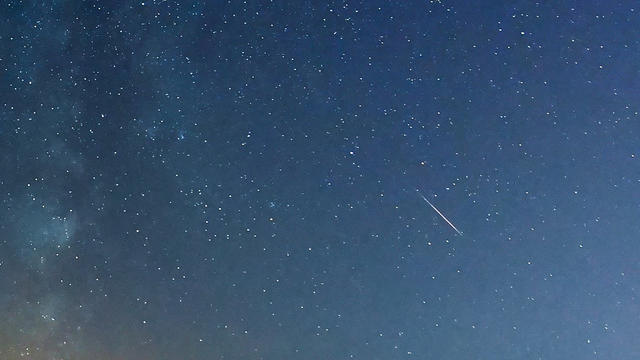
Shooting stars and fireballs could create quite a show in the night sky this week courtesy of two meteor showers.
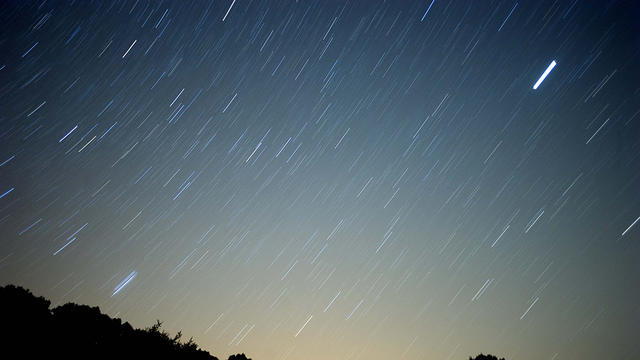
The Delta Aquariid meteor shower puts on one long summer show in July and August.
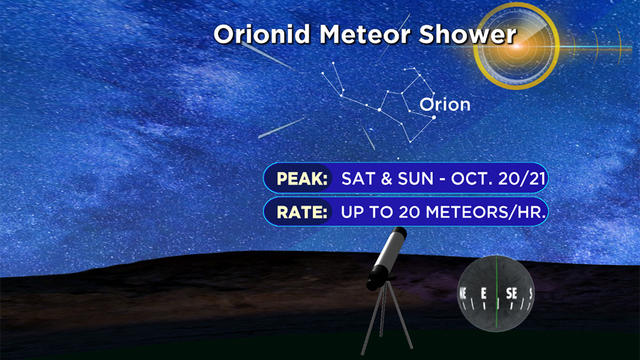
If you are a night owl, it'll be worth looking to the sky this weekend as the Orionid Meteor Shower makes an appearance.
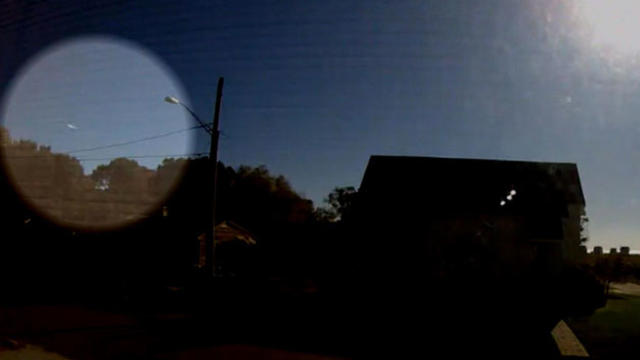
Ron Dantowitz from the Clay Observatory in Brookline said the meteor crossing the afternoon sky, a rare occurrence, was a part of the ongoing Orionid meteor shower.
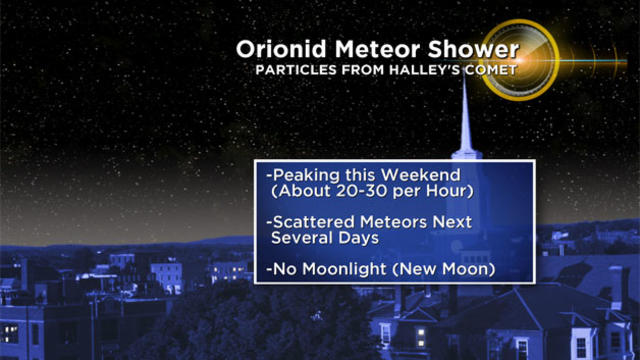
Thanks to Halley's Comet, our skies will be lit up over the next several nights!