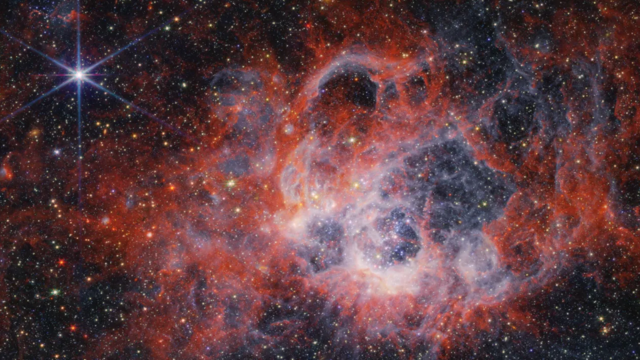
Dazzling Webb telescope images reveal "ghostly glow" of newborn stars
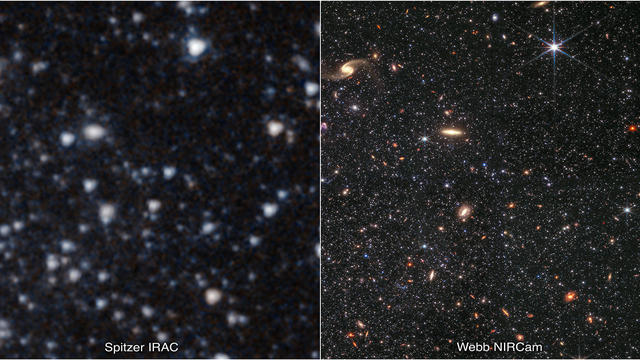
Two new images from the James Webb Space Telescope offer an unprecedented view of a stellar nursery in the Triangulum galaxy, about 2.73 million light-years away.
Watch CBS News
Two new images from the James Webb Space Telescope offer an unprecedented view of a stellar nursery in the Triangulum galaxy, about 2.73 million light-years away.
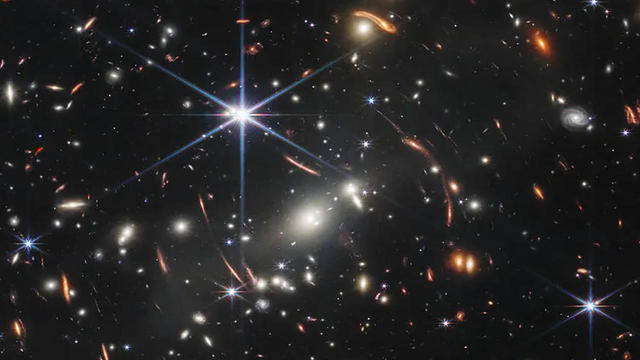
In the two years since the telescope was blasted into orbit, it has performed like a champ, capturing phenomenal images of the heavens and collecting data about distant planets – and scientists say it will continue for decades.
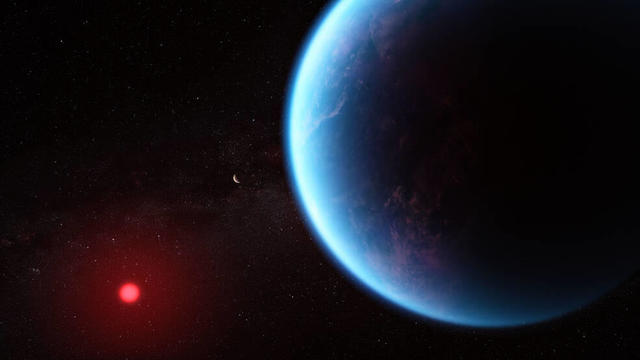
The exoplanet, called K2-18 b, could be a Hycean planet – meaning it has a hydrogen-rich atmosphere and an ocean.
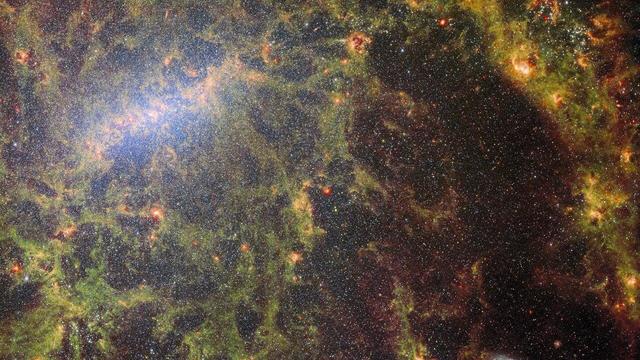
One of the new images, part of an "astronomical treasure trove" reveal asteroid tails shooting across the far-off galaxy.
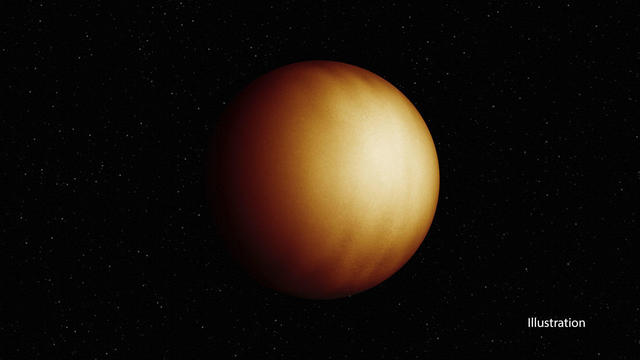
Scientists first made a brightness map of the exoplanet, then a temperature map of the atmosphere.
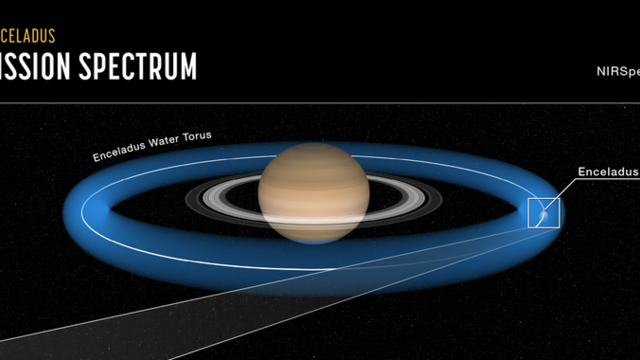
Scientists say the plume may feed Saturn's water system at large, and studying it could provide key insights into potential life beyond Earth.
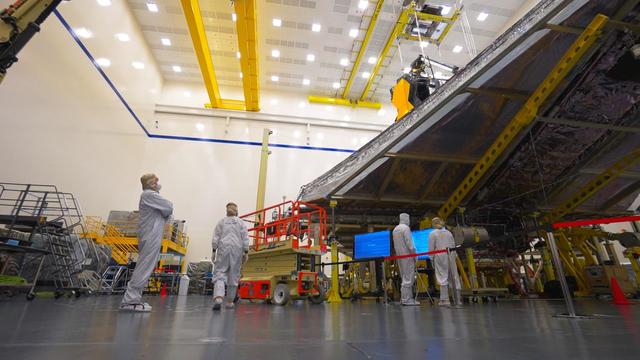
As NASA's Webb telescope scours the universe to find light from the first stars and galaxies, it is also capturing the universe like never before. Scott Pelley got an inside look at Webb's new discoveries.
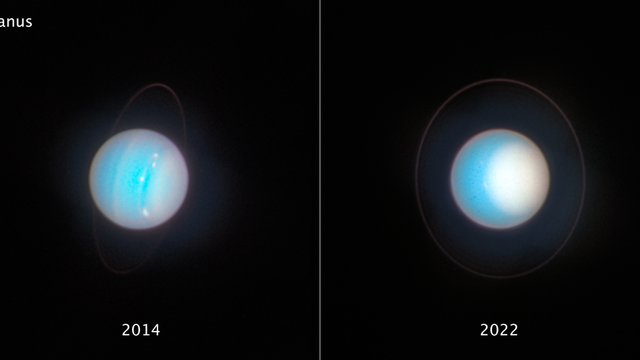
The James Webb Space Telescope has captured a new stunning image of ice giant Uranus, with almost all its faint dusty rings on display.
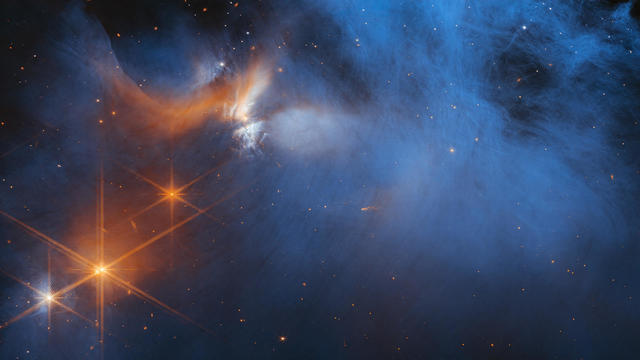
The operations center for the telescope is in Baltimore City, at the Space Telescope Science Institute on the Johns Hopkins campus.
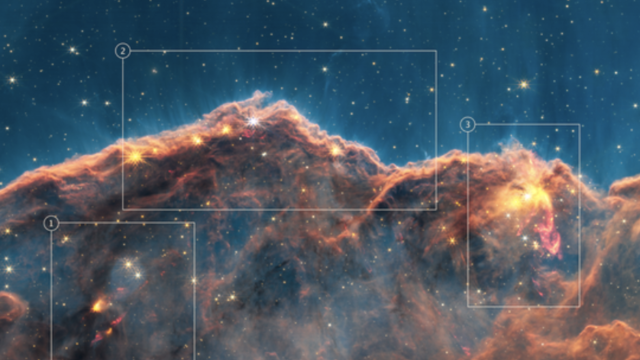
NASA was able to capture a "gallery of objects ranging from small fountains to burbling behemoths" deep in space: "It's like finding buried treasure."
The operations center for the telescope is in Baltimore City, at the Space Telescope Science Institute on the Johns Hopkins campus.
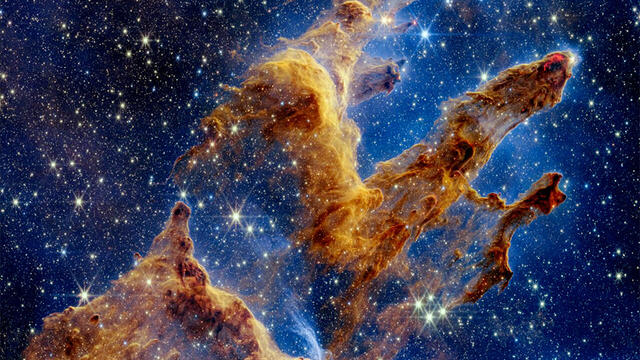
The $10 billion James Webb Space Telescope takes one of Hubble's most famous images to new heights.
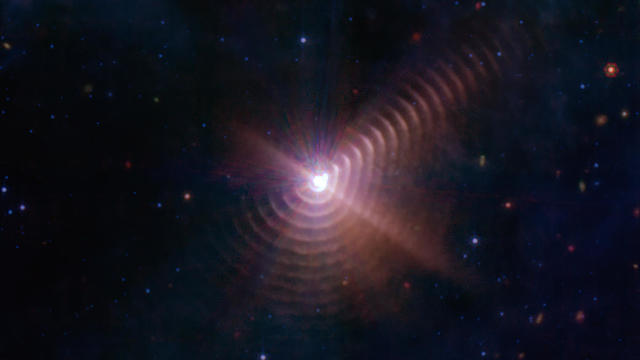
The two intertwined stars, located 5,000 light years from Earth, create what looks like a "fingerprint" in space.
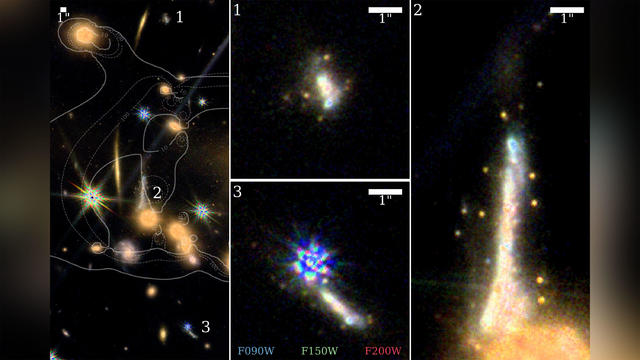
The sparkles could either be young clusters where stars were actively forming just three billion years after the Big Bang, or they might be ancient globular clusters of stars from the early days of the galaxy's formation.
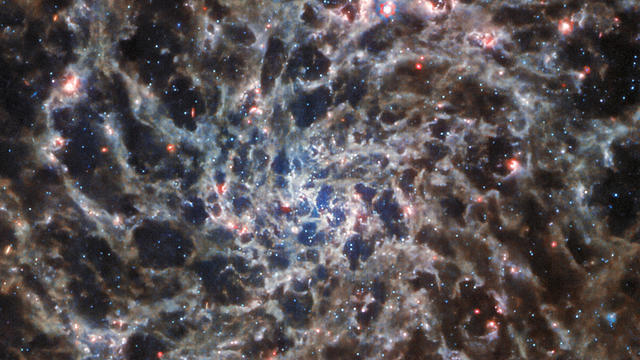
The "bones" of the galaxy, typically obscured from view by dust, are on full display.
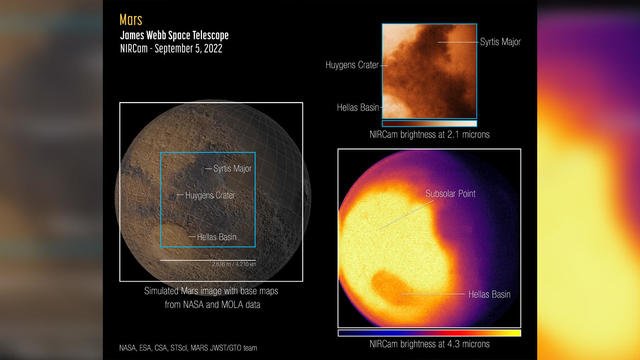
The space observatory captured its first images and data of the red planet on September 5.
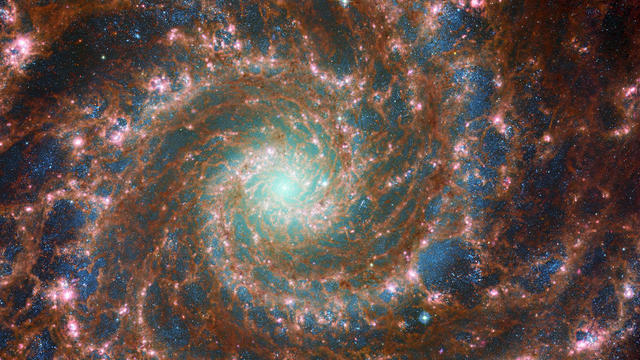
The galaxy is located in the constellation Pisces, according to the European Space Agency, which collaborates with NASA on both the Hubble Telescope and the James Webb Telescope.

Painting a picture that moves from orange and yellow at Jupiter's poles to blues and purples toward the center, several images from the telescope came together to form an overall composite and give Earth a look at the gas giant.
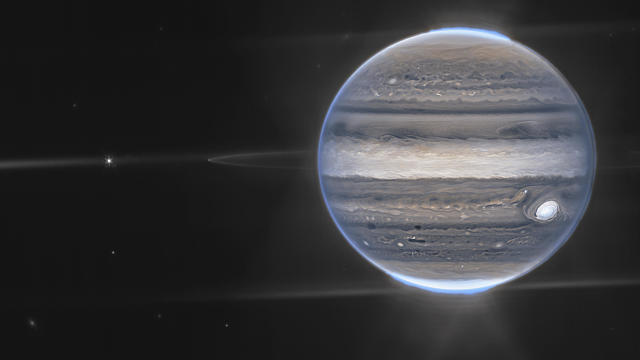
These are the most detailed images to date of the solar system's largest planet.
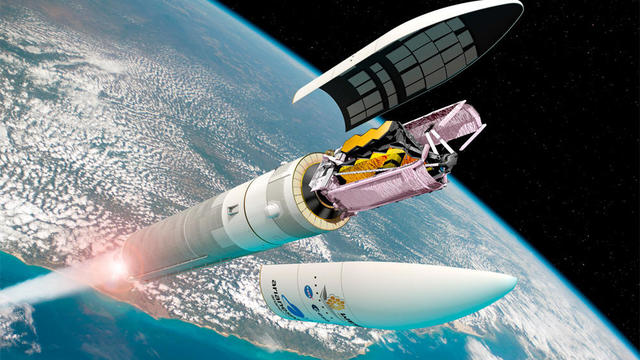
The James Webb Space Telescope is using infrared light to reveal otherwise invisible aspects of the universe -- and capturing stunning imagery in the process.
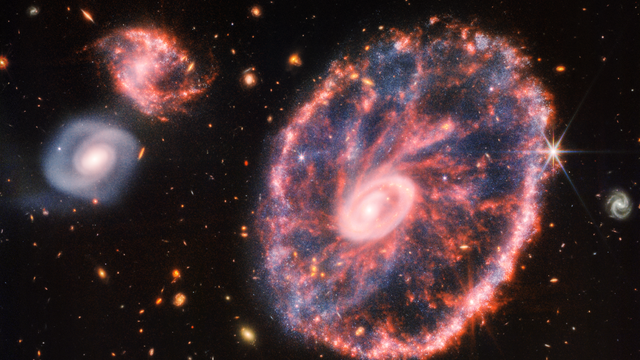
The Cartwheel Galaxy, named for its resemblance to a wagon wheel, is located about 500 million light-years away.
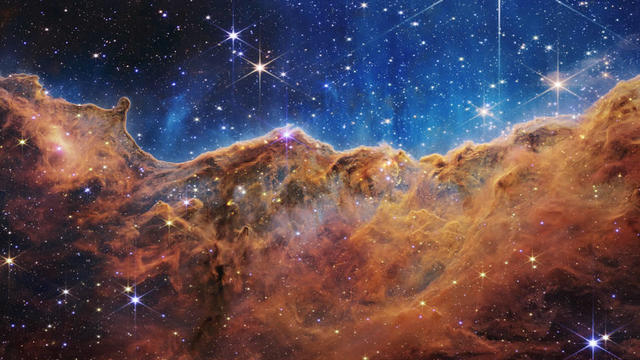
The first images from the James Webb Space Telescope were unveiled Tuesday.
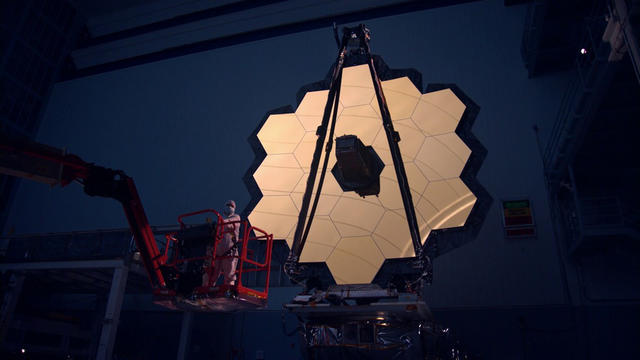
The Webb mission, which was estimated to last for 10 years, has enough excess fuel capability to operate for 20 years, according to NASA.
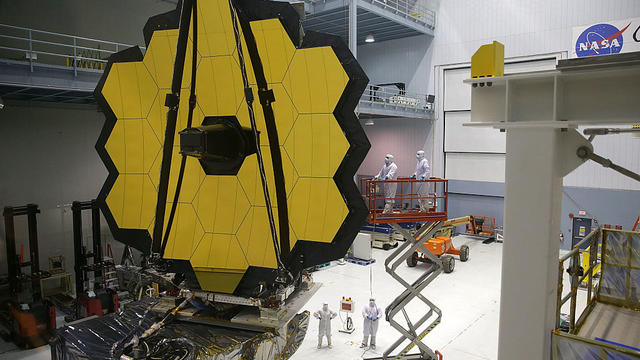
The Space Telescope Science Institute in Baltimore is the mission operations center for the telescope.
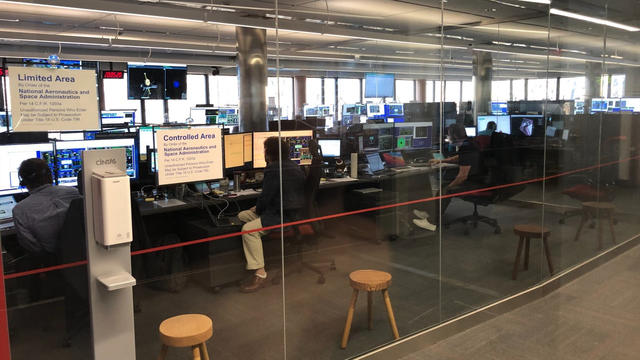
While the James Webb Space Telescope is a million miles from Earth, those in control of this revolutionary tool are much closer to home.