AI surveillance, drone defenses to secure World Cup venues

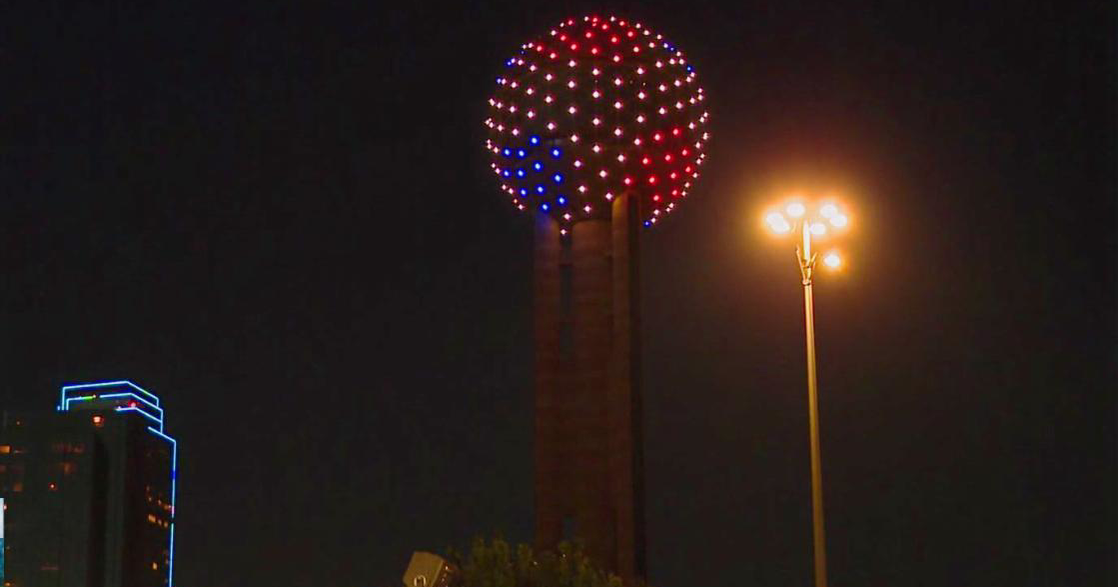
As fans arrive for nine World Cup matches in North Texas, the action on the field won't be the only display of elite preparation. Behind the scenes, law enforcement will deploy some of the most advanced security technology available to monitor stadiums and fan zones throughout the tournament.
When spectators enter major venues, they'll be captured by high‑resolution, AI‑enabled cameras that analyze crowd behavior in real time.
Matt Sailor, CEO of IC Realtime, said systems like these are standard at large‑scale events.
"Those types of things, I guarantee you, they are deploying at these large-scale facilities," Sailor said.
AI tools analyze crowd behavior
IC Realtime provides hardware and software for law enforcement intelligent video analytics. With advanced cameras and AI, the systems can detect changes in a person's movement that may signal escalating behavior.
"It's able to determine based on gait, based on motion, based on the way the body is moving from a calm movement to an excited movement, and it levels that on kind of a threat detection," Sailor said.
He added that concerns about individuals who may be unstable or intent on causing harm make early detection increasingly important.
Facial and vehicle recognition expected
Law enforcement is also expected to rely heavily on facial and vehicle recognition tools to identify individuals known to cause trouble.
"You have the ability now to load a database of known subjects that may be troublemakers," Sailor said.
Airspace protection poses challenges
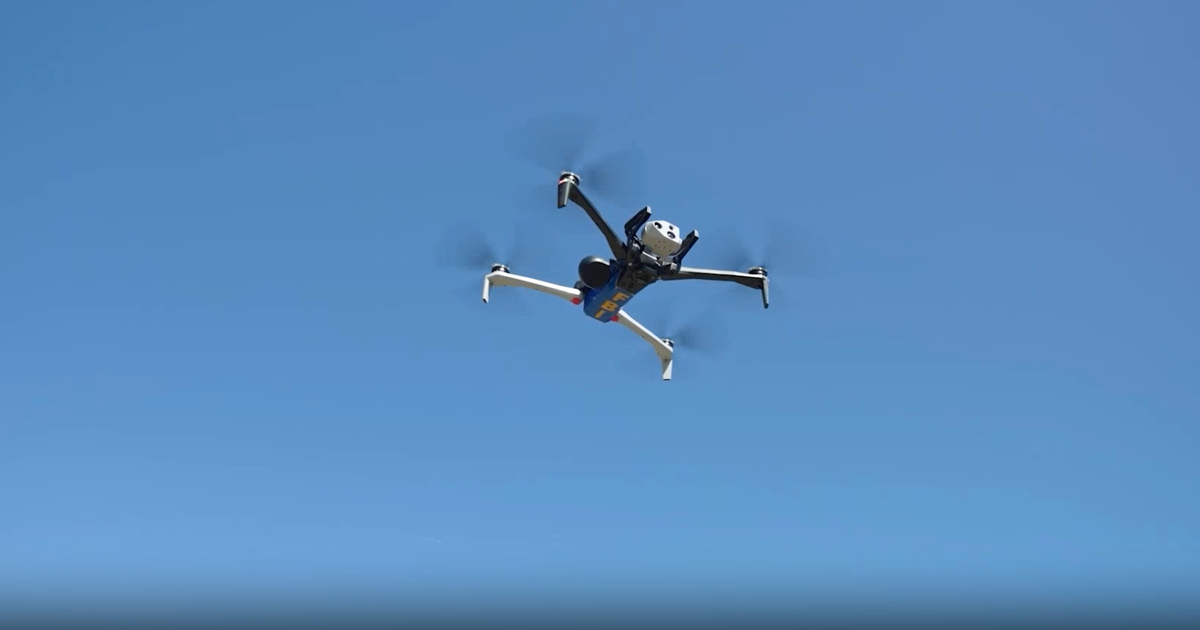
While ground‑level security has become increasingly sophisticated, Sailor said the greater challenge is the sky. Drones have become more advanced and accessible, but they can be neutralized with the right tools.
"They have RD disruptors, and if they wanted to, they could put up what's called kind of a virtual wall," he said.
Safety assurances for fans
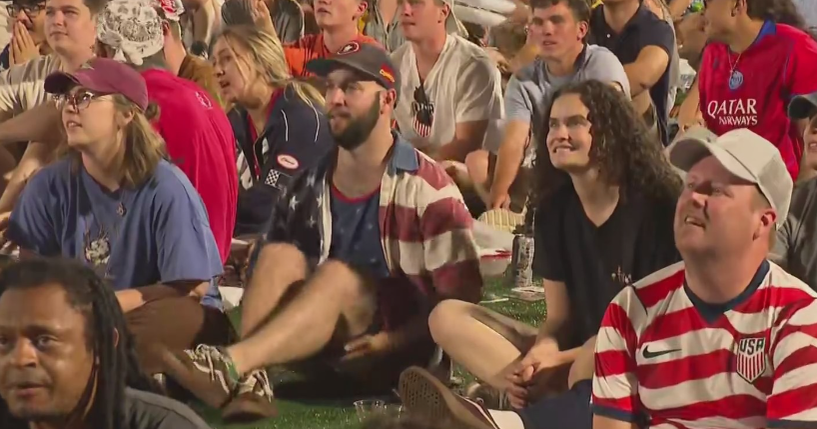
With millions expected to attend matches and fan events, Sailor said fans should feel confident in the layers of protection in place — with one important caveat.
"Very safe, yes, you can never say you are 100 percent safe, it is an impossibility," he said.