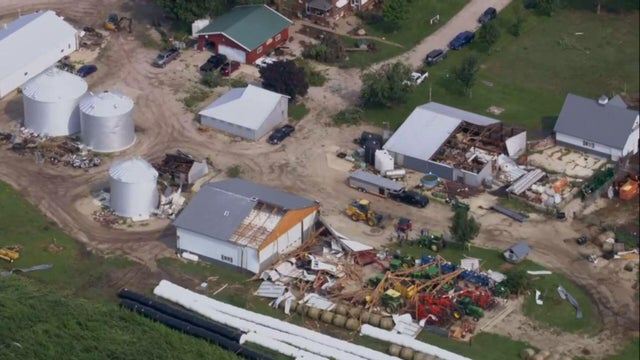
2 EF-1 tornadoes confirmed in LaSalle County
Two EF-1 tornadoes have been confirmed to have touched down in La Salle County Sunday night.
Watch CBS News

Two EF-1 tornadoes have been confirmed to have touched down in La Salle County Sunday night.
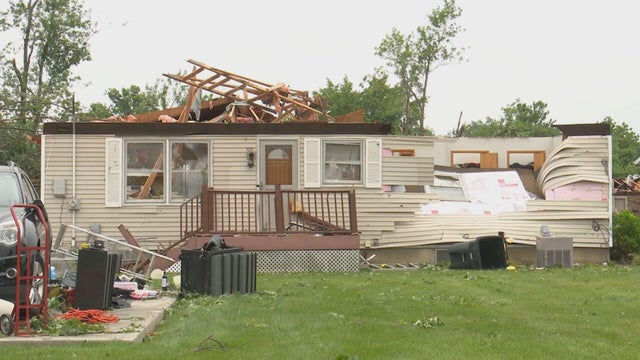
The National Weather Service confirmed on Thursday afternoon that seven tornadoes touched down in the Chicago area during Monday's severe storms.
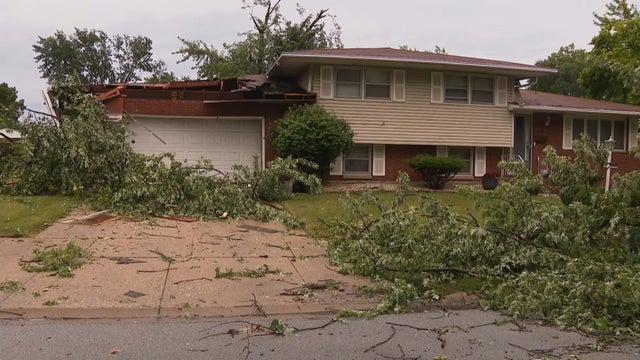
Another round of storms is sweeping through Chicago, prompting more watches and warnings. An earlier round left a wake of damage and flooding.
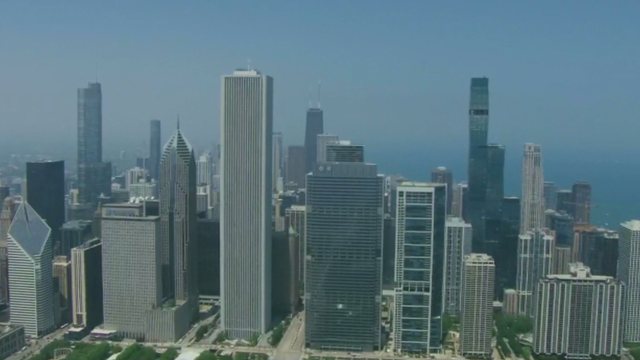
An Air Quality Alert is in effect for nearly the entire Chicago area for high levels of ozone pollution during enduring hot and stagnant weather.
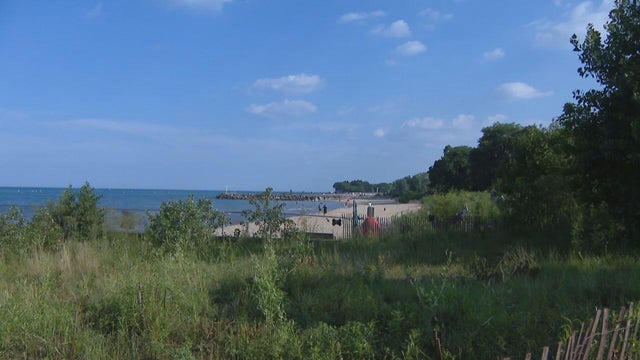
A 2.9 magnitude earthquake has been recorded in Lake Michigan off the coast of Chicago's northern suburbs Wednesday afternoon.
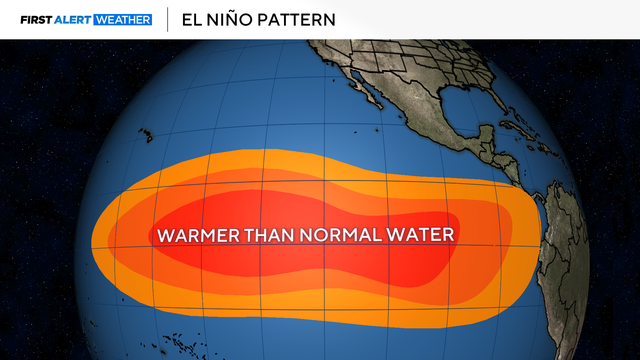
A potentially historic El Niño pattern is no longer just brewing in the Eastern Pacific – it is here.
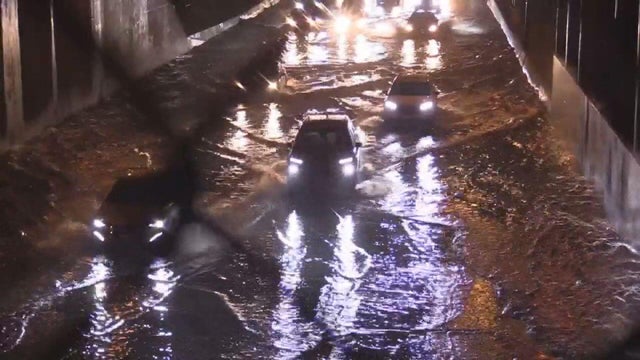
The rain over the July Fourth holiday weekend overwhelmed a massive system meant to handle Chicago's stormwater, causing untreated water to be dumped into area rivers.
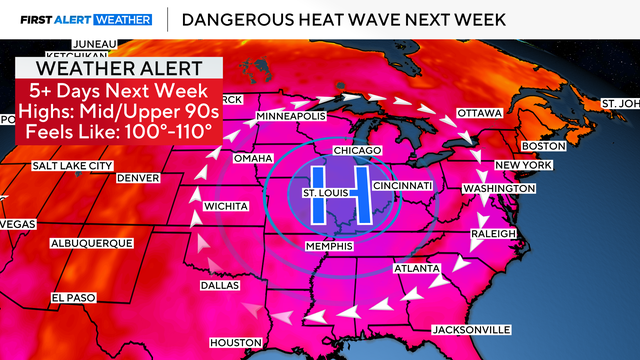
The Chicago area is facing a dangerous heat wave next week, with humidity pushing temperatures into the triple digits for days and posing a real risk to life and health.
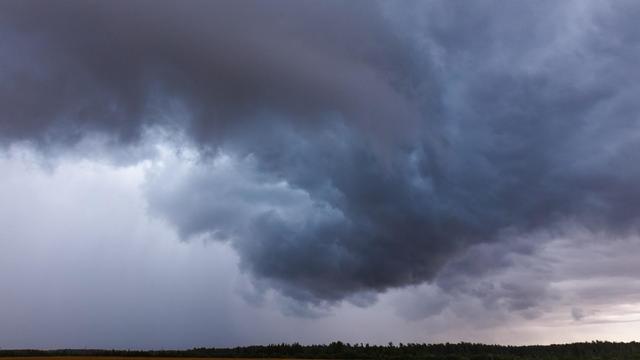
A tornado was confirmed near Huntley, Illinois, during the severe storms that pounded the Chicago area Wednesday night.
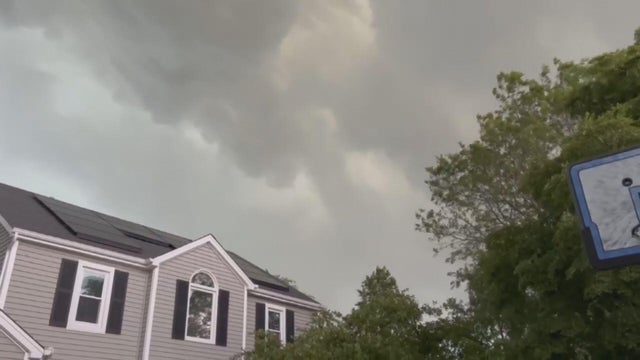
A round of watches and warnings is in effect for parts of the Chicago area, some with the possibility of producing damaging hail and tornadoes.
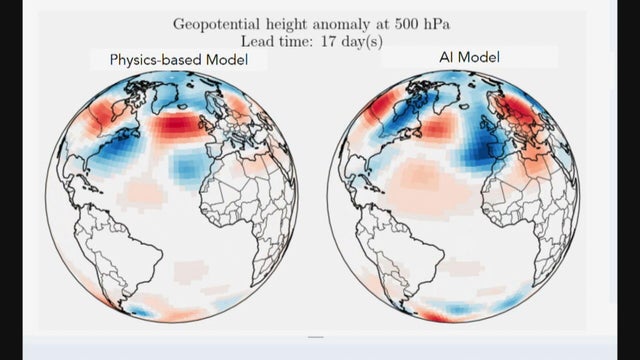
Scientists at the University of Chicago are working on AI trained to model weather which could help create better, more accurate forecasts.
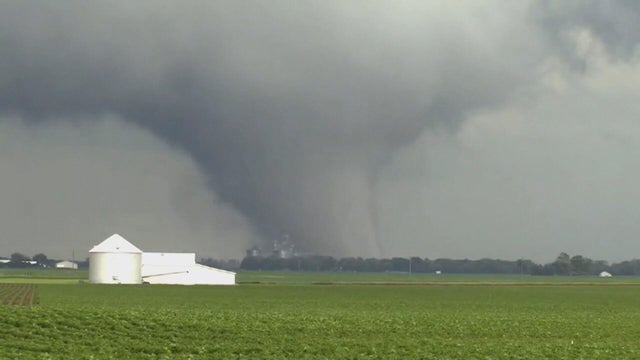
Illinois has seen more tornadoes in 2026 than in any year on record.
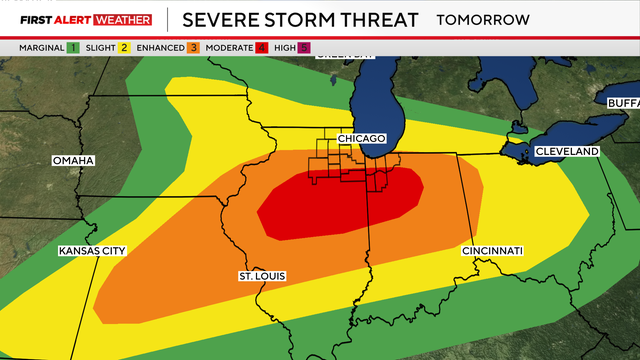
Another tornado outbreak is possible in the Chicago area Wednesday with two more rounds of storms on the way.
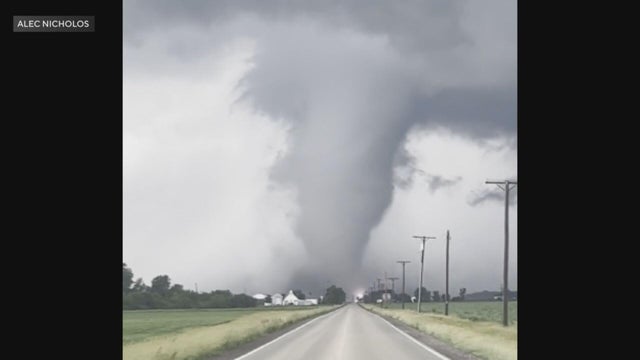
Thursday night's tornado outbreak in the Chicago area continues a concerning trend of increasing tornado frequency in the Upper Midwest.
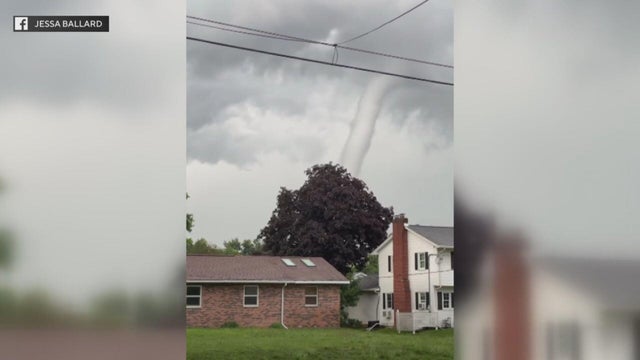
The Chicago area was pounded by severe storms for hours on Thursday afternoon and evening, with multiple reports of tornado damage stretching from the southwest suburbs to northwest Indiana.