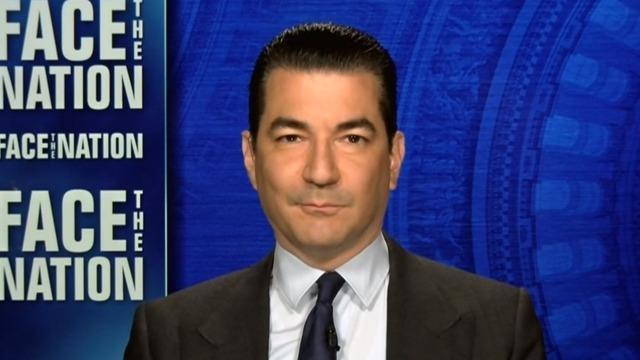
Gottlieb says U.S. "locking in" gains against COVID-19 as vaccinations continue
Dr. Scott Gottlieb, the former FDA commissioner, says the nationwide effort to vaccinate Americans has been a "monumental achievement."
Watch CBS News
Dr. Scott Gottlieb, the former FDA commissioner, says the nationwide effort to vaccinate Americans has been a "monumental achievement."
Missed the second half of the show? The latest on coronavirus cases in the U.S. as some states ease restrictions, global impacts of COVID-19 and voters spar over race and recovery in "Face the Nation" focus group.
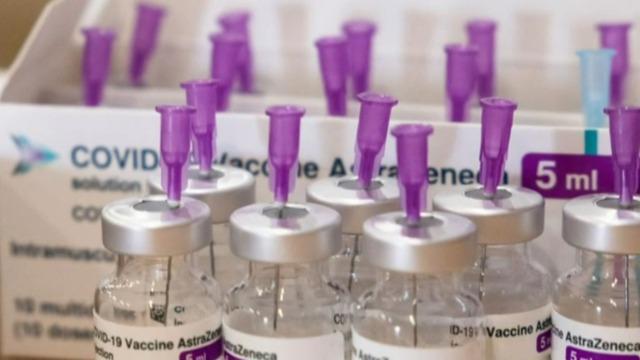
The Centers for Disease Control and Prevention says more than 101 million Americans are now fully vaccinated against COVID-19. The AstraZeneca vaccine, which is deployed in Europe, is vying to be the fourth available in the United States. Jenny Strasburg, a European correspondent for The Wall Street Journal, joined CBSN with more.
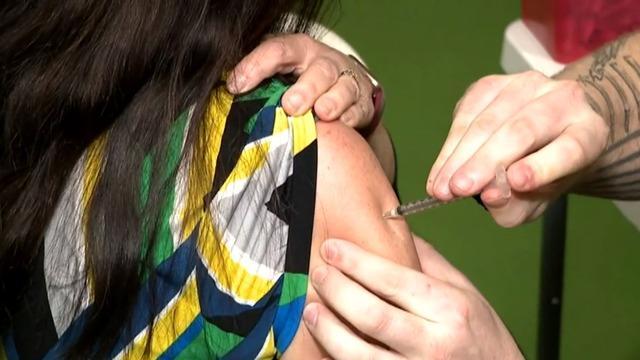
As nearly half of the country gets vaccinated, concerns grow about those who are still hesitant to get the COVID-19 shot. There are also new warnings about variants. Michael George has the latest.
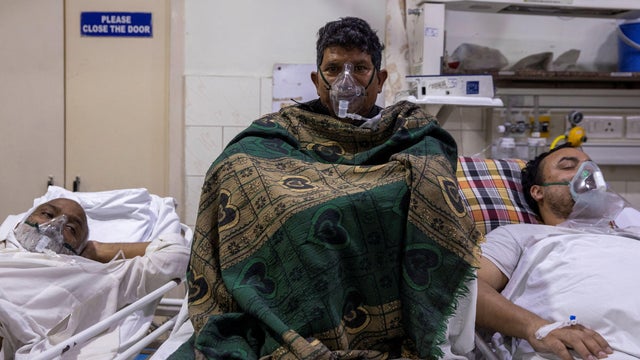
Help is arriving, but as the government denies acute oxygen shortages that are leaving patients to die at overcrowded hospitals, it's a drop in the bucket.
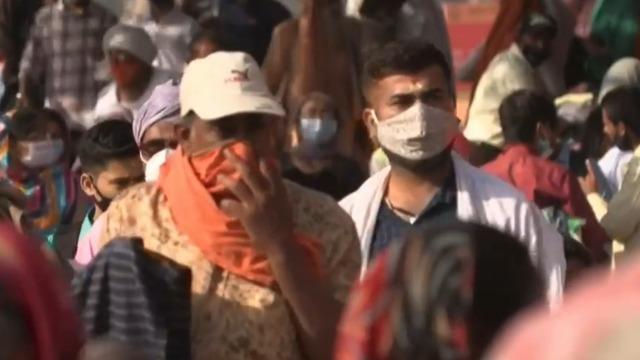
Much-needed medical supplies are starting to arrive in India from around the world, as overwhelmed hospitals are in dire need of oxygen concentrators, COVID tests and masks. CBSN's Tanya Rivero spoke with Carmen Paun, global health reporter at Politico, about why the entire world needs to be worried about what's happening in India.
Dr. Bob Lahita, director of the Institute for Autoimmune and Rheumatic Diseases at St. Joseph Health and professor of medicine at New York Medical College, joined CBSN to discuss the latest on COVID-19, including plans for New York City to reopen 100% by July, and Moderna testing a new version of its vaccine that would not need to be stored in ultra-cold facilities.
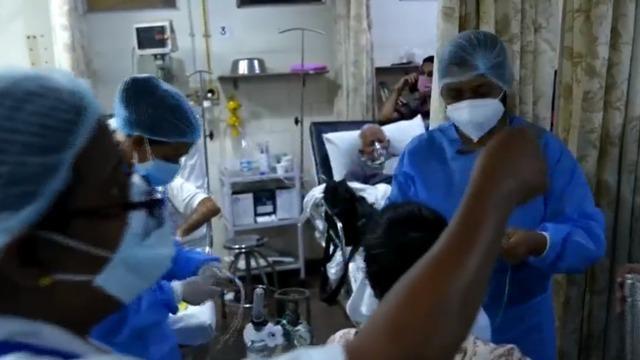
The devastating surge in India's COVID-related deaths and infection rates has strangled India's healthcare infrastructure, sapping critical oxygen reserves and hospital beds. This as the U.S. government delivers more than $100 million worth of supplies, including oxygen support, personal protective equipment, therapeutics, and rapid diagnostic tests. Holly Williams speaks with those on the ground in desperate need of the aid.
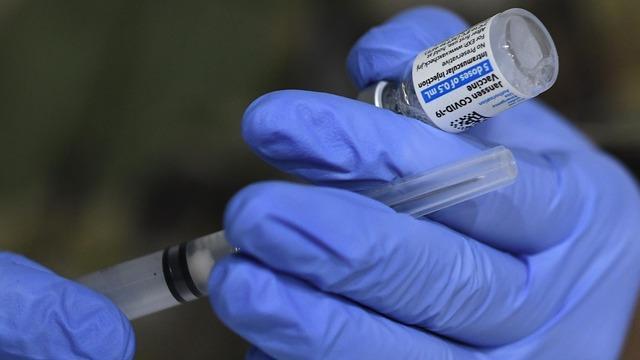
New York City officials are coming up with plans to fully reopen this summer. As CBS News' Nikki Battiste reports, the good news comes as coronavirus vaccinations decline and millions in the Pacific Northwest face new restrictions. Then, Dr. Amesh Adalja, an infectious disease expert and senior scholar at John's Hopkins University's Bloomberg School of Public Medicine, joins CBSN's Elaine Quijano with his analysis.
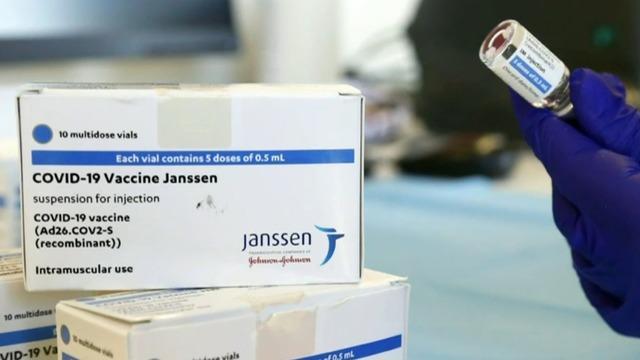
IBM says a cyberattack on companies that distribute the COVID-19 vaccine was much larger than previously thought. The company says in 2020, hackers began working to access information about the vaccine's cold chain distribution system, including information on how the shots were shipped. Forty-four companies across 14 countries were targeted in the hack. CBSN technology reporter Dan Patterson joins CBSN's Elaine Quijano to discuss.
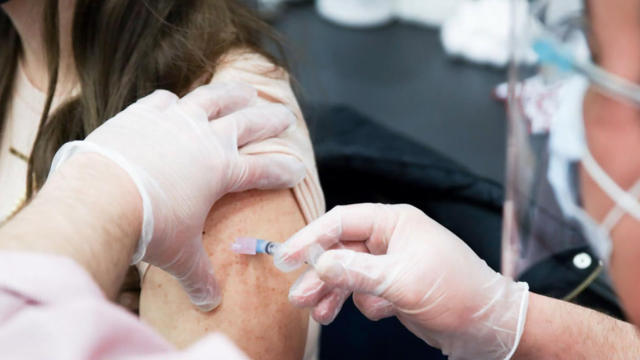
A new poll shows Americans are slightly less hesitant to get the coronavirus vaccine now than they were a month ago, but there are still a significant number of people who aren't planning to get vaccinated. Dr. Julie Morita, a former member of the Biden administration transition advisory board and the executive vice president of the Robert Wood Johnson Foundation, joins CBSN to discuss the concerns regarding vaccine hesitancy.

India set another global record with more than 379,000 confirmed new coronavirus cases in a single day. The country's official death toll is now over 204,000, but there are concerns it may really be much higher. London School of Economics professor Dr. Mukulika Banerjee joins CBSN AM to discuss the crisis.
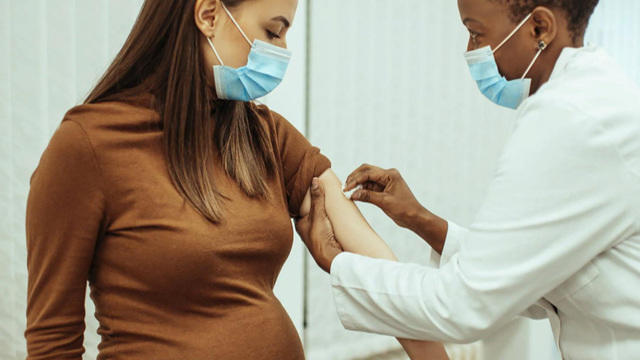
More than 230 million COVID-19 vaccine shots have been administered in the U.S. One very rare but serious side effects involving blood clots appears to be more prevalent in women under the age of 50. Dr. Joia Crear-Perry, an OB-GYN and president of the National Birth Equity Collaborative, joined CBSN to discuss the risks and benefits.
One 5th grade student's mother told CBS News Miami that her "stomach dropped" when she learned about the Centner Academy teacher's warning.
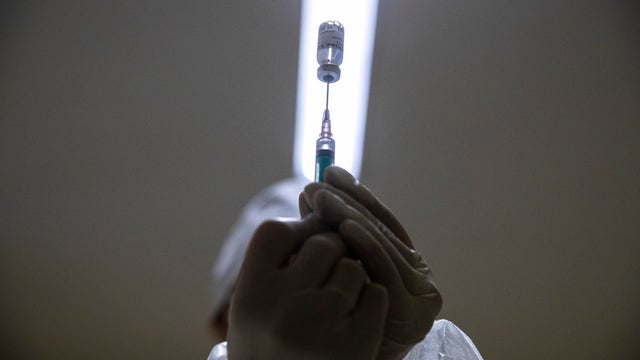
Brazil's drug regulator wasn't the first to flag apparent anomalies with Sputnik V vaccine doses, and scientists say their import ban seems prudent.
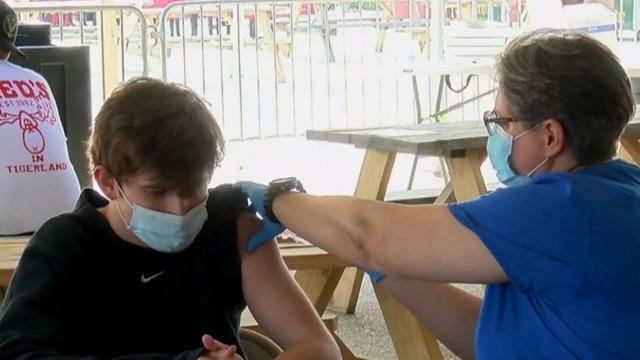
Since COVID-19 vaccine rates have begun to decline, many states have started doing everything they can to entice vaccine holdouts. CBS News correspondent Omar Villafranca spoke to a 23-year-old man who went out to a bar and ended up getting vaccinated there.
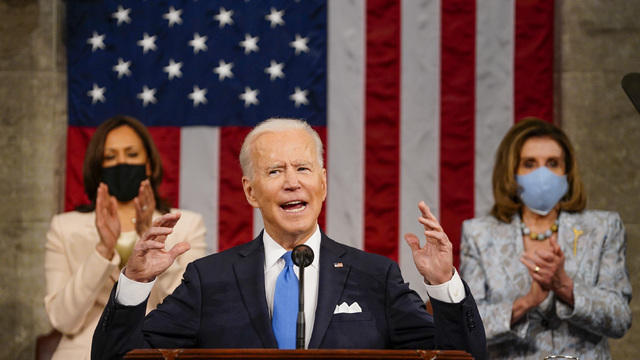
President Joe Biden delivered his first address to a joint session of Congress on Wednesday. CBSN Washington reporter Caitlin Huey-Burns, CBS News chief Washington correspondent Major Garrett, CBS News political analyst Leslie Sanchez, and CBS News political contributor and Democratic strategist Joel Payne join CBSN's "Red & Blue" host Elaine Quijano to discuss. Read more here.

The CDC has released new data about the effectiveness of the coronavirus vaccines in the real world. The agency says fully vaccinated adults age 65 and over are 94% less likely to be hospitalized with COVID-19. CBS News' Chris Martinez reports on efforts to get more people vaccinated, and Dr. Krutika Kuppalli joins CBSN to discuss.
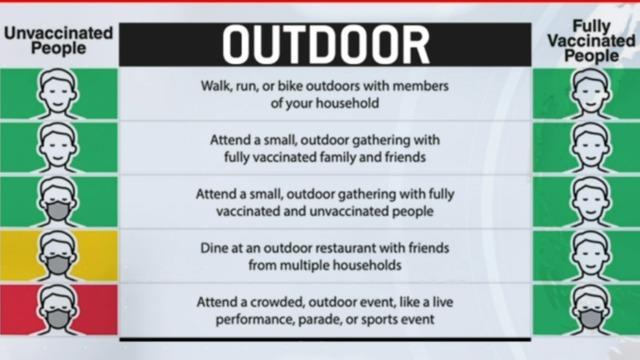
The CDC now says some outdoor activities are safe without masks when people are fully vaccinated. Dr. Alonzo Plough, the chief science officer at the Robert Wood Johnson Foundation, joins CBSN to talk about about why it's important to get vaccinated.
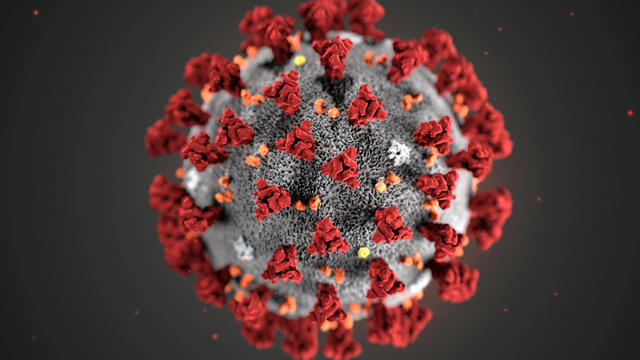
As the rate of vaccination slows in the U.S., other countries around the world are facing renewed COVID-19 crises. CBS News correspondent Meg Oliver reports on the U.S. vaccine surplus, and infectious disease physician Dr. Mati Hlatshwayo Davis joins CBSN to explain why richer countries need to help other nations for everyone's benefit.
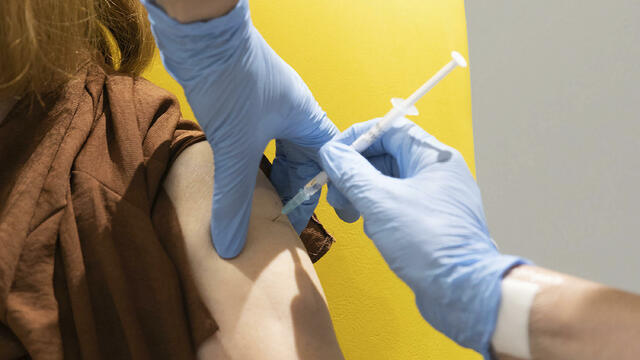
Coronavirus vaccinations in the U.S. are down nearly 25%. The drop comes as some areas experience a surplus in vaccines. Meg Oliver reports.
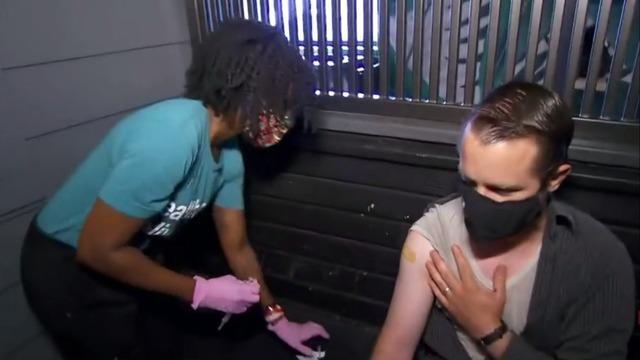
Some states are seeing a decline in vaccinations against COVID-19. CBS News correspondent Omar Villafranca joins CBSN from Baton Rouge, Louisiana, where a new campaign called "Shots for Shots" hopes to entice more people to get vaccinated by setting up sites at bars.
Less than one-third of Louisiana's population has received a first dose of a COVID-19 vaccine.
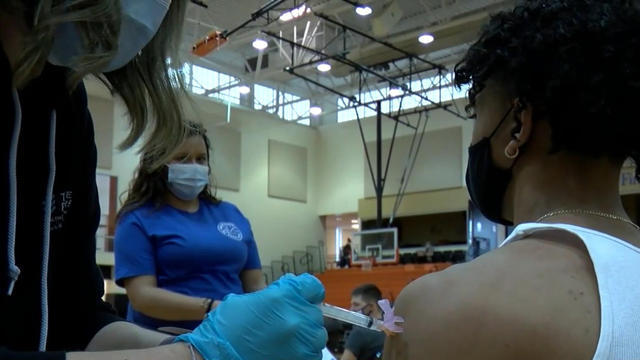
Across the country, millions of people are missing appointments for their second vaccine dose. The CDC says the second shot is critical in helping protect people from the virus. Adriana Diaz spoke to one woman hesitant about getting the second dose and a doctor warning of consequences if people skip out.
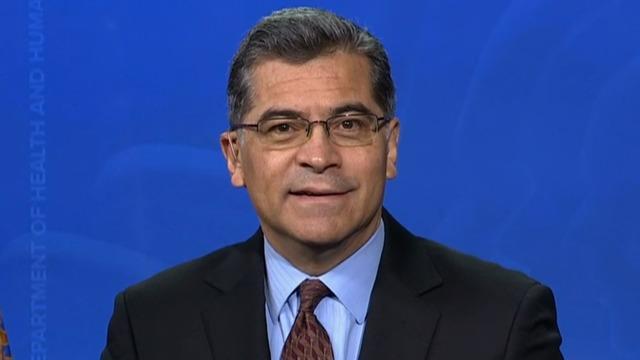
Secretary of Health and Human Services Xavier Becerra joins "CBS This Morning" to talk about the new CDC guidelines the Biden administration is expected to announce, vaccine hesitancy and unaccompanied children at the border.