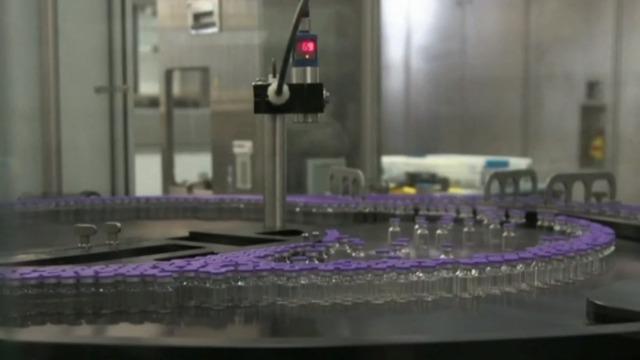
FDA authorizes Pfizer vaccine for kids 12 to 15
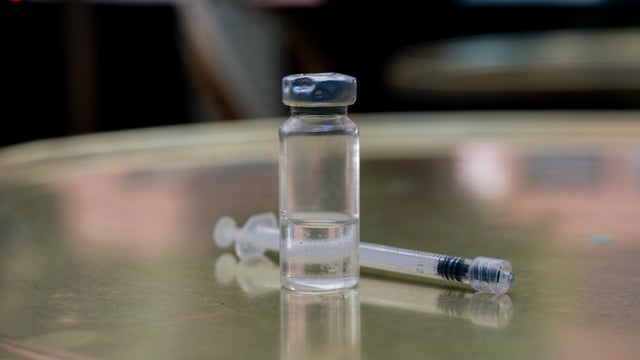
The FDA authorized Pfizer's COVID-19 vaccine to be used in children ages 12 to 15. But some parents are still hesitant to vaccinate their children. Meg Oliver takes a look.
Watch CBS News
The FDA authorized Pfizer's COVID-19 vaccine to be used in children ages 12 to 15. But some parents are still hesitant to vaccinate their children. Meg Oliver takes a look.
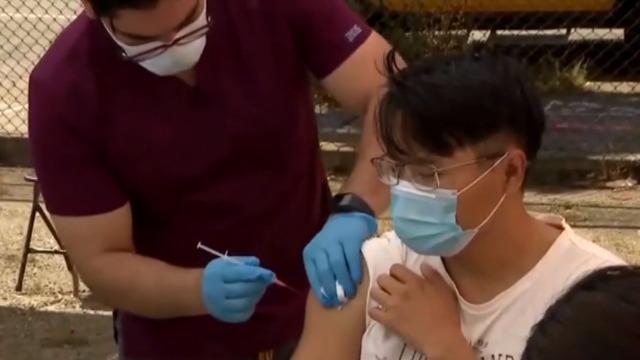
Dr. Jon LaPook explains how parents should determine whether their children should get Pfizer's COVID-19 vaccine and how soon they can get it.
Former first lady Michelle Obama speaks out about the impact of this past year on our collective mental health, shares rules for hanging out with the Obamas. She also talks candidly about the future hopes for her daughters Sasha and Malia.
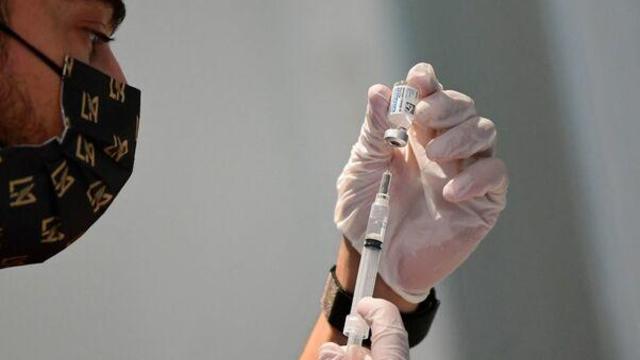
A third of the U.S. population is now fully vaccinated against the coronavirus. But the pace of inoculations is slowing, forcing public health officials to shift their approach. As Janet Shamlian shows us, there are new efforts to expand vaccine access and eligibility. Then, pediatrician Dr. Suzette Oyeku from the Children’s Hospital at Montefiore joins CBSN's Lana Zak with her analysis.
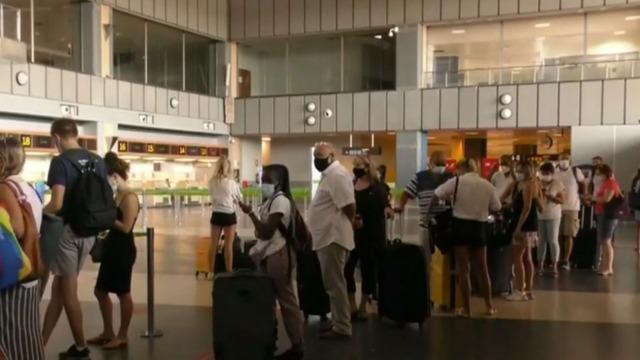
With COVID-19 vaccinations rising and cases falling, travel is slowly getting back to pre-pandemic levels. But a fight is brewing in Florida - Norwegian Cruise Lines says it may pull its ships from the sunshine state after Florida Governor Ron DeSantis's new law prevented them from requiring proof of vaccination. Errol Barnett reports.
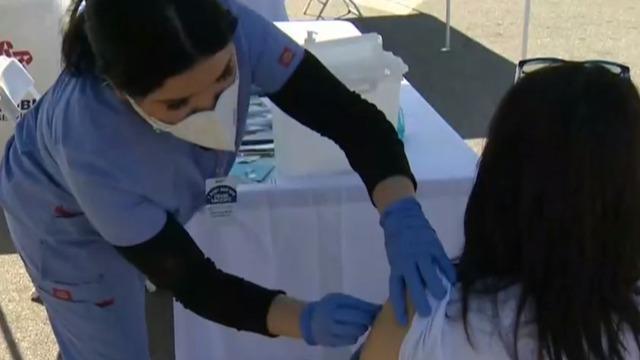
CBS News medical contributor Dr. David Agus has a look at President Biden's vaccination goals and children becoming authorized for vaccine usage.
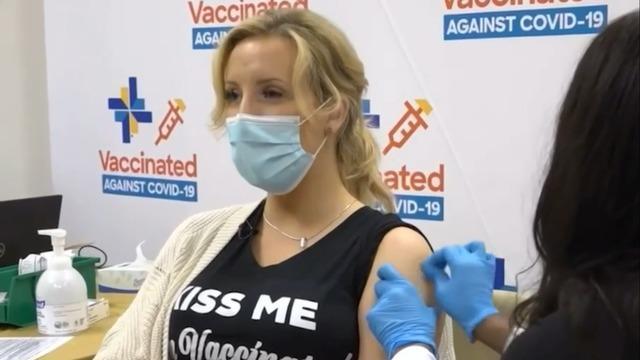
An influencer who pushed anti-vaccine messages is now publicly promoting her COVID-19 vaccination to make up for the misinformation she spread during her movement. Heather Simpson, a freelance writer and activist, joins CBSN's Lana Zak to discuss why she decided to get the vaccine.
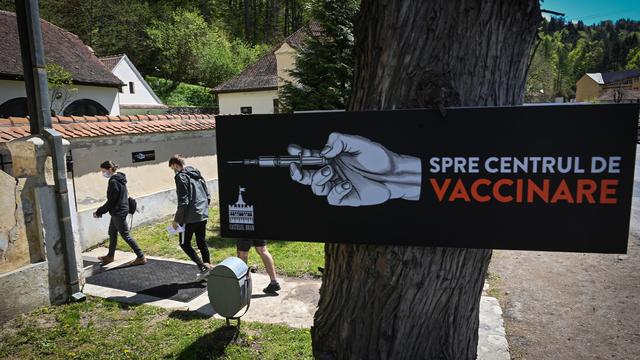
Visitors will also receive free admission to the castle's exhibit of medieval torture instruments.
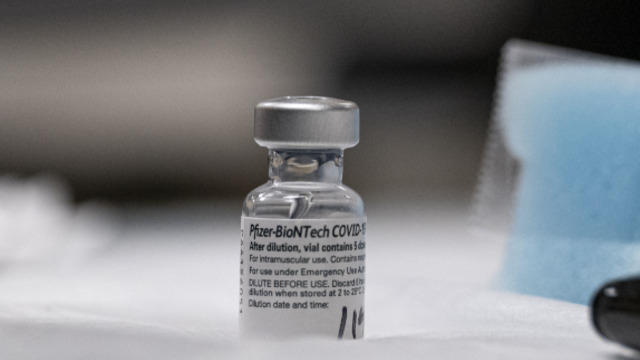
Pfizer has announced that it is officially seeking full Food and Drug Administration approval for its coronavirus vaccine, the first of the three U.S.-approved COVID vaccines being administered under emergency authorization. This as new infections appear to be on the decline, as is demand for vaccines. CBS News correspondent Laura Podesta joins CBSN AM to discuss.

The CDC reports the rate of new coronavirus infections has dropped more than 80% in the last four months. The positive news comes as states hurry to reopen for business amid warming temperatures. Danya Bacchus has more.
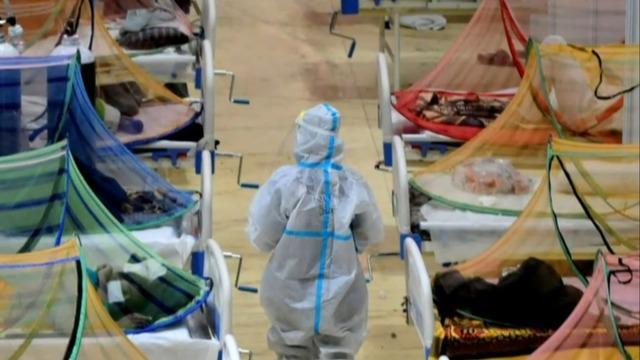
India is experiencing a rapid surge in newly confirmed cases of coronavirus nationwide. On Saturday, the country reported more than 4,100 deaths, shattering its previous single-day record. Parth M.N., an independent journalist based in Mumbai, joined CBSN to discuss India's response to the coronavirus pandemic.
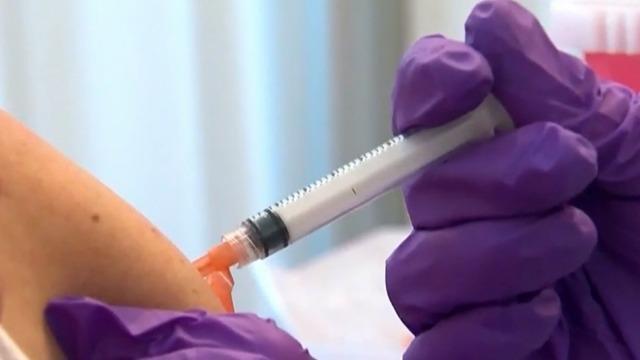
The number of Americans getting vaccinated is dropping off. But two upcoming decisions from the Food and Drug Administration could provide a possible turnaround and give the nation a much-needed shot in the arm. Michael George reports from a vaccination site in New York.
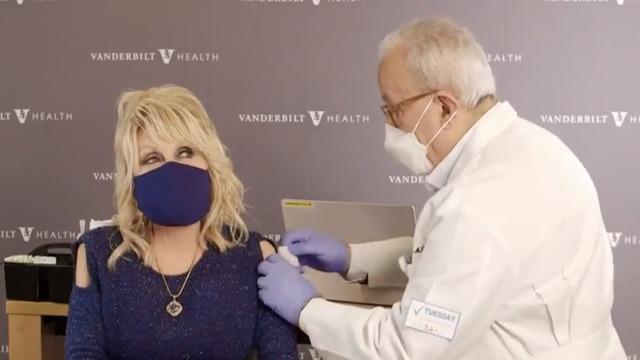
As countries race to vaccinate their citizens against COVID-19, vaccine selfies are becoming the new phenomenon to encourage people to get their shot. Roxana Saberi reports.
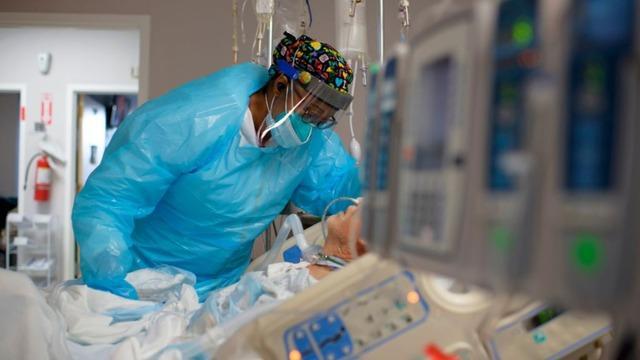
A new study finds the coronavirus has caused more than double the deaths reported globally. Dr. Christopher Murray, the director of the Institute for Health Metrics and Evaluation, joined CBSN's Tanya Rivero with more on their findings.
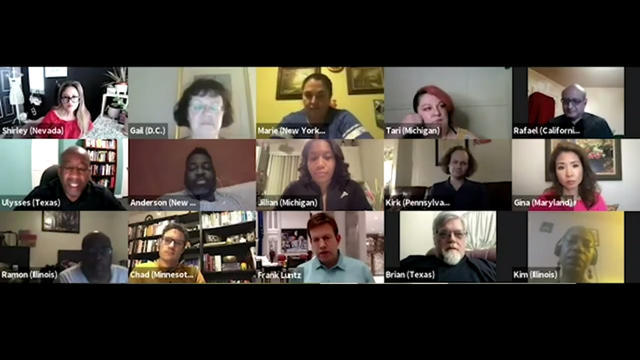
White House officials and public health experts are turning to focus groups to try to understand why some people held out against getting the coronavirus vaccine but later changed their minds. Washington Post health reporter Dan Diamond joined CBSN with more.
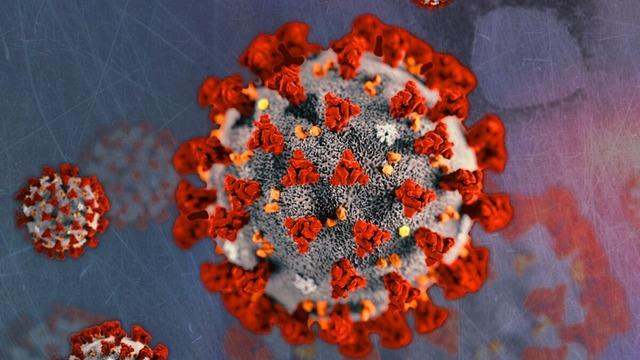
There are new signs the U.S. is on the road to recovery from the coronavirus pandemic. As CBS News' Carter Evans reports, cases and death have plummeted to the lowest point in months. Then Dr. Taison Bell, a critical care and infectious disease physician and the medical ICU director at the University of Virginia, joins CBSN's Lana Zak to discuss U.S. efforts and the nation's role in the global fight.
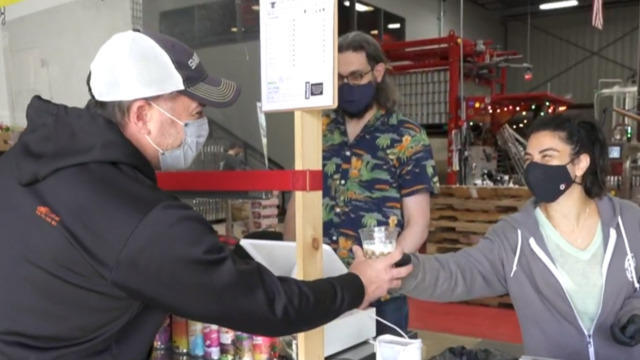
From beer to concert tickets, public officials are offering free stuff to convince coronavirus vaccine holdouts to get their shots. Adriana Diaz has the details.
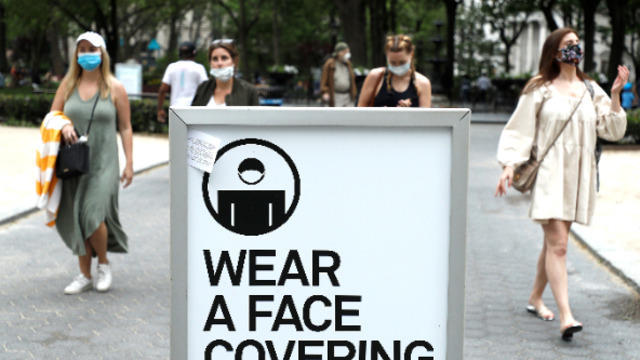
CDC Director Dr. Rochelle Walensky says the U.S. could see a "sharp decline" in new COVID-19 cases by July, as long as people continue to wear masks and get vaccinated. Meanwhile, the Biden administration says it will support the temporary waiver of patent rights to allow developing nations to produce vaccines. CBS News correspondent Laura Podesta joins CBSN AM to discuss.
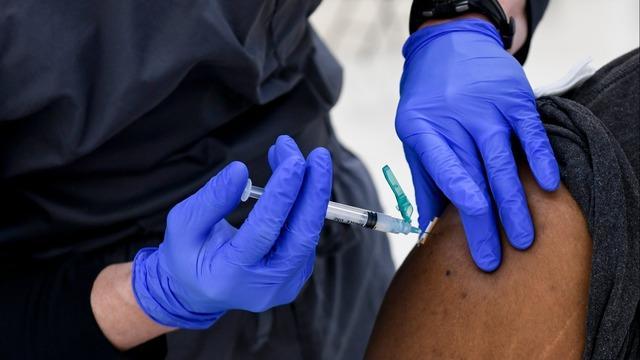
New data shows both the Moderna and Pfizer vaccines have promising results against COVID-19 variants. John Moore, a professor of microbiology and immunology at Weill Cornell Medical College, joins CBSN's Tanya Rivero for more on the efficacy of COVID vaccines.
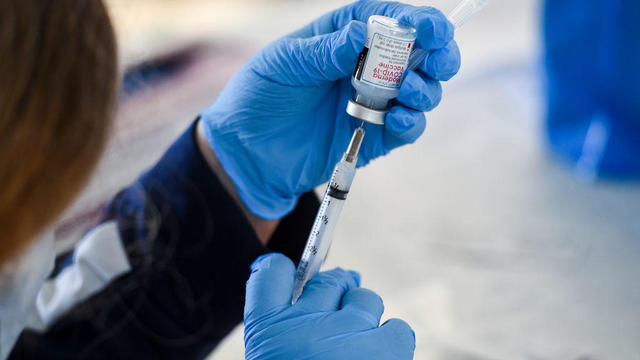
Drugmaker said Phase 2 trial of its coronavirus vaccine showed promising results in teens 12- to 17-years-old.
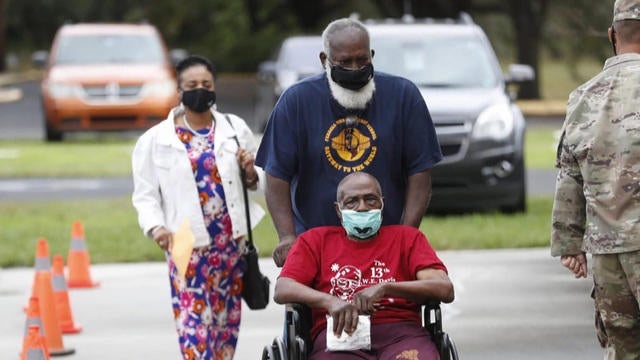
Concerns have been raised for months about racial disparities in the coronavirus pandemic, and that extends to the vaccination campaign. A New York Times op-ed by Damon Young is titled, "Racism makes me question everything. I got the vaccine anyway." He spoke with Tanya Rivero on CBSN about why many Black Americans mistrust the health care system.

The country could be headed for another tale of two Americas: those with herd immunity, and those without, including areas that are mostly rural and at continuing risk of mini-epidemics.
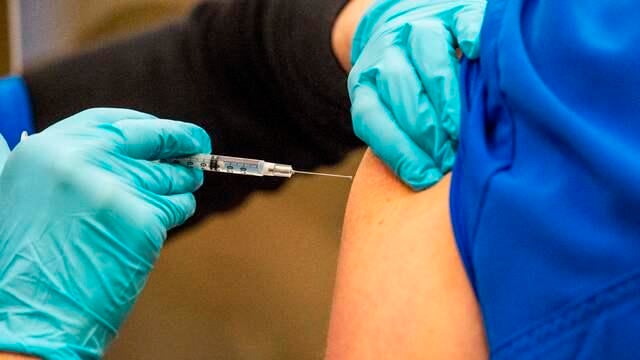
As the world battles against the coronavirus, misinformation about the pandemic and the COVID-19 vaccines is spreading online. Tommy Shane, head of impact and policy at First Draft, joins CBSN AM to discuss how our understanding of "truth" and "facts" impacts our approach to information.
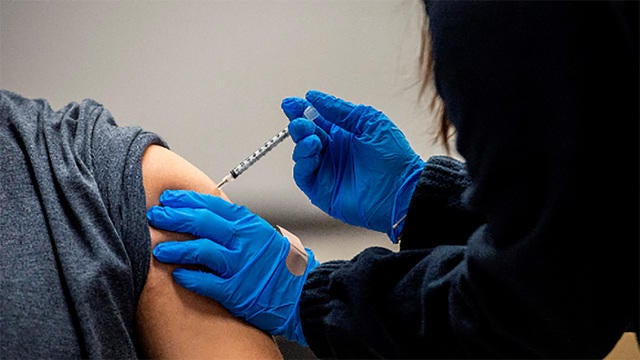
President Biden has announced a new goal in battling COVID-19, aiming to get 70% of American adults vaccinated by July 4. But more than 20 states across the country are not ordering all the available doses allocated to them as demand for vaccines declines. CBS News correspondent Laura Podesta joins CBSN AM with details.
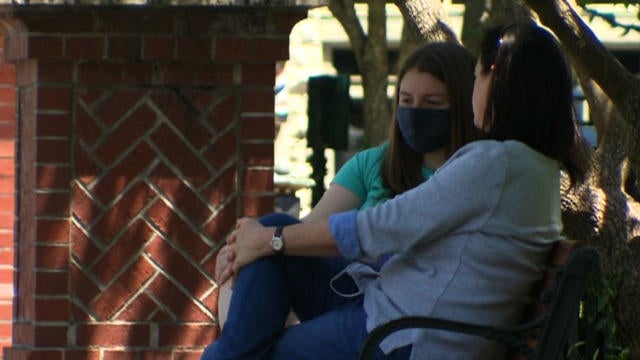
At least 25 states have turned away COVID-19 vaccines because of falling demand. Georgia is one of the states dealing with vaccine hesitancy. Mark Strassmann takes a look.