NYC nurses strike amid national shortage
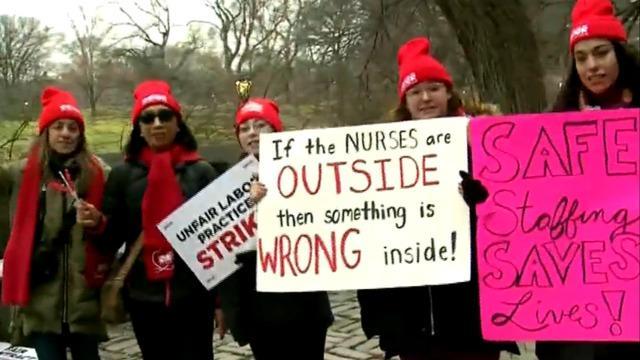
Nurses at two New York City hospitals are not backing down as their strike entered a second day. The strike comes during a historic nursing shortage nationwide. Meg Oliver has the details.
Watch CBS News
Nurses at two New York City hospitals are not backing down as their strike entered a second day. The strike comes during a historic nursing shortage nationwide. Meg Oliver has the details.
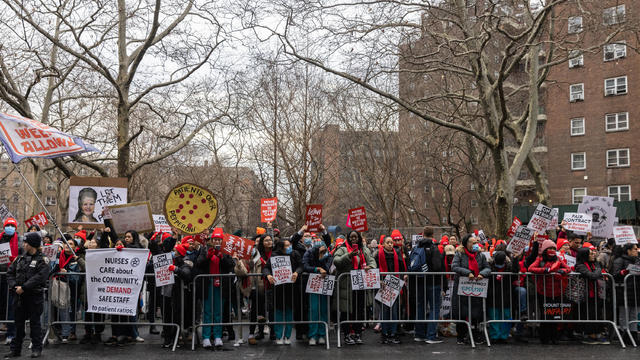
Union says chronic understaffing leaves nurses caring for too many patients, saying "bosses have pushed us to strike."
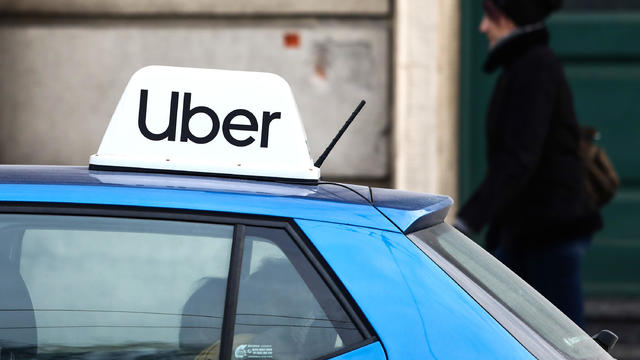
Uber drivers are also asking consumers to boycott the ride-share app during the 24-hour strike.
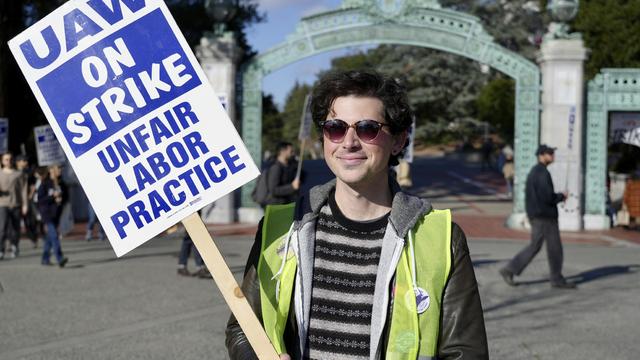
The agreement, which still needs to be ratified, will end a strike that disrupted classes at all 10 of the university system's campuses.
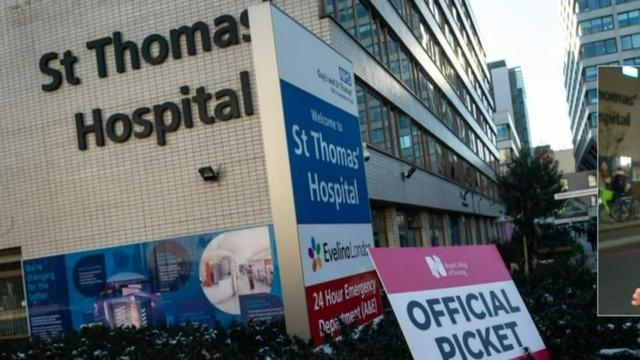
Nurses across the United Kingdom launched an unprecedented strike today, as rail workers continue their own walkout across the country. BBC correspondent Nick Johnson joins CBS News from London to discuss the strikes.
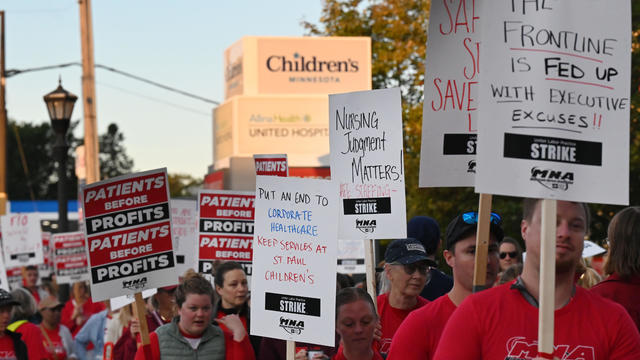
The planned strike, which was voted on with "overwhelming" support from the 15,000 nurses in the Minnesota Nurses Association, will begin on Dec. 11 and could last until Dec. 31.
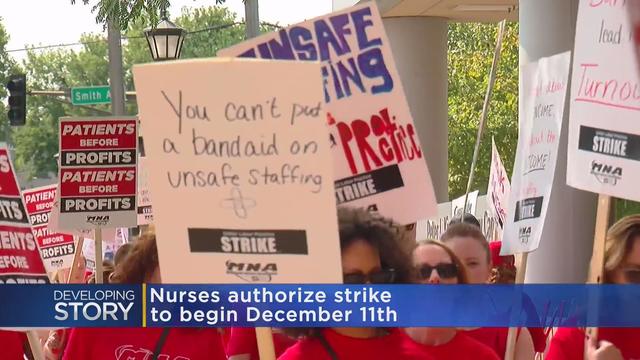
The union representing 15,000 Minnesota nurses announced the health care workers voted "overwhelmingly" Wednesday to walk off the job for the second time this year. And this time, they say they're prepared to strike for 20 days.
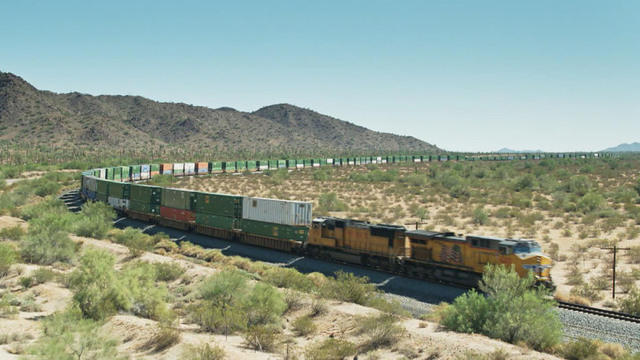
The House of Representatives is expected to vote for a tentative labor agreement brokered by the White House to avert a possible rail strike. Sen. Bernie Sanders, however, is pushing for sick leave. CBS News senior White House correspondent Weijia Jiang reports.
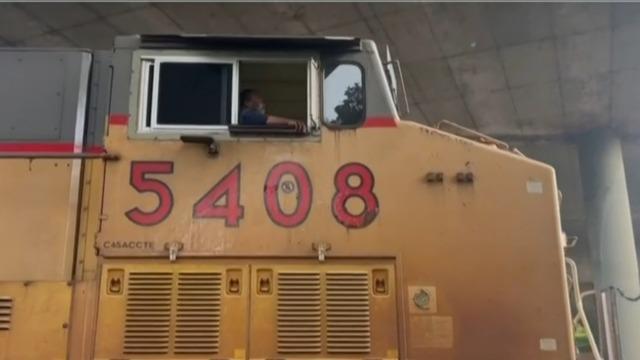
House Speaker Nancy Pelosi says she is introducing legislation on unionized railroad workers' contracts, which Congress is expected to vote on in the coming days. CBS News senior White House correspondent Weijia Jiang joins "CBS News Mornings" to explain what the railroad workers are asking for and efforts to avert a possible strike.
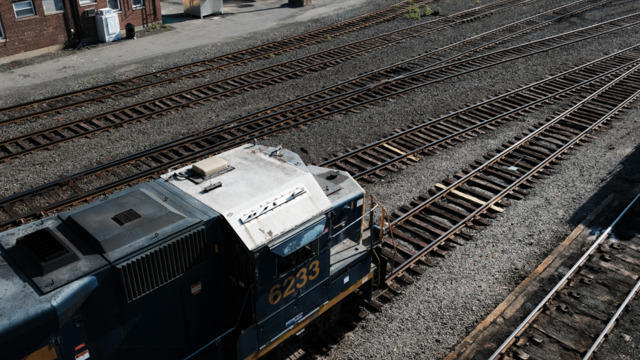
Concerns are rising of a possible railroad strike after one of the United State's largest unions rejected a deal brokered by the Biden administration. Fears loom over the impact such a strike would have on the country's economy and chain supply. CBS News senior White House correspondent Ed O'Keefe discusses.
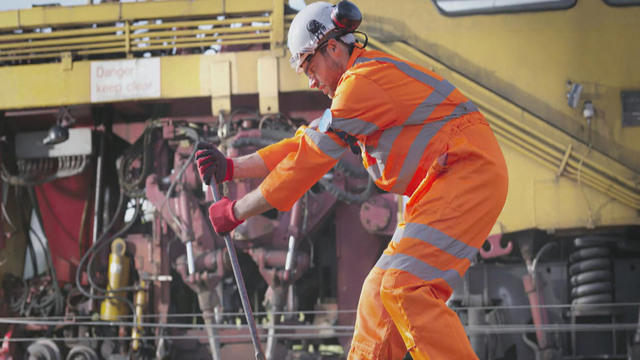
One of the largest railway workers unions voted to reject a contract deal brokered by the Biden administration in September. Seven unions have agreed, but all 12 need to approve it to avoid a potentially economically devastating strike. Richard Edelman, attorney for BMWED, a union that voted against the contract, joins CBS News to discuss the contract and what workers say its missing.

Researchers, teaching assistants and other academics at 10 of the school's campuses walked off the job to demand better pay.
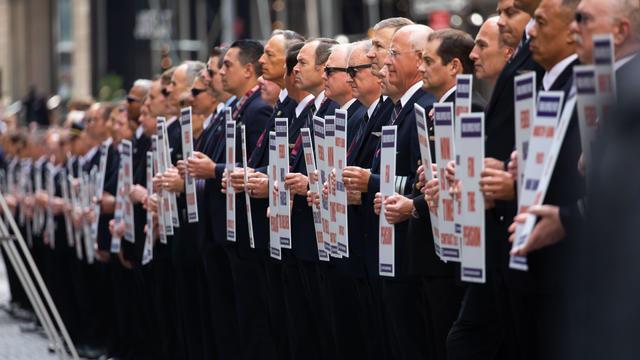
Supreme Court will hear a case that could let employers sue workers for economic damage during strikes.
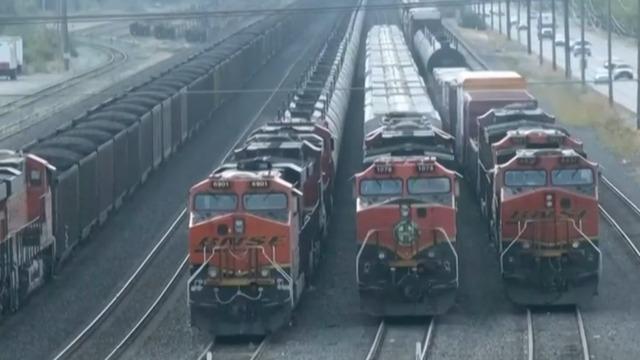
The third largest railroad union in the U.S. has rejected a deal with employers, renewing the possibility of a nationwide strike that could ripple through the economy. Richard Edelman, the attorney for the Brotherhood of Maintenance of Way Employes, joined CBS News to discuss why the members rejected the tentative agreement.
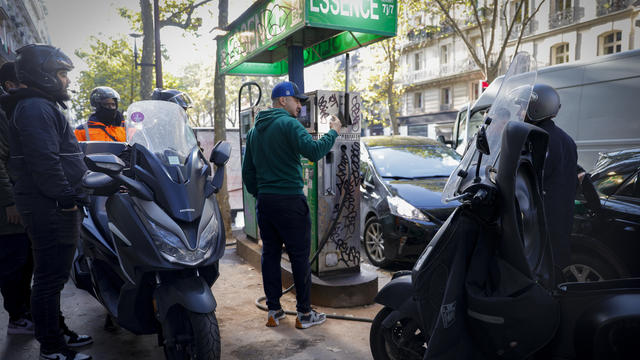
The striking oil workers want a pay rise, arguing their salaries cannot keep up with inflation that has soared to almost 6% in France.
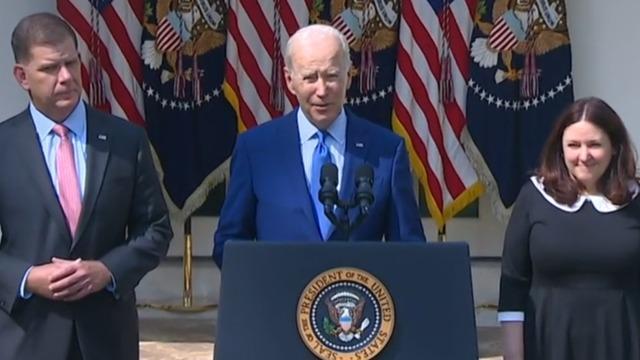
After a final push of 20 hours of negotiations, railroads and rail worker unions reached a tentative agreement, averting a strike. President Biden announced the deal and said it was a win for Americans and the economy. CBS News chief White House correspondent Nancy Cordes joined CBS News' John Dickerson to discuss the latest details.
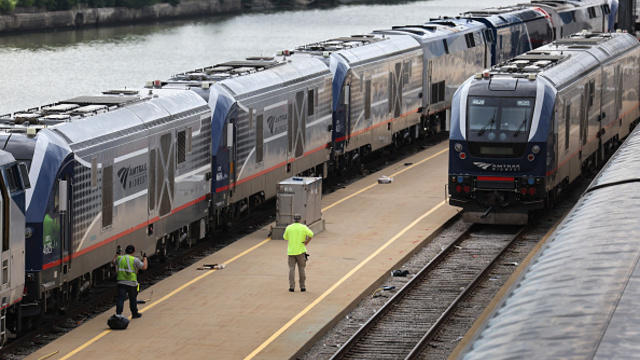
Contract negotiations between railroad workers' unions and railways remain stalled. The Biden administration is now actively trying to avert a potential strike that could have a major impact on the economy, supply chains and travel. Wall Street Journal reporter Esther Fung joined CBS News' John Dickerson to discuss the latest.
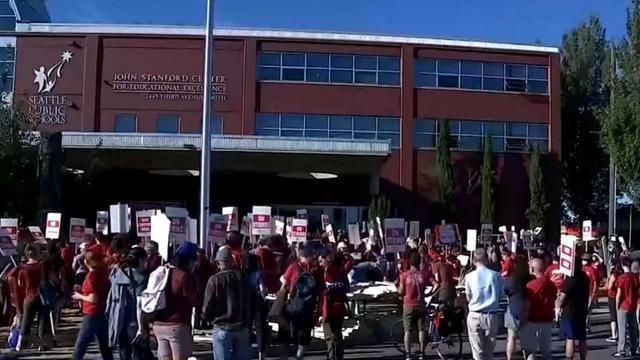
The first day of school was canceled in Seattle as teachers went on strike demanding better pay, smaller class sizes and mental health resources. Liz Ruiz-Puyana, a Seattle Public Schools teacher, joined John Dickerson on CBS News to discuss.
Indication of lasting inflation worries Americans; White House steps in amid potential railroad workers strike.
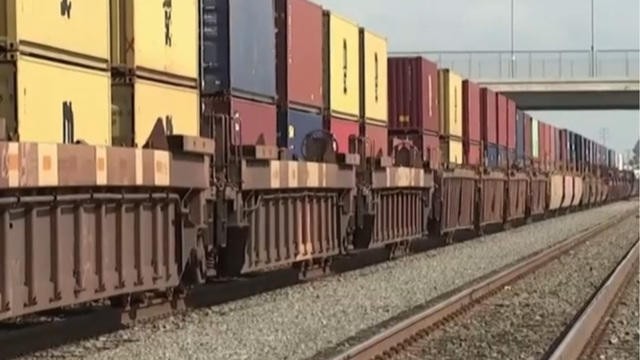
Tentative deal averts rail strike; Commerce Department says August retail sales up 0.3%.

A tentative deal was reached Thursday between railroad workers and railroad companies to avert a strike which could have cost the U.S. economy an estimated $2 billion in losses per day. Skyler Henry reports.

A tentative deal between rail companies and union leaders averted a catastrophic shutdown less than a day before workers were set to walk off the job. Nancy Cordes has the details of the marathon negotiations.
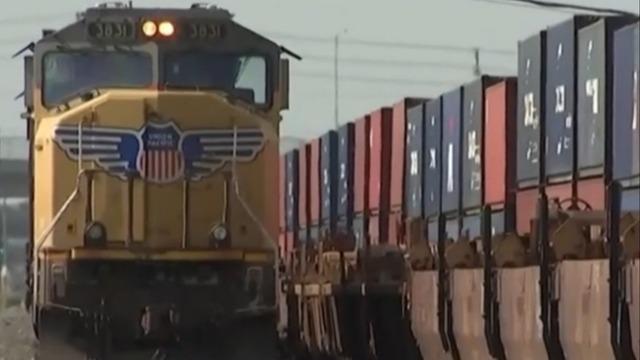
The U.S. labor secretary is hosting talks with freight railroad and union officials in Washington on Wednesday. The Biden administration is seeking to avoid a railway shutdown Friday, which could cost the U.S. economy billions of dollars per day. CBS News senior White House and political correspondent Ed O'Keefe discussed the talks and how officials are preparing for a potential strike as well as what he knows so far about President Biden's trip to Detroit to promote his administration's investments in electric vehicles.
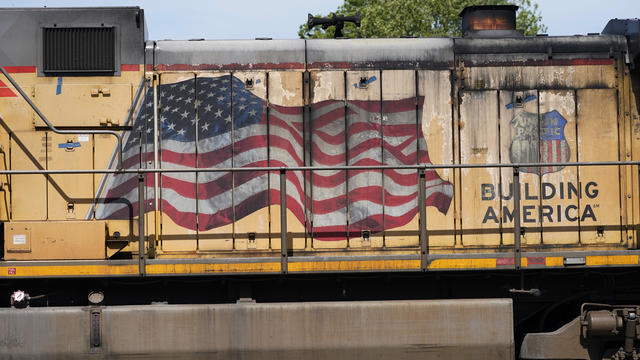
A work stoppage could start Friday and cost the U.S. $2 billion a day, impacting everything from food prices to commuters.
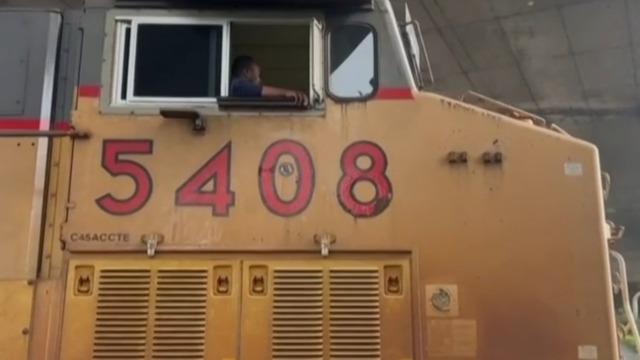
As inflation continues to impact Americans, a potential railroad labor union strike is raising supply chain concerns. Jason Miller, chairperson of the supply chain management department at Michigan State University, explains how a strike could impact the economy on CBS News.