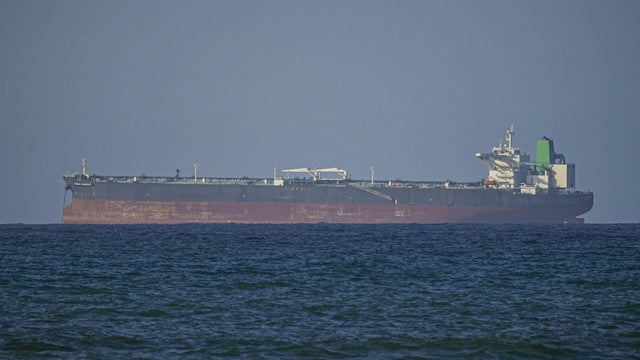
U.S. naval destroyers have crossed the Strait of Hormuz, CENTCOM says
The destroyers were beginning mine-clearing operations in the vital waterway, U.S. Central Command said Saturday.
Watch CBS News
The destroyers were beginning mine-clearing operations in the vital waterway, U.S. Central Command said Saturday.
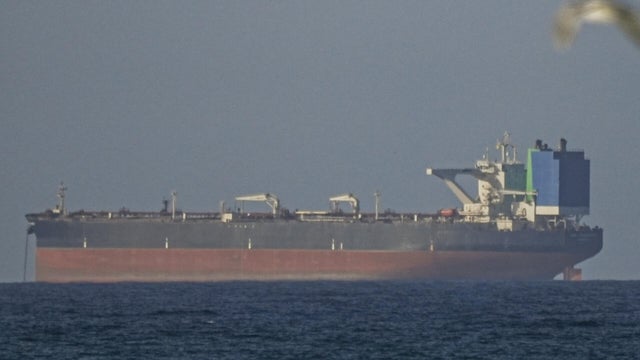
Iran is reportedly planning to charge ships crossing the Strait of Hormuz a toll. CBS News contributor Joe Zacks has more.
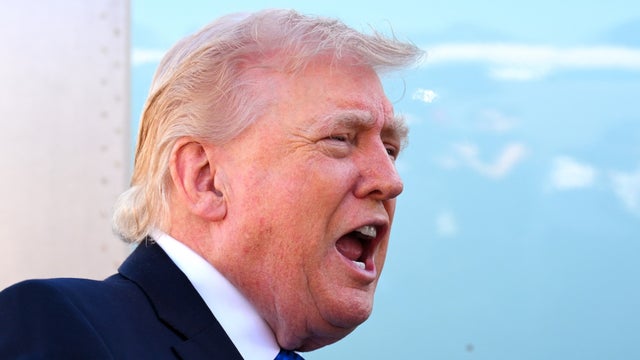
President Trump said the U.S. is "clearing out" the Strait of Hormuz on social media Saturday. Meanwhile, U.S. officials are meeting face-to-face with Iranian and Pakistani officials in Islamabad. CBS News' Taurean Small has the latest.
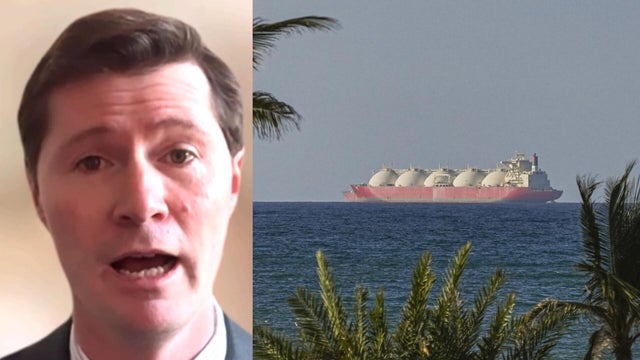
Aaron MacLean, a military expert and CBS News contributor, says that if the Strait of Hormuz is not opened shortly, "there is an economic catastrophe coming."
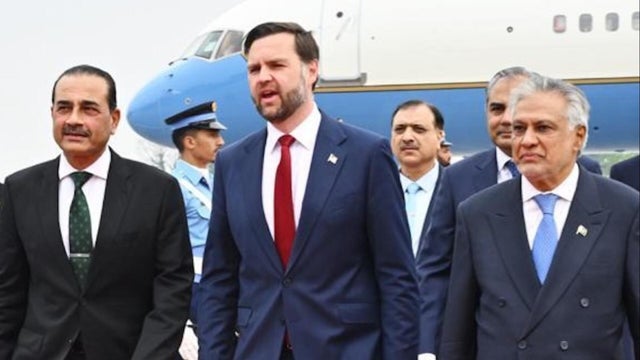
U.S. and Iranian negotiations are underway in Islamabad, as the fragile two-week ceasefire holds. Meanwhile, traffic in the Strait of Hormuz remains low.
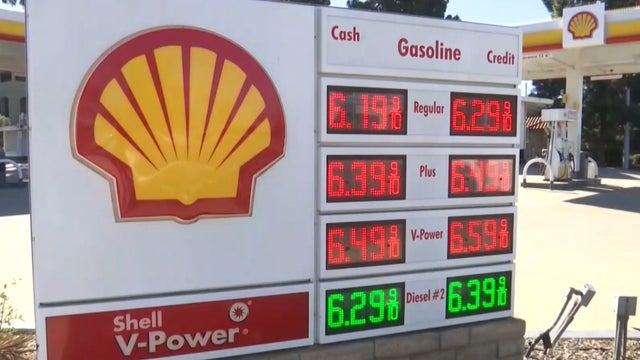
Inflation rose by 3.3% in March compared to one year ago, the Labor Department reported Friday, the highest such increase since May 2024. That rise was driven by a 21% spike in gas prices in March from the previous month. Jo Ling Kent has details.
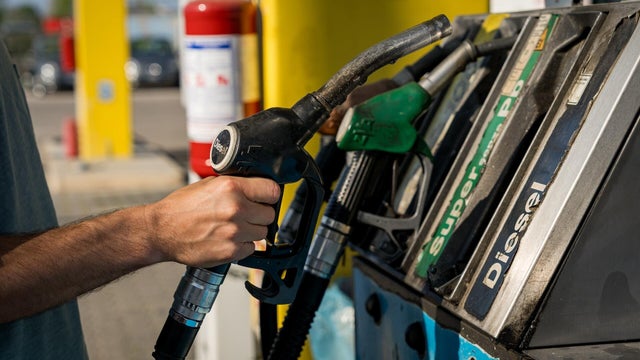
Farmers across America are grappling with soaring fuel prices as the war in Iran impacts energy costs. CBS News' Lana Zak reports.
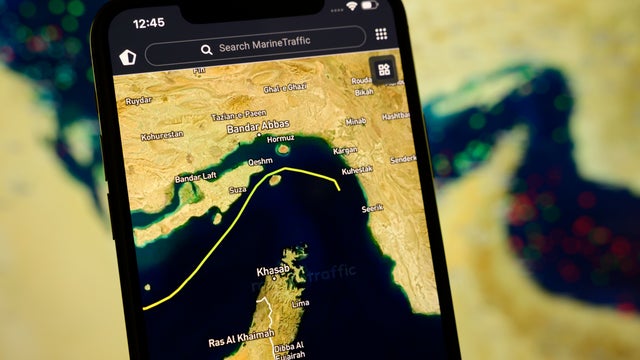
Energy industry experts warn that allowing Iran to charge ships to ensure safe passage through the strait would raise energy costs.

The world is awaiting the results of talks in Islamabad, Pakistan, between U.S. and Iranian officials as concerns grow about the fragile ceasefire in the Iran war. CBS News' Nancy Cordes reports, and Humza Jilani, the Pakistan correspondent for the Financial Times, joins with more insight.
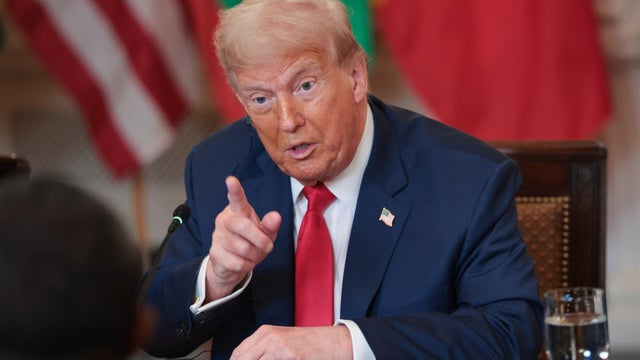
President Trump posted claims on social media that Iran is doing a "very poor job" of allowing oil through the Strait of Hormuz. This comes as U.S. representatives prepare to hold talks in Islamabad, Pakistan, with Iranian officials. CBS News' Olivia Rinaldi, Imtiaz Tyab and Ramy Inocencio report.
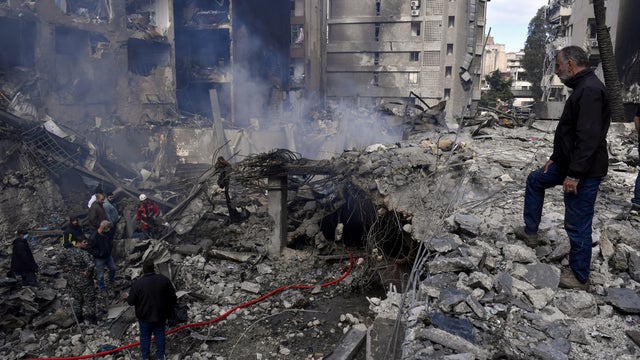
Only about a dozen ships passed through the Strait of Hormuz in the first two days of the ceasefire, far below normal traffic levels before the war, data shows.
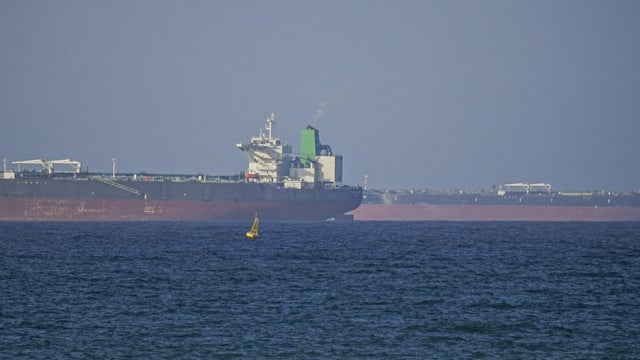
Few ships passed through the waterway Wednesday and Thursday despite a ceasefire agreement that was supposed to open the waterway key to transiting oil across the globe.
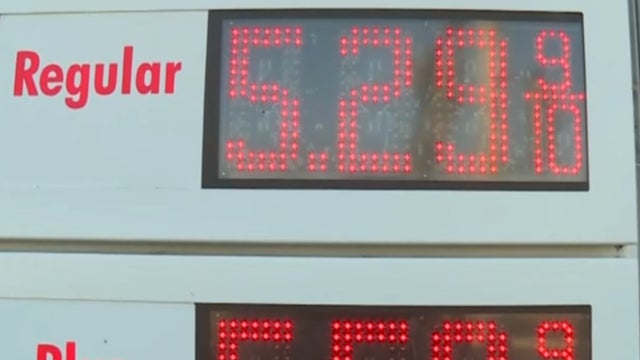
Gas prices remain above $4 amid lingering questions about the status of the Strait of Hormuz. Patrick De Haan, the head of petroleum analysis at GasBuddy, joins "The Daily Report" to discuss.

Kelly O'Grady breaks down why the prices Americans pay in the U.S. often depend on what is happening in the Middle East.
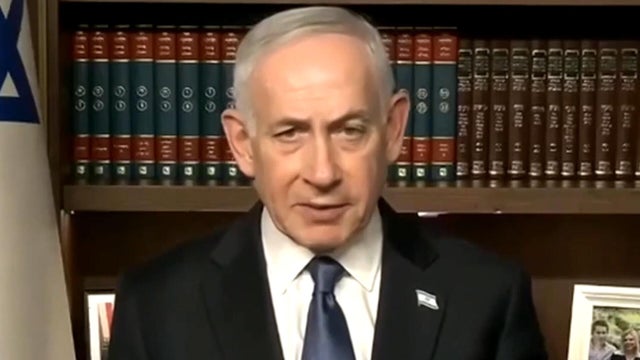
Israeli Prime Minister Benjamin Netanyahu said, "There's no ceasefire in Lebanon," and that Israel will continue striking the Iranian-backed militant group Hezbollah. However, Netanyahu authorized direct talks with Lebanon starting next week in Washington, D.C. Ed O'Keefe reports.
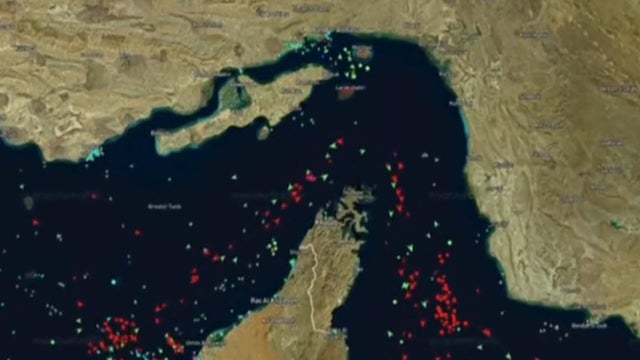
Iran is still holding a tight grip on the Strait of Hormuz despite the ceasefire with the United States. Matt Smith, an analyst for Kpler, joined CBS News to discuss.
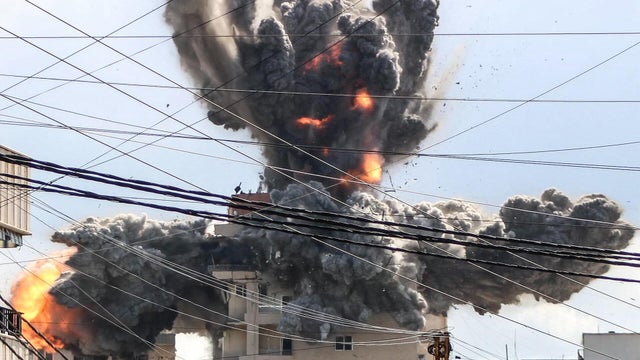
Israeli strikes against Hezbollah in Lebanon have become a potential breaking point in the fragile U.S.-Iran ceasefire. CBS News' Imtiaz Tyab and Nancy Cordes report.
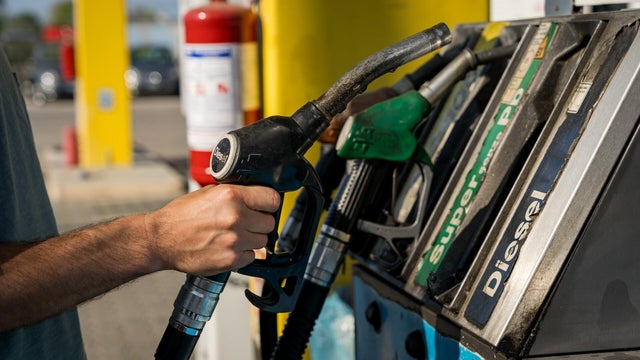
Oil prices are rising again after a brief drop following news of a U.S.-Iran ceasefire. CBS News' Jill Schlesinger has some advice for those watching the markets.

The U.S.-Iran ceasefire appears fragile as Tehran denounces Israeli strikes against Hezbollah in Lebanon. This comes as President Trump threatens more violence if the agreement is breached. CBS News' Elizabeth Palmer and Olivia Rinaldi report, and Retired U.S. Navy Vice Admiral Robert Murrett joins with more insight.
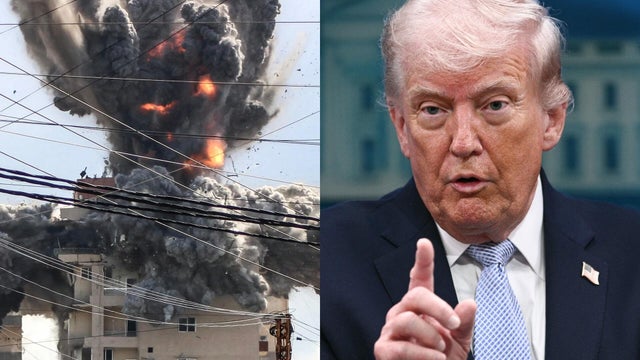
There are concerns that the fragile U.S.-Iran ceasefire may not last after Israel's massive operations in Lebanon against Hezbollah, and as President Trump issues new threats against Tehran. CBS News' Olivia Rinaldi, Imtiaz Tyab and Ramy Inocencio report.
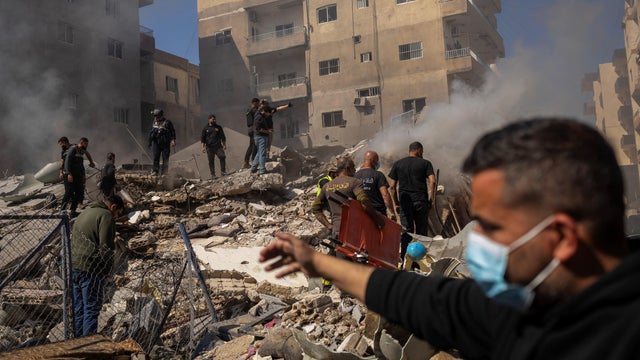
Iran says Israel is violating the ceasefire deal President Trump announced, and Tehran appears to still have control over shipping in the Strait of Hormuz.

The U.S., Israel and Iran have begun a fragile two-week ceasefire in the Middle East. CBS News contributor and Iranian journalist Masih Alinejad joins with analysis.

Stocks jumped and oil prices fell on Wednesday following President Trump's announcement of a two-week ceasefire in the war with Iran. CBS News senior business and tech correspondent Jo Ling Kent has more.

Wall Street appeared optimistic on Wednesday about the ceasefire with Iran, but the situation is delicate. Kelly O'Grady has more.

Despite both the U.S. and Iran claiming to have a ceasefire agreement, the U.S. Embassy in Baghdad on Wednesday warned Americans not to travel by air in the region due to ongoing missile, drone and rocket attacks. CBS News contributor Niall Ferguson joins with analysis.