Russian journalist who protested war named contributor for German station
Marina Ovsyannikova interrupted a live broadcast on a Russian state channel last month with a sign that said: "Stop the war. Don't believe propaganda. You are being lied to."
Watch CBS News
Marina Ovsyannikova interrupted a live broadcast on a Russian state channel last month with a sign that said: "Stop the war. Don't believe propaganda. You are being lied to."
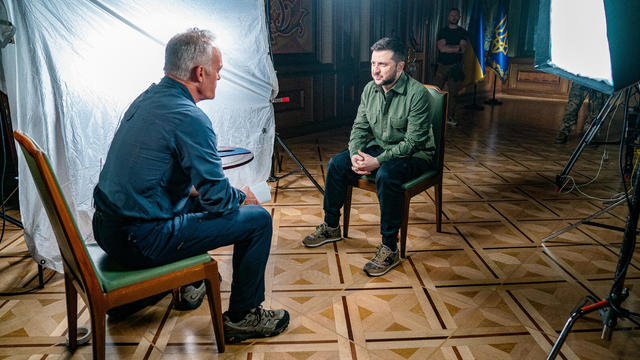
Ukrainian President Volodymyr Zelenksyy speaks with Scott Pelley in Kyiv; El Salvador town embracing bitcoin as currency.

General Alexander Dvornikov, whose brutal tactics against Syrian rebels led to war crimes accusations, is now in charge of Russia's invasion of Ukraine.
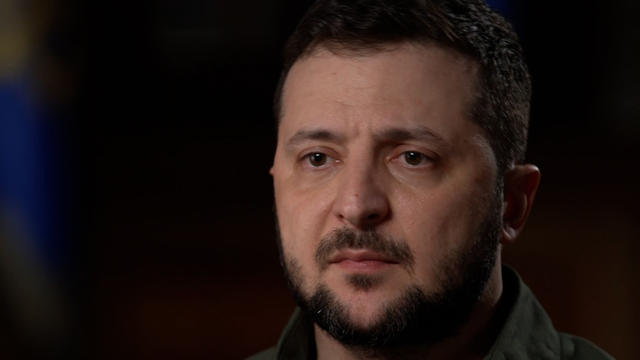
Language translation is more art than science. Different translators have varied opinions of words and their meaning. For our interview with Ukrainian President Volodymyr Zelenskyy, we used the services of three, independent, interpreters of the Ukrainian language. The first translation occurred in the moment, simultaneously, during the interview. Later, a second translator watched the entire interview on video and translated Ukrainian to English verbatim. In the final editing process, a third translator sat with us and verified the edits that are always necessary for clarity and concision. At some points in our story, when phrases in English and Ukrainian did not match each other in length, we made the best effort possible to convey Mr. Zelenskyy's comments with precision and context. As a service to Ukrainian speakers, we are posting the hour-long, April 7th interview in its entirety.
Several European nations announced plans this week to reopen their embassies in Kyiv, while multiple State Department sources have told CBS News the U.S. is currently exploring options for sending some sort of diplomatic contingent back into Ukraine as the war shifts to the east. Christina Ruffini in D.C. has more on the diplomat front.

Campaigners from around the world are reaching out to Russian citizens online and on the phone to share the realities of the war in effort to break through the iron curtain of Russian misinformation on the war in Ukraine. Roxana Saberi reports from London.
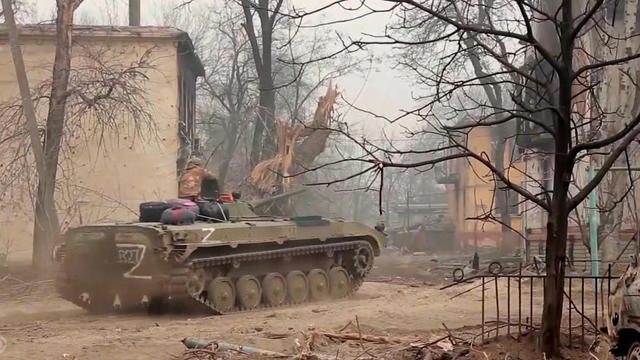
Satellite images show Russian military heading to the eastern part of Ukraine as other parts of the country deal with the devastation left behind from the Russian assault. Debora Patta has more.
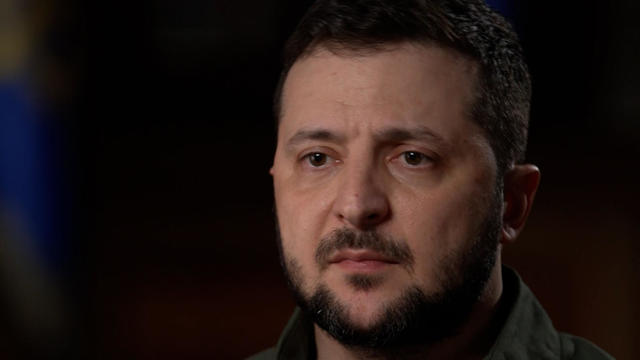
As a service to Ukrainian speakers, we are posting the hour-long, April 7th interview in its entirety.
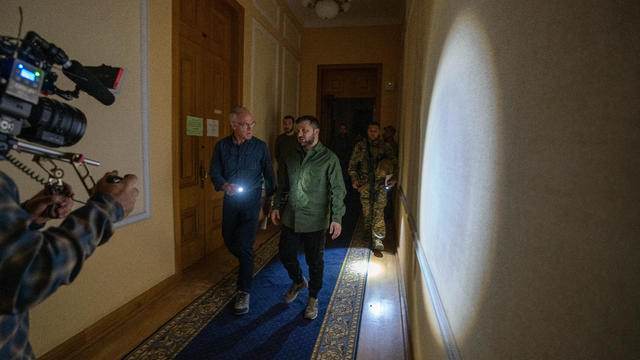
The Ukrainian president says the West must step up military aid and stop fearing Russia.
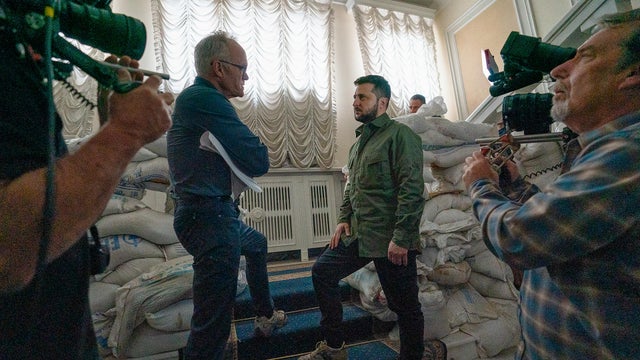
Ukrainian President Volodymyr Zelenskyy to 60 Minutes' Scott Pelley: "We are defending the ability for a person to live in the modern world."
Ukraine's president speaks with Scott Pelley about Russia's invasion of Ukraine, and recently uncovered alleged war crimes in Kyiv suburb of Bucha.
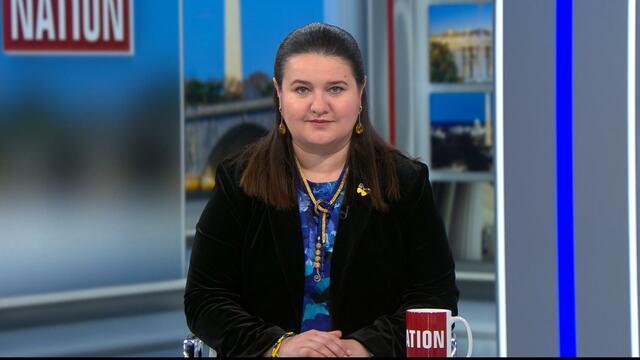
Ukrainian Ambassador to the U.S. Oksana Markarova says the country needs more weapons and equipment from the U.S. and its allies to withstand the expected Russian assault on eastern Ukraine.
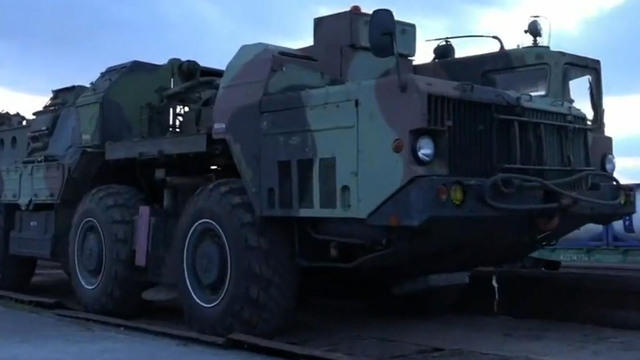
White House national security adviser Jake Sullivan says the U.S. is "working around the clock to deliver weapons and military assistance every day, including today."
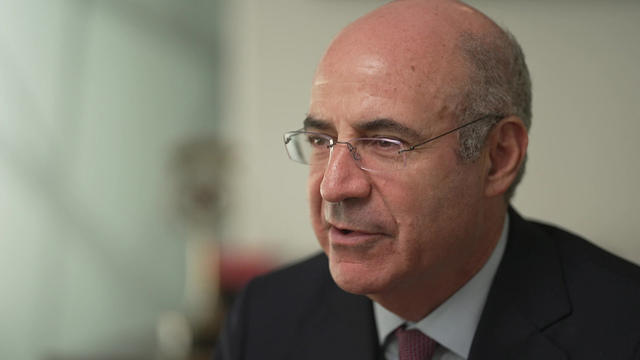
As an early investor in Russian companies following the breakup of the Soviet Union, financier Bill Browder learned firsthand how Vladimir Putin's government operated like an organized crime operation. And when his lawyer Sergei Magnitsky was tortured and died in a Russian prison for pursuing justice against government fraud, Browder went on a mission to fight money laundering, in Moscow and around the globe. Correspondent Seth Doane talks with Browder, author of "Freezing Order: A True Story of Money Laundering, Murder, and Surviving Vladimir Putin's Wrath."
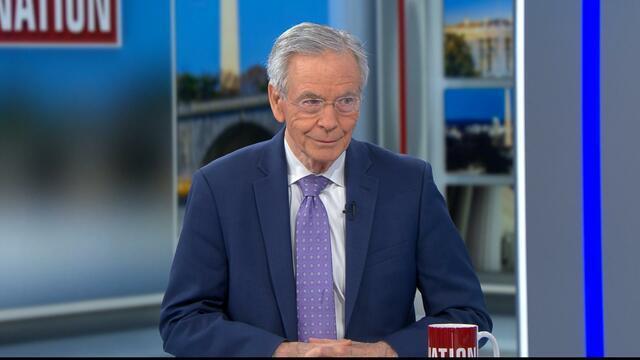
CBS News national security correspondent David Martin discusses the likelihood of Russian President Vladimir Putin facing international charges for war crimes in Ukraine.
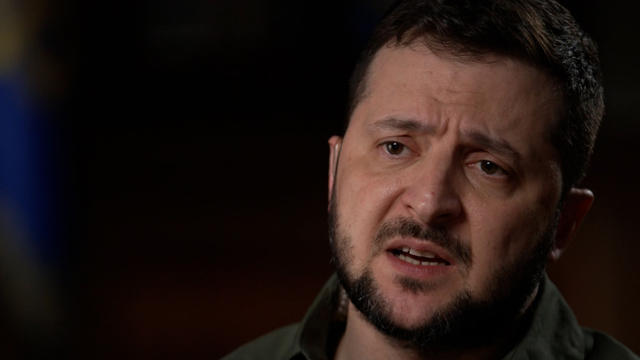
Ukrainian President Volodymyr Zelenskyy expects the Russians will use more force in the East and South after it pulled its forces away from Kyiv. Whether Ukraine can withstand them depends in part on how fast the U.S. delivers more aid, he told Scott Pelley in an interview that airs Sunday on 60 Minutes.
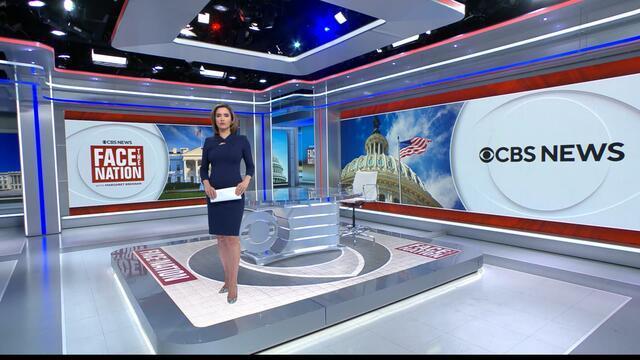
This week on "Face the Nation," with Russian forces moving forward with a brutal assault on Eastern Ukraine, we talk to White House national security adviser Jake Sullivan about what more the U.S. can do to help. Then, a conversation with former FDA Commissioner Scott Gottlieb about a possible spring COVID surge.
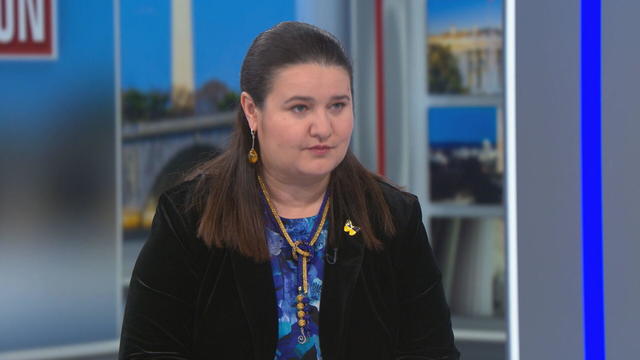
"There are so many of them and they still have so much equipment. And it looks like they're going to use all of it," Ukrainian Ambassador Oksana Markarova said.
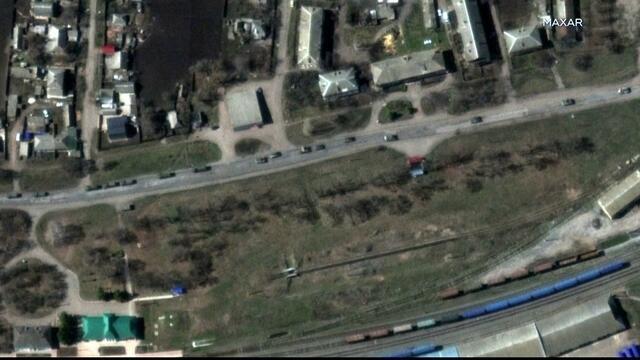
CBS News' Debora Patta reports from Kyiv, as new satellite imagery shows a massive 8-mile Russian convoy of hundreds of armored vehicles moving steadily south towards the eastern frontline.
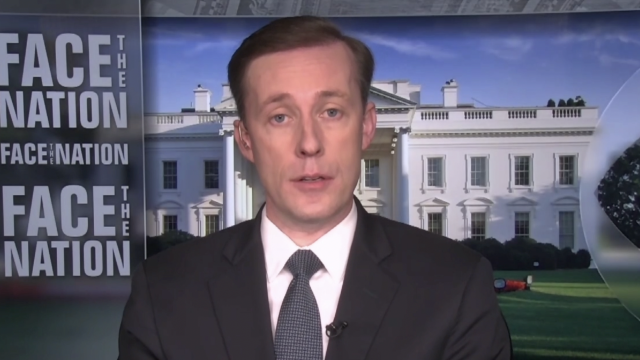
Despite the growing death toll and widespread devastation in Ukraine, Sullivan expressed confidence that the country could win more battles with the help of Western nations.
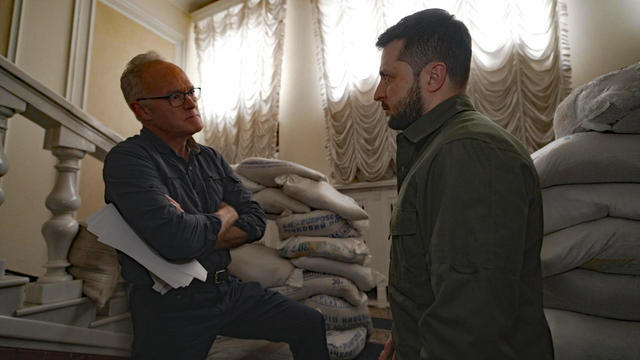
Scott Pelley interviewed Ukrainian President Volodymyr Zelenskyy in Kyiv for a two-part report that airs Sunday on 60 Minutes.
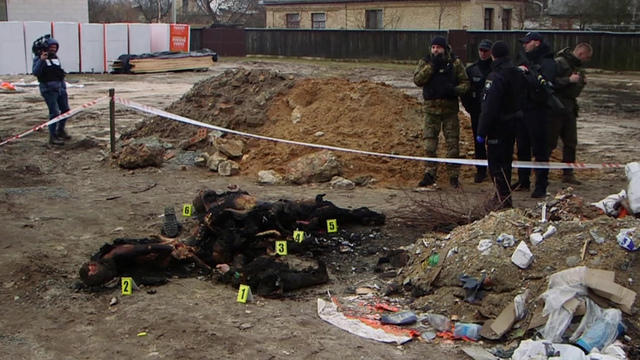
Investigators have already begun compiling masses of evidence of war crimes committed against Ukrainian civilians by Russian forces. CBS News national security correspondent David Martin talks with Ambassador Beth Van Schaack, and with Richard Goldstone (chief prosecutor for the international tribunal that convicted Serbian leaders for ethnic cleansing in Bosnia in the 1990s), about the pursuit of justice, and whether Russian President Vladimir Putin himself might face indictment and arrest for war crimes.
Russian forces have withdrawn from Ukraine's capital of Kyiv, but they are taking aim at cities in the south and east, and possibly regrouping in neighboring Belarus. Holly Williams has more.
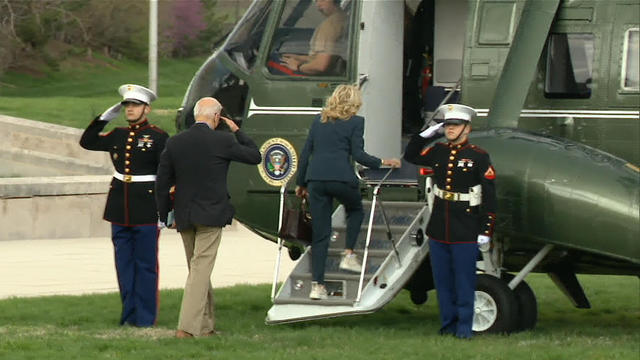
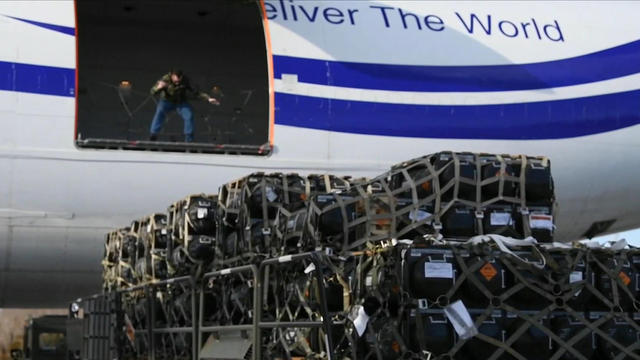
The Biden administration is trying to walk a fine line between providing support for Ukraine and engaging Russia directly. The Pentagon announced its sending another $100 million worth of javelin anti-tank missiles, but the U.S. has been less willing to send jets or major weapons systems. Christina Ruffini has the latest.
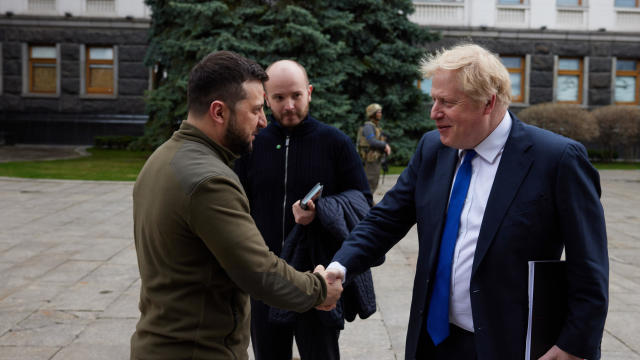
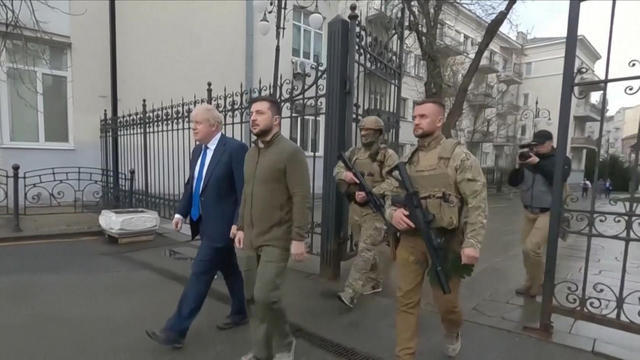
Ukraine's President Volodymyr Zelenskyy said he was grateful for the prime minister's visit, calling it an important meeting during "very difficult and turbulent times for our country."