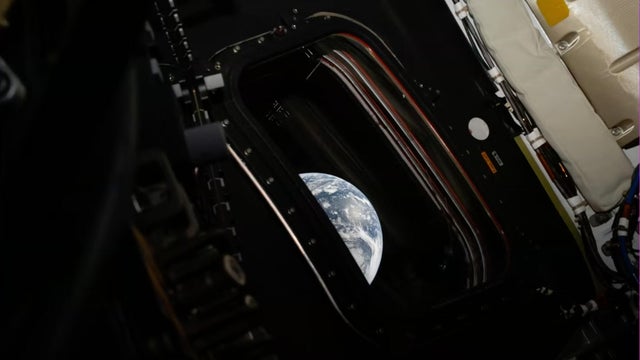
NASA shares first photos of Earth taken by Artemis II
The photo shows the entire planet, as well as the Northern and Southern lights.
Watch CBS News
The photo shows the entire planet, as well as the Northern and Southern lights.
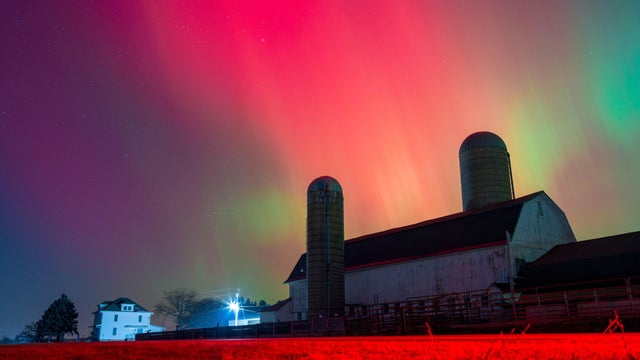
Northern lights were seen in states spanning from Minnesota and Massachusetts to Florida, Colorado and Texas.
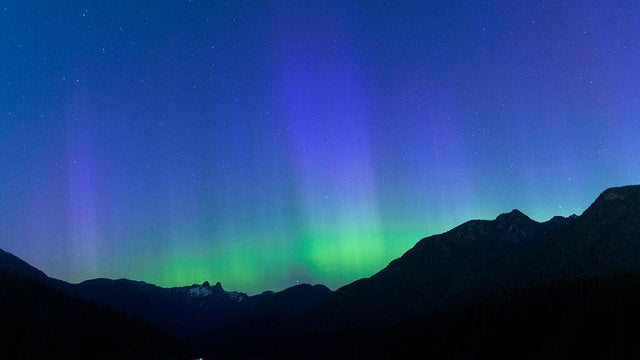
People in 18 U.S. states could see the green or red glow of the aurora in the sky Monday night into Tuesday.
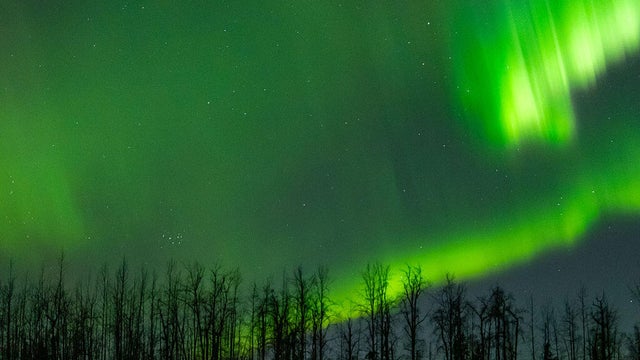
The northern lights — also called aurora borealis — could be visible in Alaska, Washington, Montana, North Dakota, Minnesota, Michigan, Maine, northern parts of Idaho, Wyoming, Iowa, New York, Vermont and New Hampshire.
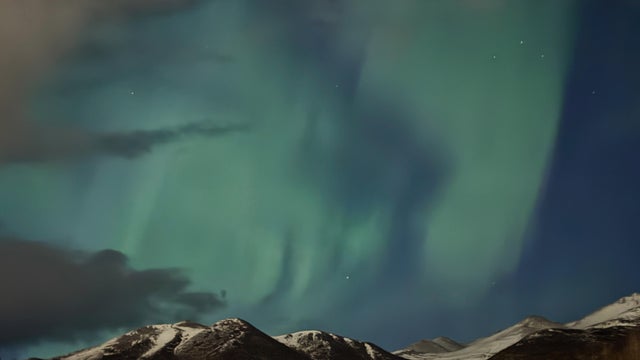
The northern lights, also known as the aurora borealis, are forecast tonight after they were visible in parts of Washington, Montana and Alaska on Friday.
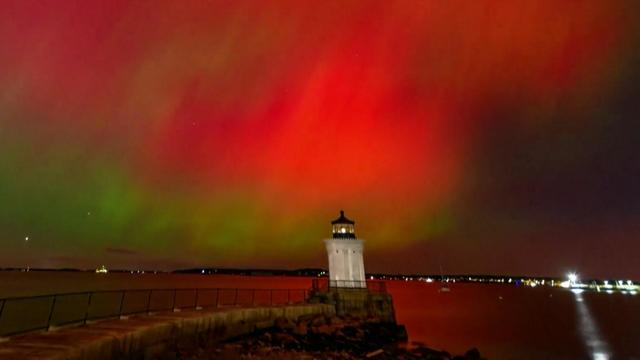
Most think of the northern lights as a phenomenon often visible in places like Canada, Norway or Iceland. But, tens of millions in the U.S. got a glimpse of the magnificent nature show this week. Jericka Duncan has more.
The northern lights are expected to be visible again Friday night and night mode on your camera can help capture the colorful auroras. Here's how to turn it on and see them.
Many Americans were able to spot the northern lights Thursday and may have another chance to do so Friday as the aurora borealis remains visible. CBS News Bay Area meteorologist Zoe Mintz breaks down the phenomenon and also looks at the latest U.S. forecast.
Maps show where the northern lights may be visible over the United States.
The northern lights have been very active in 2024. An expert explains why it could continue for months to come.
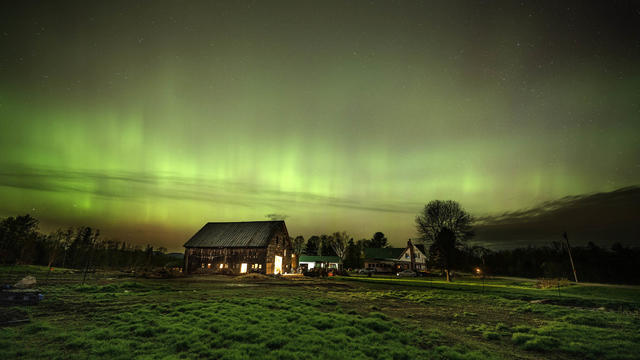
The northern lights could dazzle millions of Americans in some northern states this weekend.
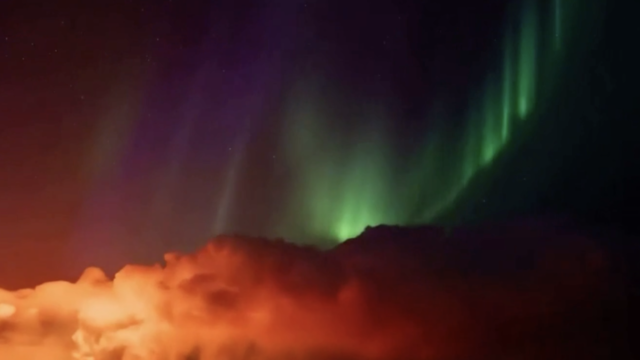
Lava has been bursting from a volcano in Iceland for over a week after a series of earthquakes.
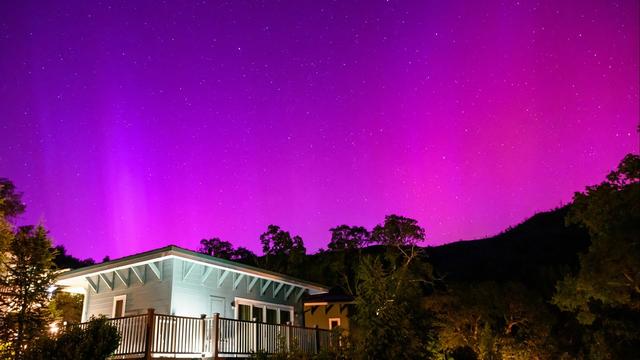
If you missed the fantastic display of the northern lights in May, you could soon have another chance. In early June, the active solar region responsible for those multi-colored hues in the night sky will be in prime position to generate solar storms impacting us on Earth. Ryan French, solar physicist with the National Solar Observatory, joins CBS News to explain.
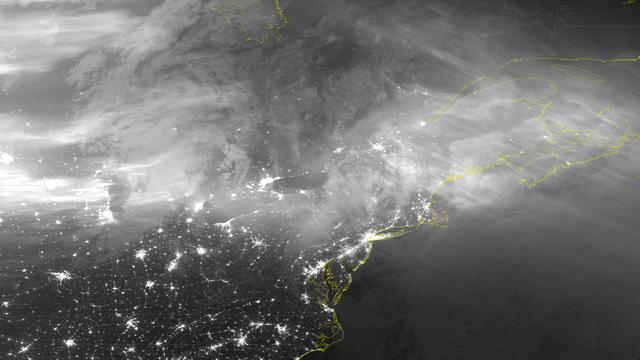
Millions of Americans looked to the night sky and snapped magical photos and videos of the northern lights this past weekend during the momentous geomagnetic storm.
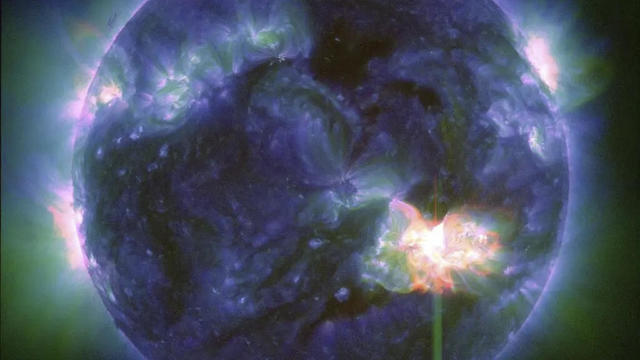
Solar storms can dazzle, bringing displays of the northern lights to large parts of the globe. But geomagnetic storms can also affect electronic systems.
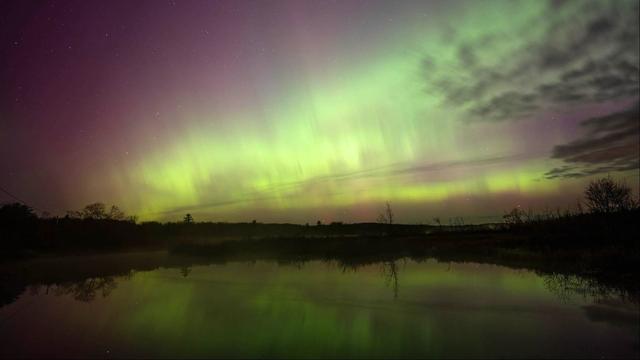
The northern lights were visible to many across the world over the weekend. In the U.S., even communities in some southern states had a chance to see them. Robert Steenburgh, a space scientist with NOAA, joins CBS News with more.
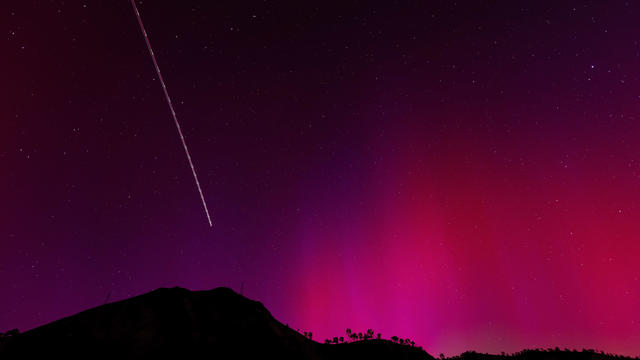
The forecasted conditions come after a weekend of jaw-dropping northern lights seen as far south as Florida and as "magnetically complex" sunspots bigger than Earth continue to emit solar flares.
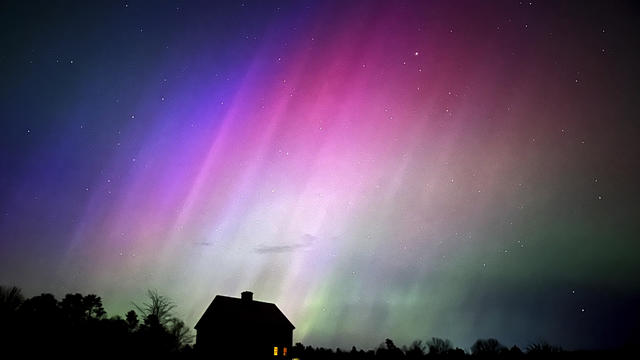
People from the United States and Canada to the United Kingdom, Poland, parts of China and Russia saw the northern lights this weekend.
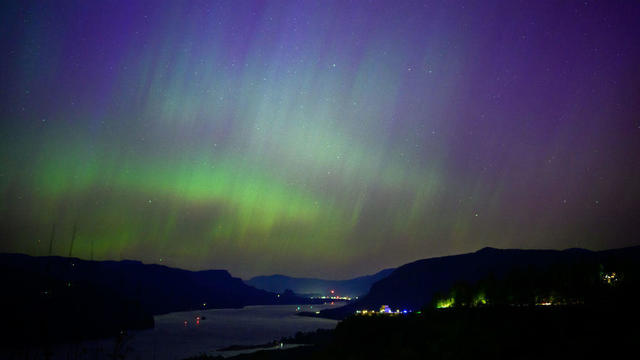
Americans were being treated to a show of the northern lights this weekend from a powerful geomagnetic storm heading toward Earth.
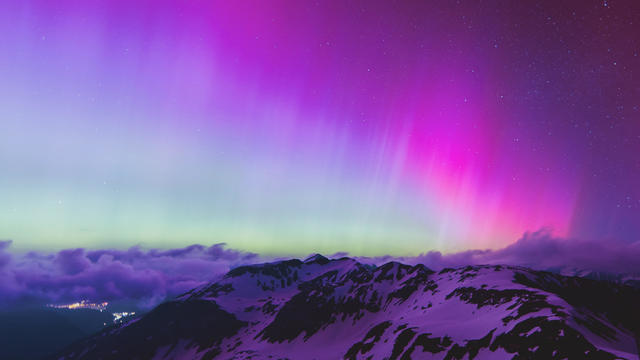
Parts of the country saw the aurora borealis on Friday night, and the dazzling show was expected to continue on Saturday night, according to experts.
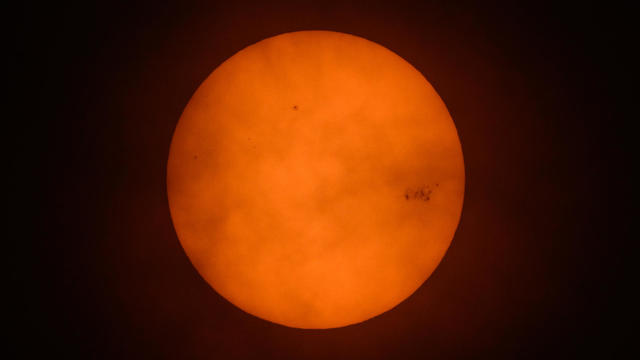
Geomagnetic storms can affect infrastructure, but may also bring an expanded viewing of the aurora borealis.
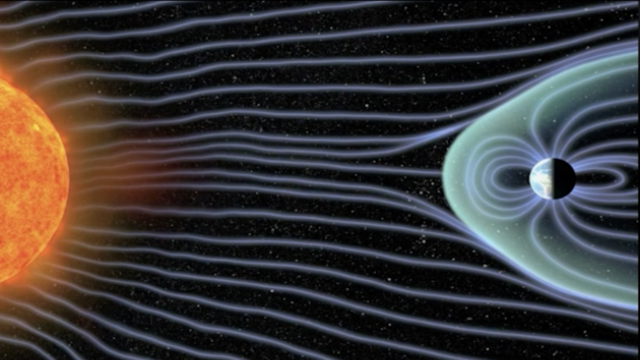
A severe G4 geomagnetic storm heading toward Earth has officials "really buckling down" as they warn of a "big shock arrival" that could impact infrastructure and expand the visibility of the northern lights.
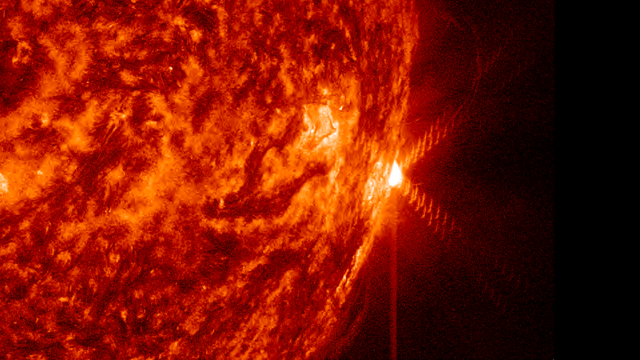
Scientists warn that there could be a powerful solar flare today after flares on Sunday caused radio blackouts.
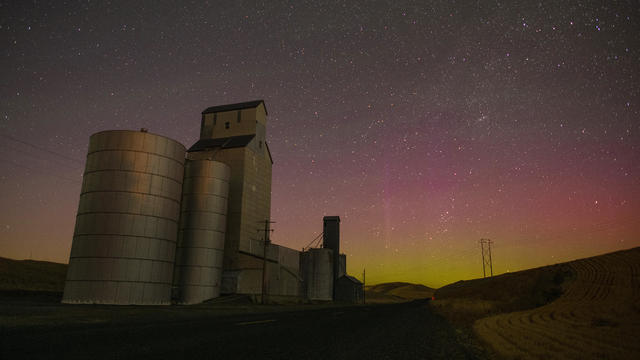
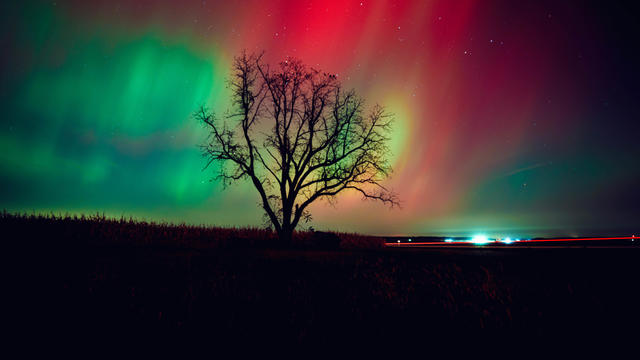
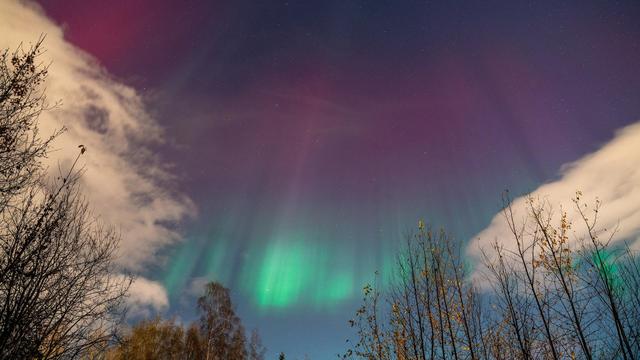
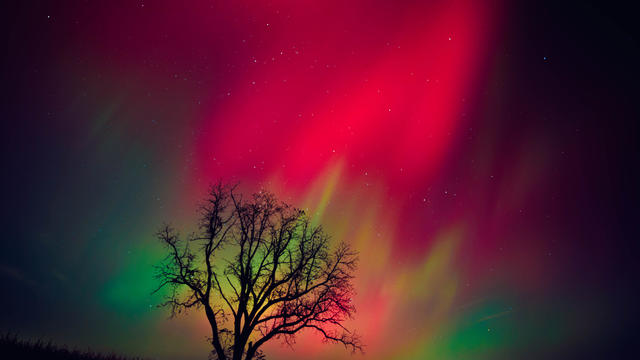
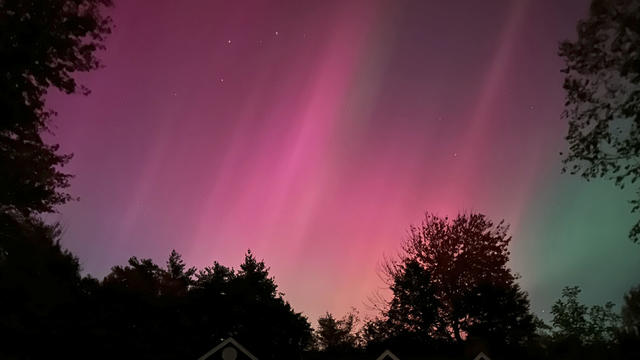
If you missed the northern lights where you live, these photos captured the dazzling display.
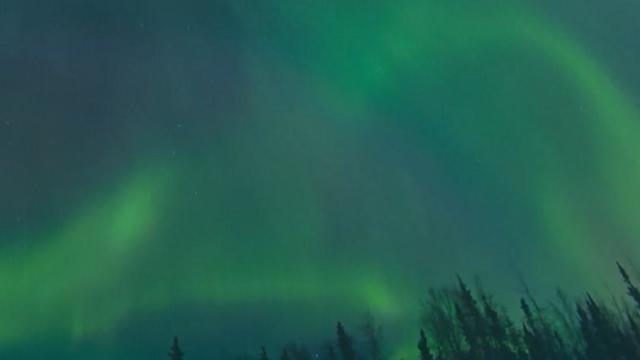
The northern lights are expected to be visible in a handful of states Thursday, July 13 – but in fewer places than initially forecast.