New guidelines support hormone therapy for menopause symptoms
A leading OB-GYN organization now recommends hormone replacement therapy for many women experiencing common menopause symptoms including hot flashes.
Watch CBS News
A leading OB-GYN organization now recommends hormone replacement therapy for many women experiencing common menopause symptoms including hot flashes.
New health guidelines strongly support the use of hormone therapy to treat perimenopause and menopause symptoms. Menopause specialist Dr. Kameelah Phillips joins to discuss.
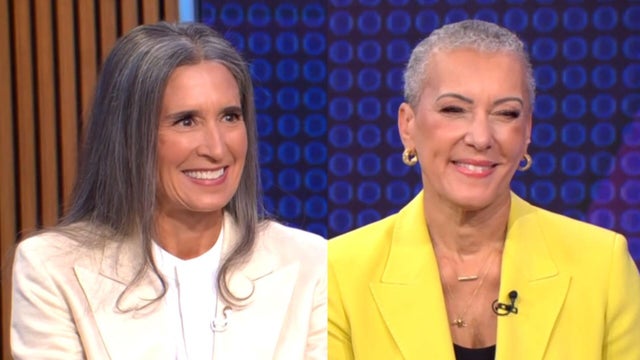
Pilar Guzman, the editorial director at Oprah Daily, and Dr. Sharon Malone, a board-certified OBGYN, sit down with "CBS Mornings" to discuss ways that women and their partners can better manage menopause symptoms. They both contributed to the new book, "The Book of Menopause: Real Talk, Real Science, Real Strategies for Your Next Chapter."
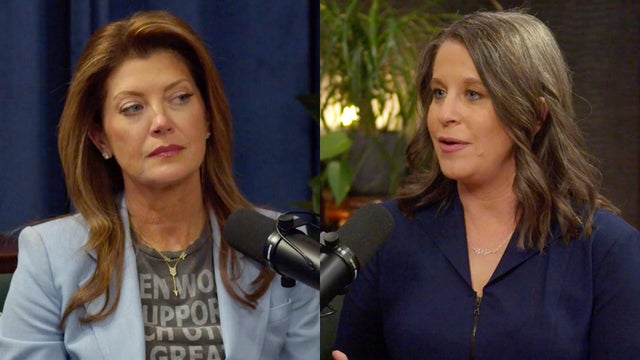
Norah O'Donnell sat down with her own doctor, Rachel Rubin, to tackle the important topic of menopause: How your body changes, why women may be needlessly suffering, and what you can actually do about it.
This week on Healthful, urologist and sexual medicine specialist Dr. Rachel Rubin discusses how female bodies change during perimenopause and menopause — and explains why women may be suffering unnecessarily. Dr. Rubin and Norah discuss how vaginal hormones could save Medicare between $6 and $22 billion a year and even prevent urinary tract infections. Plus, Norah reveals her experience with menopause and hormone replacement therapy.

Some menopausal women are taking testosterone or other forms of hormone replacement therapy in order to circumvent certain symptoms. Dr. Taraneh Shirazian explains the potential risks and benefits.

Melinda French Gates talked about menopause and her philanthropic focus on women's health in the debut episode of Norah O'Donnell's "Healthful" podcast.
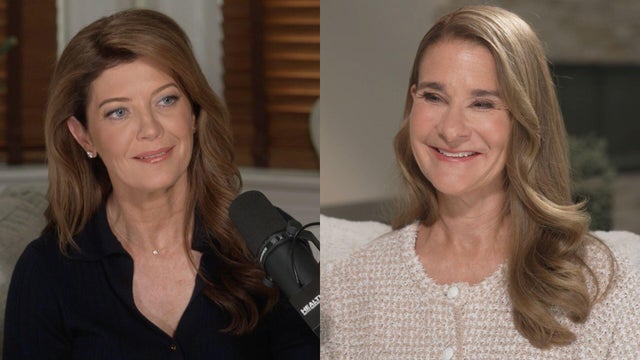
Melinda French Gates is focusing her money and attention on improving women's healthcare in America. In Healthful's first episode, French Gates tells Norah O'Donnell why it took three doctors to catch her perimenopause and shares the three simple things that keep her healthier than ever. We'd love to hear what topics you want covered on Healthful. Text Norah at 202-217-1107
Melinda French Gates recalled to Norah O'Donnell on "Healthful" that she started getting perimenopause symptoms in her early 40s. "I kind of couldn't believe it because I just finished having my last child in my late 30s," French Gates said. French Gates added it took three doctors to diagnose her symptoms and to get her the right treatments.

Hormone replacement therapy is having a resurgence as more doctors prescribe it to treat menopause symptoms. But millions of women with menopause can't take HRT due to medical reasons, including breast cancer survivors. Dr. Mindy Goldman, chief clinical officer for Midi Health and a clinical professor at UCSF, joins CBS News to discuss.

Many women struggling with menopause symptoms can find advice on social media claiming to offer relief, but many of these tips are unproven. Dr. Kathleen Jordan, chief medical officer at Midi Health, joins CBS News to discuss.

Dr. Mary Claire Haver, a board certified OBGYN and certified menopause specialist, joins CBS News to discuss her upcoming book, The New Perimenopause, and more.

The Food and Drug Administration has approved removing safety warnings from several menopausal hormone therapy products. FDA Commissioner Marty Makary joins "The Takeout" to explain what's behind the agency's decision.

Content creator Melani Sanders shares in her viral videos all the things menopausal women no longer care about. She speaks to "CBS Mornings" about her new book, "The Official We Do Not Care Club Handbook: A Hot-Mess Guide for Women in Perimenopause, Menopause, and Beyond Who Are Over It" and how one viral video started a movement.

The FDA says it will remove the "black box" warning labels on many hormone therapy drugs used to treat menopause and perimenopause. Dr. Tami Rowen, an associate professor at the University of California, San Francisco, joins to break down the announcement.

The U.S. Food and Drug Administration will remove the "black box" warning labels on many hormone therapy drugs used for menopause and perimenopause symptoms -- a major turnaround that's likely to encourage more women to seek treatment. FDA Commissioner Dr. Marty Makary spoke exclusively to senior correspondent Norah O'Donnell.
The Food and Drug Administration says it is removing safety warnings for many hormone therapy drugs prescribed to ease symptoms of menopause and perimenopause. Dr. Erika Schwartz, founder of the Evolved Science medical group in New York City, joins with her reaction.

The Food and Drug Administration is removing "black box" warnings on hormone therapy drugs used to treat menopause, Health and Human Services Secretary Robert F. Kennedy Jr. announced on Monday. CBS News' Shanelle Kaul has more.

Dr. Rachel Rubin, a urologist and sexual medicine specialist, reacts to the FDA removing decades-old "black box" warnings from many hormone therapies for menopause. Rubin said the labels led to "decades of misinterpretation" in an interview with CBS News' Norah O'Donnell.

In an interview with CBS News, FDA Commissioner Dr. Marty Makary explains what went into the decision to drop the most serious warnings on hormone therapy for menopause.

FDA commissioner Dr. Marty Makary joins "CBS Mornings" to discuss the agency's announcement Thursday that boxed warnings will be removed from many estrogen products used for hormone therapy, a treatment that helps alleviate the symptoms of menopause.

A new Mayo Clinic study reveals that while most women experience menopause symptoms, more than 80% never seek medical care. In "Facing Fertility," Nikki Battiste reports on a misunderstood treatment that's helping many find relief.

The U.S. Food and Drug Administration has approved Lynkuet, a new daily pill from Bayer that provides a non-hormonal option for treating hot flashes, common during menopause. Dr. Celine Gounder explains.

The Food and Drug Administration has approved a new non-hormonal pill to treat hot flashes and night sweats brought on by menopause. Dr. Joann Pinkerton, professor of obstetrics and gynecology at the University of Virginia Health System and one of the drug's trial investigators, joins CBS News to explain how the medication works.
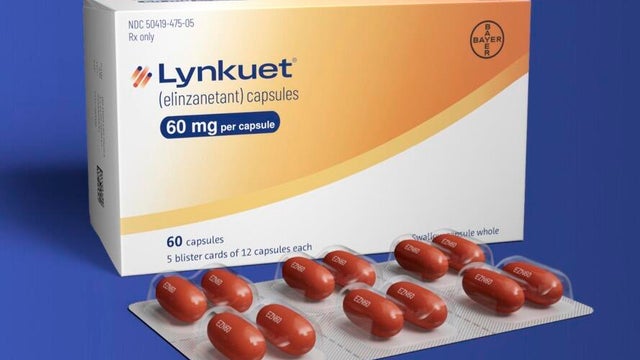
The U.S. Food and Drug Administration has approved Lynkuet, a new medication that does not contain hormones to treat hot flashes due to menopause.