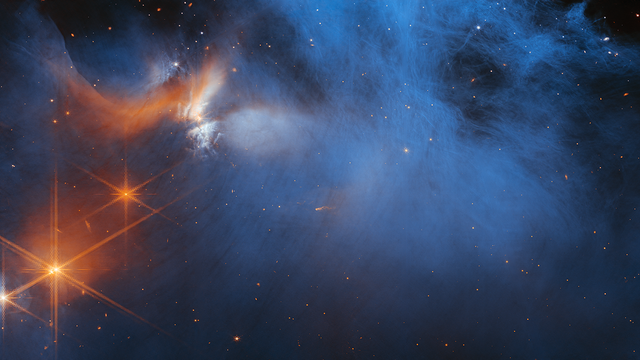
NASA gets best look yet at the "deepest, coldest ices" in space
The icy ingredients studied in a molecular cloud 500 light-years away provide a "spectral snapshot" of the origins of space bodies.
Watch CBS News
The icy ingredients studied in a molecular cloud 500 light-years away provide a "spectral snapshot" of the origins of space bodies.
CBS News senior national correspondent Mark Strassmann shares his top three space highlights of 2022.
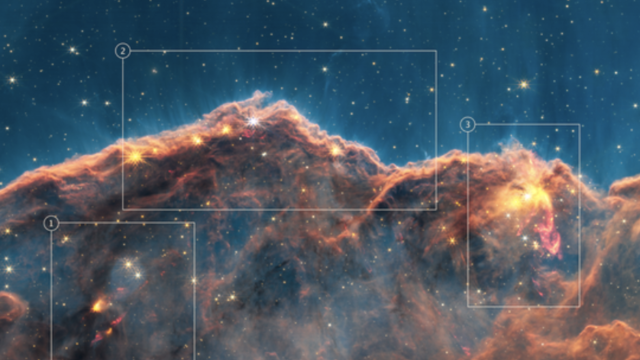
NASA was able to capture a "gallery of objects ranging from small fountains to burbling behemoths" deep in space: "It's like finding buried treasure."
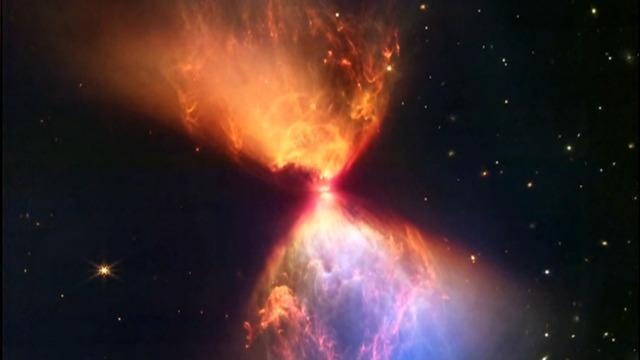
NASA released some new images from the James Webb Space Telescope of the farthest galaxies ever captured on camera, including the once-hidden features of an "hourglass" cloud that shows the earliest stages in the birth of a new star.
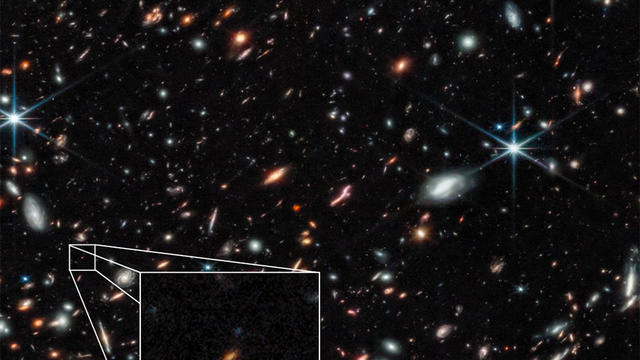
Scientists say the new observations are just the tip of the iceberg of new discoveries coming in from Webb.
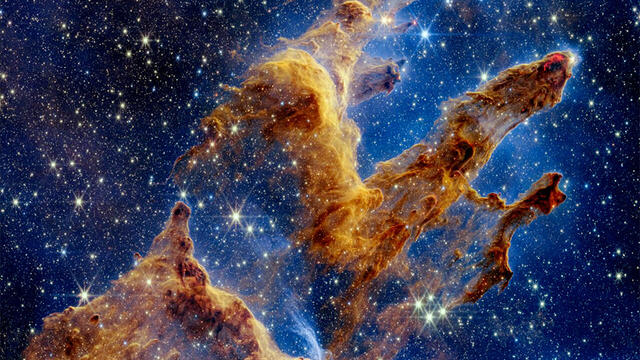
The $10 billion James Webb Space Telescope takes one of Hubble's most famous images to new heights.
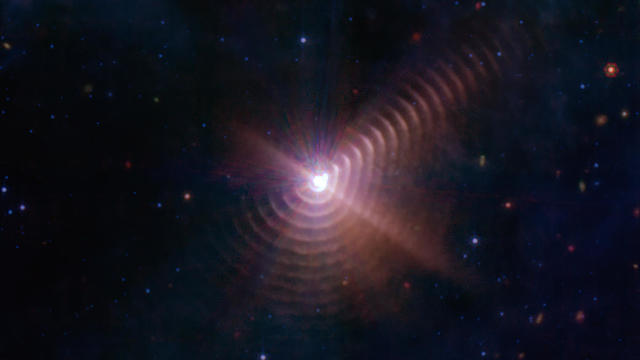
The two intertwined stars, located 5,000 light years from Earth, create what looks like a "fingerprint" in space.
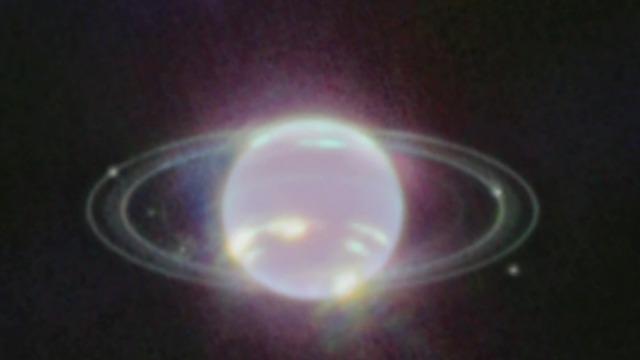
The James Webb Space Telescope captured an image of Neptune and its thin rings in the sharpest view of the planet in decades.

Webb's unprecedented infrared imaging capabilities provide a new glimpse into the farthest planet from the sun.
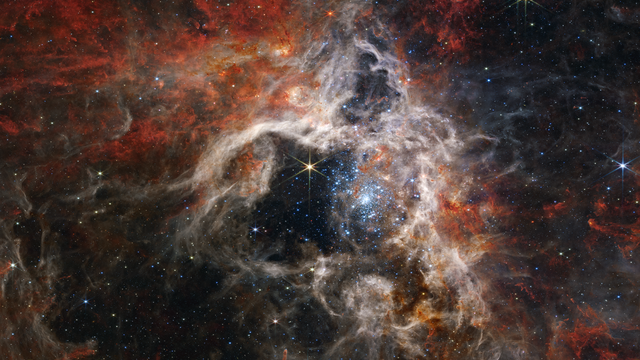
NASA's James Webb Space Telescope has revealed more details about how star are formed in the Tarantula Nebula.
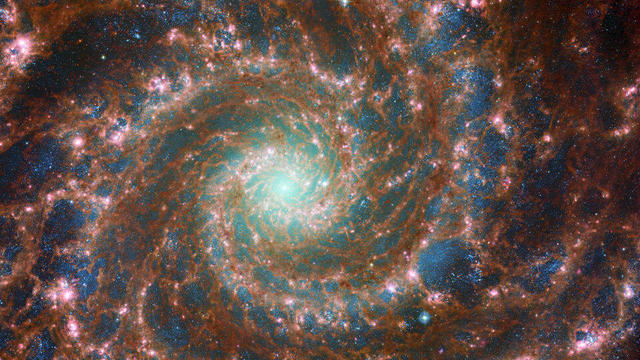
The veteran and the new kid on the block have teamed up to produce a stunning image of the popular spiral galaxy.
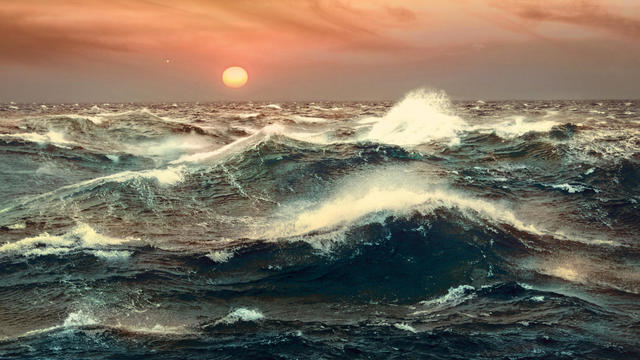
NASA says the exoplanet, located just 100 light years away, could be a "water world."
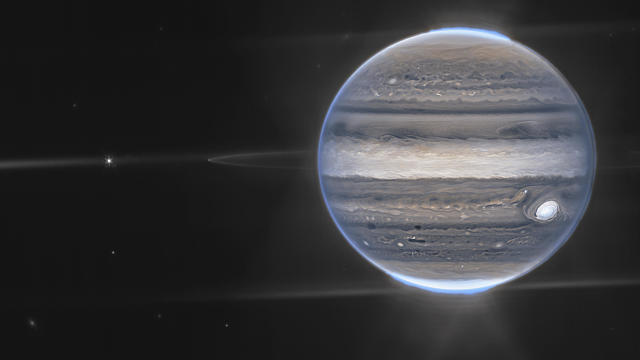
These are the most detailed images to date of the solar system's largest planet.
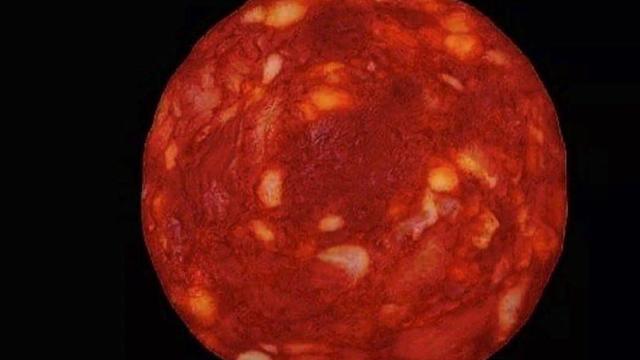
Etienne Klein apologized for misleading some Twitter followers with his "scientist's joke."
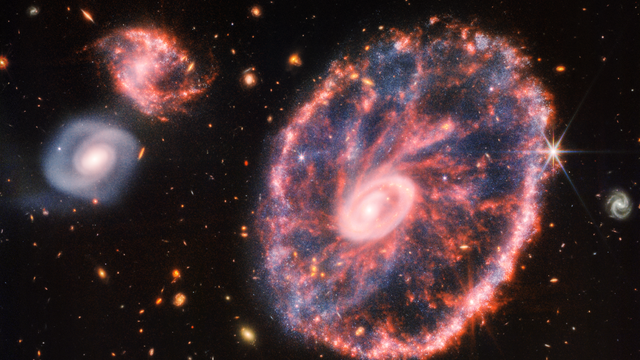
The Cartwheel Galaxy, named for its resemblance to a wagon wheel, is located about 500 million light-years away.
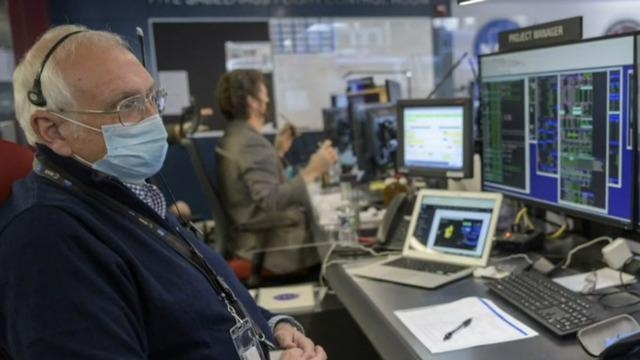
NASA's James Webb Space Telescope could soon provide some answers about other planets in the far reaches of the Milky Way. Assistant astronomer at the Space Telescope Science Institute Néstor Espinoza speaks with CBS News anchor Lana Zak about the what scientists hope to learn from these other planets.
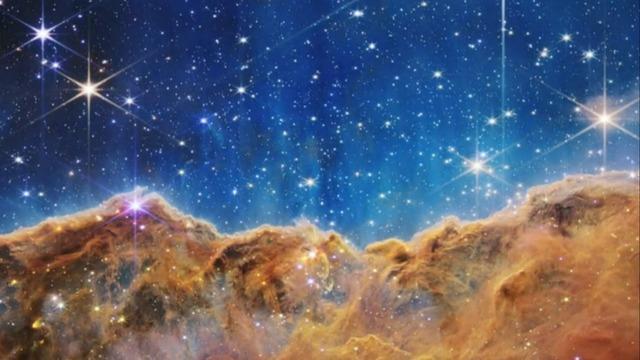
NASA released the first images taken by the James Webb Space Telescope, reveling never-before-seen parts of our universe. Anna Frebal joins CBS News to discuss how these images could change the the way scientist learn about space.
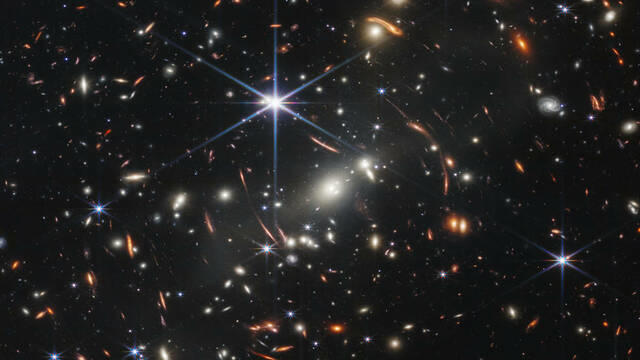
Lana Zak showcases the first image from the James Webb telescope and how it compares to similar images by the Hubble telescope.
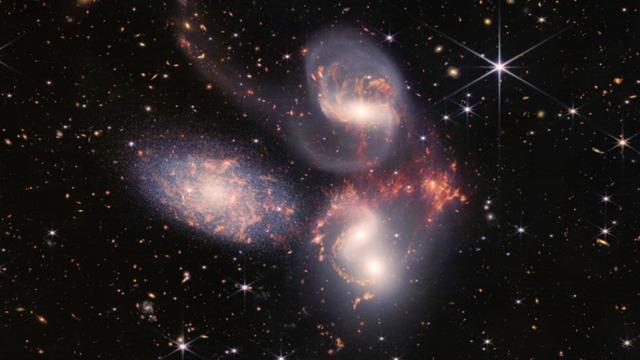
New photos taken by the James Webb Space Telescope are giving a new perspective on outer space. CBS News senior national correspondent Mark Strassmann explores what the new images have captured. Then, Derrick Pitts, chief astronomer at Philadelphia's Franklin Institute, discusses the telescope's future.
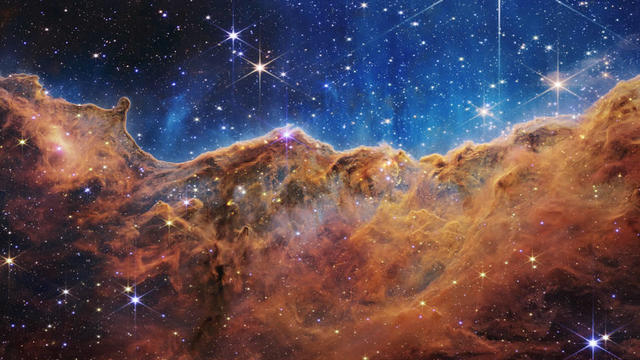
The early release photos provide a taste of the discoveries to come from the $10 billion telescope.
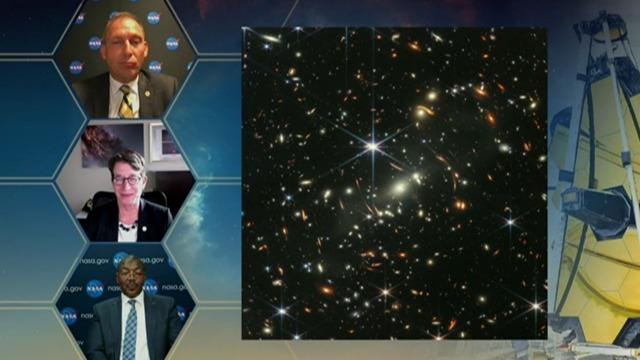
The first image from the James Webb Space Telescope was released at an event led by President Biden, Vice President Harris and NASA officials. Mr. Biden said the telescope, the most powerful ever built, "symbolizes the relentless spirit of American ingenuity." Watch the event here.
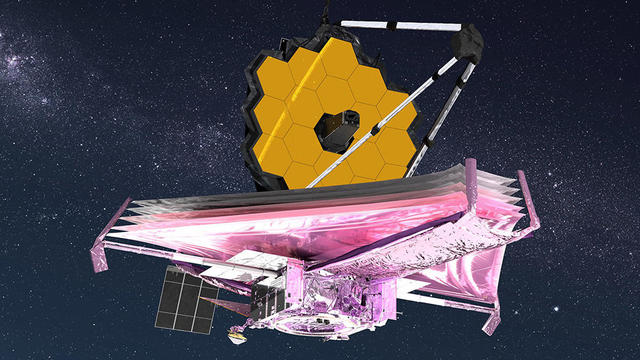
After six months of tests and checkout, the $10 billion James Webb Space Telescope is finally ready for center stage.
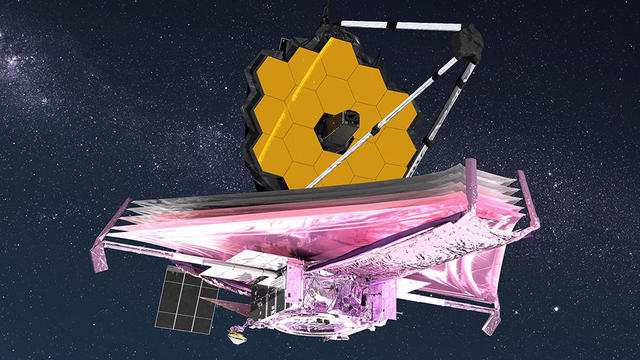
Five impacts have been detected since launch, but Webb continues to operate better than expected.
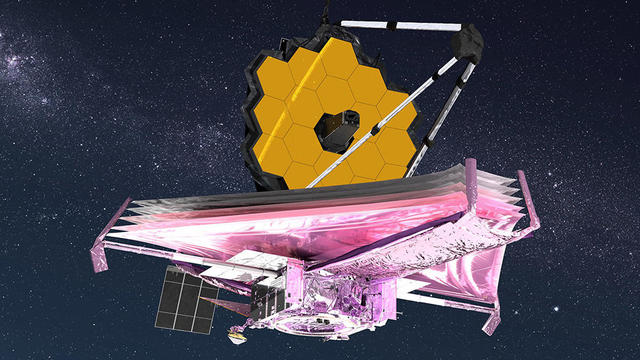
The first showcase images from the $10 billion telescope will be unveiled in mid July, after instrument checkout is complete.
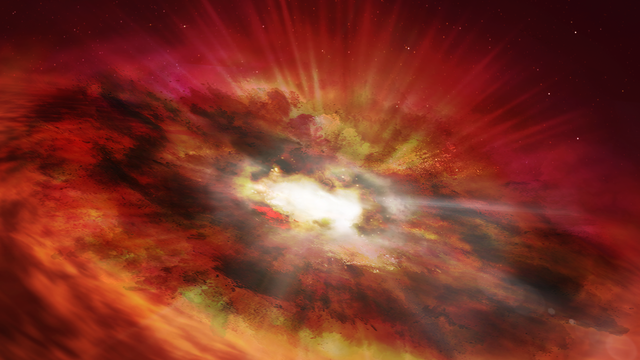
Scientists say a "missing link" that helps to explain the mysteries of the birth of the universe has been hiding in plain sight.