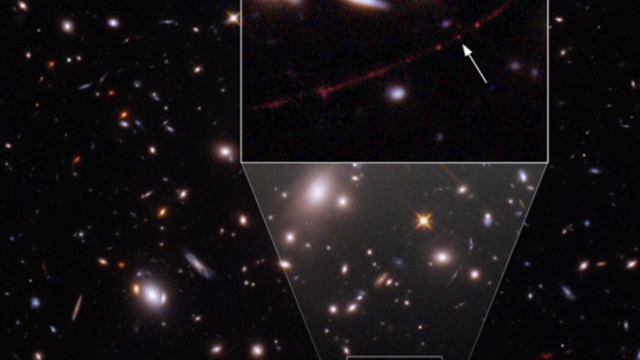
Hubble spots oldest and most distant star ever recorded
The star may be up to 50 times the mass of our sun.
Watch CBS News
The star may be up to 50 times the mass of our sun.
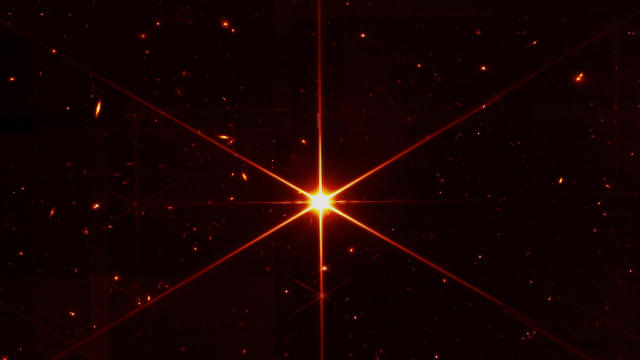
With its optics aligned, Webb is on track to begin science operations in the late June-July timeframe.
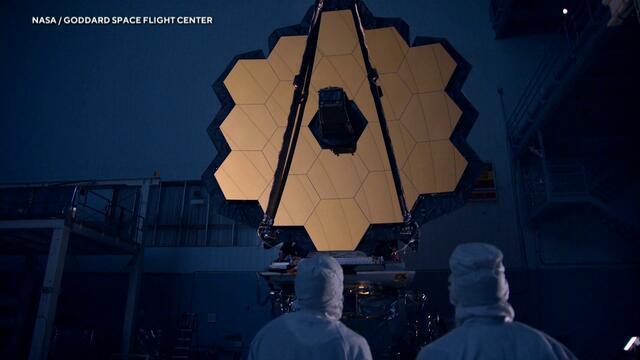
At a cost of $10 billion, the James Webb Space Telescope is the biggest and most expensive science instrument to be sent to space. Mark Strassmann reports hundreds of things will have to go right in the weeks after launch before the telescope can take a single image.
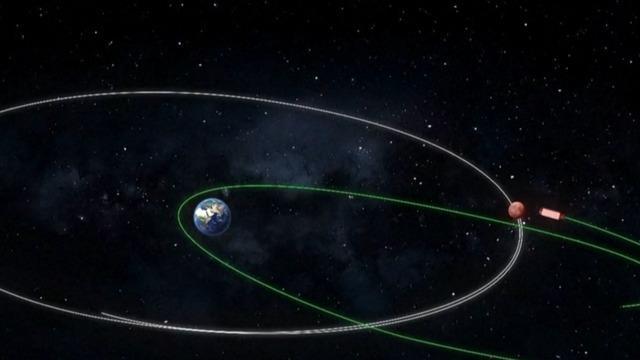
Part of a SpaceX rocket that has been orbiting Earth since 2015 is expected to collide with the moon in a little over a month. Plus, the James Webb telescope reached its final destination after launching last month. Retired NASA astronaut Leroy Chiao joins CBS News' Errol Barnett with the latest.
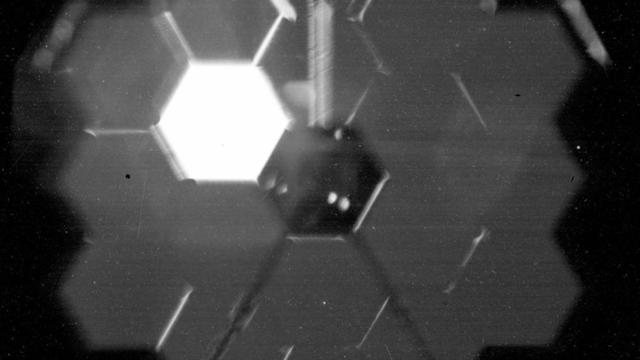
While the blurry, misaligned pictures might disappoint the uninitiated, they are almost exactly what engineers were expecting at this point in the observatory's complex commissioning.
Technically, it could also see details as small as a U.S. penny at a distance of about 25 miles.
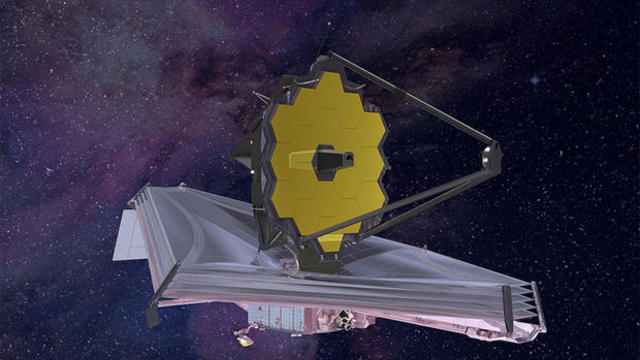
With Webb on station, engineers will focus on aligning the telescope's optical system.
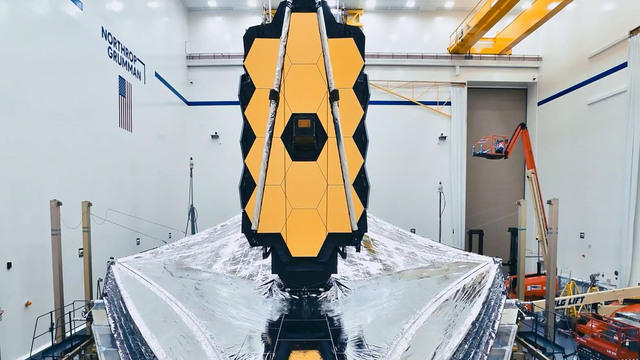
NASA's James Webb Space Telescope slipped into orbit around a point in space nearly a million miles from Earth on Monday. It's on a mission to capture light from the first stars and galaxies to form in the aftermath of the Big Bang. CBS News' Lana Zak has details.
Thirty days after launch, NASA's James Webb Space Telescope is going into orbit nearly 1 million miles from Earth. After a series of adjustments and calibrations it will be ready to begin exploring the most distant stars and galaxies in the universe. CBS News' Lana Zak has details.
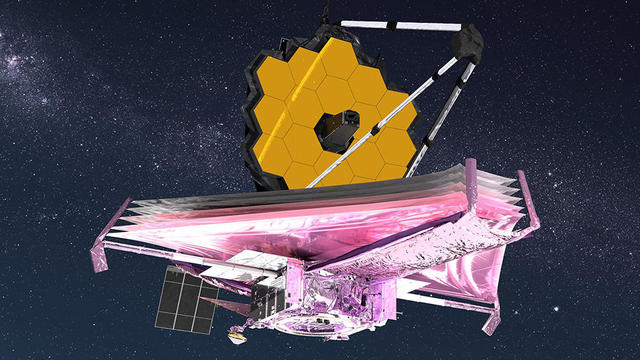
If all goes well, Webb will be 100 times more powerful than Hubble — so sensitive to infrared light that it could detect the faint heat of a bumble bee as far away as the moon.
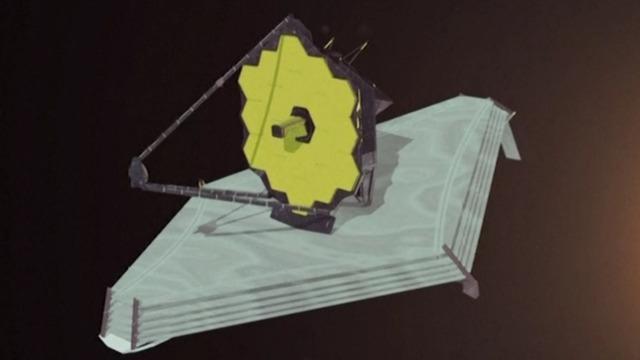
The James Webb Space Telescope has taken its final form. CBS News senior space Analyst Bill Harwood joins CBSN with more.
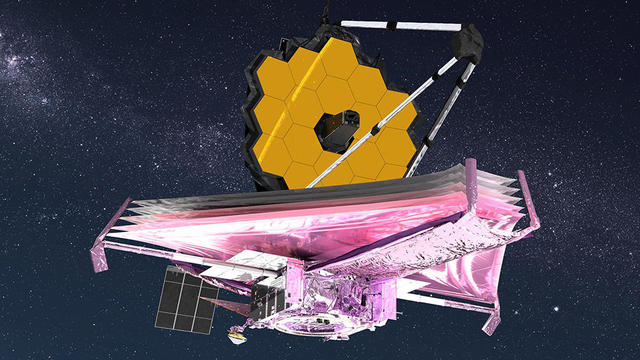
Scientists elated with completion of complex Webb space telescope deploy sequence.
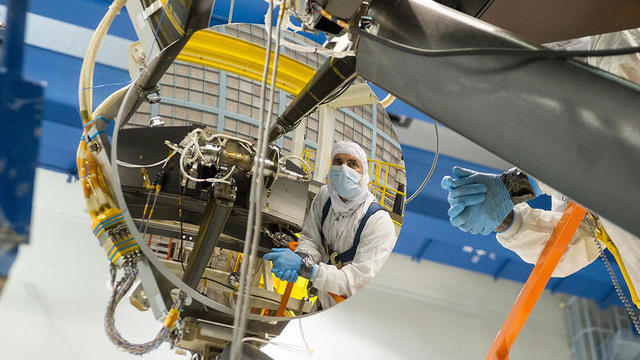
With the secondary mirror in place, controllers will deploy final mirror segments by end of week.
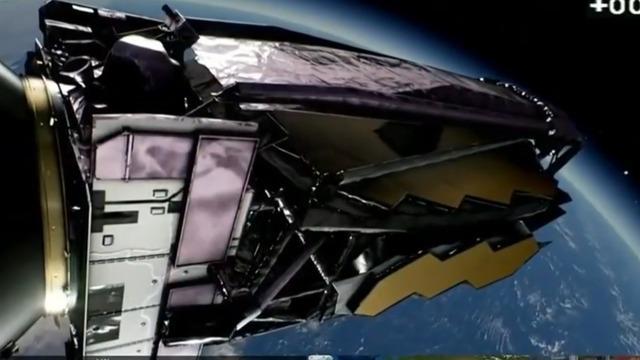
NASA is a a step closer to getting the first pictures from the James Webb space telescope. CBS News senior space analyst Bill Harwood joins CBSN's Elise Preston to discuss more.
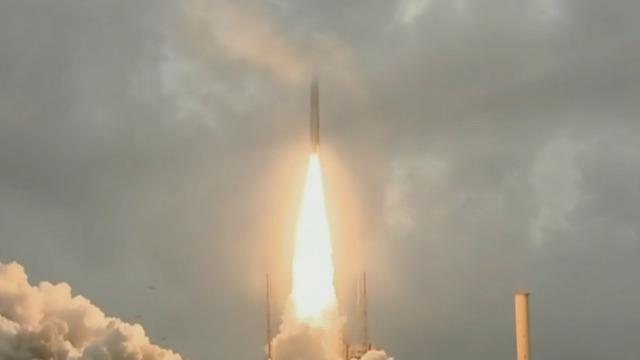
NASA's James Webb Space Telescope blasted into space from the coast of South America. Costing about $10 billion, It is 100 times more powerful than the Hubble Space Telescope, which was launched three decades ago. Mark Strassmann takes us through the long process of obtaining a single image.
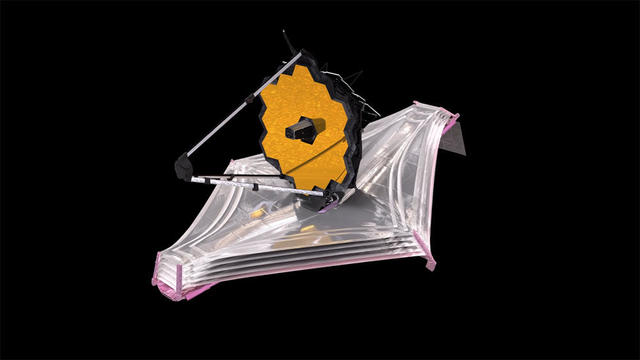
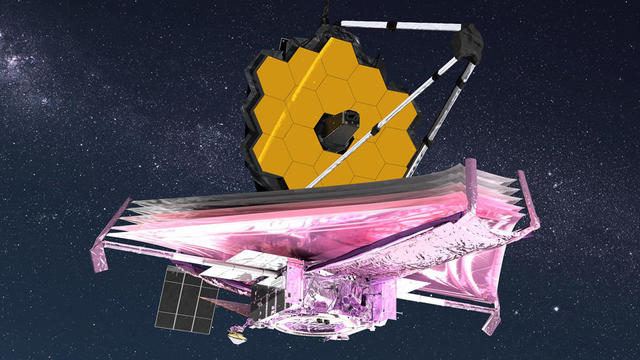
With the five-layer sunshield deployed, engineers prepare to unfold Webb's mirrors.
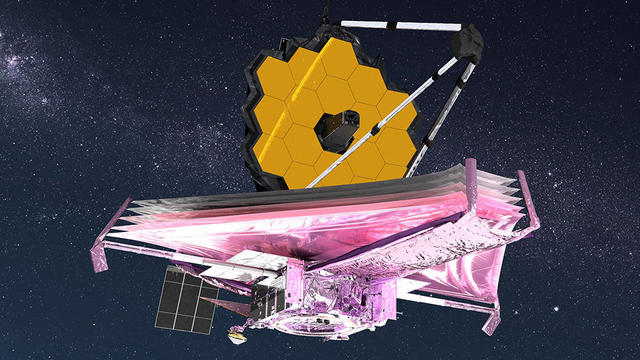
It's a major milestone in the James Webb Space Telescope's initial activation.
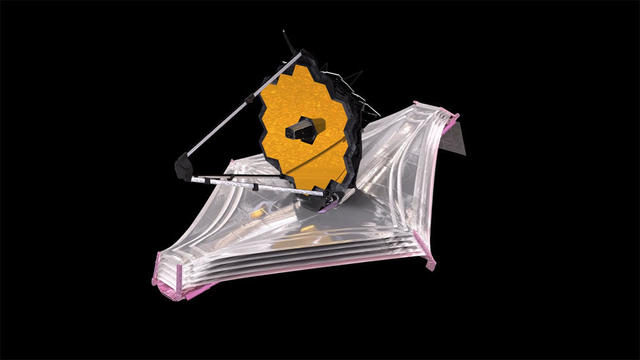
It will take two days to tension the sunshade, which is the size of a tennis court.
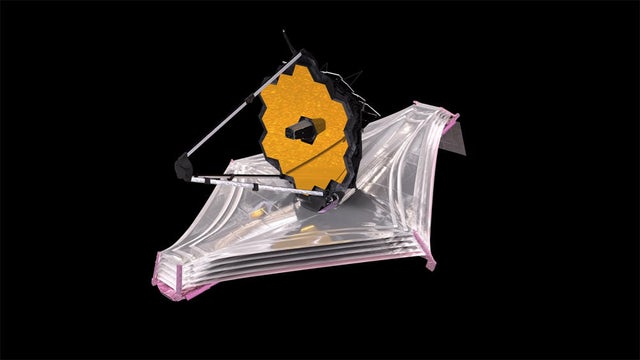
Deploying the sunshade is crucial to its ability to look back toward the birth of the cosmos.
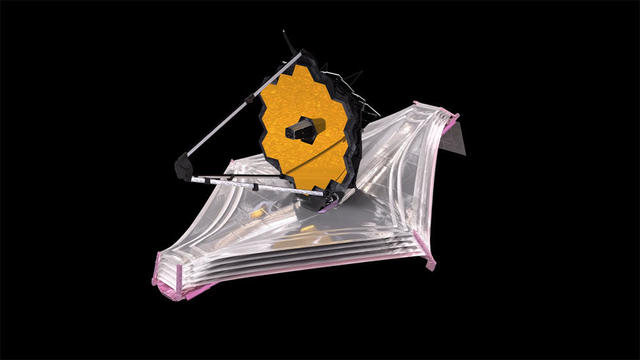
It will take about five days to deploy the James Webb Space Telescope's fragile sunshade in a complex and high-risk procedure.
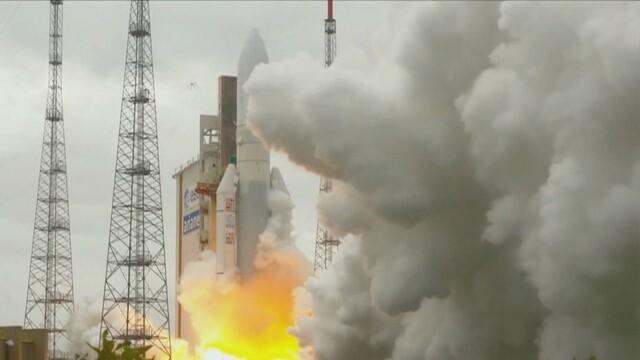
NASA is celebrating the successful launch of the James Webb Space Telescope. The $10 billion observatory lifted off on Christmas, and once it is fully operational, scientists hope it will reveal new information about our universe and its origins. CBS News senior space analyst Bill Harwood joins CBSN with more.
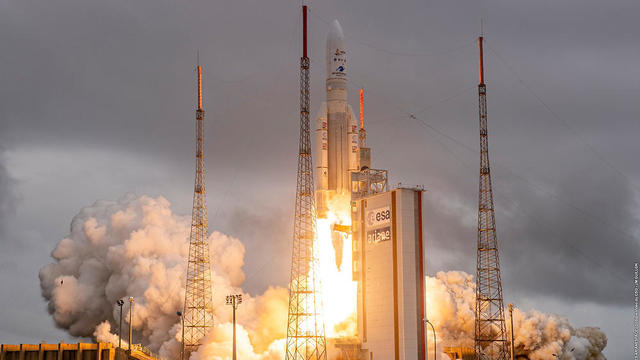
It's the most expensive science probe ever built — a $10 billion effort to explore the origins of the universe.
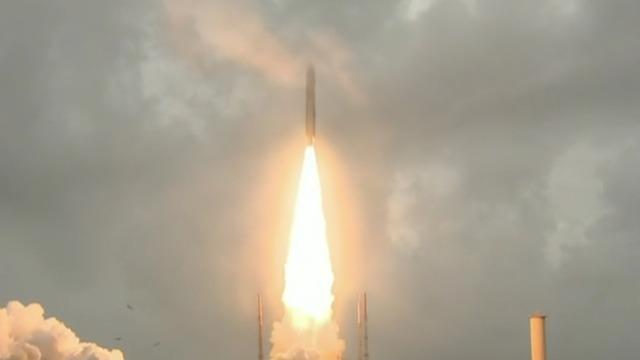
NASA and the European Space Agency launched the $10 billion James Webb Space Telescope on Christmas morning. The most powerful space telescope ever built, it's designed to shed light on the earliest stars and galaxies. Watch the liftoff here.
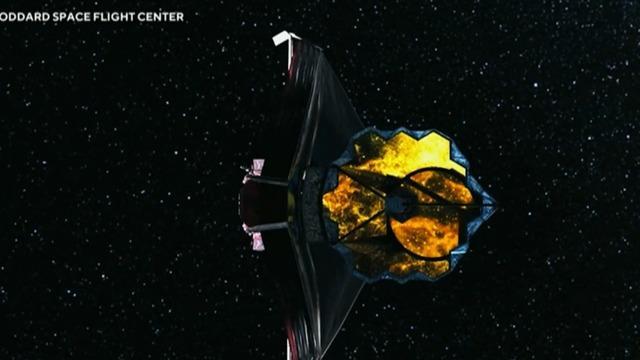
NASA is slated to launch its James Webb Space Telescope to space on Christmas. The agency is hoping the $10 billion telescope will provide more insight into the universe. Mark Strassmann has more.
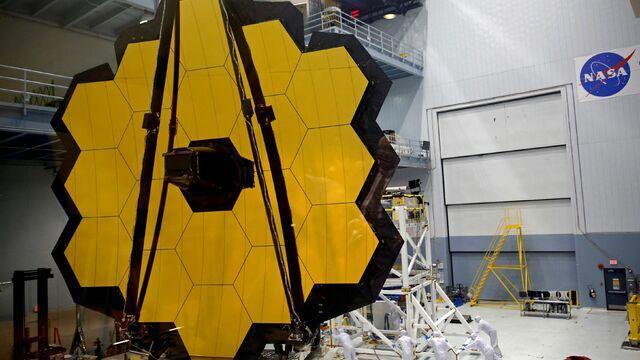
NASA is hoping for its biggest Christmas present yet: the successful launch of the $10 billion James Webb Space Telescope, which is set to lift off early Christmas morning. Webb will replace the 31-year-old Hubble Space Telescope as the leading space observatory. Researchers hope it can tell us more about the history of the universe. CBS News senior space analyst Bill Harwood joins CBSN with more.