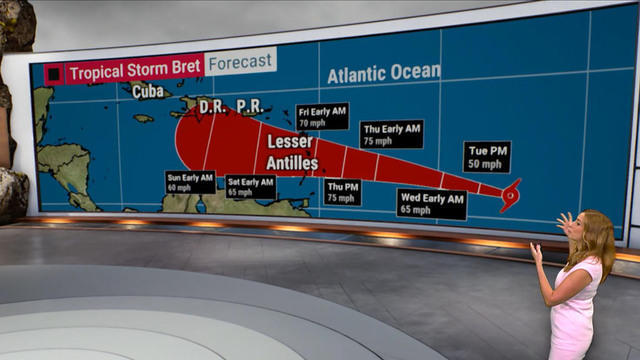
Tropical Storm Bret gains strength in the Atlantic
Weather Channel meteorologist Stephanie Abrams, who is tracking Tropical Storm Bret, discusses hurricane season so far and what makes Bret unique.
Watch CBS News
Weather Channel meteorologist Stephanie Abrams, who is tracking Tropical Storm Bret, discusses hurricane season so far and what makes Bret unique.
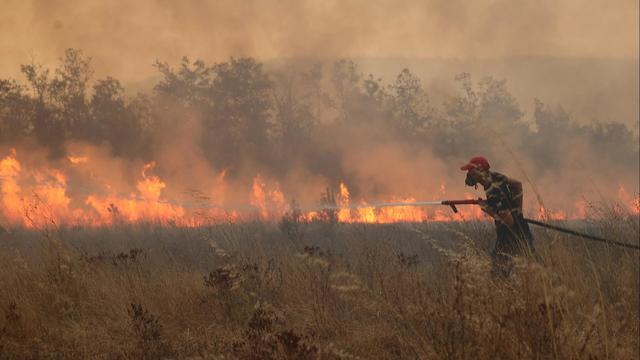
2023 is on track to be the warmest year on record, according to the World Meteorological Organization. CBS News correspondent Dave Malkoff explores what 2024 could bring.

Climate change is threatening nearly every aspect of the lives of Americans in every part of the U.S., according to a new government report. CBS News national and environmental correspondent Ben Tracy takes a closer look at some of the key takeaways.

Ruben Torres' yacht was one of 614 boats that were in the bay that night and ended up damaged or on the ocean floor, according to Mexico's Navy.

First, John Eastman on the GA conspiracy case. Then, an investigation into what happens when Social Security mistakenly overpays. And, a look at Hurricane Maria’s impact on Monkey Island.
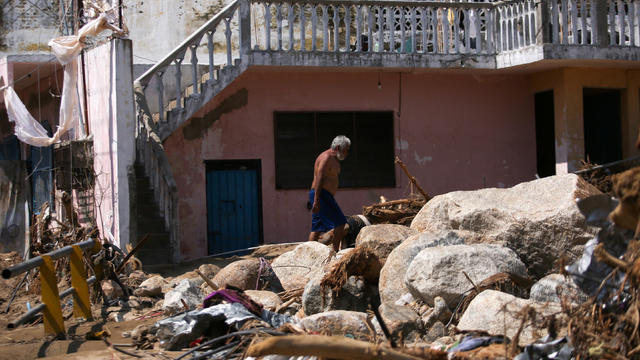
Hurricane Otis "was the strongest hurricane in the East Pacific to make landfall in the satellite era," when it hit Acapulco, Mexico, last week, NOAA said.
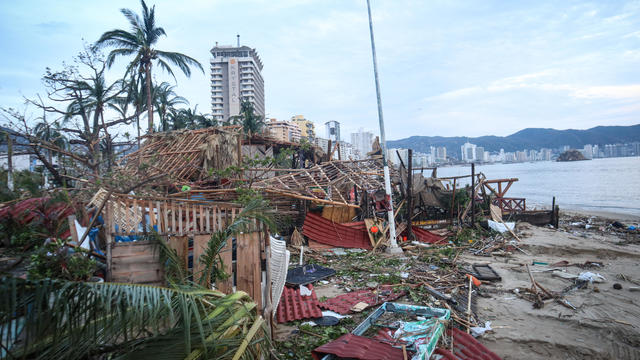
Hurricane Otis plowed into Mexico's Pacific coast as a deadly Category 5. Just 12 hours earlier, it was a tropical storm.
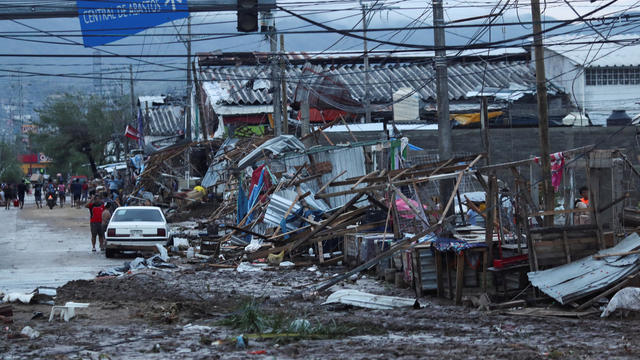
Tens of thousands of residents in damaged homes without electricity awaited help more than a day after Otis roared ashore in Acapulco.
Frustration with authorities was mounting as they tried to get a handle on the damage to start to respond. Looting was widespread.
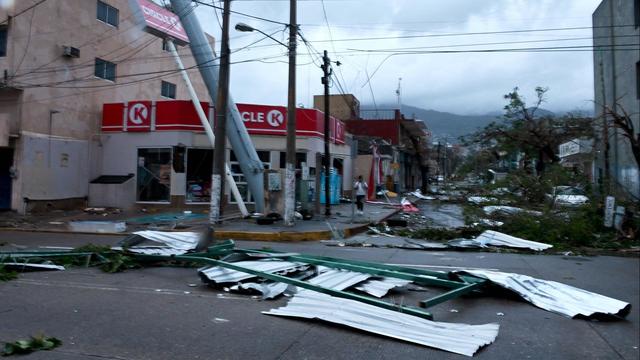
In under 24 hours, Tropical Storm Otis exploded in strength and hit Mexico as a Category 5 hurricane Wednesday. A new U.N. climate report issued the same day warns Earth is close to multiple "risk tipping points." CBS News senior national and environmental correspondent Ben Tracy explains how it's all connected.
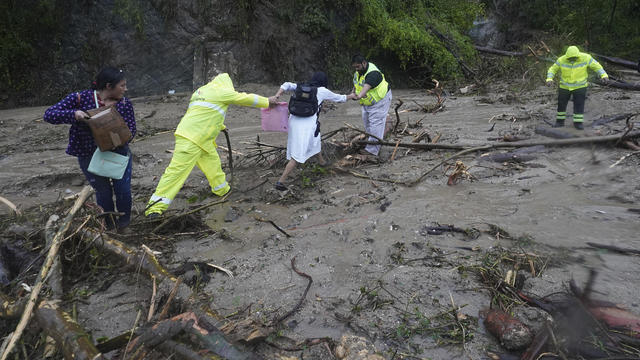
In just a matter of hours, Otis strengthened into a major hurricane, threatening "catastrophic damage" along Mexico's Pacific coast before weakening.
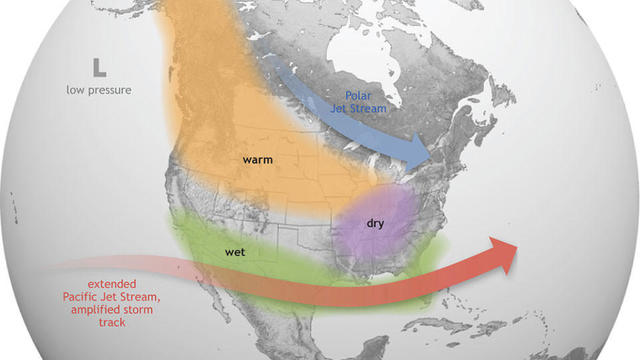
Forecasters say El Niño, a climate pattern known for warmer ocean temperatures and increased rain and snow, is likely here to stay until early 2024.
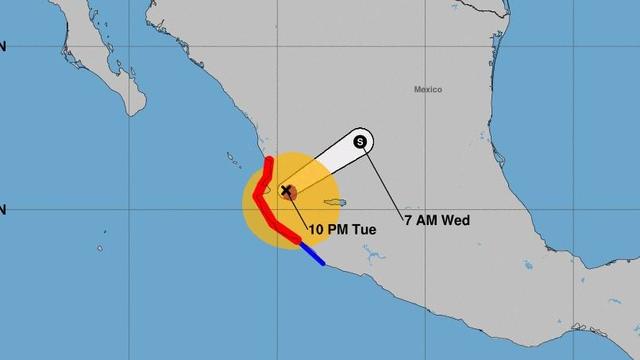
Its arrival came on the heels of Tropical Storm Max, which hit the southern coast of Mexico on Monday, several hundred miles from Jalisco, before tapering off.
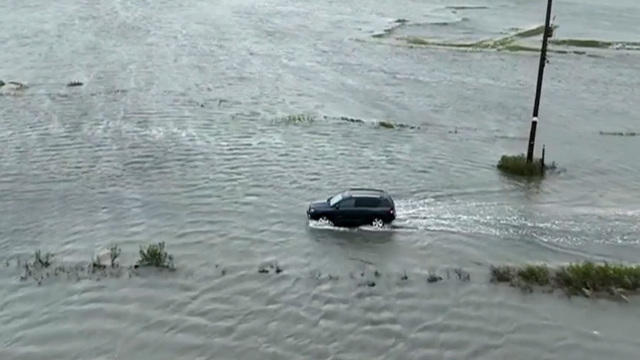
Large portions of the East Coast have dealt with 24 hours of heavy winds, rain and flooding brought on by Tropical Storm Ophelia. Tens of thousands were still without power as of Sunday night. Astrid Martinez reports.
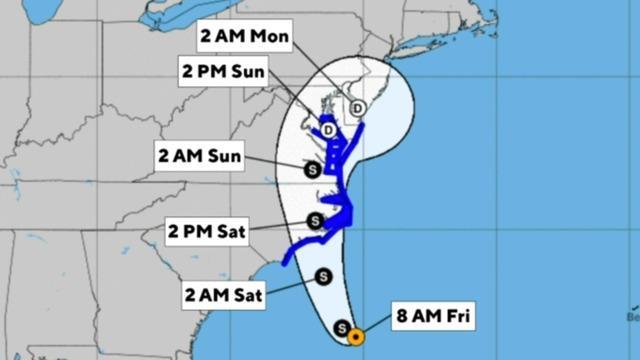
The storm that's been brewing off the East Coast is now officially Tropical Storm Ophelia, and it could bring coastal flooding from the Carolinas north to New England. CBS News senior weather and climate producer David Parkinson is tracking the storm.
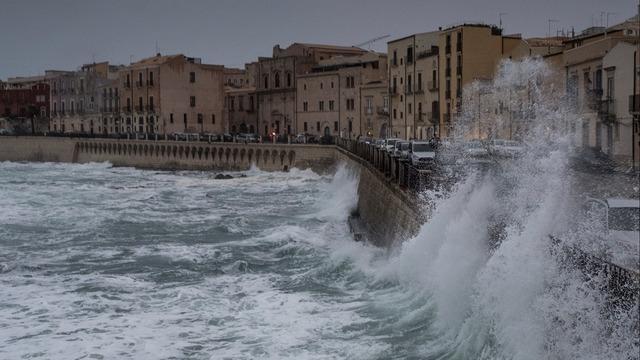
Scientists describe medicanes as a weather phenomenon similar to a hurricane or typhoon that forms over the Mediterranean Sea. Experts warn that because of global warming, medicanes may be intensifying. Kristen Corobosiero, associate professor of atmospheric and environmental science at the University of Albany, joined CBS News to talk about these storms.

With the Atlantic hurricane season in full swing, surfers navigate thrills, threats and even deadly weather conditions.
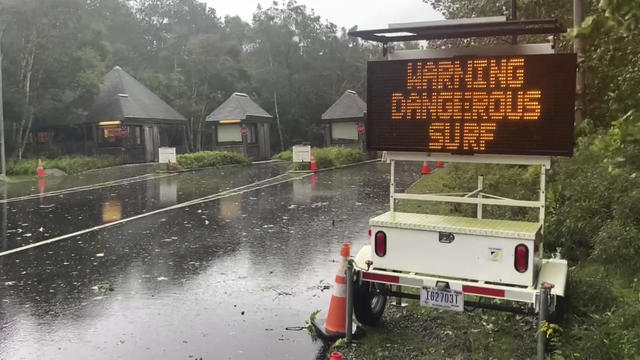
A man died in the coastal town of Seaport on Saturday, after a tree limb fell onto his car and brought power lines down with it.
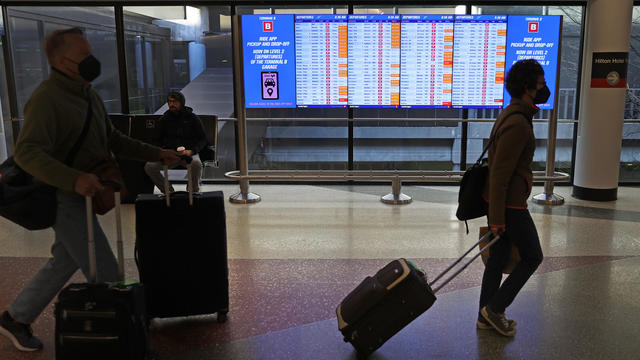
Lee made landfall in Canada while also bringing tropical-storm conditions and coastal flooding to parts of New England.
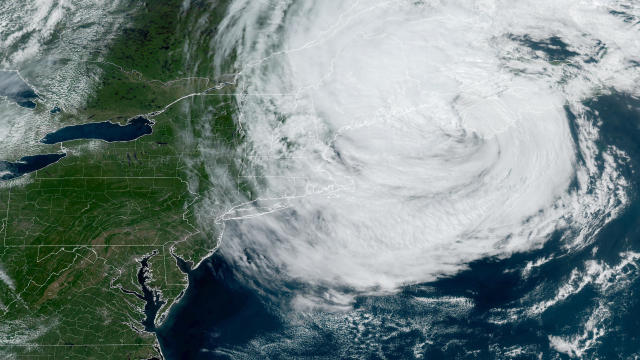
Lee is expected to make landfall Saturday.
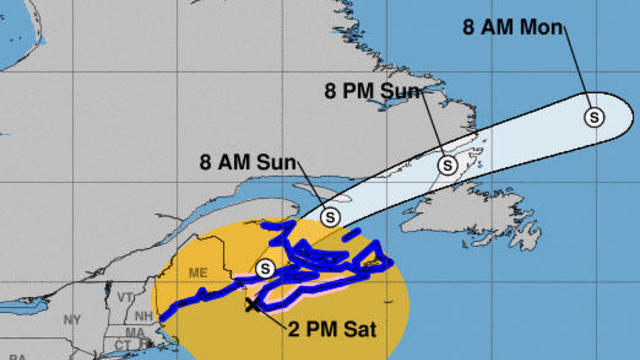
Hurricane Lee is churning northward, whipping up rough seas in the Atlantic as watches and warnings are issued for parts of New England and Canada.

A geodesic dome, along with being able to withstand hurricane-force winds, is also energy efficient.

New England residents are bracing for Hurricane Lee to make landfall this weekend. Officials in Maine are warning of dangerous conditions and potential power outages. Eric Sanders, the mayor of Belfast, Maine, joined CBS News to discuss how his community is preparing.
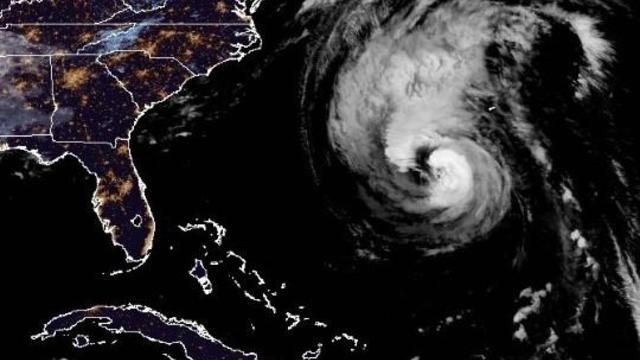
Lee had strengthened to a Category 5 hurricane last week before weakening, but could still bring dangerous conditions.
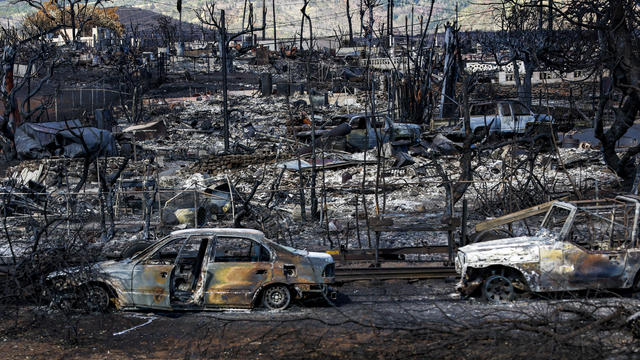
There have been 23 weather extreme events in America that cost at least $1 billion this year through August, breaking the record of 22 set in 2020.